

Feb . 11, 2026 00:01 Back to list
discount hdpe sprinkler pipe Performance Engineering
Introduction
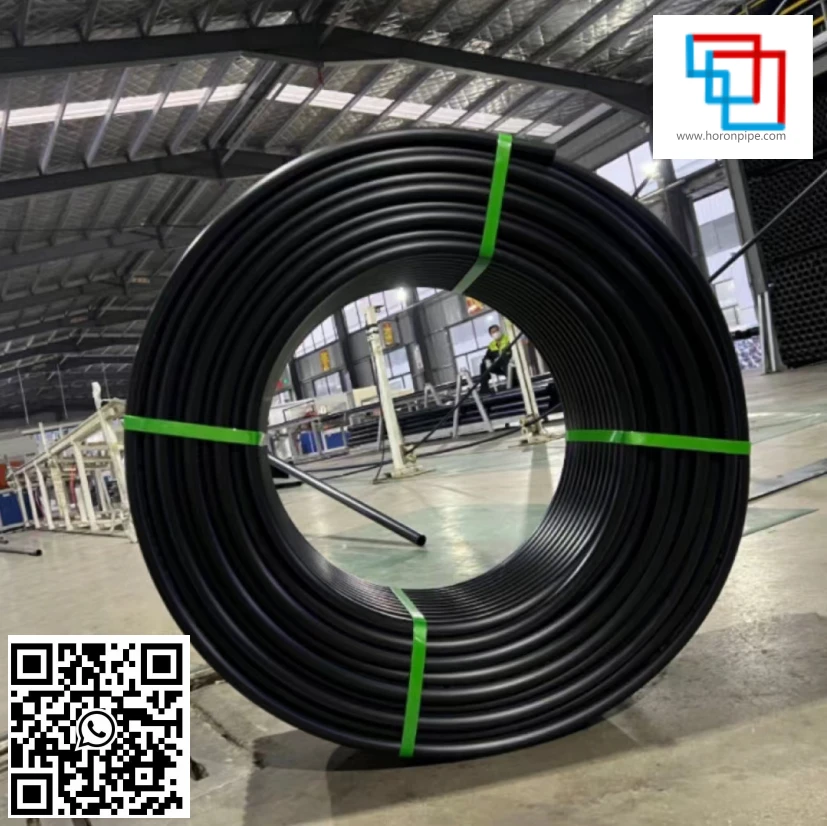
High-Density Polyethylene (HDPE) sprinkler pipe represents a critical component in agricultural, commercial, and residential irrigation systems. Distinguished by its cost-effectiveness, durability, and ease of installation, discount HDPE sprinkler pipe serves as a vital link between water sources and point-of-use emitters. Positioned within the broader fluid conveyance industry, this product differentiates itself from alternatives like PVC and metal piping through its superior flexibility, impact resistance, and resistance to chemical degradation. Core performance characteristics center on maintaining consistent water pressure and flow rates across varied terrain and environmental conditions, while minimizing water loss through leaks and bursts. This guide provides an in-depth technical analysis of discount HDPE sprinkler pipe, covering material science, manufacturing processes, performance engineering, potential failure modes, and relevant industry standards. The primary pain point in the irrigation sector related to sprinkler pipe revolves around lifecycle cost – balancing initial material expense with long-term durability, maintenance requirements, and potential water loss due to failures. Discount HDPE addresses this by offering a competitively priced solution that minimizes the need for frequent replacements, especially in demanding agricultural applications.
Material Science & Manufacturing
HDPE sprinkler pipe is primarily manufactured from high-density polyethylene resin, a thermoplastic polymer created through the polymerization of ethylene. The raw material exhibits a semi-crystalline structure, lending it high tensile strength and toughness. Key physical properties include a density typically ranging from 0.941 to 0.965 g/cm³, a tensile strength between 20-30 MPa, and a relatively low coefficient of friction. Chemical resistance is excellent, with HDPE being inert to most acids, bases, and solvents commonly found in agricultural environments.
Manufacturing typically employs the extrusion process. Polyethylene resin pellets are fed into an extruder, where they are heated and melted. The molten plastic is then forced through a die to create a continuous pipe shape. Critical parameters during extrusion include maintaining consistent melt temperature (typically between 180-210°C), controlling the extrusion rate to achieve the desired pipe wall thickness, and ensuring proper cooling of the extruded pipe to maintain dimensional stability. Pipe diameters are commonly produced using varying die sizes, and the process is often coupled with a sizing sleeve to ensure precise outer diameter control. For sprinkler pipe specifically, barbed fittings are commonly integrated through co-extrusion or secondary attachment processes. Quality control involves regular testing of material density, melt flow index, and hydrostatic pressure resistance to ensure adherence to industry standards. Furthermore, UV stabilizers are frequently incorporated into the HDPE formulation to enhance resistance to degradation from prolonged sun exposure, a particularly important consideration for surface-laid irrigation systems.
Performance & Engineering
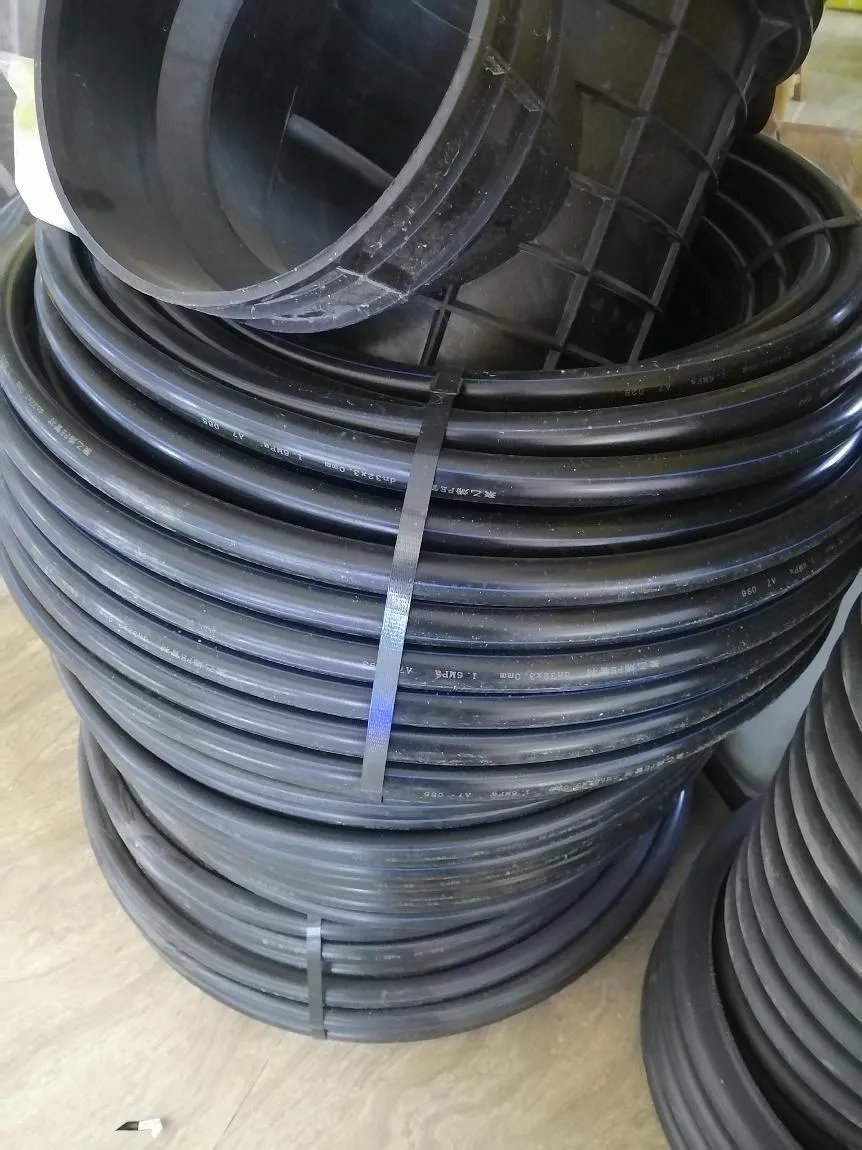
The performance of HDPE sprinkler pipe is largely dictated by its ability to withstand internal hydrostatic pressure, external loads from soil or traffic, and environmental stressors. Force analysis considerations include hoop stress due to internal pressure, longitudinal stress due to pressure and temperature changes, and bending stress resulting from pipe deflection. The pipe's flexibility allows it to accommodate ground movement and thermal expansion/contraction without significant stress buildup. Environmental resistance is a key factor, particularly UV degradation and slow crack growth (SCG). UV stabilizers are added to mitigate UV degradation, but prolonged exposure will still lead to embrittlement. SCG is often initiated by stress concentrations around imperfections or gouges in the pipe wall, exacerbated by the presence of certain chemicals in the water or soil.
Compliance requirements vary depending on regional regulations and intended application. In agricultural settings, pipes must meet standards for potable water contact if used for irrigation of food crops. Pressure ratings are typically specified in PSI (pounds per square inch) or bar, and pipes are subjected to hydrostatic pressure testing to verify their ability to withstand the specified pressure for a defined period. The use of Schedule 40 or Schedule 80 HDPE pipe denotes the pipe wall thickness and corresponding pressure rating, with higher schedules providing greater resistance to pressure and impact. Proper jointing techniques, such as butt fusion or electrofusion, are crucial for maintaining the structural integrity of the piping system and preventing leaks. Electrofusion welding provides superior joint strength and is commonly employed in critical applications.
Technical Specifications
| Parameter | Unit | Typical Value (1/2" Pipe) | Typical Value (3/4" Pipe) |
|---|---|---|---|
| Outer Diameter | in | 0.625 | 0.875 |
| Inner Diameter | in | 0.55 | 0.78 |
| Wall Thickness | in | 0.075 | 0.095 |
| Pressure Rating | PSI | 100 | 80 |
| Density | g/cm³ | 0.95 | 0.95 |
| Tensile Strength | MPa | 25 | 25 |
Failure Mode & Maintenance
Common failure modes for HDPE sprinkler pipe include cracking due to freezing temperatures (if not properly drained), SCG initiated by stress concentrations and chemical exposure, UV degradation leading to embrittlement, and mechanical damage during installation or operation. Fatigue cracking can occur in systems subjected to repeated pressure fluctuations. Delamination can result from improper jointing techniques or material defects. Oxidation can occur over extended periods, especially in the presence of certain chemicals. Maintenance practices should include regular visual inspections for cracks, leaks, and signs of UV degradation. Flushing the system periodically to remove sediment and debris can prevent clogging of emitters and reduce pressure buildup. Proper winterization procedures, such as draining the system and insulating exposed pipes, are crucial to prevent freeze-related failures. Repair of minor cracks or leaks can often be accomplished using specialized HDPE repair couplings. For more significant damage, pipe sections may need to be replaced. Preventative measures include using appropriate backfill material to protect the pipe from mechanical damage and ensuring proper UV protection through shading or the use of UV-resistant pipe formulations. Regularly testing water pH and chemical composition can also help identify potential SCG risks.
Industry FAQ
Q: What is the expected lifespan of discount HDPE sprinkler pipe in a typical agricultural application?
A: The lifespan is heavily dependent on environmental conditions and maintenance practices. However, with proper installation, UV protection, and regular inspections, a lifespan of 15-20 years is achievable. Areas with high UV exposure or corrosive soil conditions will likely experience a shorter lifespan.
Q: How does HDPE sprinkler pipe compare to PVC in terms of freeze resistance?
A: HDPE is significantly more flexible than PVC and exhibits greater resistance to cracking when subjected to freezing temperatures. While both materials can be damaged by freezing, HDPE is less prone to catastrophic failure and can often withstand some degree of ice formation without rupturing. However, complete drainage is still recommended for both materials in freezing climates.
Q: What is the impact of water hammer on HDPE sprinkler pipe systems?
A: Water hammer, or pressure surge, can cause significant stress on HDPE pipe, potentially leading to cracking or joint failure. Proper system design, including the use of pressure relief valves and slow-closing valves, is crucial to mitigate the effects of water hammer. Air chambers can also be incorporated to absorb pressure surges.
Q: What are the best practices for joining HDPE sprinkler pipe sections?
A: Butt fusion and electrofusion are the preferred methods for joining HDPE pipe, as they create strong, leak-proof joints. Proper operator training and adherence to manufacturer's specifications are essential. Mechanical fittings can be used for temporary connections or repairs, but they generally offer lower joint strength and are more prone to leaks.
Q: How can I determine if my water source is compatible with HDPE sprinkler pipe?
A: It’s important to test the water for chemical composition and pH. High concentrations of certain chemicals, such as chlorine or strong acids, can accelerate SCG. Consult with an HDPE pipe supplier or a water quality specialist to assess compatibility and determine if any pre-treatment is necessary.
Conclusion
Discount HDPE sprinkler pipe represents a robust and cost-effective solution for irrigation systems, offering a compelling balance of durability, flexibility, and ease of installation. Its resistance to chemical degradation and its ability to withstand moderate freezing conditions make it suitable for a wide range of agricultural and commercial applications. However, careful consideration must be given to UV protection, potential SCG risks, and proper jointing techniques to maximize its lifespan and prevent failures.
The continued advancement of HDPE material science, particularly in the development of enhanced UV stabilizers and crack-resistant formulations, will further improve the performance and longevity of these systems. Future developments may also include the integration of smart sensors and monitoring technologies to detect leaks and optimize irrigation efficiency, providing a more sustainable and reliable water management solution.
-
DN25 HDPE Compression Fitting-HORON INTERNATIONAL|Reliable Irrigation Solutions
NewsFeb.11,2026
-
hdpe coupling joint product Manufacturing Analysis
News2026-11-18
-
ppr pipe heating time products Performance Analysis
News2026-11-16
-
hdpe pipe sizes factory Performance Analysis
News2026-11-09
-
HDPE Pipe Sizes Service Performance Analysis
News2026-10-26
-
wholesale 15mm ppr pipe Material Science and Performance Analysis
News2026-10-20
-
wholesale pvc pipe price per foot Technical Analysis
News2026-09-21
-
wholesale long pvc pipe Technical Analysis and Manufacturing Specifications
News2026-09-15
-
wholesale plumbing kitchen sink water lines Material Performance
News2026-09-15
-
wholesale hdpe drip irrigation Material Science
News2026-09-15
-
wholesale hot water ppr pipe Performance Analysis
News2026-09-15
-
wholesale ppr plumbing Performance Analysis
News2026-09-15
-
wholesale ppr pipe supplier Performance Analysis
News2026-09-13
-
wholesale 50mm ppr pipe Performance Analysis
News2026-09-13
-
wholesale hdpe drip pipe Performance Analysis
News2026-09-13
-
wholesale hdpe pipe 63mm price Manufacturing Specification and Performance Analysis
News2026-09-13