

Feb . 11, 2026 00:01 Back to list
discount hdpe reducing coupler Performance Analysis
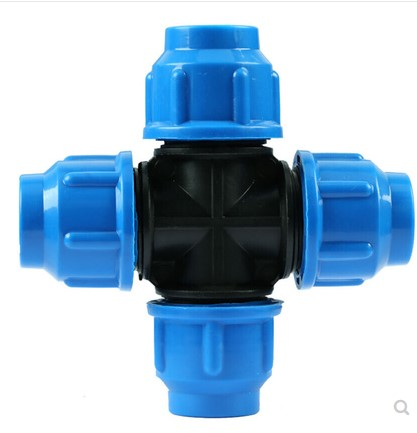
Introduction
High-Density Polyethylene (HDPE) reducing couplers are critical components in thermoplastic piping systems, facilitating the connection of pipes with differing outer diameters. These couplers serve primarily in water distribution, irrigation, drainage, and industrial fluid handling applications. Positioned within the broader industrial piping infrastructure, their function is to provide a secure, leak-proof transition between pipe sections. Core performance characteristics center on pressure rating, chemical resistance, and long-term durability under varying environmental conditions. The demand for cost-effective solutions has driven the prevalence of 'discount' HDPE reducing couplers, but it's crucial to understand that pricing often correlates with material grade and manufacturing precision. This guide provides a comprehensive technical overview, covering material science, manufacturing processes, performance engineering, failure modes, and applicable industry standards.
Material Science & Manufacturing
HDPE, the primary material for these couplers, is a thermoplastic polymer produced from the polymerization of ethylene. Its semi-crystalline nature imparts excellent tensile strength, impact resistance, and flexibility. Raw material specifications typically require a minimum density of 0.941 g/cm³, influencing the final product’s mechanical properties. Manufacturing processes predominantly employ injection molding. This involves melting HDPE pellets and injecting them into a mold cavity shaped like the reducing coupler. Key parameters during injection molding include melt temperature (typically 180-220°C), mold temperature (30-50°C), injection pressure (70-100 MPa), and cooling time. Precise control of these parameters is essential to minimize warpage, ensure dimensional accuracy, and optimize weld line strength. Material grades can vary, with PE3408E and PE100 often used, differing in molecular weight distribution and long-term hydrostatic strength (LHS). The reducing taper angle is meticulously designed to ensure a secure interference fit with the joining pipe sections. Post-molding, couplers often undergo hydrostatic pressure testing to verify structural integrity and leak resistance. The quality of the HDPE resin, including the presence of carbon black for UV stabilization, significantly affects long-term performance in outdoor applications.
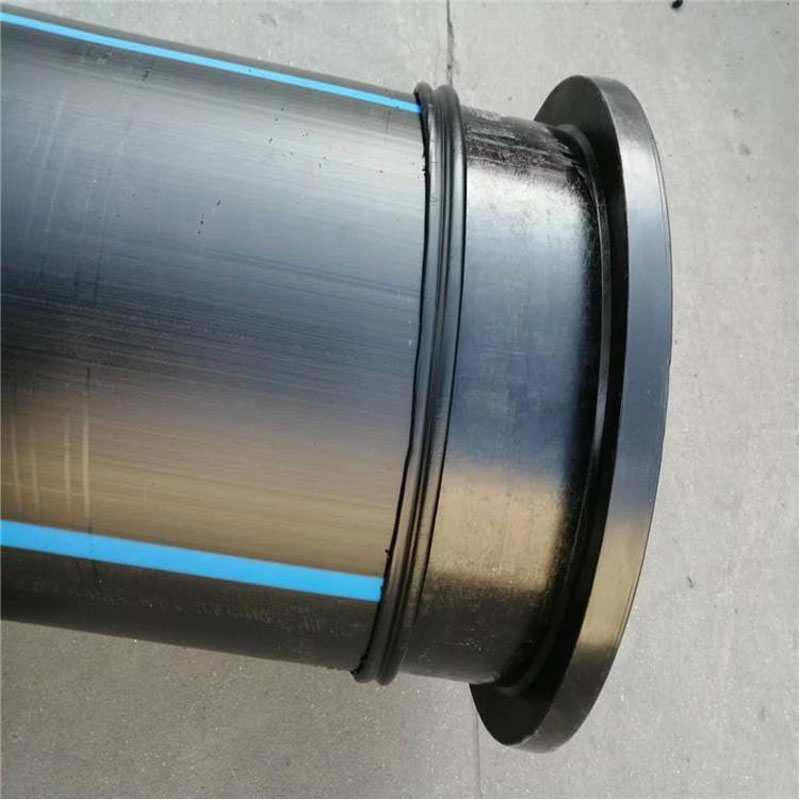
Performance & Engineering
The primary engineering consideration for HDPE reducing couplers is their ability to withstand internal pressure and external loads without failure. Force analysis dictates that stress concentration occurs at the transition points between the larger and smaller diameter sections. Finite Element Analysis (FEA) is frequently employed during the design phase to optimize geometry and minimize stress risers. Environmental resistance is also critical. HDPE exhibits good chemical resistance to many acids, alkalis, and solvents, but prolonged exposure to oxidizing agents and hydrocarbons can lead to degradation. UV exposure causes chain scission, reducing tensile strength and impact resistance, which is why carbon black additives are vital for outdoor applications. Compliance with industry standards (detailed in the footer) mandates specific pressure ratings based on pipe size and HDPE grade. For example, couplers used in potable water systems must conform to NSF/ANSI 61 requirements regarding extractable contaminants. Joint sealing relies on the interference fit between the coupler and the pipe, coupled with the inherent elasticity of HDPE. Temperature fluctuations induce expansion and contraction, which the coupler must accommodate without compromising the seal. The long-term creep resistance of HDPE is also a significant factor, particularly in pressurized systems.
Technical Specifications
| Parameter | Unit | Typical Value (PE100 Grade) | Testing Standard |
|---|---|---|---|
| Nominal Pipe Size Range | inches | 1/2" - 4" | ASTM D2412 |
| Pressure Rating | psi | Up to 100 psi (dependent on size & temperature) | ASTM D1598 |
| Operating Temperature Range | °F | -40 to 140 | ASTM D790 |
| Hydrostatic Design Stress (HDS) | psi | 1600 | ASTM D2837 |
| Minimum Burst Pressure | psi | 4x Pressure Rating | ASTM D1598 |
| UV Resistance | Hours (to 50% tensile strength loss) | >1000 | ASTM G154 |
Failure Mode & Maintenance
Common failure modes for HDPE reducing couplers include slow crack growth (SCG), particularly in environments with residual stress and aggressive chemicals. SCG initiates at stress concentrators, such as weld lines or scratches, and propagates slowly over time. Fatigue cracking can occur under cyclic pressure loading, especially if the coupler is subjected to repeated surges or vibrations. UV degradation leads to embrittlement and reduced impact resistance, increasing susceptibility to cracking. Delamination can occur if the HDPE material is contaminated or improperly molded. Oxidation, although less common, can occur at elevated temperatures in the presence of oxidizing agents. Maintenance primarily involves visual inspection for cracks, deformation, or discoloration. Periodic hydrostatic testing can be performed to verify structural integrity. Avoid exposing couplers to harsh chemicals or extreme temperatures. If damage is detected, the coupler should be replaced immediately. Proper installation, avoiding excessive force or misalignment, is crucial to prevent premature failure. Storage should be in a cool, dry place away from direct sunlight to minimize UV degradation. Regularly check for any loose connections or leaks in the piping system.
Industry FAQ
Q: What is the significance of the PE100 grade designation for HDPE couplers?
A: The PE100 designation refers to a specific grade of HDPE with a minimum required long-term hydrostatic strength (LHS) of 10 MPa. This indicates superior resistance to creep and slow crack growth compared to lower grades like PE80 or PE63, making it suitable for higher-pressure applications and demanding environments.
Q: How does temperature affect the performance of an HDPE reducing coupler?
A: HDPE expands and contracts with temperature changes. While HDPE couplers can operate within a broad temperature range (-40 to 140°F), significant temperature fluctuations can induce stress on the joints. High temperatures reduce the material’s strength, while low temperatures can increase brittleness. Proper consideration of operating temperature is vital for pressure derating calculations.
Q: What is the best method for ensuring a leak-proof connection with an HDPE reducing coupler?
A: A secure interference fit between the coupler and the pipe is paramount. Ensure the pipe ends are clean, dry, and free of debris. Apply uniform pressure during insertion, avoiding excessive force that could damage the coupler. In some applications, heat fusion welding may be used for a permanent, leak-proof joint. Following manufacturer’s installation instructions is essential.
Q: What are the typical causes of slow crack growth (SCG) in HDPE piping systems?
A: SCG is often initiated by stress concentrators, such as scratches, gouges, or weld lines, in conjunction with exposure to aggressive chemicals or sustained tensile stress. The presence of chlorine or other oxidizing agents in the fluid can accelerate SCG. Careful material selection, proper installation, and avoiding exposure to incompatible chemicals are crucial preventive measures.
Q: Are 'discount' HDPE reducing couplers always a cost-effective solution?
A: While lower pricing is attractive, ‘discount’ couplers may utilize lower-grade HDPE or have less precise manufacturing tolerances. This can lead to reduced pressure ratings, decreased long-term durability, and increased risk of failure. A life-cycle cost analysis should consider the potential for premature replacement and associated downtime.
Conclusion
HDPE reducing couplers are fundamental components in modern piping systems, offering a cost-effective and reliable solution for connecting dissimilar pipe sizes. Their performance is dictated by the material’s inherent properties, meticulous manufacturing processes, and adherence to stringent industry standards. Understanding the potential failure modes – slow crack growth, fatigue, and UV degradation – is critical for ensuring long-term system integrity.
Selecting the appropriate coupler grade (PE100 being preferred for demanding applications), implementing proper installation techniques, and conducting regular inspections are essential for maximizing service life and minimizing the risk of costly failures. A comprehensive assessment of lifecycle costs, factoring in material quality and potential maintenance requirements, will ultimately determine the most cost-effective solution.
-
DN25 HDPE Compression Fitting-HORON INTERNATIONAL|Reliable Irrigation Solutions
NewsFeb.11,2026
-
hdpe coupling joint product Manufacturing Analysis
News2026-11-18
-
ppr pipe heating time products Performance Analysis
News2026-11-16
-
hdpe pipe sizes factory Performance Analysis
News2026-11-09
-
HDPE Pipe Sizes Service Performance Analysis
News2026-10-26
-
wholesale 15mm ppr pipe Material Science and Performance Analysis
News2026-10-20
-
wholesale pvc pipe price per foot Technical Analysis
News2026-09-21
-
wholesale long pvc pipe Technical Analysis and Manufacturing Specifications
News2026-09-15
-
wholesale plumbing kitchen sink water lines Material Performance
News2026-09-15
-
wholesale hdpe drip irrigation Material Science
News2026-09-15
-
wholesale hot water ppr pipe Performance Analysis
News2026-09-15
-
wholesale ppr plumbing Performance Analysis
News2026-09-15
-
wholesale ppr pipe supplier Performance Analysis
News2026-09-13
-
wholesale 50mm ppr pipe Performance Analysis
News2026-09-13
-
wholesale hdpe drip pipe Performance Analysis
News2026-09-13
-
wholesale hdpe pipe 63mm price Manufacturing Specification and Performance Analysis
News2026-09-13