

Feb . 11, 2026 00:01 Back to list
discount hdpe pipes Performance Analysis
Introduction
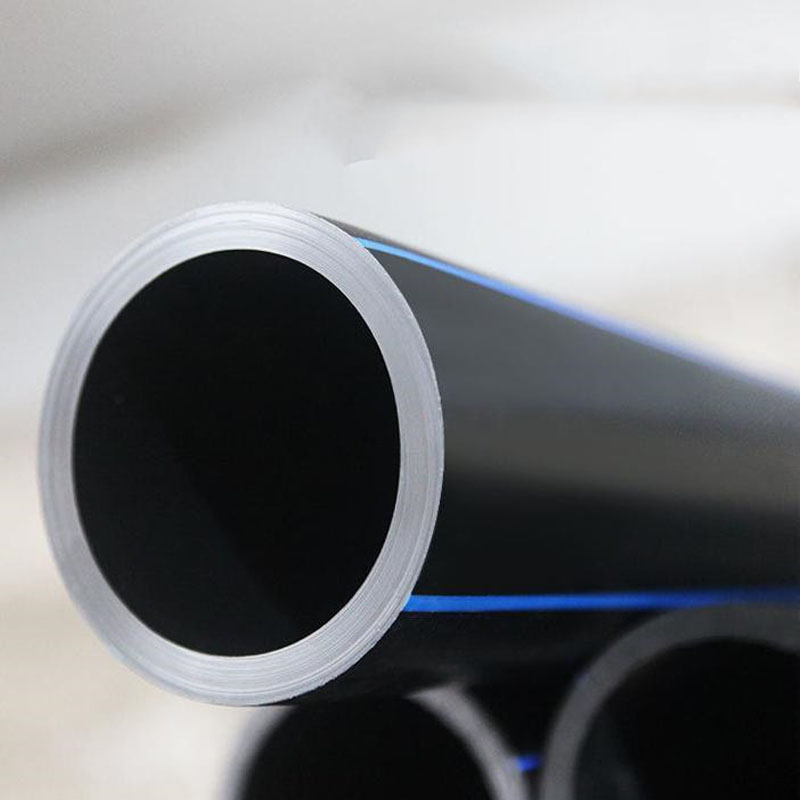
High-Density Polyethylene (HDPE) pipes represent a significant advancement in fluid and solid conveyance systems across diverse industries. Often referred to as “discount HDPE pipes” due to competitive pricing structures, these pipes are fundamentally engineered thermoplastic conduits offering a compelling combination of durability, chemical resistance, and cost-effectiveness. Positioned within the broader piping industry – competing with materials like PVC, ductile iron, and steel – HDPE pipes are increasingly favored for applications ranging from potable water distribution and irrigation to industrial effluent discharge and gas transportation. Their performance is defined by parameters like Pressure Rating (PR), Hydrostatic Design Basis (HDB), and compliance with stringent regulatory standards. This guide offers an in-depth examination of HDPE pipe technology, encompassing material science, manufacturing processes, performance characteristics, failure modes, and industry best practices, with a specific focus on understanding the value proposition of competitively priced HDPE solutions.
Material Science & Manufacturing
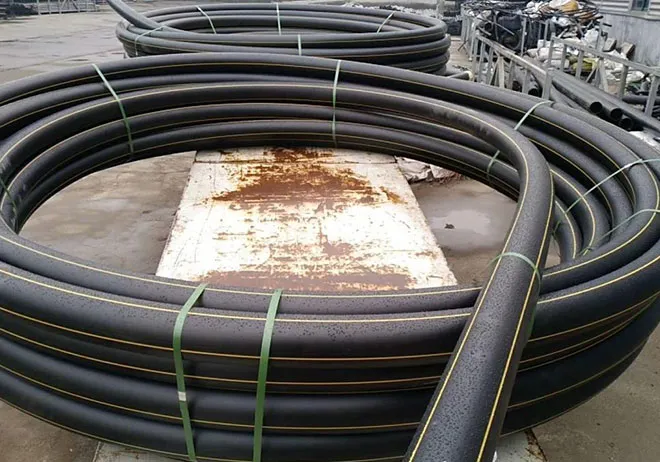
HDPE pipes are manufactured from high-density polyethylene, a thermoplastic polymer derived from the polymerization of ethylene. The core property influencing performance is the polymer's molecular weight distribution and degree of branching. Higher molecular weight translates to improved mechanical strength and creep resistance. Raw material selection is critical; the polyethylene resin must meet specific density requirements (typically between 0.931 and 0.965 g/cm³), as defined by ASTM D1248. Manufacturing primarily utilizes extrusion processes. The polyethylene resin is melted and forced through a die, forming a continuous pipe profile. Key process parameters include melt temperature (typically 180-210°C), die pressure, and cooling rate. Butt fusion, electrofusion, and socket fusion are common joining methods. Butt fusion, prevalent for larger diameters, involves heating the pipe ends and pressing them together under controlled pressure, creating a homogenous weld. Electrofusion utilizes an electrical current to melt the pipe and fitting simultaneously. Quality control during manufacturing focuses on dimensional accuracy (diameter, wall thickness – adhering to standards like ASTM D2412), hydrostatic pressure testing (ensuring burst pressure exceeds design requirements as per ASTM D1597), and resistance to slow crack growth (SCG – assessed through ASTM D1622). The addition of carbon black provides UV resistance, essential for outdoor applications.
Performance & Engineering
HDPE pipe performance is dictated by a complex interplay of factors. Stress analysis, governed by Barlow’s formula, determines the pressure-bearing capacity based on pipe diameter, wall thickness, and Material Design Basis (MDB). Environmental factors are paramount. While HDPE exhibits excellent chemical resistance to a broad range of acids, bases, and solvents, prolonged exposure to oxidizing agents (e.g., nitric acid) can lead to degradation. Temperature affects both strength and flexibility; HDPE becomes more brittle at lower temperatures and more susceptible to creep at elevated temperatures. Long-term hydrostatic strength is crucial for potable water systems and is assessed through accelerated aging tests (ASTM D1622). Burial depth considerations necessitate accounting for soil load and potential external stresses. Pipe bedding and backfill material must be appropriately selected to prevent damage during installation and operation. For trenchless installation methods like Horizontal Directional Drilling (HDD), HDPE’s flexibility and resistance to abrasion are particularly advantageous. Compliance with regulations such as NSF/ANSI 61 (for potable water applications) and AWWA standards is non-negotiable. Proper joint design and installation are critical to maintaining system integrity and preventing leaks or failures. The coefficient of thermal expansion of HDPE (approximately 0.2 mm/m/°C) must be considered in design to accommodate temperature fluctuations.
Technical Specifications
| Parameter | Typical Value (DN/ID 110mm, SDR 17) | Testing Standard | Units |
|---|---|---|---|
| Outside Diameter | 110 | ISO 4437 | mm |
| Inside Diameter | 98.6 | Calculated | mm |
| Wall Thickness | 5.7 | Calculated | mm |
| Pressure Rating (PN) | 16 | ISO 4437 | bar |
| Hydrostatic Design Basis (HDB) | 12.5 | ISO 4437 | MPa |
| Density | 0.955 | ASTM D1248 | g/cm³ |
Failure Mode & Maintenance
HDPE pipe failures can arise from several mechanisms. Slow Crack Growth (SCG), induced by sustained tensile stress and aggressive environmental conditions, is a primary concern. This is mitigated through proper material selection (high molecular weight polyethylene with adequate SCG resistance) and stress management during installation. Rapid Crack Propagation (RCP) can occur due to point loads or impact damage, leading to catastrophic failure. UV degradation, although mitigated by carbon black additives, can still occur with prolonged exposure, particularly in thinner wall sections. Corrosion is not a concern for HDPE itself, but galvanic corrosion can occur at joints if dissimilar metals are used. Joint failures, stemming from improper fusion techniques or inadequate pressure, are common. Maintenance typically involves visual inspections for cracks, leaks, or deformation. Leak detection surveys, utilizing acoustic methods or tracer gases, can identify hidden leaks. For minor damage, localized repairs using saddle clamps or heat-shrink sleeves are possible. In cases of significant damage or SCG, pipe replacement is often necessary. Regular pressure testing and monitoring are recommended to proactively identify potential issues. Proper bedding and backfill are crucial preventative maintenance measures. Ensuring the pipe is adequately supported and protected from external loads significantly extends its service life.
Industry FAQ
Q: What is the impact of surge pressure on HDPE pipe systems?
A: Surge pressure, or water hammer, can generate significantly higher pressures than the system's design pressure. HDPE, while ductile, can still be susceptible to failure under extreme surge conditions. Mitigation strategies include incorporating surge arrestors, air valves, and slow-closing valves to dampen pressure fluctuations. Proper pipe anchoring and support are also critical.
Q: How does temperature affect the long-term performance of HDPE pipes?
A: Elevated temperatures can accelerate creep, leading to gradual deformation and reduced pressure-bearing capacity. Lower temperatures increase brittleness, making the pipe more susceptible to cracking. Design considerations must account for the expected operating temperature range. For applications with significant temperature variations, temperature derating factors should be applied.
Q: Are "discount" HDPE pipes inherently inferior in quality?
A: Not necessarily. Competitive pricing can often be achieved through efficient manufacturing processes and bulk purchasing of raw materials. However, it’s crucial to verify that the pipes meet all relevant standards (ASTM, ISO) and undergo rigorous quality control testing. Independent third-party certifications are highly recommended.
Q: What are the key considerations for trenchless installation of HDPE pipe?
A: HDPE's flexibility makes it ideal for trenchless methods like HDD. However, proper lubrication is essential to minimize friction during pulling. The pipe must be protected from abrasion and damage during installation. Careful monitoring of pulling forces is crucial to prevent overstressing the pipe.
Q: What is the expected service life of a properly installed HDPE pipe system?
A: A properly designed, installed, and maintained HDPE pipe system can have a service life exceeding 50 years. Factors influencing service life include operating pressure, temperature, soil conditions, and the quality of the polyethylene resin.
Conclusion
Discount HDPE pipes, when evaluated through a rigorous technical lens, represent a viable and often advantageous solution for a wide spectrum of fluid and solid conveyance applications. Their inherent chemical resistance, flexibility, and relatively lightweight construction contribute to reduced installation costs and long-term operational efficiency. However, realizing these benefits requires a thorough understanding of material properties, manufacturing processes, and potential failure modes.
Choosing a reputable supplier who adheres to stringent quality control measures and provides independent certifications is paramount. Proper design, installation, and maintenance practices – encompassing surge protection, temperature management, and regular inspections – are essential for maximizing the service life and ensuring the long-term reliability of HDPE pipe systems. The ongoing evolution of polyethylene resin technology continues to enhance the performance and durability of these vital infrastructural components.
-
DN25 HDPE Compression Fitting-HORON INTERNATIONAL|Reliable Irrigation Solutions
NewsFeb.11,2026
-
hdpe coupling joint product Manufacturing Analysis
News2026-11-18
-
ppr pipe heating time products Performance Analysis
News2026-11-16
-
hdpe pipe sizes factory Performance Analysis
News2026-11-09
-
HDPE Pipe Sizes Service Performance Analysis
News2026-10-26
-
wholesale 15mm ppr pipe Material Science and Performance Analysis
News2026-10-20
-
wholesale pvc pipe price per foot Technical Analysis
News2026-09-21
-
wholesale long pvc pipe Technical Analysis and Manufacturing Specifications
News2026-09-15
-
wholesale plumbing kitchen sink water lines Material Performance
News2026-09-15
-
wholesale hdpe drip irrigation Material Science
News2026-09-15
-
wholesale hot water ppr pipe Performance Analysis
News2026-09-15
-
wholesale ppr plumbing Performance Analysis
News2026-09-15
-
wholesale ppr pipe supplier Performance Analysis
News2026-09-13
-
wholesale 50mm ppr pipe Performance Analysis
News2026-09-13
-
wholesale hdpe drip pipe Performance Analysis
News2026-09-13
-
wholesale hdpe pipe 63mm price Manufacturing Specification and Performance Analysis
News2026-09-13