

Feb . 11, 2026 00:01 Back to list
discount hdpe pipe to pvc pipe connection Technical Analysis
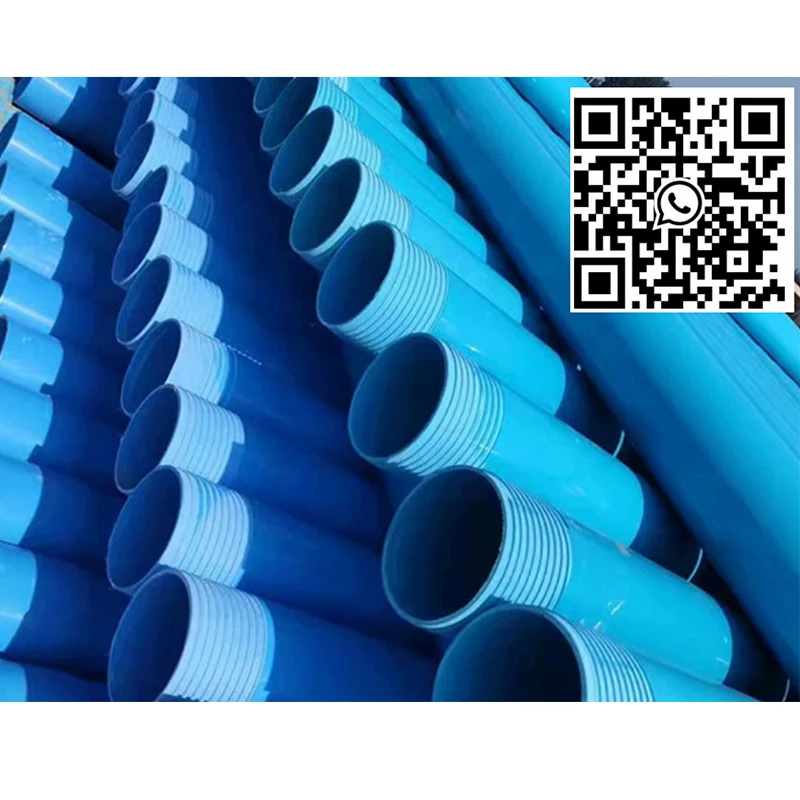
Introduction
The connection of High-Density Polyethylene (HDPE) pipe to Polyvinyl Chloride (PVC) pipe represents a common challenge in fluid transfer systems across diverse industries including irrigation, wastewater management, and potable water distribution. This guide provides an in-depth technical analysis of this connection, addressing material compatibility, installation methodologies, performance considerations, and potential failure modes. The industry faces significant pain points related to ensuring long-term joint integrity, accommodating differential thermal expansion, and maintaining compliance with stringent regulatory standards. Cost-effectiveness, particularly utilizing ‘discount’ HDPE pipe, necessitates careful consideration of connection techniques to avoid compromising system reliability. Successful integration requires understanding the distinct physical and chemical properties of both HDPE and PVC, and mitigating the inherent challenges associated with their dissimilar characteristics. This analysis focuses on providing a comprehensive resource for engineers, procurement managers, and field technicians involved in designing, installing, and maintaining these interconnected piping systems.
Material Science & Manufacturing
HDPE, a thermoplastic polymer, possesses a semi-crystalline structure exhibiting high tensile strength, flexibility, and chemical resistance. Its manufacturing typically involves Ziegler-Natta or metallocene catalysis polymerization of ethylene, resulting in varying molecular weight distributions that impact final material properties. The density of HDPE typically ranges from 0.93 to 0.97 g/cm³, influencing its stiffness and impact resistance. PVC, also a thermoplastic, is produced through the polymerization of vinyl chloride monomer. PVC exists in rigid and flexible formulations, with rigid PVC being commonly utilized in pressure piping. Rigid PVC's higher glass transition temperature (Tg) imparts greater structural rigidity but also increased brittleness.
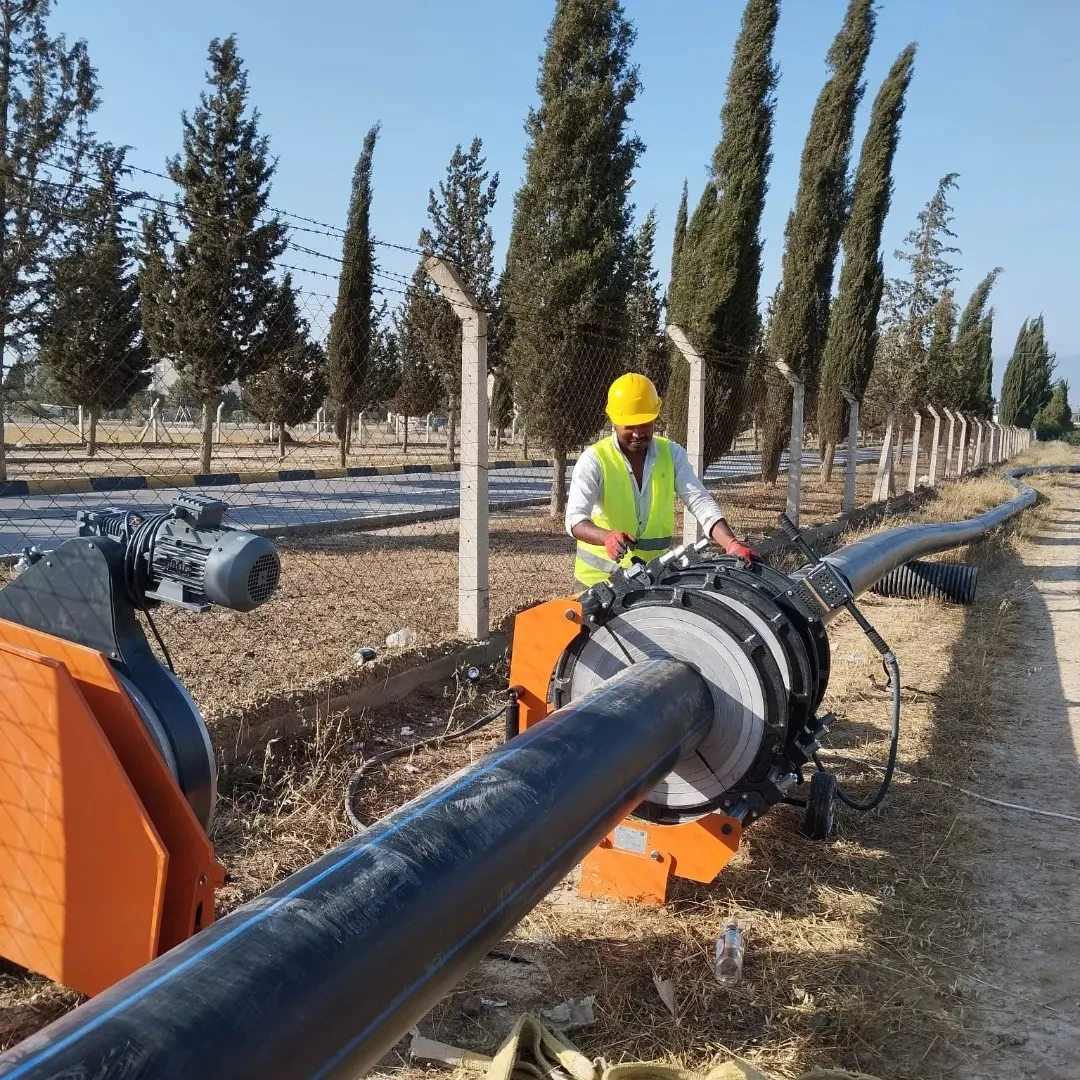
The manufacturing of HDPE pipe commonly employs extrusion processes, where molten HDPE is forced through a die to create seamless pipes. Precise temperature control is critical during extrusion to avoid degradation and ensure consistent wall thickness. PVC pipe manufacturing also utilizes extrusion, often incorporating stabilizers (e.g., tin or calcium-zinc) to prevent thermal degradation during processing. Connection methods require considering the thermal expansion coefficients: HDPE has a significantly higher coefficient (~1.5 x 10⁻⁴ in/in/°F) compared to PVC (~3 x 10⁻⁶ in/in/°F). This differential expansion necessitates flexible coupling designs to accommodate temperature fluctuations and prevent stress cracking. Electrofusion welding is a common method for HDPE pipe joining, creating a homogenous weld bead by heating and fusing the pipe ends. PVC pipe connections typically rely on solvent cementing, which creates a chemical bond between the pipe and fitting surfaces. Proper surface preparation and adhesive application are crucial for achieving a robust solvent-cemented joint. The quality control of both HDPE and PVC pipe manufacturing, including dimensional accuracy and material composition, directly impacts the long-term reliability of the assembled system.
Performance & Engineering
The performance of an HDPE to PVC pipe connection is governed by several key engineering principles. Stress analysis at the interface between the two materials is paramount, considering both internal pressure from the conveyed fluid and external stresses induced by temperature variations and soil loading. The greater flexibility of HDPE means that bending stresses are often lower in the HDPE section, but the PVC section is more susceptible to cracking under stress. The connection must effectively transfer load between the two pipe materials while accommodating differential thermal expansion. Failure to do so can result in joint separation, leakage, or catastrophic failure.
Environmental resistance is another critical performance parameter. Exposure to UV radiation, particularly for HDPE, can lead to degradation and embrittlement. Therefore, HDPE pipe used in exposed applications must be UV stabilized or buried. PVC is also susceptible to degradation from prolonged UV exposure and certain chemical environments. Soil conditions play a role; corrosive soils can accelerate the deterioration of both materials. Compliance requirements are stringent and vary by region. Potable water applications demand materials certified to NSF/ANSI 61, ensuring they do not leach harmful contaminants into the water supply. Wastewater applications require materials resistant to hydrogen sulfide and other corrosive substances. Pressure ratings for the connection must meet or exceed the maximum operating pressure of the system, as defined by standards such as ASTM D1785 (PVC pipe) and ASTM D3261 (HDPE pipe). Appropriate safety factors must be applied to account for surge pressures and other transient conditions. Proper installation techniques, including adequate bedding and backfill, are crucial for minimizing stress on the connection and ensuring long-term performance.
Technical Specifications
| Parameter | HDPE (PE100) | PVC (Schedule 40) | Transition Fitting (Example - Rubber Sleeve w/ Clamps) |
|---|---|---|---|
| Material Density (g/cm³) | 0.951 - 0.965 | 1.40 - 1.43 | Varies (Rubber: ~1.1-1.3, Steel: 7.85) |
| Tensile Strength (MPa) | 34.5 – 48.3 | 55 - 75 | Dependent on materials; Clamp tensile strength > HDPE/PVC |
| Coefficient of Thermal Expansion (in/in/°F) | 1.5 x 10⁻⁴ | 3 x 10⁻⁶ | Composite – primarily governed by HDPE |
| Glass Transition Temperature (°C) | -125 | 80-85 | N/A - Composite Material |
| Operating Temperature Range (°C) | -50 to 60 | 0 to 60 | -30 to 60 (Rubber sleeve limitation) |
| Pressure Rating (psi) – Dependent on Size/Schedule | Varies; up to 250 | Varies; up to 400 | Dependent on fitting rating; typically matches lower of the two pipes. |
Failure Mode & Maintenance
Common failure modes in HDPE to PVC pipe connections include joint separation due to differential thermal expansion, cracking of the PVC section under stress, leakage at solvent-cemented joints (PVC), and failure of the transition fitting itself. Fatigue cracking can occur in the PVC section due to repeated stress cycles, particularly in applications with pressure fluctuations. Delamination can occur within rubber sleeve couplings if the adhesive bond fails or the rubber degrades. Oxidation of the HDPE pipe can occur in applications with prolonged exposure to UV radiation, leading to brittleness and cracking.
Preventative maintenance involves regular visual inspections for leaks, cracks, and signs of deterioration. Monitoring system pressure and temperature can help identify potential issues before they escalate. For solvent-cemented joints, ensuring adequate ventilation during initial installation is critical to avoid solvent fumes. For rubber sleeve couplings, periodic tightening of the clamps is recommended to maintain a secure seal. If cracking is observed in the PVC section, replacement of the affected pipe and fitting is necessary. For HDPE pipe, protecting it from UV exposure with coatings or burial is essential. Periodic soil testing around buried pipes can identify corrosive environments and inform preventative measures. Consider utilizing corrosion inhibitors if necessary. Record-keeping of maintenance activities and inspections is crucial for tracking the long-term performance of the system and identifying recurring issues.
Industry FAQ
Q: What are the key considerations when selecting a transition fitting for connecting HDPE and PVC pipe?
A: The primary considerations are accommodating differential thermal expansion, ensuring adequate pressure rating, and compatibility with the conveyed fluid. Rubber sleeve couplings with multiple clamping points are a common choice, offering flexibility and a robust seal. Flanged connections with appropriate gaskets can also be used, but they are generally more expensive and require precise alignment. The fitting material must be chemically compatible with both HDPE and PVC, as well as the fluid being transported. Cost is a factor, but should not compromise long-term reliability.
Q: How does the difference in thermal expansion coefficients impact the long-term performance of the connection?
A: The significantly higher thermal expansion coefficient of HDPE means that it will expand and contract more than PVC with changes in temperature. If the connection is rigid, this differential expansion can induce stresses that lead to joint separation, cracking, or failure of the transition fitting. Flexible couplings are essential to absorb these stresses and maintain the integrity of the connection over time.
Q: What are the potential consequences of improper solvent cementing of the PVC side of the connection?
A: Improper solvent cementing can result in a weak joint that is prone to leakage or catastrophic failure. Common causes of failure include inadequate surface preparation (e.g., insufficient cleaning or priming), insufficient adhesive application, or curing the joint in unfavorable conditions (e.g., low temperature or high humidity).
Q: Can HDPE and PVC pipe be directly buried together without special considerations?
A: While direct burial is possible, it’s critical to ensure adequate bedding and backfill material to provide support and prevent stress on the connection. Corrosive soils can accelerate the deterioration of both materials, so protective coatings or cathodic protection may be necessary. Consider using warning tape above the pipes to prevent accidental damage during future excavation.
Q: What is the role of pressure testing in verifying the integrity of an HDPE to PVC connection?
A: Pressure testing is a critical step in verifying the integrity of the connection. The system should be pressurized to at least 1.5 times its maximum operating pressure and held for a specified period to detect any leaks. Visual inspection of the connection for any signs of deformation or stress is also important during pressure testing.
Conclusion
Successfully connecting discount HDPE pipe to PVC pipe demands a thorough understanding of the inherent material differences and potential failure modes. The significant disparity in thermal expansion coefficients presents a primary challenge, necessitating the use of flexible transition fittings designed to accommodate movement without compromising joint integrity. Careful attention to manufacturing processes, installation techniques, and ongoing maintenance are essential for ensuring long-term system reliability and minimizing the risk of costly failures. The selection of appropriate materials, based on application-specific requirements, and adherence to relevant industry standards are paramount for achieving a robust and durable connection.
Future developments may focus on innovative transition fitting designs utilizing advanced polymers and sealing technologies to further enhance performance and reduce maintenance requirements. The integration of smart monitoring systems capable of detecting stress, temperature fluctuations, and potential leaks will likely become increasingly prevalent, enabling proactive maintenance and preventing catastrophic failures. Continued research into material compatibility and degradation mechanisms will be crucial for optimizing the long-term performance of these interconnected piping systems.
-
DN25 HDPE Compression Fitting-HORON INTERNATIONAL|Reliable Irrigation Solutions
NewsFeb.11,2026
-
hdpe coupling joint product Manufacturing Analysis
News2026-11-18
-
ppr pipe heating time products Performance Analysis
News2026-11-16
-
hdpe pipe sizes factory Performance Analysis
News2026-11-09
-
HDPE Pipe Sizes Service Performance Analysis
News2026-10-26
-
wholesale 15mm ppr pipe Material Science and Performance Analysis
News2026-10-20
-
wholesale pvc pipe price per foot Technical Analysis
News2026-09-21
-
wholesale long pvc pipe Technical Analysis and Manufacturing Specifications
News2026-09-15
-
wholesale plumbing kitchen sink water lines Material Performance
News2026-09-15
-
wholesale hdpe drip irrigation Material Science
News2026-09-15
-
wholesale hot water ppr pipe Performance Analysis
News2026-09-15
-
wholesale ppr plumbing Performance Analysis
News2026-09-15
-
wholesale ppr pipe supplier Performance Analysis
News2026-09-13
-
wholesale 50mm ppr pipe Performance Analysis
News2026-09-13
-
wholesale hdpe drip pipe Performance Analysis
News2026-09-13
-
wholesale hdpe pipe 63mm price Manufacturing Specification and Performance Analysis
News2026-09-13