

Feb . 11, 2026 00:01 Back to list
discount hdpe pipe list Technical Analysis
Introduction
High-Density Polyethylene (HDPE) pipe represents a significant advancement in fluid transfer systems across diverse industries, including municipal water distribution, oil and gas, mining, and irrigation. Discount HDPE pipe lists offer cost-effective solutions without compromising essential performance characteristics. This guide provides an in-depth technical analysis of HDPE pipe, encompassing material science, manufacturing processes, performance specifications, failure modes, and relevant industry standards. HDPE’s inherent properties – flexibility, corrosion resistance, and weldability – position it as a superior alternative to traditional materials like ductile iron, steel, and PVC in numerous applications. The rise in demand for reliable, long-lasting, and easily installed piping solutions has driven the proliferation of HDPE, and understanding its nuances is crucial for effective procurement and implementation. This document aims to equip engineers, procurement managers, and technical professionals with the knowledge necessary to make informed decisions regarding HDPE pipe selection, installation, and maintenance.
Material Science & Manufacturing
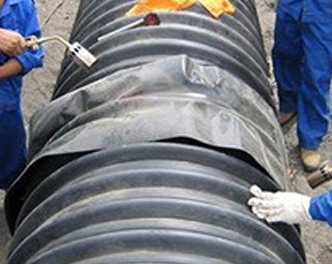
HDPE is a thermoplastic polymer produced from the polymerization of ethylene. Its high density (typically between 0.93 to 0.97 g/cm³) results in a material with excellent tensile strength, rigidity, and chemical resistance. The raw material, polyethylene resin, is commonly sourced from naphtha or natural gas. Different grades of HDPE exist, categorized by molecular weight and density, influencing pipe properties. Manufacturing processes for HDPE pipe primarily include extrusion. The resin is melted and forced through a die, forming a continuous pipe shape. Key parameters during extrusion are temperature control (melt temperature between 180-210°C), screw speed, and die pressure. Precise control of these parameters is critical to ensure uniform wall thickness, consistent diameter, and smooth inner and outer surfaces. Post-extrusion processes involve cooling the pipe in a water bath, printing markings (size, standard, manufacturer), and cutting to desired lengths. For larger diameter pipes, a helical extrusion process is often employed. Butt fusion welding is the standard method for joining HDPE pipe segments, requiring controlled temperature and pressure to create a homogenous weld. Socket fusion welding is utilized for smaller diameter pipes. The polyethylene used in HDPE piping must conform to stringent quality standards like PE 100, PE 80, and PE 63, denoting minimum requirements for long-term hydrostatic strength. The addition of carbon black provides UV resistance, extending the pipe’s lifespan in exposed applications.
Performance & Engineering
HDPE pipe’s performance characteristics are dictated by its inherent material properties and engineering design. The pipe’s ability to withstand internal pressure is a primary consideration. This is assessed through hydrostatic pressure testing, adhering to standards like ASTM D1597. The long-term hydrostatic strength (LTS) is a crucial parameter, indicating the pipe’s ability to withstand sustained pressure over a 50-year service life. The pipe's flexibility allows for bending and conforming to ground contours, reducing the need for fittings and minimizing stress concentrations. This flexibility is quantified by the minimum bending radius, typically specified as 2.5 times the pipe’s outside diameter. HDPE exhibits excellent resistance to chemical attack, making it suitable for transporting a wide range of fluids, including corrosive substances. However, compatibility must be verified for specific chemicals. Environmental resistance is another key performance factor. While HDPE is inherently resistant to many environmental factors, prolonged exposure to UV radiation can cause degradation. The addition of carbon black mitigates this effect. Soil loading and burial depth also impact performance. The pipe must be designed to withstand external loads from soil overburden, traffic, and other sources. Finite Element Analysis (FEA) is often employed to model stress distributions and ensure structural integrity. For trenchless installation methods like horizontal directional drilling (HDD), the pipe’s pull force resistance and ability to withstand bending stresses during installation are critical engineering considerations.
Technical Specifications
| Parameter | Unit | PE 100 | PE 80 |
|---|---|---|---|
| Density | g/cm³ | 0.95 - 0.98 | 0.92 - 0.95 |
| Minimum Burst Pressure | MPa | 12.6 | 10.0 |
| Long-Term Hydrostatic Strength (50yr) | MPa | 8.0 | 6.3 |
| Flexural Modulus | MPa | 700-900 | 550-750 |
| Rockwell Hardness | - | R100-R120 | R80-R100 |
| Service Temperature Range | °C | -40 to +60 | -40 to +60 |
Failure Mode & Maintenance
HDPE pipe, while durable, is susceptible to specific failure modes. Slow Crack Growth (SCG) is a primary concern, often initiated by stress concentrations around imperfections or notches in the pipe wall, exacerbated by sustained tensile stress and exposure to certain chemicals. Third-Party Damage (TPD) from excavation activities is another frequent cause of failure. Fatigue cracking can occur under cyclic loading conditions, such as those encountered in pump stations or areas with ground movement. UV degradation, if not adequately addressed by carbon black content, can lead to embrittlement and cracking. Joint failures are common, often resulting from improper welding procedures or inadequate fusion. Corrosion is not a significant issue for HDPE itself; however, galvanic corrosion can occur if HDPE is connected to dissimilar metals without proper isolation. Maintenance primarily focuses on preventative measures. Regular inspections for signs of SCG, TPD, or UV degradation are crucial. Depth of cover should be maintained to protect the pipe from external loads and UV exposure. Welding procedures must be rigorously followed and qualified welders employed. Pressure testing should be conducted periodically to identify leaks. For repairs, compatible HDPE fittings and welding techniques must be used. Cathodic protection may be necessary when connecting HDPE to metallic components. Records of pipe installation, welding procedures, and inspection results should be maintained for future reference.
Industry FAQ
Q: What is the impact of different polyethylene resin grades (PE 100, PE 80) on the long-term performance of HDPE pipe?
A: Higher resin grades, like PE 100, offer superior long-term hydrostatic strength and resistance to slow crack growth compared to PE 80. PE 100 pipes can withstand higher sustained pressures over their service life, making them suitable for more demanding applications. While PE 80 offers a cost-effective alternative, it's crucial to ensure the design pressure remains within its limitations.
Q: How does soil corrosivity affect HDPE pipe selection and installation?
A: HDPE itself is inherently corrosion-resistant. However, highly corrosive soils can impact surrounding metallic components, such as valves or fittings, creating potential galvanic corrosion issues. Proper isolation techniques, such as dielectric unions, are essential to prevent corrosion. The soil's pH and resistivity should be assessed to determine the appropriate protective measures.
Q: What are the key considerations for welding HDPE pipe to ensure a reliable joint?
A: Maintaining precise temperature and pressure control during butt fusion or socket fusion welding is paramount. Proper surface preparation, including cleaning and removing contaminants, is crucial. Welding parameters must be adjusted based on pipe size, resin grade, and ambient temperature. Qualified welders and appropriate welding equipment are essential. Post-weld cooling must be controlled to prevent stress concentrations.
Q: What is the maximum allowable burial depth for HDPE pipe, and what factors influence this limit?
A: Maximum allowable burial depth depends on pipe diameter, wall thickness, soil conditions, and external loading. Typically, depths up to 6 meters are common, but detailed engineering calculations are required to ensure adequate structural integrity. Soil bearing capacity, traffic loads, and the presence of groundwater must be considered.
Q: How does UV exposure affect HDPE pipe, and what mitigation strategies are effective?
A: Prolonged UV exposure can cause HDPE to become brittle and susceptible to cracking. The addition of carbon black to the polyethylene resin provides significant UV resistance. However, for exposed applications, additional protection, such as protective coatings or burial, may be necessary. The amount of carbon black should be sufficient for the intended exposure conditions.
Conclusion
HDPE pipe represents a robust and versatile solution for a broad spectrum of fluid conveyance applications. Its inherent properties – corrosion resistance, flexibility, and weldability – combined with its cost-effectiveness, position it as a compelling alternative to traditional materials. However, successful implementation requires a thorough understanding of material science, manufacturing processes, and potential failure modes. Proper design, installation, and maintenance practices are critical to ensuring long-term performance and reliability.
The ongoing development of HDPE resin technologies and welding techniques promises further advancements in pipe performance and durability. Future trends include the use of enhanced carbon black formulations for improved UV resistance, the integration of smart sensors for leak detection and pipeline monitoring, and the development of more sustainable HDPE production processes. By adhering to established industry standards and best practices, engineers and procurement professionals can maximize the benefits of HDPE pipe and contribute to the construction of resilient and efficient infrastructure.
-
DN25 HDPE Compression Fitting-HORON INTERNATIONAL|Reliable Irrigation Solutions
NewsFeb.11,2026
-
hdpe coupling joint product Manufacturing Analysis
News2026-11-18
-
ppr pipe heating time products Performance Analysis
News2026-11-16
-
hdpe pipe sizes factory Performance Analysis
News2026-11-09
-
HDPE Pipe Sizes Service Performance Analysis
News2026-10-26
-
wholesale 15mm ppr pipe Material Science and Performance Analysis
News2026-10-20
-
wholesale pvc pipe price per foot Technical Analysis
News2026-09-21
-
wholesale long pvc pipe Technical Analysis and Manufacturing Specifications
News2026-09-15
-
wholesale plumbing kitchen sink water lines Material Performance
News2026-09-15
-
wholesale hdpe drip irrigation Material Science
News2026-09-15
-
wholesale hot water ppr pipe Performance Analysis
News2026-09-15
-
wholesale ppr plumbing Performance Analysis
News2026-09-15
-
wholesale ppr pipe supplier Performance Analysis
News2026-09-13
-
wholesale 50mm ppr pipe Performance Analysis
News2026-09-13
-
wholesale hdpe drip pipe Performance Analysis
News2026-09-13
-
wholesale hdpe pipe 63mm price Manufacturing Specification and Performance Analysis
News2026-09-13