

Feb . 11, 2026 00:01 Back to list
discount hdpe pipe for water supply specifications Performance Analysis

Introduction
High-Density Polyethylene (HDPE) pipe has become a cornerstone material in modern water supply infrastructure, offering a compelling balance of cost-effectiveness, durability, and ease of installation. This technical guide details the specifications for discount HDPE pipe intended for water supply applications. HDPE pipe, categorized under thermoplastic piping systems, differs significantly from traditional materials like ductile iron, PVC, and concrete due to its inherent flexibility, corrosion resistance, and lower weight. Its position in the industry chain involves polymerization of ethylene into HDPE resin, extrusion into pipe form, and subsequent joining via techniques such as butt fusion, electrofusion, or mechanical fittings. Core performance characteristics include pressure handling capability, leak-free joints, and long-term hydraulic efficiency. The focus on 'discount' HDPE necessitates a thorough understanding of material grade compromises and their impact on long-term performance, a crucial consideration for procurement managers and engineers alike. This guide will comprehensively cover material science, manufacturing processes, performance parameters, potential failure modes, and relevant industry standards.
Material Science & Manufacturing
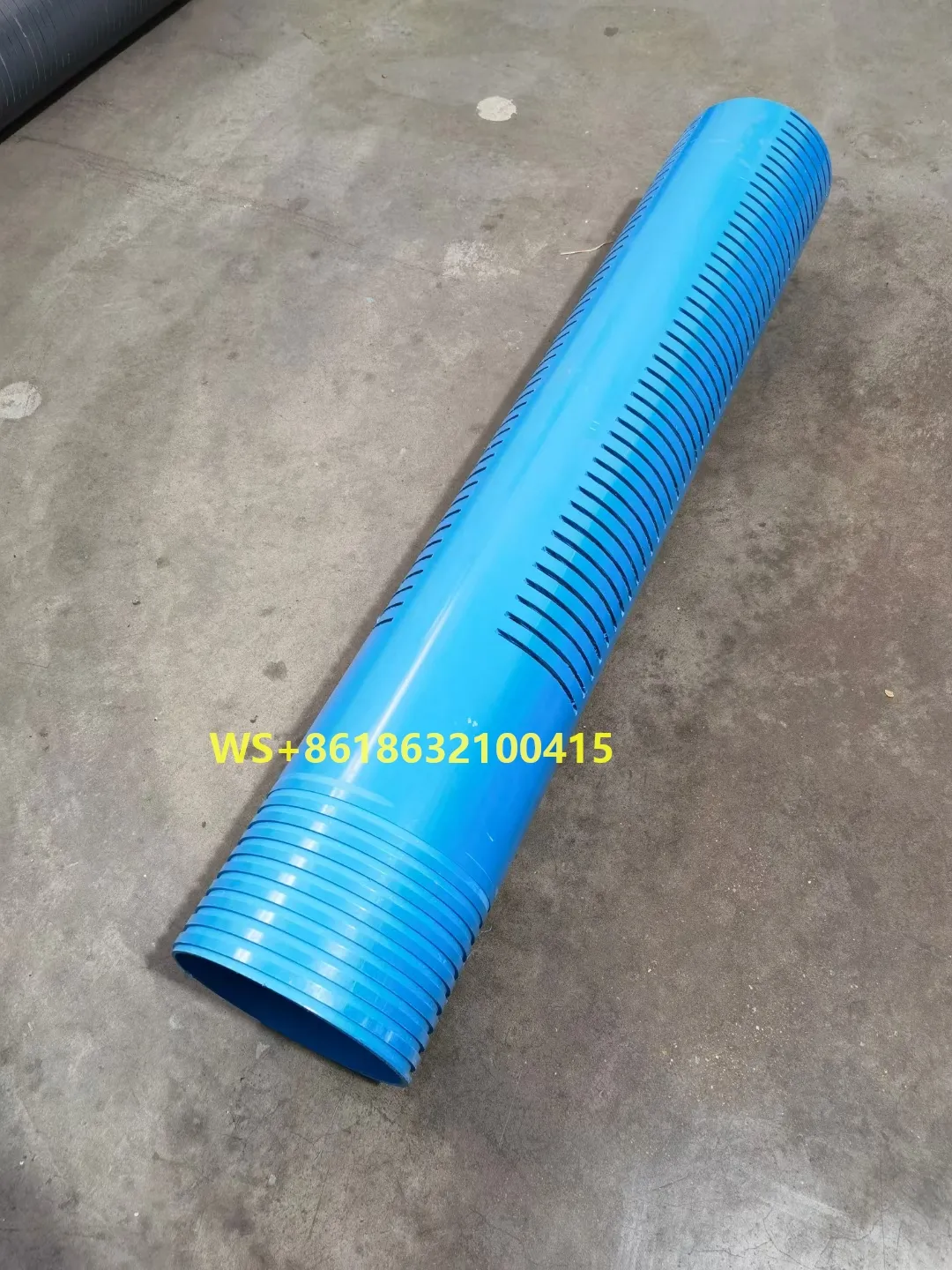
The foundation of HDPE pipe performance lies in the properties of the polyethylene resin itself. The primary raw material is ethylene, a hydrocarbon gas derived from natural gas or petroleum. Through polymerization, ethylene molecules are linked to form long chains, creating HDPE. The density of HDPE, typically ranging from 0.93 to 0.97 g/cm³, dictates its mechanical properties. Higher density generally correlates with increased tensile strength and rigidity. PE100 is the most common grade specified for pressure pipes, indicating a minimum required strength (MRS) of 10 MPa. Other grades, like PE80, offer lower strength and cost, and may be used in non-pressure applications. Manufacturing typically involves extrusion. HDPE resin is melted and forced through a die to create the pipe's shape. Key parameters include extrusion temperature (typically 180-210°C), die pressure, and cooling rate. Precise control of these parameters is vital to achieve consistent wall thickness and prevent material degradation. Post-extrusion, pipes are typically marked with critical information including the manufacturer, date of manufacture, material grade (e.g., PE100), pipe size, and pressure rating (PN). Jointing methods, specifically butt fusion, rely on controlled heating of both pipe ends and forcing them together under pressure to create a homogenous weld. Electrofusion utilizes an integrated heating element within a fitting to melt the pipe and fitting surfaces. The quality of the weld is paramount, and requires skilled operators and adherence to stringent welding procedures.
Performance & Engineering
The performance of HDPE pipe in water supply applications is governed by several critical engineering considerations. Hydrostatic pressure testing is a standard procedure to verify the pipe’s ability to withstand operating pressures. Testing is typically conducted at 1.5 times the design pressure for a specified duration. Force analysis considers both internal pressure and external loads, such as soil loading and traffic loads (for buried pipes). The flexibility of HDPE allows it to accommodate ground movement and seismic activity, reducing the risk of cracking or failure. Chemical resistance is a key advantage; HDPE is largely inert to most chemicals found in potable water, eliminating corrosion concerns. However, prolonged exposure to certain organic solvents can cause swelling and degradation. Environmental resistance encompasses UV degradation and thermal expansion/contraction. UV stabilizers are typically incorporated into the HDPE resin to mitigate UV damage. Thermal expansion needs to be accounted for in long pipeline runs through the use of expansion loops or flexible joints. Compliance requirements mandate adherence to standards set by organizations like AWWA (American Water Works Association) and NSF International (National Sanitation Foundation) for potable water applications. Specifically, NSF/ANSI 61 certification ensures the pipe material doesn't leach harmful contaminants into the water. Stress cracking, caused by the combined effects of stress and exposure to certain chemicals, is a potential failure mechanism requiring careful material selection and operating parameter control.
Technical Specifications
| Parameter | Unit | Typical Value (PE100) | Test Standard |
|---|---|---|---|
| Material | - | High-Density Polyethylene (PE100) | ISO 4437 |
| Minimum Required Strength (MRS) | MPa | 10.0 | ISO 1167 |
| Hydrostatic Design Pressure (HDP) | MPa | 1.6 | ISO 1167 |
| Outside Diameter | mm | 20 - 630 | ISO 4437 |
| Wall Thickness | mm | 2.3 - 31.5 (varies with PN) | ISO 4437 |
| Density | g/cm³ | 0.93 – 0.97 | ISO 1183 |
Failure Mode & Maintenance
HDPE pipe, while durable, is susceptible to specific failure modes. Slow Crack Growth (SCG) is a common issue, particularly in lower-grade materials or when exposed to sustained tensile stress and aggressive chemicals. This manifests as brittle cracks propagating slowly over time. Fatigue cracking can occur due to cyclical pressure fluctuations or ground movement. Oxidation, caused by exposure to high temperatures and oxygen, can degrade the polymer structure, reducing its mechanical properties. UV degradation, if stabilizers are insufficient, leads to surface embrittlement and cracking. Joint failures are frequently attributed to improper welding procedures (insufficient heating, inadequate pressure, or contamination). Maintenance primarily focuses on preventative measures. Regular inspections of exposed pipe sections can identify UV damage or physical impacts. For buried pipelines, cathodic protection may be required in corrosive soil environments to prevent corrosion of metallic fittings or accessories. Leak detection surveys using acoustic methods or tracer gases can identify hidden leaks. When repairs are necessary, electrofusion welding is often preferred for its ease of use and consistent weld quality. However, it's critical to replace damaged sections with compatible HDPE pipe and fittings of the same material grade and pressure rating. Proper backfilling and compaction are crucial to prevent stress on the pipe during operation.
Industry FAQ
Q: What is the impact of using PE80 instead of PE100 in a water supply pipeline, and how does this affect the long-term reliability?
A: Utilizing PE80 instead of PE100 results in a lower Minimum Required Strength (MRS) and consequently a lower Hydrostatic Design Pressure (HDP). While initially more cost-effective, PE80 pipes have a reduced safety factor and a higher susceptibility to SCG. This translates to a shorter lifespan and an increased risk of failure, particularly under high-stress conditions or with aggressive water chemistries. Long-term reliability is demonstrably compromised with PE80, necessitating more frequent inspections and potential replacements.
Q: How does soil corrosivity affect HDPE pipe, and what mitigation strategies are recommended?
A: HDPE itself is corrosion-resistant, but the surrounding soil can induce corrosion in metallic fittings, valves, or accessories connected to the pipe. Corrosive soils, high in chlorides or sulfates, accelerate this process. Mitigation involves using corrosion-resistant alloys for fittings, applying protective coatings (epoxy or polyethylene), and implementing cathodic protection systems to create an electrochemical barrier. Regular soil testing is crucial to assess corrosivity levels.
Q: What are the key quality control measures during butt fusion welding to ensure a leak-free joint?
A: Key quality control measures include verifying the cleanliness of the pipe ends, ensuring proper heating and fusion times based on pipe diameter and material grade, maintaining consistent fusion pressure, and conducting visual inspections for weld bead uniformity. Non-destructive testing methods, such as ultrasonic testing, can identify internal weld defects. A qualified and certified welder is essential.
Q: What is the acceptable level of ovality in HDPE pipe, and how does it impact hydraulic performance?
A: Acceptable ovality is typically specified as a percentage of the outside diameter, commonly less than 5%. Excessive ovality reduces the internal cross-sectional area, increasing flow velocity and friction losses, thus reducing hydraulic performance. It can also create turbulence and increase the risk of sedimentation. Ovality is generally checked during receiving inspection and after installation.
Q: How does temperature affect the performance of HDPE pipe during installation and operation?
A: HDPE exhibits thermal expansion and contraction. Installation should avoid excessive tensile stress caused by temperature fluctuations. Low temperatures can increase brittleness, while high temperatures can reduce strength. Operating temperatures should remain within the pipe's specified limits. Proper allowance for thermal movement must be made in the pipeline design to prevent stress on joints and fittings.
Conclusion
Discount HDPE pipe presents a viable and cost-effective solution for water supply infrastructure when specifications are carefully considered. The material's inherent advantages—corrosion resistance, flexibility, and ease of installation—are tempered by potential drawbacks related to material grade compromises and proper installation practices. A thorough understanding of the polymer science, manufacturing processes, and engineering principles outlined in this guide is paramount to ensure long-term performance and reliability.
Future advancements in HDPE technology focus on developing enhanced stabilization packages to improve UV resistance and SCG performance, as well as incorporating smart monitoring systems for early leak detection. Continued adherence to rigorous quality control standards and proper installation procedures will remain critical for maximizing the lifespan and minimizing the life-cycle cost of HDPE water supply pipelines.
-
DN25 HDPE Compression Fitting-HORON INTERNATIONAL|Reliable Irrigation Solutions
NewsFeb.11,2026
-
hdpe coupling joint product Manufacturing Analysis
News2026-11-18
-
ppr pipe heating time products Performance Analysis
News2026-11-16
-
hdpe pipe sizes factory Performance Analysis
News2026-11-09
-
HDPE Pipe Sizes Service Performance Analysis
News2026-10-26
-
wholesale 15mm ppr pipe Material Science and Performance Analysis
News2026-10-20
-
wholesale pvc pipe price per foot Technical Analysis
News2026-09-21
-
wholesale long pvc pipe Technical Analysis and Manufacturing Specifications
News2026-09-15
-
wholesale plumbing kitchen sink water lines Material Performance
News2026-09-15
-
wholesale hdpe drip irrigation Material Science
News2026-09-15
-
wholesale hot water ppr pipe Performance Analysis
News2026-09-15
-
wholesale ppr plumbing Performance Analysis
News2026-09-15
-
wholesale ppr pipe supplier Performance Analysis
News2026-09-13
-
wholesale 50mm ppr pipe Performance Analysis
News2026-09-13
-
wholesale hdpe drip pipe Performance Analysis
News2026-09-13
-
wholesale hdpe pipe 63mm price Manufacturing Specification and Performance Analysis
News2026-09-13