

Feb . 11, 2026 00:01 Back to list
discount hdpe pipe for sale Performance Analysis
Introduction
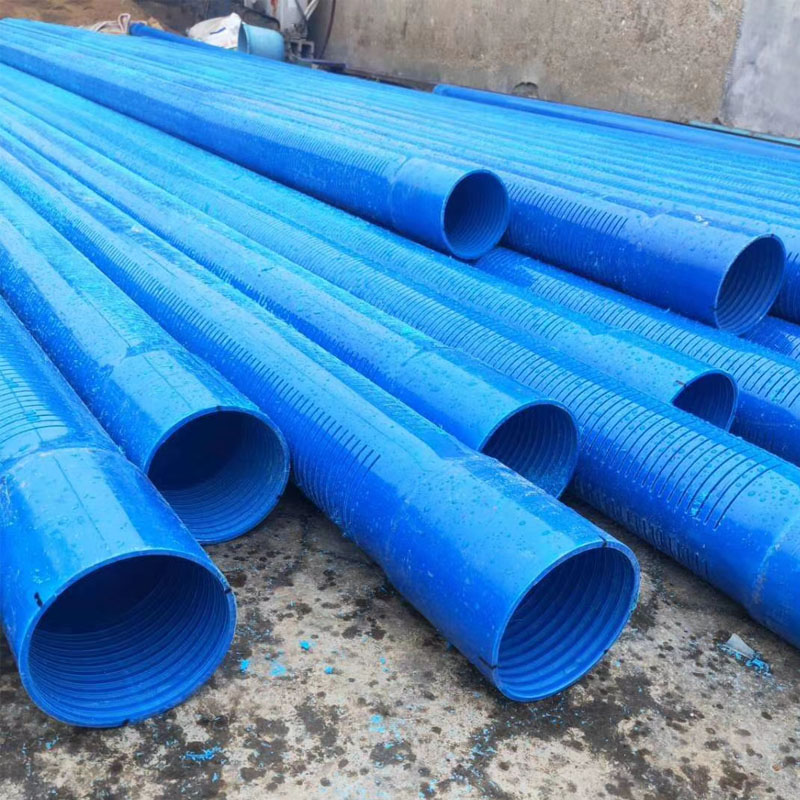
High-Density Polyethylene (HDPE) pipe represents a significant advancement in fluid transfer infrastructure across diverse industries, including municipal water distribution, irrigation, oil and gas, and industrial processing. Discount HDPE pipe for sale refers to competitively priced options offering the core benefits of HDPE – durability, chemical resistance, and ease of installation – without compromising adherence to relevant industry standards. Positioned within the pipeline material supply chain between raw polyethylene resin producers and end-user project installations, HDPE pipe competes with materials like PVC, ductile iron, and steel. Its primary performance characteristics revolve around its pressure-bearing capacity, long-term hydraulic performance, and resistance to environmental stress cracking. The growing demand for cost-effective, reliable pipeline solutions drives the market for discount HDPE pipe, necessitating a comprehensive understanding of its material science, manufacturing processes, and potential limitations.
Material Science & Manufacturing
HDPE pipe derives its properties from the polymerization of ethylene, resulting in a thermoplastic with a high degree of linearity. The raw material, typically a resin grade meeting ASTM D3350, possesses a density between 0.931 and 0.965 g/cm³. Key physical properties include a tensile strength ranging from 20-30 MPa, a flexural modulus of 700-1200 MPa, and a relatively low coefficient of friction. Manufacturing commonly employs extrusion techniques. The process begins with HDPE resin pellets being fed into a heated extruder barrel, where they melt and are forced through a die to form a continuous pipe. Critical parameters during extrusion include barrel temperature profiles (typically ranging from 180-240°C), die pressure (maintained for dimensional accuracy), and cooling rates (controlled to prevent deformation). Pipe dimensions (diameter and wall thickness) are controlled by the die geometry and haul-off speed. For larger diameter pipes, co-extrusion may be used to create a multi-layer structure enhancing performance. Post-extrusion processes involve marking (identifying the manufacturer, size, SDR, and material grade), cutting to length, and quality control checks including hydrostatic pressure testing (ASTM D1597) and dimensional verification. The grade of PE used (PE3408, PE4710, or PE100) will determine the pipeline’s pressure rating and long-term performance.
Performance & Engineering
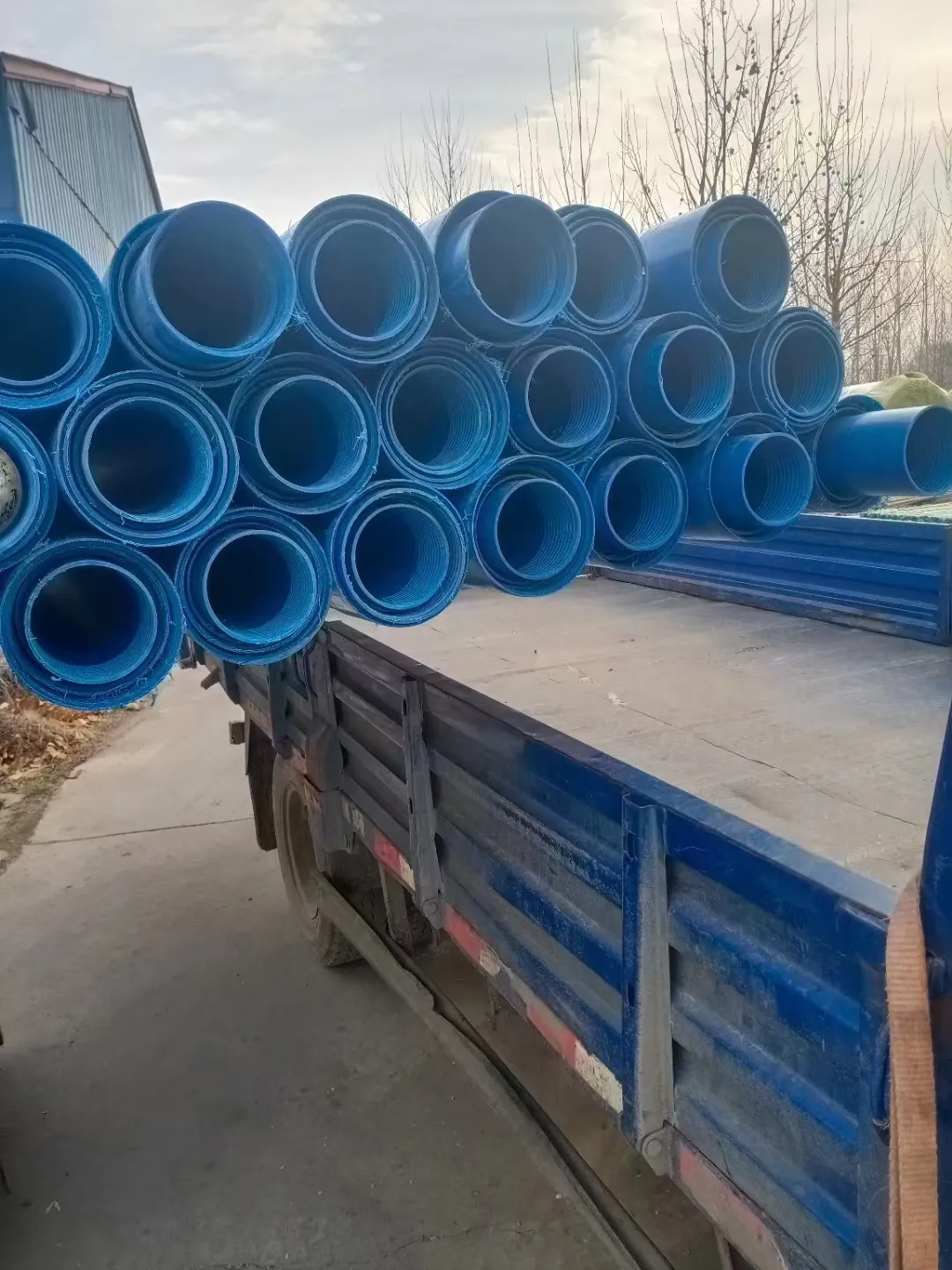
The performance of HDPE pipe is dictated by several engineering considerations. Firstly, hydrostatic design stress (HDS) is a crucial parameter, calculated based on the pipe's minimum yield strength, a design factor (dependent on application and risk assessment), and the service temperature. The SDR (Standard Dimension Ratio – ratio of pipe diameter to wall thickness) directly impacts the HDS and thus the maximum allowable operating pressure. Secondly, environmental factors such as soil corrosivity and UV exposure must be accounted for. While HDPE is inherently corrosion-resistant, prolonged exposure to aggressive chemicals can lead to stress cracking. UV degradation can be mitigated through the addition of carbon black or UV stabilizers to the resin. Thirdly, installation practices significantly affect long-term performance. Proper bedding and backfill support are essential to prevent pipe deformation and stress concentrations. Jointing methods, including butt fusion (ASTM D3261), socket fusion (ASTM D2608), and electrofusion, must be executed correctly to ensure leak-proof seals. Finite Element Analysis (FEA) is often employed in complex installations to model stress distributions and optimize pipeline design. Long-term creep resistance is a key performance indicator, evaluated through accelerated aging tests.
Technical Specifications
| Parameter | Units | PE3408 | PE4710 |
|---|---|---|---|
| Minimum Yield Strength | MPa | 8.0 | 10.0 |
| Hydrostatic Design Stress (HDS) | MPa | 4.2 | 5.0 |
| Long-Term Hydrostatic Strength (50 years, 20°C) | MPa | 2.8 | 3.3 |
| Density | g/cm³ | 0.931 - 0.941 | 0.941 - 0.953 |
| SDR (Standard Dimension Ratio) | - | 6.3 - 18 | 6.3 - 18 |
| Operating Temperature Range | °C | -40 to +60 | -40 to +60 |
Failure Mode & Maintenance
HDPE pipe, while durable, is susceptible to several failure modes. Slow Crack Growth (SCG), or Environmental Stress Cracking (ESC), is a primary concern, triggered by sustained tensile stress in the presence of aggressive chemicals. Fatigue cracking can occur under cyclic pressure loading, particularly at joints or areas of stress concentration. Oxidation, especially at elevated temperatures, can lead to embrittlement and reduced mechanical properties. Delamination can occur in multi-layer pipes if the bonding between layers is compromised. UV degradation causes surface cracking and loss of impact strength. Maintenance strategies include regular visual inspections for cracks, leaks, or deformation. Hydrostatic testing can be performed periodically to assess the pipe’s pressure-bearing capacity. Soil analysis around the pipeline can identify potential corrosive environments. Proper jointing procedures and the use of appropriate backfill materials are crucial preventative measures. In cases of SCG, identifying and eliminating the source of stress and/or the aggressive chemical is paramount. Repair options include cut and replacement, or the use of specialized repair sleeves and couplings. Grounding is essential to prevent stray current corrosion in areas with electrical infrastructure.
Industry FAQ
Q: What is the impact of varying soil conditions on the long-term performance of HDPE pipe?
A: Soil conditions significantly influence HDPE pipe performance. Highly corrosive soils can accelerate SCG, particularly if the pipe lacks adequate protection. Poorly compacted backfill can lead to uneven load distribution and increased stress concentrations. Adequate bedding and backfill, conforming to industry best practices (ASTM F850), are crucial. Geotextile wrapping can provide an additional barrier against corrosive soils.
Q: How does the choice of jointing method affect the pipeline’s overall reliability?
A: Jointing methods are critical. Butt fusion generally provides the highest strength and leak-proof performance when properly executed. Socket fusion is suitable for smaller diameters but requires careful attention to temperature and insertion depth. Electrofusion offers controlled heating and cooling but is more expensive. Improperly executed joints are a common point of failure, leading to leaks and reduced pressure capacity.
Q: What are the limitations of HDPE pipe compared to alternative materials like ductile iron?
A: HDPE has a lower modulus of elasticity than ductile iron, meaning it is more susceptible to deformation under load. Ductile iron offers higher tensile strength and is more resistant to impact damage. HDPE is also more vulnerable to creep under sustained pressure, although this is mitigated by appropriate design factors and material selection.
Q: What quality control measures should be implemented during HDPE pipe installation to ensure long-term integrity?
A: Rigorous quality control is essential. This includes visual inspection of the pipe for damage, verification of pipe dimensions, proper joint fusion procedures (documented and traceable), hydrostatic testing of the completed pipeline, and appropriate backfill compaction testing. Maintaining detailed records of all installation activities is crucial.
Q: Can HDPE pipe be used in high-temperature applications, and what considerations apply?
A: HDPE's operating temperature range is limited. While it can withstand temperatures up to 60°C, prolonged exposure to higher temperatures can lead to softening and reduced mechanical properties. For elevated temperatures, specialized HDPE formulations with higher heat distortion temperatures or alternative materials should be considered.
Conclusion
Discount HDPE pipe for sale represents a compelling option for a wide range of fluid transfer applications, offering a balance of cost-effectiveness, durability, and ease of installation. A thorough understanding of the material’s properties, manufacturing processes, and potential failure modes is crucial for ensuring long-term performance and reliability. Proper design, installation, and maintenance practices are paramount to mitigating risks associated with environmental stress cracking, fatigue, and other degradation mechanisms.
The continued development of advanced HDPE resin formulations and improved jointing technologies will further enhance the performance and expand the application scope of HDPE pipe. Future trends include the increased use of recycled HDPE materials and the integration of smart sensors for pipeline monitoring and leak detection. Adherence to relevant international standards, coupled with a commitment to quality control throughout the pipeline lifecycle, will solidify HDPE’s position as a leading material in fluid transport infrastructure.
-
DN25 HDPE Compression Fitting-HORON INTERNATIONAL|Reliable Irrigation Solutions
NewsFeb.11,2026
-
hdpe coupling joint product Manufacturing Analysis
News2026-11-18
-
ppr pipe heating time products Performance Analysis
News2026-11-16
-
hdpe pipe sizes factory Performance Analysis
News2026-11-09
-
HDPE Pipe Sizes Service Performance Analysis
News2026-10-26
-
wholesale 15mm ppr pipe Material Science and Performance Analysis
News2026-10-20
-
wholesale pvc pipe price per foot Technical Analysis
News2026-09-21
-
wholesale long pvc pipe Technical Analysis and Manufacturing Specifications
News2026-09-15
-
wholesale plumbing kitchen sink water lines Material Performance
News2026-09-15
-
wholesale hdpe drip irrigation Material Science
News2026-09-15
-
wholesale hot water ppr pipe Performance Analysis
News2026-09-15
-
wholesale ppr plumbing Performance Analysis
News2026-09-15
-
wholesale ppr pipe supplier Performance Analysis
News2026-09-13
-
wholesale 50mm ppr pipe Performance Analysis
News2026-09-13
-
wholesale hdpe drip pipe Performance Analysis
News2026-09-13
-
wholesale hdpe pipe 63mm price Manufacturing Specification and Performance Analysis
News2026-09-13