

Feb . 11, 2026 00:01 Back to list
discount hdpe pipe for irrigation Performance Analysis
Introduction
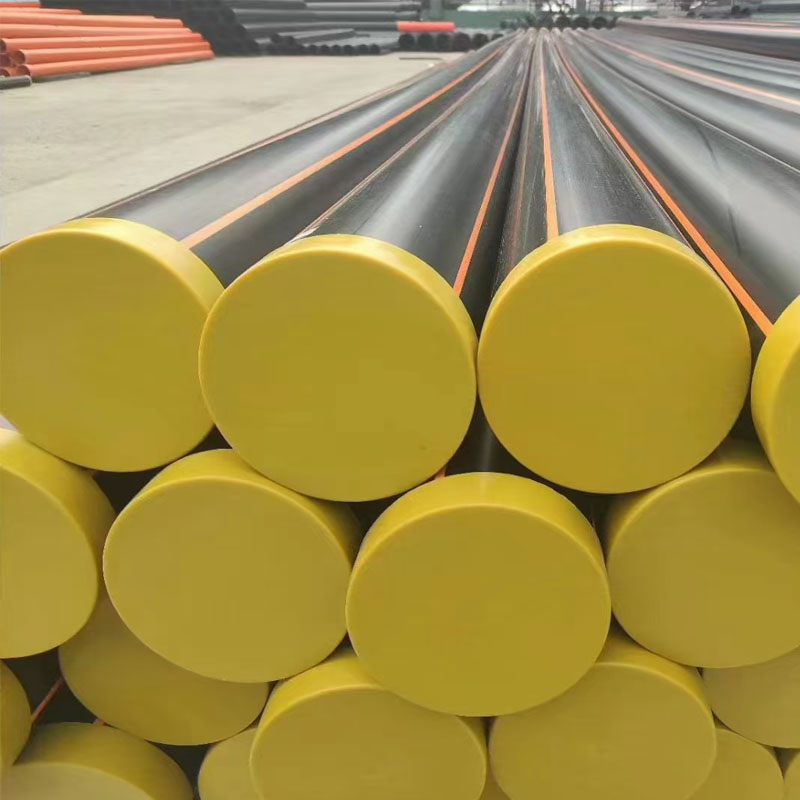
High-Density Polyethylene (HDPE) pipe for irrigation represents a significant advancement in agricultural water management. Positioned within the irrigation system supply chain as a fluid conveyance component, it replaces traditional materials like PVC, metal, and concrete in many applications. HDPE irrigation pipes are characterized by their durability, flexibility, and resistance to chemical degradation, offering a cost-effective and long-lasting solution for delivering water to crops. Core performance attributes include pressure capacity, flow rate, UV resistance (crucial for surface-laid applications), and resistance to common agricultural chemicals. The increasing adoption of precision irrigation techniques, like drip and micro-sprinkler systems, is driving demand for reliable and adaptable piping solutions, making discounted HDPE pipe a vital element for modern agricultural practices. The primary industry pain point it addresses is the need for reduced water loss through leakage, minimized maintenance, and long-term reliability in harsh field conditions. Further, its lightweight nature reduces installation costs compared to heavier alternatives.
Material Science & Manufacturing
HDPE irrigation pipe is manufactured from polyethylene resin, specifically high-density polyethylene (HDPE) grades conforming to PE 100 or PE 80 standards. The raw material’s key physical properties include a density of 0.941-0.965 g/cm³, a tensile strength ranging from 20-30 MPa, and a relatively low coefficient of friction. These properties contribute to its resistance to cracking and its smooth inner surface, facilitating efficient water flow. Manufacturing typically employs extrusion processes. Virgin HDPE resin is fed into an extruder, melted, and forced through a die to form a continuous pipe. Critical parameters during extrusion include melt temperature (typically 180-210°C), die pressure, and cooling rate. Precise control of these parameters dictates pipe dimensions, wall thickness uniformity, and overall mechanical strength. Bimodal HDPE resins are often used to improve slow crack growth resistance. For larger diameter pipes, co-extrusion may be employed to create a striped outer layer for improved identification and abrasion resistance. Chemical compatibility is paramount, and HDPE exhibits excellent resistance to most agricultural chemicals, including fertilizers, pesticides, and herbicides. However, prolonged exposure to strong oxidizing agents should be avoided. Pipe dimensions are controlled according to industry standards like ASTM D3350. Proper annealing after extrusion stabilizes the polymer structure, minimizing residual stress and improving long-term performance.
Performance & Engineering
The performance of HDPE irrigation pipe is fundamentally governed by its ability to withstand internal hydrostatic pressure and external loads. Force analysis considers hoop stress (resulting from internal pressure) and longitudinal stress (due to pressure and thermal expansion/contraction). The pipe's wall thickness and diameter are engineered to provide an adequate safety factor against burst pressure, typically calculated using Barlow’s formula (S = P D / 2t, where S = burst strength, P = internal pressure, D = outer diameter, and t = wall thickness). Environmental resistance is a key consideration. UV degradation is mitigated by incorporating carbon black into the HDPE formulation, which acts as a UV stabilizer. However, prolonged direct sunlight exposure still necessitates UV-protective coatings or burial. Soil loading and traffic loads are addressed through appropriate burial depth and, in some cases, the use of bedding materials to distribute the load. Compliance requirements vary by region but generally adhere to standards set by organizations like the American Water Works Association (AWWA) and the National Sanitation Foundation (NSF). Specific engineering considerations for irrigation systems include accounting for pressure losses due to friction along the pipe length (calculated using the Darcy-Weisbach equation), and ensuring adequate flow velocity to prevent sedimentation. Pipe flexibility allows for installation in undulating terrain and minimizes the need for expensive fittings. Joint integrity is maintained through butt fusion, electrofusion, or mechanical fittings, each requiring specific procedures and quality control measures.
Technical Specifications
| Parameter | Unit | PE 100 (Typical) | PE 80 (Typical) |
|---|---|---|---|
| Material Density | g/cm³ | 0.953 | 0.950 |
| Hydrostatic Design Basis (HDB) | MPa | 10.0 | 8.0 |
| Minimum Burst Pressure | MPa | 20.0 | 16.0 |
| Tensile Strength at Yield | MPa | 35 | 28 |
| Elongation at Break | % | >350 | >300 |
| Service Temperature Range | °C | -40 to +60 | -40 to +60 |
Failure Mode & Maintenance
HDPE irrigation pipe, while durable, is susceptible to several failure modes. Slow Crack Growth (SCG) is a common issue, initiated by tensile stress concentrations around imperfections or scratches. This is exacerbated by exposure to aggressive chemicals and sustained stress. Environmental Stress Cracking (ESC) can also occur. Fatigue cracking can result from repeated pressure cycles, especially in pump-driven systems. UV degradation, if not adequately addressed, leads to embrittlement and cracking of the outer surface. Joint failures are often caused by improper fusion techniques (incomplete fusion, contamination) or mechanical fitting failures due to inadequate tightening or corrosion. Oxidation can occur at elevated temperatures over extended periods. Maintenance involves regular visual inspections for cracks, leaks, and signs of UV damage. Joints should be inspected for integrity. Preventative measures include proper pipe handling to avoid scratches, appropriate bedding and backfill to distribute external loads, and the use of UV-protective coatings or burial. In the event of a leak, the damaged section should be cut out and replaced using appropriate fusion or mechanical fitting techniques. Regular flushing of the pipeline prevents sediment buildup and maintains flow capacity. Periodic testing of water pressure ensures the system is operating within design parameters.
Industry FAQ
Q: What is the impact of water hammer on HDPE irrigation pipe?
A: Water hammer, caused by sudden changes in flow velocity (e.g., pump start/stop), generates pressure surges that can exceed the pipe’s hydrostatic design basis. Repeated water hammer events can lead to fatigue cracking and joint failures. Mitigation strategies include using surge suppressors, slow-closing valves, and appropriately sized pipelines to maintain lower flow velocities.
Q: How does the burial depth affect the lifespan of HDPE pipe?
A: Adequate burial depth (typically 18-24 inches) provides protection from UV radiation, temperature fluctuations, and mechanical damage from traffic or agricultural equipment. Insufficient burial increases the risk of UV degradation and physical damage. However, excessively deep burial can hinder leak detection and increase installation costs.
Q: What are the advantages of butt fusion versus mechanical fittings?
A: Butt fusion creates a homogenous joint that is as strong as the pipe itself, eliminating potential leak points. It also maintains the pipe’s internal diameter, minimizing flow restriction. Mechanical fittings are easier to install and allow for disassembly, but they are more prone to leaks and require periodic maintenance.
Q: Can HDPE pipe be used for transporting water with high mineral content?
A: HDPE is generally resistant to scaling from mineral deposits. However, high concentrations of certain minerals (e.g., calcium carbonate) can lead to gradual buildup on the inner surface, reducing flow capacity over time. Regular flushing can help mitigate this issue. The specific water chemistry should be analyzed to assess potential scaling risks.
Q: What is the role of the SDR (Standard Dimension Ratio) in HDPE pipe selection?
A: The SDR is the ratio of the pipe's outside diameter to its wall thickness (D/t). A lower SDR indicates a thicker wall and higher pressure rating. Choosing the correct SDR is crucial to ensure the pipe can withstand the anticipated operating pressure and external loads of the irrigation system.
Conclusion
Discount HDPE pipe for irrigation offers a compelling combination of durability, cost-effectiveness, and ease of installation, making it a superior choice to traditional piping materials for numerous agricultural applications. The material’s inherent properties—high tensile strength, chemical resistance, and flexibility—coupled with optimized manufacturing processes ensure long-term reliability and minimal maintenance requirements. Careful consideration of design parameters, including pressure ratings, UV protection, and joint integrity, is essential to maximize the lifespan and performance of these systems.
Looking forward, advancements in HDPE resin formulations, such as the development of enhanced UV stabilizers and improved SCG resistance, will further expand the applicability of this material in demanding irrigation environments. Adoption of smart irrigation technologies and data-driven monitoring will allow for optimized system performance and proactive maintenance, ultimately contributing to greater water conservation and agricultural productivity. The continued focus on cost optimization will drive the demand for discounted HDPE pipe, ensuring its widespread accessibility to farmers and agricultural businesses.
-
DN25 HDPE Compression Fitting-HORON INTERNATIONAL|Reliable Irrigation Solutions
NewsFeb.11,2026
-
hdpe coupling joint product Manufacturing Analysis
News2026-11-18
-
ppr pipe heating time products Performance Analysis
News2026-11-16
-
hdpe pipe sizes factory Performance Analysis
News2026-11-09
-
HDPE Pipe Sizes Service Performance Analysis
News2026-10-26
-
wholesale 15mm ppr pipe Material Science and Performance Analysis
News2026-10-20
-
wholesale pvc pipe price per foot Technical Analysis
News2026-09-21
-
wholesale long pvc pipe Technical Analysis and Manufacturing Specifications
News2026-09-15
-
wholesale plumbing kitchen sink water lines Material Performance
News2026-09-15
-
wholesale hdpe drip irrigation Material Science
News2026-09-15
-
wholesale hot water ppr pipe Performance Analysis
News2026-09-15
-
wholesale ppr plumbing Performance Analysis
News2026-09-15
-
wholesale ppr pipe supplier Performance Analysis
News2026-09-13
-
wholesale 50mm ppr pipe Performance Analysis
News2026-09-13
-
wholesale hdpe drip pipe Performance Analysis
News2026-09-13
-
wholesale hdpe pipe 63mm price Manufacturing Specification and Performance Analysis
News2026-09-13