

Feb . 11, 2026 00:01 Back to list
discount hdpe pipe for drip irrigation Performance Analysis
Introduction
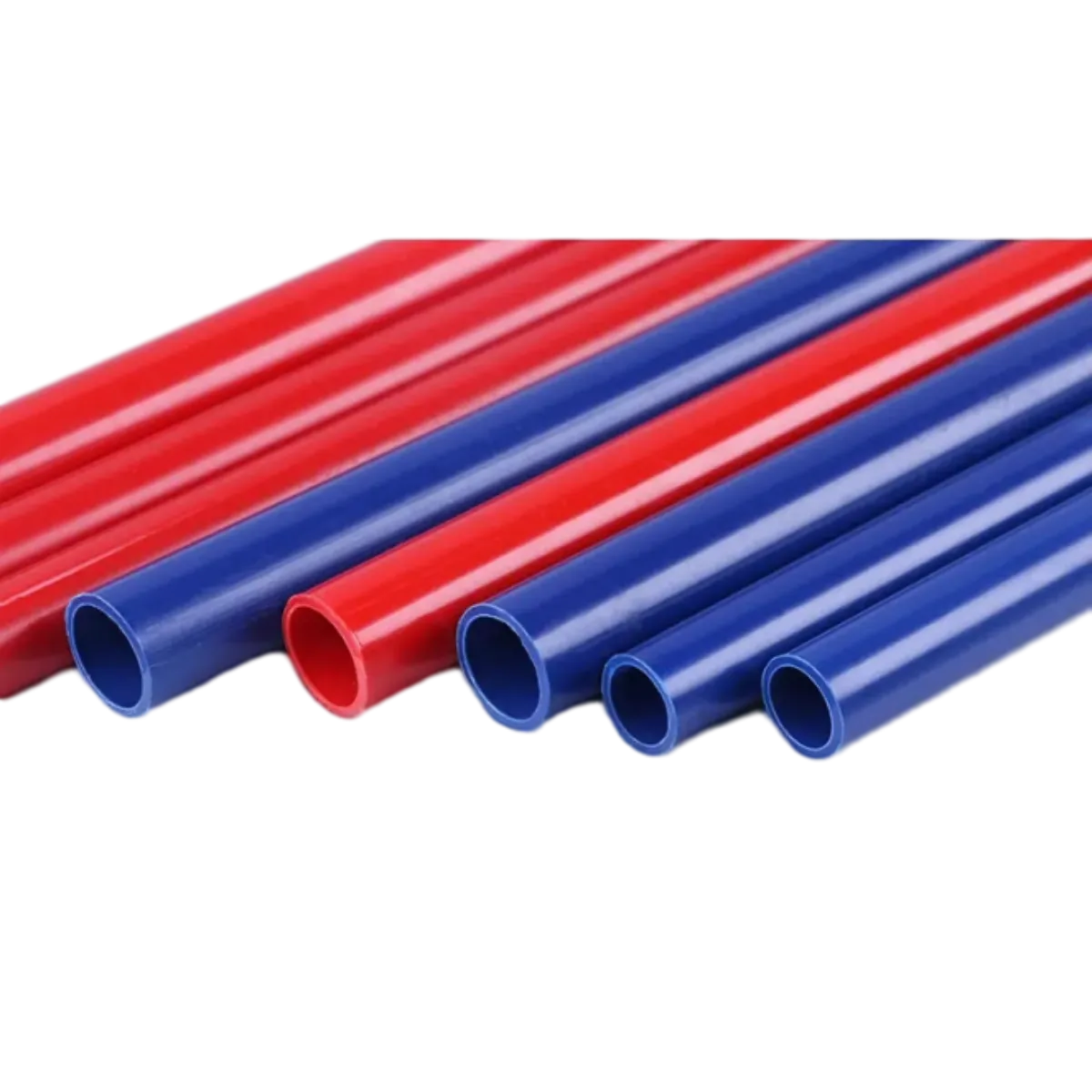
High-Density Polyethylene (HDPE) pipe for drip irrigation represents a critical component in modern agricultural water management. Positioned within the broader irrigation infrastructure chain, it serves as the direct conduit for delivering water and nutrients to plant root zones with maximized efficiency. Unlike traditional irrigation methods, drip irrigation, facilitated by HDPE piping, minimizes water waste through evaporation and runoff. Discount HDPE pipe specifically addresses the cost sensitivity of large-scale agricultural operations and smaller farms, offering a viable solution without compromising core performance characteristics. The primary performance indicators for these pipes are pressure rating, flow rate, UV resistance, and long-term durability within diverse soil chemistries. Understanding these factors is crucial for system design and long-term operational cost control, particularly given increasing water scarcity and regulatory pressure on agricultural water usage.
Material Science & Manufacturing
HDPE pipe for drip irrigation relies on polyethylene resin, specifically high-density polyethylene (HDPE) – commonly grades PE100 or PE80, depending on required pressure rating and temperature specifications. HDPE's chemical structure (-(CH2-CH2)n-) contributes to its excellent chemical resistance, making it suitable for transporting various irrigation solutions, including those containing fertilizers and mild acids. Raw material properties, including molecular weight distribution and density (typically 0.941 – 0.965 g/cm³), directly impact pipe strength and resistance to environmental stress cracking. Manufacturing commonly employs extrusion processes. Resin is melted and forced through a die, forming a continuous pipe. Critical parameters during extrusion include melt temperature (typically 180-210°C), die pressure, and cooling rate. Precise control of these parameters is essential to ensure uniform wall thickness, consistent diameter, and optimal crystalline structure. Post-extrusion, pipes undergo dimensional inspection, pressure testing (hydrostatic testing per ISO 11332), and often, UV stabilization treatment to enhance outdoor longevity. Colorants, typically carbon black, are added for UV protection, but the concentration and dispersion quality significantly impact performance. Jointing methods include butt fusion, electrofusion, and compression fittings, each requiring specific operator training and quality control procedures to maintain system integrity. Variations in manufacturing techniques, particularly cooling rates, can lead to differing levels of residual stress within the pipe wall, impacting its long-term performance and susceptibility to cracking.
Performance & Engineering
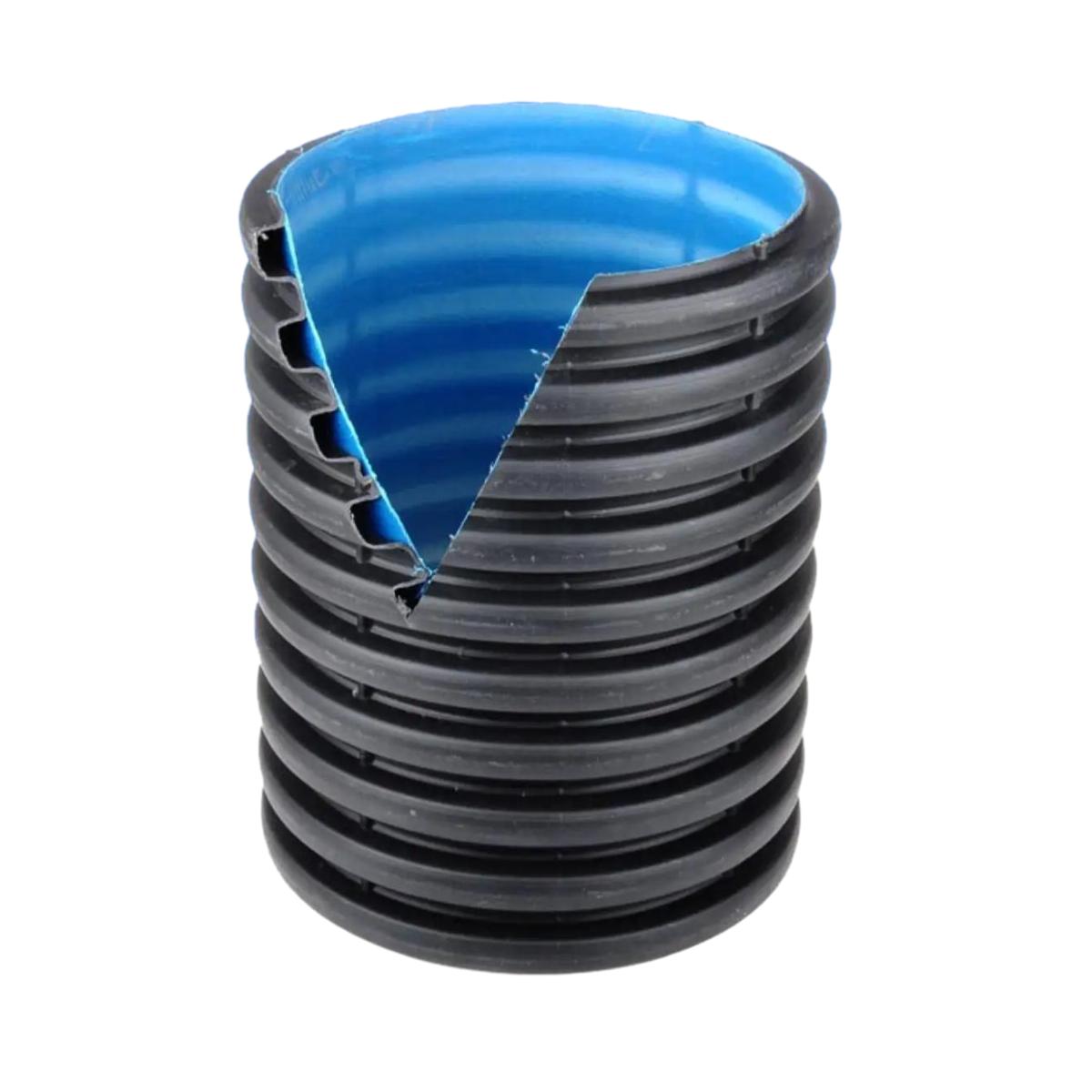
The performance of HDPE drip irrigation pipe is governed by a complex interplay of hydraulic principles, mechanical stresses, and environmental factors. Force analysis focuses on hoop stress (resulting from internal pressure) and longitudinal stress (due to temperature fluctuations and soil movement). The Barlow’s formula (S = (P D) / (2 t), where S=hoop stress, P=internal pressure, D=pipe diameter, t=wall thickness) is fundamental in determining the required wall thickness for a given pressure rating. Environmental resistance is paramount; UV degradation is mitigated by carbon black additives, but their effectiveness diminishes over time, necessitating proper pipe burial or protective covering. Soil chemistry plays a significant role – acidic or alkaline soils can accelerate degradation. Temperature variations cause expansion and contraction, which, if unaccommodated, induce stress. Compliance requirements vary by region but typically adhere to standards like NSF/ANSI 61 (for drinking water safety, if applicable), AS/NZS 4765 (for polyethylene pipes for water supply), and local agricultural regulations concerning water quality and irrigation efficiency. Specifically, for drip irrigation, maintaining consistent emitter flow rates requires minimizing pipe deformation and preventing clogging, which is influenced by water quality (sediment, algae growth) and the pipe's internal surface roughness. Proper system design, including pressure regulation and filtration, is crucial to maximizing pipe lifespan and minimizing system maintenance.
Technical Specifications
| Parameter | Unit | PE80 (Discount Grade) | PE100 (Standard Grade) |
|---|---|---|---|
| Material Density | g/cm³ | 0.953 | 0.965 |
| Pressure Rating (PN) | bar | 10 | 16 |
| Burst Pressure | bar | 40 | 64 |
| Operating Temperature Range | °C | -10 to +40 | -10 to +60 |
| UV Resistance (after 6 months exposure) | % Tensile Strength Retention | 60 | 75 |
| Hydrostatic Stress Resistance | hours | 1000 | 1600 |
Failure Mode & Maintenance
HDPE drip irrigation pipes are susceptible to several failure modes. Environmental Stress Cracking (ESC) is a common issue, triggered by sustained tensile stress in conjunction with aggressive chemicals (e.g., certain fertilizers or soil components). Fatigue cracking can occur due to repeated pressure fluctuations and thermal cycling, particularly at joint locations. UV degradation, even with carbon black additives, leads to embrittlement and reduced tensile strength over prolonged exposure. Clogging, although not a pipe failure, significantly reduces system performance and can lead to localized pressure build-up, exacerbating other failure modes. Delamination can occur in improperly manufactured pipes due to poor layer adhesion. Oxidation, while slower in HDPE than in other polymers, can contribute to long-term degradation. Maintenance strategies include regular flushing of the system to remove sediment and biofilms, pressure testing to identify leaks, and visual inspection for signs of cracking or degradation. Buried pipes should be inspected periodically for corrosion due to stray electrical currents (cathodic protection may be necessary in some environments). When replacing sections of pipe, proper jointing techniques (butt fusion or electrofusion) are critical. Preventative measures include using high-quality filters, avoiding harsh chemicals, and providing adequate UV protection. Correct backfilling procedures are vital to prevent physical damage during installation.
Industry FAQ
Q: What is the impact of varying water pH levels on the lifespan of HDPE drip tape?
A: Extended exposure to highly acidic (pH < 6) or alkaline (pH > 8) water can accelerate the degradation of HDPE. Acidic water can promote oxidation, while alkaline water can cause swelling and embrittlement. Implementing pH buffering strategies, using corrosion-resistant additives in the irrigation water, or selecting HDPE formulations with enhanced chemical resistance are recommended mitigation measures.
Q: How does the quality of butt fusion welds affect the overall system reliability?
A: Butt fusion weld quality is paramount. Incomplete fusion, insufficient heating temperature, or improper alignment can create weak points prone to failure. Strict adherence to welding parameters specified by the pipe manufacturer and regular inspection of welds using non-destructive testing (visual inspection, ultrasonic testing) are essential to ensure a robust and leak-proof joint.
Q: What is the recommended burial depth for HDPE drip lines in different soil types?
A: The optimal burial depth varies with soil type and climate. In sandy soils, a minimum of 18-24 inches is recommended to provide adequate protection from UV radiation and mechanical damage. In clay soils, 12-18 inches is generally sufficient. In regions prone to freezing, deeper burial (24-36 inches) is necessary to prevent pipe damage from frost heave.
Q: Can I use chlorine-based sanitizers in a drip irrigation system with HDPE pipes? What are the limitations?
A: HDPE is generally resistant to low concentrations of chlorine. However, prolonged exposure to high chlorine levels (above 200 ppm) can lead to degradation. It's crucial to carefully monitor chlorine levels, flush the system thoroughly after chlorination, and consider alternative sanitizers like peracetic acid or hydrogen peroxide.
Q: What steps can be taken to prevent emitter clogging in HDPE drip lines?
A: Employing a multi-stage filtration system (screen filters, media filters, disc filters) is the primary defense against clogging. Regular backflushing of filters is essential. Additionally, using clean water sources and avoiding the introduction of algae or organic matter into the system can minimize clogging risks. Periodic chemical flushing with appropriate cleaning agents can also help dissolve existing deposits.
Conclusion
Discount HDPE pipe for drip irrigation offers a compelling balance between cost-effectiveness and performance, facilitating efficient water management in agricultural settings. Its success, however, is inextricably linked to understanding the interplay of material science, manufacturing quality, and proper system design. Addressing potential failure modes – such as ESC, UV degradation, and clogging – through preventative maintenance and careful material selection is crucial for maximizing lifespan and minimizing operational costs.
Looking ahead, advancements in HDPE formulations, including enhanced UV stabilizers and increased resistance to chemical attack, will further extend the lifespan and reliability of these systems. Integration with smart irrigation technologies, such as soil moisture sensors and automated control systems, will optimize water usage and enhance overall agricultural productivity. Continued adherence to international standards and best practices will be essential to ensure the long-term sustainability of drip irrigation infrastructure.
-
DN25 HDPE Compression Fitting-HORON INTERNATIONAL|Reliable Irrigation Solutions
NewsFeb.11,2026
-
hdpe coupling joint product Manufacturing Analysis
News2026-11-18
-
ppr pipe heating time products Performance Analysis
News2026-11-16
-
hdpe pipe sizes factory Performance Analysis
News2026-11-09
-
HDPE Pipe Sizes Service Performance Analysis
News2026-10-26
-
wholesale 15mm ppr pipe Material Science and Performance Analysis
News2026-10-20
-
wholesale pvc pipe price per foot Technical Analysis
News2026-09-21
-
wholesale long pvc pipe Technical Analysis and Manufacturing Specifications
News2026-09-15
-
wholesale plumbing kitchen sink water lines Material Performance
News2026-09-15
-
wholesale hdpe drip irrigation Material Science
News2026-09-15
-
wholesale hot water ppr pipe Performance Analysis
News2026-09-15
-
wholesale ppr plumbing Performance Analysis
News2026-09-15
-
wholesale ppr pipe supplier Performance Analysis
News2026-09-13
-
wholesale 50mm ppr pipe Performance Analysis
News2026-09-13
-
wholesale hdpe drip pipe Performance Analysis
News2026-09-13
-
wholesale hdpe pipe 63mm price Manufacturing Specification and Performance Analysis
News2026-09-13