

Feb . 11, 2026 00:01 Back to list
discount hdpe pipe for drinking water Performance Analysis
Introduction
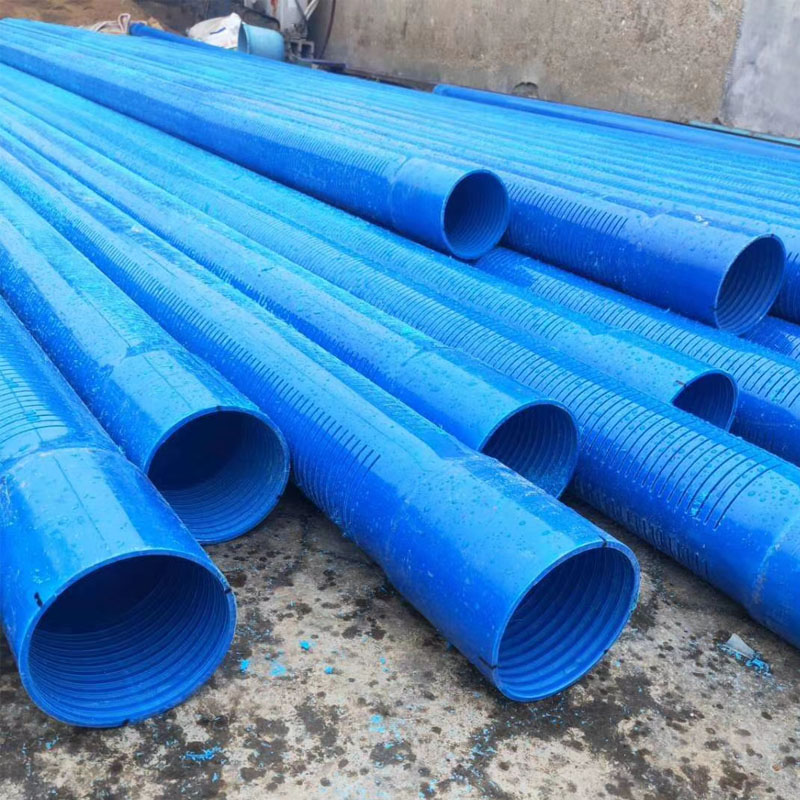
High-Density Polyethylene (HDPE) pipe represents a significant advancement in potable water distribution infrastructure. This technical guide provides an in-depth analysis of discounted HDPE pipe specifically intended for drinking water applications, detailing its material properties, manufacturing processes, performance characteristics, potential failure modes, and relevant industry standards. HDPE pipe’s position in the water distribution chain is critical, serving as the final link delivering safe and clean water to consumers. Its increasing prevalence is driven by factors including corrosion resistance, lightweight nature, ease of installation, and long-term cost effectiveness when compared to traditional materials such as ductile iron or concrete. The core performance attributes of HDPE pipe – pressure capacity, leak-free joints, and chemical inertness – directly address key pain points within the water utility sector: minimizing water loss, ensuring water quality, and reducing maintenance expenditures. Discounted pricing, while attractive, necessitates a rigorous understanding of material grades and manufacturing quality control to maintain these essential performance criteria.
Material Science & Manufacturing
HDPE pipe is produced from polyethylene resin, a thermoplastic polymer created through the polymerization of ethylene. The density of the polyethylene dictates many of the pipe’s physical properties. For potable water applications, HDPE resins conforming to PE3408 or PE4710 standards are typically employed, offering a balance of strength and flexibility. Raw material characteristics influencing pipe performance include Molecular Weight Distribution (MWD), Melt Flow Index (MFI), and Hydrostatic Design Stress (HDS). Manufacturing processes commonly used for HDPE pipe production include extrusion. The extrusion process involves melting the polyethylene resin and forcing it through a die, shaping it into the desired pipe diameter and wall thickness. Critical parameters during extrusion include melt temperature, die pressure, haul-off speed, and cooling rate. Precise control of these parameters is crucial to ensure consistent pipe dimensions and uniform material distribution. Furthermore, the butt fusion or electrofusion joining methods used to connect pipe segments require careful calibration to achieve homogenous weld integrity. Improper fusion parameters can lead to weld defects and premature failure. Material compatibility with chlorine and other common water treatment chemicals is vital, with HDPE demonstrating excellent resistance to these substances. However, prolonged exposure to highly concentrated oxidizing agents should be avoided.
Performance & Engineering
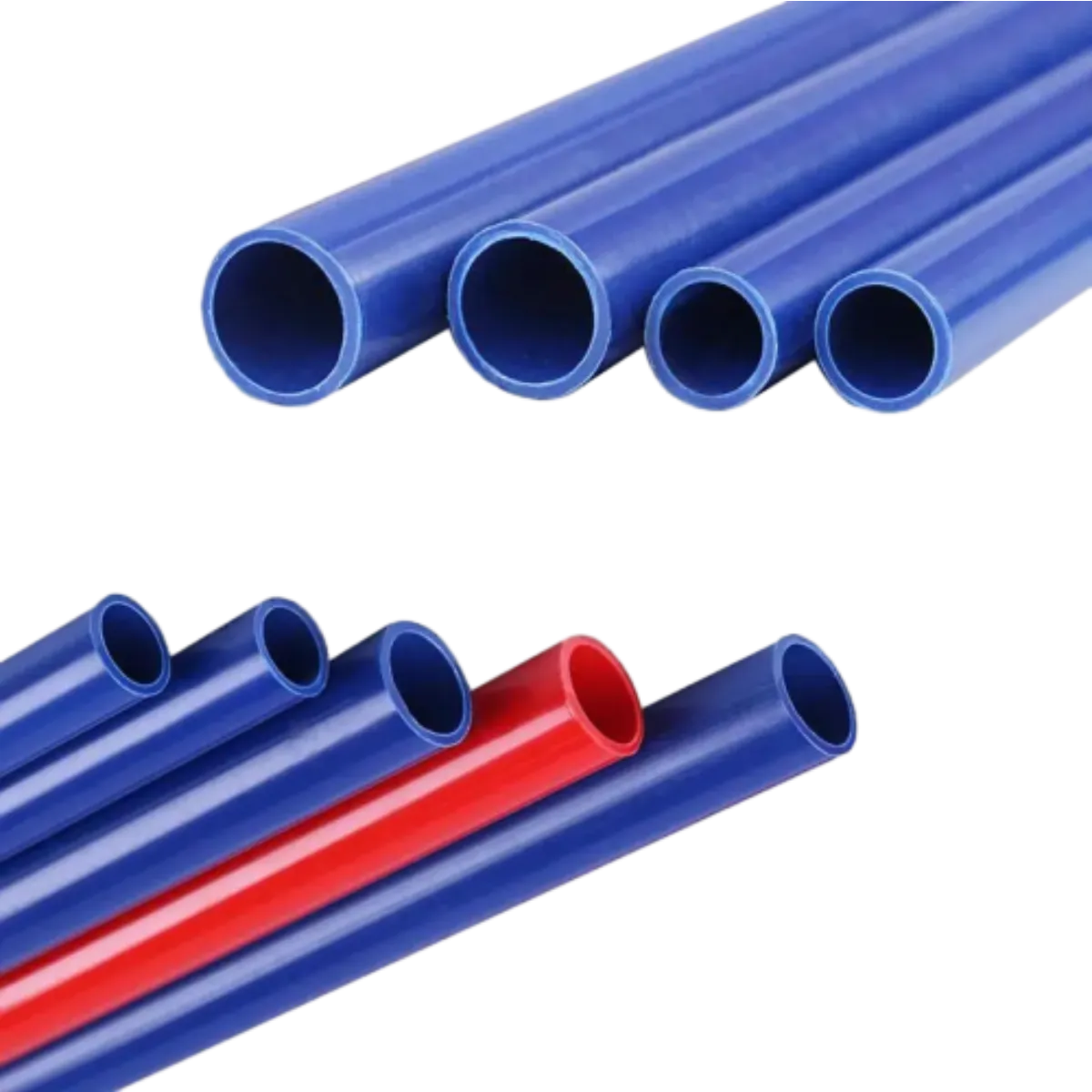
The performance of HDPE pipe in potable water systems is dictated by its ability to withstand internal pressure, external loads, and environmental stresses. Hydrostatic pressure testing, conducted in accordance with ASTM D1597, verifies the pipe’s short-term burst strength. Long-term performance is assessed through Hydrostatic Design Stress (HDS) calculations, factoring in temperature derating and design factors. Sustained Pressure Test (SPT) further validates long-term integrity. Engineering considerations include soil loading, traffic loads, and thermal expansion/contraction. HDPE’s relatively low Young’s Modulus necessitates proper bedding and backfill procedures to distribute external loads and prevent pipe deformation. Thermal expansion/contraction is significant, requiring the implementation of expansion joints or flexible connections to accommodate dimensional changes caused by temperature fluctuations. The pipe’s flexibility also offers an advantage in seismic zones, allowing it to absorb ground movement without fracturing. Compliance requirements, such as NSF/ANSI 61, ensure that the pipe material does not leach harmful contaminants into the drinking water. Furthermore, the pipe must meet relevant pressure ratings as specified by AWWA standards for the intended application. Finite Element Analysis (FEA) is frequently employed to model stress distribution and optimize pipe design for specific installation scenarios.
Technical Specifications
| Parameter | Unit | PE3408 (Discount Grade) | PE4710 (Standard Grade) |
|---|---|---|---|
| Hydrostatic Design Stress (HDS) @ 73°F (23°C) | psi | 800 | 1600 |
| Pressure Rating (PN) | bar | PN10 | PN20 |
| Burst Pressure | psi | 2400 | 4800 |
| Tensile Strength | psi | 4000 | 5500 |
| Elongation at Break | % | 500 | 600 |
| Flexural Modulus | psi | 70,000 | 110,000 |
Failure Mode & Maintenance
HDPE pipe, while durable, is susceptible to several failure modes. Slow Crack Growth (SCG) is a primary concern, particularly in applications involving sustained tensile stress and exposure to aggressive chemicals. SCG initiates at stress concentrators (e.g., scratches, gouges) and propagates slowly over time, eventually leading to catastrophic failure. Fatigue cracking can occur due to cyclic pressure fluctuations or external loads. Oxidation, resulting from long-term exposure to elevated temperatures and ultraviolet radiation, can embrittle the material. Joint failures are common, often stemming from improper fusion techniques, inadequate surface preparation, or contamination during welding. Ground movement and improper bedding can cause pipe deformation and stress cracking. Maintenance strategies include regular visual inspections for signs of cracking or deformation, pressure testing to detect leaks, and proper installation practices to minimize stress concentrations. For SCG prevention, avoid exposure to harsh chemicals and ensure adequate cover during burial. Preventative measures for fatigue cracking involve minimizing pressure surges and providing sufficient support to prevent excessive bending. If oxidation is observed, consider protective coatings or relocation of the pipeline. Regularly assess and re-validate fusion parameters to avoid joint defects.
Industry FAQ
Q: What is the impact of using a discounted HDPE grade (PE3408) on the lifespan of a potable water pipeline?
A: Utilizing PE3408, a discounted HDPE grade, generally results in a reduced lifespan compared to PE4710. The lower Hydrostatic Design Stress (HDS) necessitates a more conservative operating pressure and increases the susceptibility to Slow Crack Growth (SCG) over time. While suitable for lower-pressure applications, thorough risk assessment and diligent monitoring are critical to ensure long-term performance and prevent premature failure. Consideration should be given to increased inspection frequencies and potential limitations on future pressure increases within the system.
Q: How does the quality of butt fusion welds affect the overall integrity of an HDPE pipeline?
A: Butt fusion weld quality is paramount. Defective welds – characterized by insufficient penetration, misalignment, or contamination – significantly compromise the pipeline’s integrity. Non-destructive testing (NDT) methods, such as visual inspection and radiography, are crucial to identify and reject substandard welds. Strict adherence to manufacturer’s recommended fusion parameters (temperature, pressure, dwell time) and proper operator training are essential to consistently produce reliable welds.
Q: What are the primary differences between SDR (Standard Dimension Ratio) and PN (Nominal Pressure) ratings for HDPE pipe?
A: SDR represents the ratio of pipe outside diameter to wall thickness, indirectly indicating pressure capacity. A lower SDR signifies a thicker wall and higher pressure rating. PN, however, is a direct numerical representation of the allowable operating pressure in bar. While both systems relate to pressure capability, PN provides a more straightforward specification. Conversion charts are available to correlate SDR and PN ratings, ensuring compatibility and proper system design.
Q: What bedding materials are recommended to provide adequate support and prevent stress cracking in buried HDPE pipe?
A: Ideal bedding materials for HDPE pipe include granular materials like sand, gravel, or crushed stone. These materials provide uniform support and allow for proper load distribution, minimizing stress concentrations. Avoid materials containing sharp objects or organic matter that could damage the pipe. Compaction of the bedding material should be controlled to prevent over-compaction, which can induce excessive stress. Geotextile fabrics can also be employed to separate the bedding material from the surrounding soil and improve drainage.
Q: How does the presence of chlorine in drinking water affect the long-term performance of HDPE pipe?
A: HDPE exhibits excellent resistance to chlorine under normal operating conditions. However, prolonged exposure to highly concentrated chlorine levels, particularly at elevated temperatures, can lead to oxidative degradation and embrittlement. Adhering to recommended chlorine residual limits established by regulatory bodies and periodically monitoring water quality are essential to mitigate this risk. The HDPE resin formulations used in potable water pipe are specifically selected for their chlorine resistance.
Conclusion
Discounted HDPE pipe offers a compelling cost-effective solution for potable water distribution; however, realizing its long-term benefits hinges on a comprehensive understanding of its material properties, manufacturing nuances, and potential failure mechanisms. The selection of appropriate HDPE grades (balancing cost with performance requirements), meticulous attention to installation procedures, and proactive maintenance strategies are crucial for maximizing the lifespan and reliability of these systems. Careful consideration of the technical specifications presented, alongside adherence to industry best practices, are essential for successful implementation.
Future advancements in HDPE resin technology and welding techniques promise to further enhance the durability and performance of HDPE pipe systems. Continual monitoring of material science developments and refinement of installation procedures will be critical to ensure the ongoing integrity of water distribution infrastructure. Investing in quality control measures throughout the entire lifecycle – from raw material sourcing to final installation and maintenance – is paramount to delivering safe and reliable drinking water to communities.
-
DN25 HDPE Compression Fitting-HORON INTERNATIONAL|Reliable Irrigation Solutions
NewsFeb.11,2026
-
hdpe coupling joint product Manufacturing Analysis
News2026-11-18
-
ppr pipe heating time products Performance Analysis
News2026-11-16
-
hdpe pipe sizes factory Performance Analysis
News2026-11-09
-
HDPE Pipe Sizes Service Performance Analysis
News2026-10-26
-
wholesale 15mm ppr pipe Material Science and Performance Analysis
News2026-10-20
-
wholesale pvc pipe price per foot Technical Analysis
News2026-09-21
-
wholesale long pvc pipe Technical Analysis and Manufacturing Specifications
News2026-09-15
-
wholesale plumbing kitchen sink water lines Material Performance
News2026-09-15
-
wholesale hdpe drip irrigation Material Science
News2026-09-15
-
wholesale hot water ppr pipe Performance Analysis
News2026-09-15
-
wholesale ppr plumbing Performance Analysis
News2026-09-15
-
wholesale ppr pipe supplier Performance Analysis
News2026-09-13
-
wholesale 50mm ppr pipe Performance Analysis
News2026-09-13
-
wholesale hdpe drip pipe Performance Analysis
News2026-09-13
-
wholesale hdpe pipe 63mm price Manufacturing Specification and Performance Analysis
News2026-09-13