

Feb . 11, 2026 00:01 Back to list
discount hdpe pipe diameters Technical Analysis
Introduction
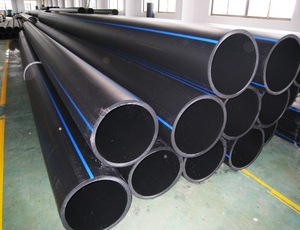
High-Density Polyethylene (HDPE) pipe, characterized by its lightweight nature, corrosion resistance, and durability, is a crucial component across diverse industries including water distribution, gas transmission, irrigation, and drainage. Discount HDPE pipe diameters refer to a range of nominal pipe sizes offered at competitive pricing, primarily differentiated by outside diameter (OD) and pressure rating (Schedule 40, Schedule 80). The technical positioning of HDPE within the piping material chain is as a thermoplastic alternative to traditional materials like ductile iron, PVC, and steel. Its core performance metrics revolve around hydrostatic pressure capability, tensile strength, environmental stress crack resistance (ESCR), and long-term durability, all influencing its suitability for specific applications and service life expectancy. Understanding diameter selection is critical, as it directly impacts flow rate, friction loss, and system efficiency. This guide provides a detailed technical overview of discount HDPE pipe diameters, encompassing material science, manufacturing processes, performance characteristics, failure modes, and industry standards.
Material Science & Manufacturing
HDPE is a thermoplastic polymer produced from the polymerization of ethylene. The material’s physical properties are determined by its molecular weight distribution and density. Higher density correlates with increased tensile strength and rigidity. Raw material selection focuses on achieving a consistent melt flow index (MFI) to ensure processability during extrusion. Manufacturing typically involves extrusion, where HDPE pellets are melted and forced through a die to form the desired pipe shape. Critical parameters during extrusion include die temperature, extrusion speed, and cooling rate. Inadequate cooling can lead to dimensional inconsistencies and residual stresses. The pipe’s wall thickness is precisely controlled to meet specified pressure ratings. Fusion welding, utilizing techniques like butt fusion, socket fusion, and electrofusion, is the primary method for joining HDPE pipes. Proper welding procedures are paramount; inadequate heat input or pressure can lead to weak joints susceptible to failure. Post-weld cooling and inspection are essential quality control steps. The addition of carbon black is common to enhance UV resistance, mitigating degradation from prolonged sunlight exposure. Different grades of carbon black and concentrations influence the level of UV protection. The polyethylene resin must meet stringent quality control checks for density, MFI, and oxidation induction time (OIT) to guarantee long-term performance.
Performance & Engineering
The performance of HDPE pipe is intrinsically linked to its resistance to internal pressure and external loads. Hydrostatic pressure testing, conducted according to ASTM D1597, verifies the pipe’s ability to withstand sustained internal pressure. Force analysis considers hoop stress (circumferential stress) and longitudinal stress, which are dependent on pressure, diameter, and wall thickness. HDPE exhibits high impact resistance, particularly at low temperatures, but susceptibility to slow crack growth (SCG) under sustained tensile stress must be addressed. Environmental resistance is a key consideration. While HDPE is chemically inert to most substances, prolonged exposure to oxidizing agents and certain solvents can cause degradation. Soil conditions, including pH and the presence of aggressive chemicals, can also impact long-term durability. Compliance requirements vary by region and application. For potable water systems, HDPE must comply with NSF/ANSI 61 standards, ensuring the material doesn’t leach harmful contaminants. Gas transmission applications require adherence to DOT regulations (Department of Transportation) regarding material traceability and weld integrity. Buried HDPE pipes are designed to withstand soil loads, traffic loads, and potential ground movement. Proper bedding and backfill compaction are crucial to prevent pipe deformation and stress concentration.
Technical Specifications
| Nominal Pipe Size (inches) | Outside Diameter (OD) (inches) | Wall Thickness (inches) - Schedule 40 | Pressure Rating (psi) - Schedule 40 (at 73°F) |
|---|---|---|---|
| 1/2 | 0.625 | 0.062 | 200 |
| 3/4 | 0.840 | 0.062 | 160 |
| 1 | 1.050 | 0.062 | 140 |
| 1 1/4 | 1.250 | 0.062 | 100 |
| 1 1/2 | 1.500 | 0.062 | 80 |
| 2 | 2.067 | 0.062 | 60 |
Failure Mode & Maintenance
HDPE pipes can experience several failure modes, including slow crack growth (SCG) due to sustained tensile stress, particularly in the presence of aggressive chemicals. Environmental Stress Cracking Resistance (ESCR) testing, as per ASTM D1694, assesses the material’s susceptibility. Fatigue cracking can occur under cyclical pressure loading, especially at weld joints. Delamination can arise from inadequate fusion welding, leading to separation of the pipe layers. Oxidation, accelerated by exposure to UV radiation and high temperatures, can cause embrittlement and loss of mechanical properties. Proper maintenance is crucial for extending service life. Regular visual inspections should be conducted to identify any signs of cracking, deformation, or corrosion. Pressure testing, periodically, verifies the integrity of the system. For buried pipes, maintaining adequate cover depth is essential to protect against UV exposure and mechanical damage. Joint inspections, utilizing non-destructive testing methods like ultrasonic testing, can detect hidden flaws in welded connections. If SCG is suspected, a thorough chemical analysis of the surrounding environment should be performed. Preventative measures include selecting HDPE grades with high ESCR ratings, using appropriate welding procedures, and providing adequate UV protection.
Industry FAQ
Q: What is the impact of temperature on the pressure rating of HDPE pipe?
A: The pressure rating of HDPE pipe is temperature-dependent. Pressure ratings listed in standards like ASTM D1597 are typically specified at 73°F (23°C). As temperature increases, the hydrostatic strength of HDPE decreases, requiring a derating factor to be applied. Conversely, at lower temperatures, the strength increases. Consulting the manufacturer’s specifications and relevant industry standards is crucial for determining the appropriate derating factor based on the operating temperature.
Q: How does the SDR (Standard Dimension Ratio) affect pipe performance?
A: The SDR, calculated as the ratio of outside diameter to wall thickness, is a key parameter defining pipe strength. A lower SDR indicates a thicker wall and higher pressure rating. HDPE pipes are categorized by SDR (e.g., SDR 17, SDR 11, SDR 9). Selecting the appropriate SDR is critical for matching the pipe’s strength to the anticipated operating pressure and external loads. A lower SDR is required for higher pressure applications or challenging installation environments.
Q: What are the best practices for storing HDPE pipe prior to installation?
A: HDPE pipe should be stored in a cool, dry, and well-ventilated area, away from direct sunlight and heat sources. Pipes should be supported along their entire length to prevent sagging or deformation. Avoid stacking pipes excessively high, as this can cause damage to the lower layers. Protect the pipe ends from contamination and moisture ingress. Storing HDPE pipe in its original packaging is recommended.
Q: How do you assess the quality of a butt fusion weld?
A: Butt fusion weld quality is assessed through visual inspection and, ideally, non-destructive testing. Visual inspection checks for complete fusion, proper bead formation, and absence of defects like porosity or cracks. Non-destructive testing methods, such as ultrasonic testing (UT) according to ASTM F2844, can detect subsurface flaws. Proper weld procedure specification (WPS) qualification and operator certification are essential prerequisites for achieving consistent weld quality.
Q: What is the long-term creep rupture strength of HDPE pipe?
A: Creep rupture strength refers to the pipe’s ability to withstand sustained internal pressure over an extended period. It is a critical factor in determining the design life of a pipeline. HDPE exhibits time-dependent behavior, meaning its strength gradually decreases under sustained load. Long-term hydrostatic strength (LTHS) is typically estimated using models based on accelerated aging tests and extrapolation techniques. Standards like ISO 1167 provide guidance on calculating LTHS.
Conclusion
Discount HDPE pipe diameters offer a robust and cost-effective solution for a wide range of piping applications. The material’s inherent properties – high strength-to-weight ratio, corrosion resistance, and flexibility – coupled with advanced manufacturing techniques, contribute to long-term reliability. However, careful consideration must be given to factors such as temperature, pressure, soil conditions, and UV exposure to ensure optimal performance and prevent premature failure. Understanding the nuances of HDPE material science and adhering to established industry standards are paramount.
Future advancements in HDPE technology will likely focus on developing enhanced grades with improved ESCR and oxidation resistance, as well as more sophisticated non-destructive testing methods for weld inspection. Optimizing installation practices, including proper bedding and backfill procedures, will also be crucial for maximizing the service life of HDPE pipelines. Continued research and development will solidify HDPE’s position as a leading material in the fluid transport infrastructure.
-
DN25 HDPE Compression Fitting-HORON INTERNATIONAL|Reliable Irrigation Solutions
NewsFeb.11,2026
-
hdpe coupling joint product Manufacturing Analysis
News2026-11-18
-
ppr pipe heating time products Performance Analysis
News2026-11-16
-
hdpe pipe sizes factory Performance Analysis
News2026-11-09
-
HDPE Pipe Sizes Service Performance Analysis
News2026-10-26
-
wholesale 15mm ppr pipe Material Science and Performance Analysis
News2026-10-20
-
wholesale pvc pipe price per foot Technical Analysis
News2026-09-21
-
wholesale long pvc pipe Technical Analysis and Manufacturing Specifications
News2026-09-15
-
wholesale plumbing kitchen sink water lines Material Performance
News2026-09-15
-
wholesale hdpe drip irrigation Material Science
News2026-09-15
-
wholesale hot water ppr pipe Performance Analysis
News2026-09-15
-
wholesale ppr plumbing Performance Analysis
News2026-09-15
-
wholesale ppr pipe supplier Performance Analysis
News2026-09-13
-
wholesale 50mm ppr pipe Performance Analysis
News2026-09-13
-
wholesale hdpe drip pipe Performance Analysis
News2026-09-13
-
wholesale hdpe pipe 63mm price Manufacturing Specification and Performance Analysis
News2026-09-13