

Feb . 11, 2026 00:01 Back to list
discount hdpe pipe company Performance Analysis
Introduction
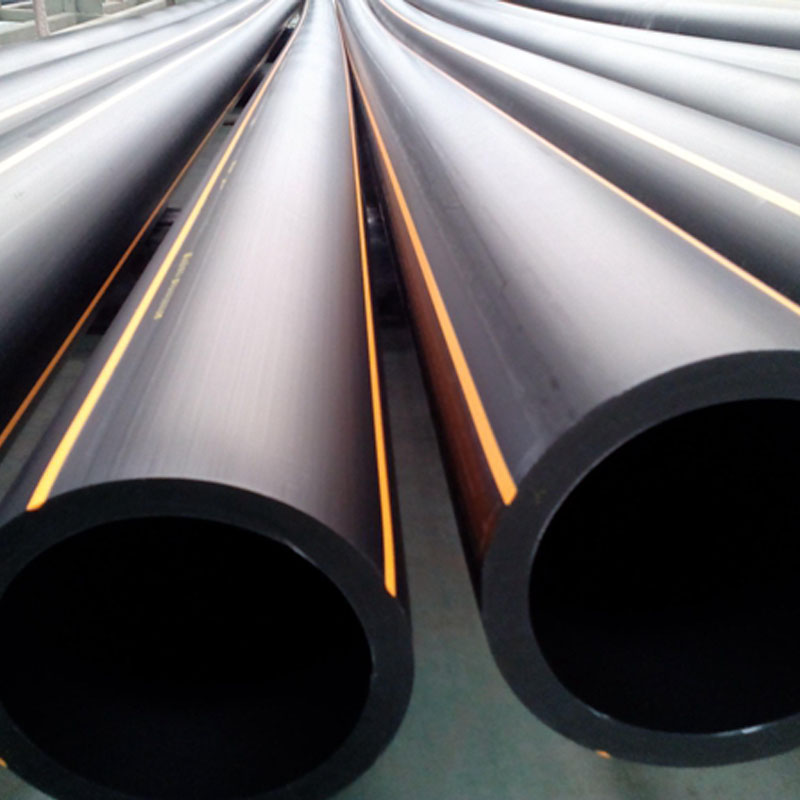
High-Density Polyethylene (HDPE) pipe represents a significant advancement in fluid transfer technology, positioned as a direct substitute for traditional materials like ductile iron, steel, and concrete in numerous applications. Discount HDPE Pipe Company specializes in the manufacturing and distribution of these pipes, catering to a diverse range of industries including municipal water distribution, irrigation, gas transmission, industrial processing, and drainage systems. HDPE’s core performance attributes—corrosion resistance, flexibility, lightweight nature, and durability—address key pain points within these sectors. The industry historically grappled with the high maintenance costs and eventual failure of metallic piping due to corrosion and scale buildup. HDPE eliminates these concerns, offering a lifecycle cost advantage. This technical guide provides an in-depth analysis of HDPE pipe, encompassing material science, manufacturing processes, performance characteristics, failure modes, and relevant industry standards.
Material Science & Manufacturing
HDPE pipe is derived from petroleum, specifically through the polymerization of ethylene. The resulting polymer chain length and branching determine the density and, consequently, the material properties. HDPE exhibits a density ranging from 0.93 to 0.97 g/cm³, contributing to its strength and rigidity. Key raw material properties influencing pipe performance include molecular weight distribution, melt flow index (MFI), and the presence of additives like carbon black for UV stabilization and antioxidants to prevent thermal degradation. Manufacturing typically utilizes extrusion processes. The process begins with HDPE resin being fed into a hopper and conveyed to an extruder. Within the extruder, the resin is heated and melted, then forced through a die that shapes the molten plastic into a continuous pipe. Critical parameters during extrusion include temperature control across different zones (feed, compression, metering), screw speed, die pressure, and cooling rates. Variations in these parameters can impact pipe dimensions, wall thickness uniformity, and overall material crystallinity. Post-extrusion, pipes undergo quality control checks including hydrostatic testing to verify pressure resistance and dimensional accuracy. Fusion welding techniques, such as butt fusion, socket fusion, and electrofusion, are commonly employed to join HDPE pipes on-site, creating leak-proof, structurally sound connections. The weld integrity is critically dependent on maintaining precise temperature and pressure control during the fusion process.

Performance & Engineering
The performance of HDPE pipe is governed by its mechanical and chemical properties under various operating conditions. Key engineering considerations include hydrostatic design stress (HDS), which dictates the allowable internal pressure based on pipe diameter, wall thickness, and material grade. PE pipes are categorized by PE63, PE80, PE100 indicating the minimum required strength (MRS). Flexibility is a significant advantage, allowing HDPE pipe to accommodate ground movement and seismic activity without fracturing. Stress analysis, utilizing Finite Element Analysis (FEA), is crucial for complex installations, particularly where bends, fittings, or external loads are present. Environmental resistance is another vital aspect. While HDPE is inherently corrosion-resistant, prolonged exposure to UV radiation can cause degradation, hence the necessity of carbon black additives. Temperature considerations are also essential. HDPE's performance decreases at elevated temperatures, impacting its strength and creep resistance. Compliance with relevant standards, such as AWWA C906 for potable water distribution and ASTM D3350 for polyethylene pipes, is non-negotiable. Furthermore, proper bedding and backfill procedures are critical to prevent stress concentration and ensure long-term structural integrity. The long-term creep resistance of HDPE is a crucial consideration for pressurized applications. Creep is the tendency of a solid material to move slowly or deform permanently under the influence of persistent mechanical stresses. Selecting the appropriate material grade and designing for adequate HDS are paramount to minimizing creep-related failures.
Technical Specifications
| Parameter | Unit | PE63 | PE80 | PE100 |
|---|---|---|---|---|
| Minimum Required Strength (MRS) | MPa | 6.3 | 8.0 | 10.0 |
| Hydrostatic Design Stress (HDS) | MPa | 3.15 | 4.0 | 5.0 |
| Density | g/cm³ | 0.93 - 0.95 | 0.94 - 0.96 | 0.96 - 0.98 |
| Melt Flow Index (MFI) | g/10min | Variable (Grade Dependent) | Variable (Grade Dependent) | Variable (Grade Dependent) |
| Operating Temperature Range | °C | -40 to +60 | -40 to +60 | -40 to +60 |
| Maximum Continuous Operating Pressure | Bar | Dependent on Diameter & Wall Thickness | Dependent on Diameter & Wall Thickness | Dependent on Diameter & Wall Thickness |
Failure Mode & Maintenance
HDPE pipe, while durable, is susceptible to specific failure modes. Slow Crack Growth (SCG) is a prevalent issue, particularly in areas of stress concentration (e.g., near fittings) due to exposure to certain chemicals or sustained mechanical stress. Oxidation, induced by prolonged exposure to elevated temperatures and oxygen, can lead to embrittlement and cracking. UV degradation, if not mitigated by carbon black additives, results in surface chalking and loss of mechanical properties. Fatigue cracking can occur under cyclic loading conditions, especially in applications involving vibration or fluctuating pressures. Improper installation techniques, such as inadequate fusion welding or insufficient bedding support, are frequent contributors to failures. Maintenance primarily focuses on preventative measures. Regular visual inspections are crucial to identify signs of cracking, deformation, or UV degradation. Pressure testing should be conducted periodically to verify the integrity of the pipeline. In cases of detected leaks, proper repair techniques, typically involving electrofusion welding or mechanical couplings, should be employed. Avoid the use of abrasive cleaning methods that can damage the pipe surface. Furthermore, maintaining accurate records of installation details, material specifications, and inspection results is essential for effective long-term asset management.
Industry FAQ
Q: What is the impact of different soil conditions on HDPE pipe installation?
A: Soil conditions significantly affect HDPE pipe performance. Aggressive soils with high clay content or sharp rocks necessitate increased bedding and backfill protection to prevent mechanical damage. Corrosive soils can accelerate degradation of any surrounding metallic components. Proper soil compaction is essential to provide uniform support and minimize stress concentration. Geotechnical investigations are crucial prior to installation to determine appropriate bedding materials and installation procedures.
Q: How does HDPE pipe compare to PVC in terms of long-term performance?
A: While both HDPE and PVC are thermoplastic materials, HDPE generally exhibits superior long-term performance, particularly in pressurized applications. HDPE possesses higher strength, ductility, and resistance to slow crack growth. PVC is more susceptible to embrittlement at low temperatures and can become brittle over time, especially under UV exposure. HDPE also offers a broader temperature operating range and improved chemical resistance.
Q: What is the recommended fusion welding procedure for HDPE pipes?
A: Proper fusion welding is critical for creating leak-proof joints. Butt fusion requires careful surface preparation, precise alignment, and controlled heating and cooling cycles. Socket fusion demands correct insertion depths and hold times. Electrofusion utilizes pre-programmed parameters for specific pipe sizes and fittings. Welders must be certified and adhere to established procedures (e.g., ASTM F2620) to ensure weld integrity. Regular inspection of weld parameters and visual examination of the weld bead are essential.
Q: What are the considerations for using HDPE pipe in potable water systems?
A: HDPE pipes used in potable water systems must meet stringent requirements to ensure water quality. Materials must be certified to NSF/ANSI 61 for drinking water system components. The pipe surface must be smooth to minimize biofilm formation and prevent taste and odor transfer. Joints must be leak-proof and prevent the ingress of contaminants. Regular flushing and disinfection procedures are essential to maintain water quality.
Q: How does the pipe's wall thickness affect its pressure rating?
A: Pipe wall thickness is directly proportional to its pressure rating. Increasing the wall thickness significantly increases the pipe's ability to withstand internal pressure. The Hydrostatic Design Stress (HDS) is calculated based on the wall thickness, pipe diameter, and material grade. Thicker walls provide greater resistance to burst pressure and creep. Selecting the appropriate wall thickness is critical to ensure the pipeline can safely operate at the intended pressure.
Conclusion
HDPE pipe offers a compelling alternative to traditional piping materials, addressing critical industry challenges related to corrosion, durability, and lifecycle costs. Its inherent flexibility, chemical resistance, and ease of installation contribute to significant long-term benefits. However, successful implementation relies on a thorough understanding of material science, manufacturing processes, and proper engineering design principles. Selecting the appropriate material grade, adhering to established installation procedures, and implementing a robust maintenance program are paramount to ensuring optimal performance and longevity.
The continued advancement of HDPE technology, including the development of new material formulations and fusion welding techniques, promises to further enhance its capabilities and expand its applications. Future research should focus on improving UV resistance, enhancing creep performance at elevated temperatures, and developing more sophisticated non-destructive testing methods for assessing pipe integrity. Discount HDPE Pipe Company remains committed to providing high-quality HDPE piping solutions and supporting its customers with technical expertise and reliable products.
-
DN25 HDPE Compression Fitting-HORON INTERNATIONAL|Reliable Irrigation Solutions
NewsFeb.11,2026
-
hdpe coupling joint product Manufacturing Analysis
News2026-11-18
-
ppr pipe heating time products Performance Analysis
News2026-11-16
-
hdpe pipe sizes factory Performance Analysis
News2026-11-09
-
HDPE Pipe Sizes Service Performance Analysis
News2026-10-26
-
wholesale 15mm ppr pipe Material Science and Performance Analysis
News2026-10-20
-
wholesale pvc pipe price per foot Technical Analysis
News2026-09-21
-
wholesale long pvc pipe Technical Analysis and Manufacturing Specifications
News2026-09-15
-
wholesale plumbing kitchen sink water lines Material Performance
News2026-09-15
-
wholesale hdpe drip irrigation Material Science
News2026-09-15
-
wholesale hot water ppr pipe Performance Analysis
News2026-09-15
-
wholesale ppr plumbing Performance Analysis
News2026-09-15
-
wholesale ppr pipe supplier Performance Analysis
News2026-09-13
-
wholesale 50mm ppr pipe Performance Analysis
News2026-09-13
-
wholesale hdpe drip pipe Performance Analysis
News2026-09-13
-
wholesale hdpe pipe 63mm price Manufacturing Specification and Performance Analysis
News2026-09-13