

Feb . 11, 2026 00:01 Back to list
discount hdpe pipe 63mm price Performance Analysis
Introduction
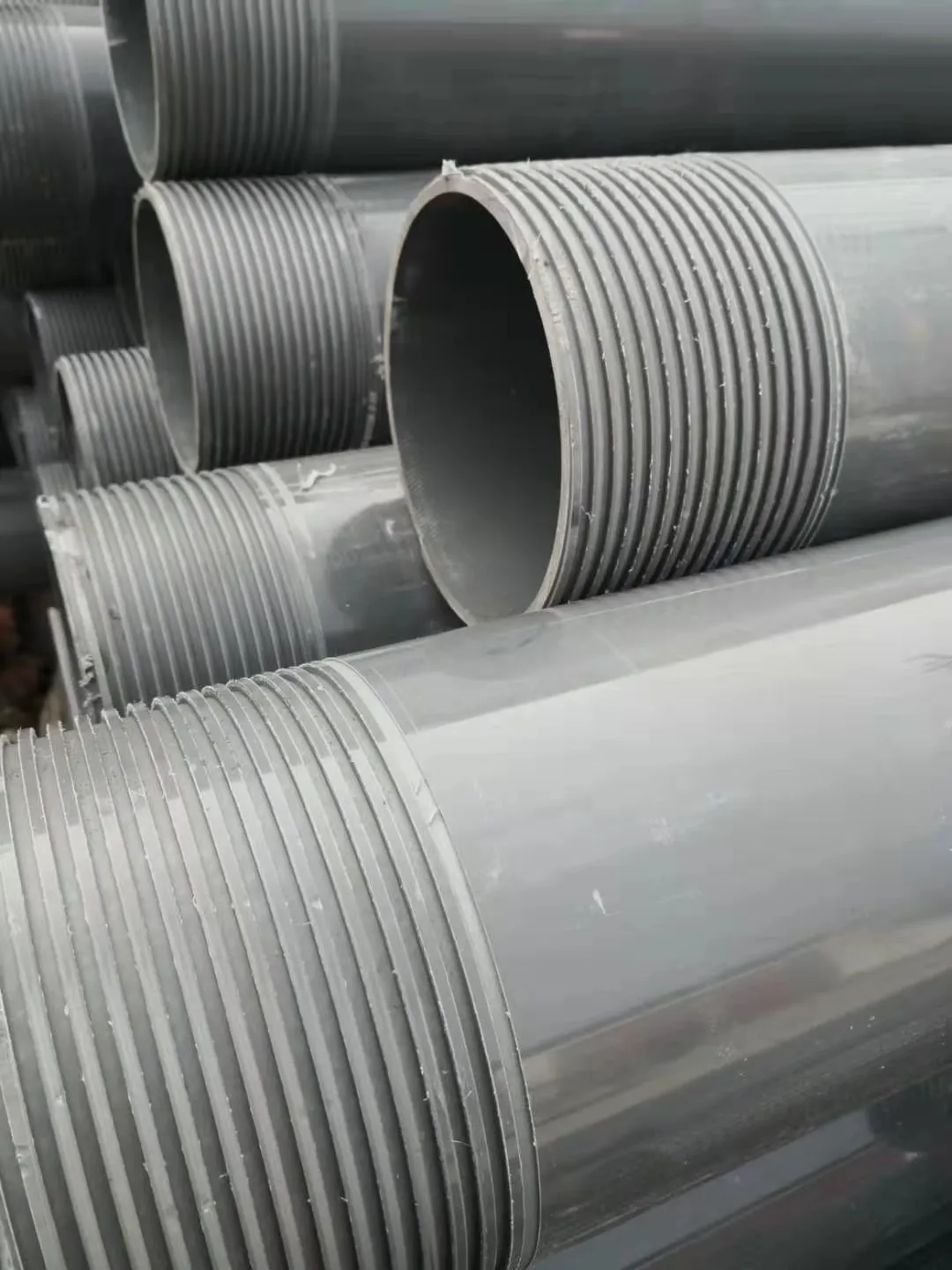
High-Density Polyethylene (HDPE) pipe, specifically the 63mm diameter variant offered at a discounted price point, represents a critical component in fluid and gas transmission systems across a diverse range of industries. Positioned within the broader polymer piping industry, HDPE 63mm pipe competes with materials like PVC, ductile iron, and steel, offering a compelling combination of cost-effectiveness, durability, and chemical resistance. Its primary application lies in water mains, irrigation, sewage, gas distribution, and industrial effluent handling. Core performance characteristics include its pressure rating (PN ratings discussed later), long-term hydrostatic strength (LTS), resistance to slow crack growth (SCG), and ease of installation via fusion welding. The “discount” pricing structure is often linked to volume purchases, manufacturer promotions, or sourcing from regions with lower production costs, directly impacting project budgets and ROI. Understanding these factors is paramount for procurement and engineering professionals.
Material Science & Manufacturing
HDPE pipe derives its properties from the polymerization of ethylene. The raw material, polyethylene resin, typically sourced from petrochemical cracking, undergoes a controlled polymerization process using catalysts such as Ziegler-Natta or metallocene catalysts. These catalysts influence the molecular weight distribution and crystallinity of the resulting HDPE, directly impacting its mechanical properties. HDPE’s semi-crystalline structure provides a balance between rigidity and flexibility. The density of the HDPE resin used in 63mm pipe typically ranges from 0.941 to 0.965 g/cm³. Manufacturing typically utilizes extrusion processes. The HDPE resin is melted and forced through a circular die to form a seamless pipe. Key process parameters include melt temperature (typically between 180-220°C), die pressure, haul-off speed, and cooling rate. Precise control of these parameters is crucial to maintain dimensional accuracy, minimize residual stress, and ensure uniform material distribution. For 63mm pipe, a co-extrusion process is sometimes employed to add colored stripes for identification or UV stabilizers to enhance outdoor durability. Quality control involves rigorous testing of melt flow index (MFI), density, and oxidative induction time (OIT) of the raw material and dimensional checks, hydrostatic pressure tests, and impact resistance tests on the finished pipe according to international standards (see section 7). The polyethylene used must meet PE100 requirements to ensure the necessary performance.
Performance & Engineering
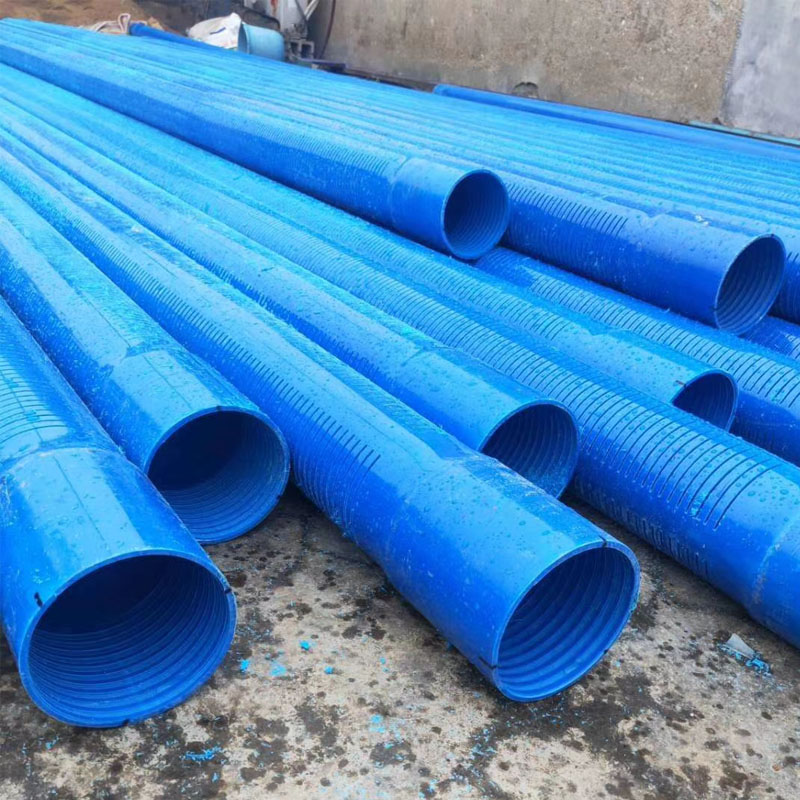
The engineering performance of HDPE 63mm pipe is dictated by several factors. Firstly, hydrostatic strength is critical, determined by the pipe’s dimensions, material’s Minimum Required Strength (MRS) – typically PN10 or PN16 for 63mm pipe – and a safety factor. Force analysis considers internal pressure, external loads (soil overburden, traffic load), and buckling resistance. The pipe’s ability to withstand these stresses over its design life (typically 50+ years) is paramount. Environmental resistance is another key aspect. HDPE exhibits excellent resistance to most chemicals, making it suitable for transporting a wide range of fluids. However, prolonged exposure to strong oxidizing agents or high temperatures can lead to degradation. Slow Crack Growth (SCG) is a potential failure mechanism, particularly in the presence of sustained tensile stress and aggressive chemicals. The addition of carbon black to the HDPE formulation provides UV protection, but the concentration must be carefully controlled to maintain mechanical properties. Jointing methods – typically butt fusion or electrofusion – significantly impact performance. Proper fusion parameters (temperature, pressure, cooling time) are essential to create joints with strength comparable to the pipe body. Compliance with relevant standards, such as EN 12201 for water supply and EN 1555-1 for gas distribution, is non-negotiable. Soil stress analysis is vital during installation to avoid overstressing the pipe, particularly in unstable soil conditions.
Technical Specifications
| Parameter | Unit | PN10 (Typical) | PN16 (Typical) |
|---|---|---|---|
| Outside Diameter | mm | 63 | 63 |
| Wall Thickness | mm | 3.7 | 4.6 |
| Pressure Rating (MRS) | bar | 10 | 16 |
| Hydrostatic Pressure Test | bar | 15 | 24 |
| Burst Pressure | bar | 60 | 96 |
| Density | g/cm³ | 0.953 - 0.965 | 0.953 - 0.965 |
Failure Mode & Maintenance
HDPE 63mm pipe, while durable, is susceptible to several failure modes. Fatigue cracking can occur due to cyclical pressure fluctuations or ground movement, particularly at joints. SCG, as mentioned earlier, is a long-term threat, exacerbated by environmental stress cracking from aggressive chemicals in the conveyed fluid. Delamination can arise from inadequate fusion welding, resulting in weak joint interfaces. Oxidation, though slow, can degrade the material over time, especially at elevated temperatures. Mechanical damage during installation (e.g., impact from heavy machinery) can cause cracks or punctures. Maintenance primarily focuses on preventative measures. Regular inspections for visual defects (cracks, dents, discoloration) are crucial. Leak detection surveys are essential, particularly in buried pipelines. Joint integrity should be periodically verified using non-destructive testing methods like ultrasonic testing. If damage is detected, repair options include localized welding (for minor cracks) or complete pipe replacement. Proper backfilling procedures are critical to prevent overstressing the pipe. Furthermore, protecting the pipe from direct sunlight with appropriate covering materials can mitigate UV degradation. Avoiding the use of incompatible chemicals during cleaning or disinfection is vital to prevent SCG.
Industry FAQ
Q: What is the impact of surge pressure on HDPE 63mm pipe, and how can it be mitigated?
A: Surge pressure, or water hammer, can generate stresses significantly higher than the design pressure, leading to pipe rupture or joint failure. Mitigation strategies include installing surge arrestors (air valves, pressure relief valves) at strategic locations along the pipeline, controlling pump start/stop rates, and implementing slow-closing valves. Proper pipe anchoring and support are also crucial to absorb shock loads.
Q: How does soil corrosivity affect the long-term performance of HDPE 63mm pipe?
A: While HDPE is inherently corrosion-resistant, highly corrosive soils can accelerate degradation if they compromise the pipe's structural integrity. Corrosive soils can cause stress corrosion cracking or contribute to SCG. Protective measures include using a corrosion-resistant bedding material, applying an external coating (although typically unnecessary for HDPE), and conducting a thorough soil analysis prior to installation.
Q: What are the key differences between butt fusion and electrofusion welding for HDPE 63mm pipe, and which is preferred for critical applications?
A: Butt fusion involves heating the pipe ends and pressing them together, creating a homogenous weld. Electrofusion uses electrically heated coils to melt the pipe and fitting simultaneously. Electrofusion offers more precise control and is generally preferred for critical applications, particularly for smaller diameters like 63mm, where dimensional accuracy is paramount. Butt fusion is often favored for larger diameters and simpler joints.
Q: What is the significance of the PE100 designation, and how does it relate to the long-term performance of the pipe?
A: PE100 refers to the Minimum Required Strength (MRS) of the polyethylene material. A PE100 pipe has an MRS of 10 MPa, indicating a higher resistance to SCG and improved long-term hydrostatic strength compared to lower grades like PE80. Using PE100 material is essential for applications requiring extended service life and reliability, and it's a standard requirement for many international regulations.
Q: What quality control checks should be performed after the installation of HDPE 63mm pipe to ensure its integrity?
A: Post-installation quality control should include hydrostatic testing (pressurizing the pipeline to 1.5 times the operating pressure for a specified duration) to verify leak tightness and structural integrity. Leak detection surveys using acoustic listening devices or tracer gas are also recommended. A visual inspection of exposed pipe sections should be conducted to identify any damage during backfilling or installation.
Conclusion
The discounted price of HDPE 63mm pipe presents a compelling economic advantage without compromising essential performance characteristics. Successful implementation, however, relies on a thorough understanding of material science, manufacturing processes, and engineering principles. Factors such as correct pressure rating (PN10 or PN16 selection), appropriate jointing techniques, and proactive maintenance strategies are crucial to maximize the pipeline’s service life and minimize the risk of failure.
Looking forward, advancements in HDPE resin technology, particularly the development of enhanced SCG resistance and UV stabilization, will further broaden the applicability of this material. Careful consideration of environmental factors and adherence to stringent quality control measures during all phases – from raw material sourcing to installation and operation – are essential to ensure the long-term reliability and cost-effectiveness of HDPE 63mm piping systems.
-
DN25 HDPE Compression Fitting-HORON INTERNATIONAL|Reliable Irrigation Solutions
NewsFeb.11,2026
-
hdpe coupling joint product Manufacturing Analysis
News2026-11-18
-
ppr pipe heating time products Performance Analysis
News2026-11-16
-
hdpe pipe sizes factory Performance Analysis
News2026-11-09
-
HDPE Pipe Sizes Service Performance Analysis
News2026-10-26
-
wholesale 15mm ppr pipe Material Science and Performance Analysis
News2026-10-20
-
wholesale pvc pipe price per foot Technical Analysis
News2026-09-21
-
wholesale long pvc pipe Technical Analysis and Manufacturing Specifications
News2026-09-15
-
wholesale plumbing kitchen sink water lines Material Performance
News2026-09-15
-
wholesale hdpe drip irrigation Material Science
News2026-09-15
-
wholesale hot water ppr pipe Performance Analysis
News2026-09-15
-
wholesale ppr plumbing Performance Analysis
News2026-09-15
-
wholesale ppr pipe supplier Performance Analysis
News2026-09-13
-
wholesale 50mm ppr pipe Performance Analysis
News2026-09-13
-
wholesale hdpe drip pipe Performance Analysis
News2026-09-13
-
wholesale hdpe pipe 63mm price Manufacturing Specification and Performance Analysis
News2026-09-13