

Feb . 11, 2026 00:01 Back to list
discount hdpe n 12 corrugated dual wall pipe Performance Analysis
Introduction
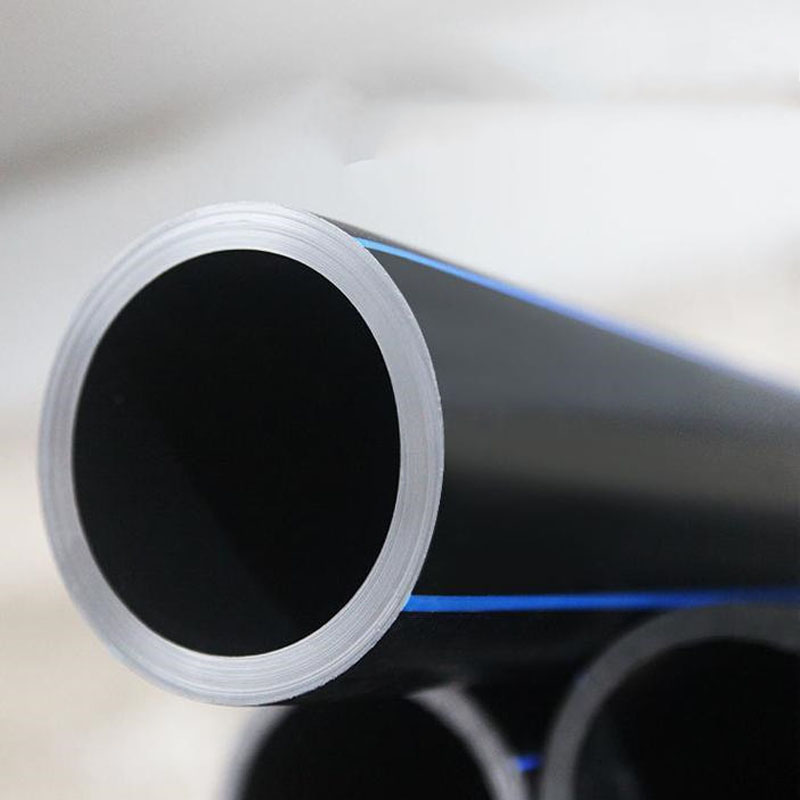
High-Density Polyethylene (HDPE) N12 corrugated dual wall pipe represents a significant advancement in subsurface drainage and conveyance systems. Positioned within the civil engineering and infrastructure supply chain, it functions as a lightweight, durable, and cost-effective alternative to traditional concrete, PVC, and metal piping. This pipe is specifically engineered for gravity flow applications, predominantly in stormwater management, agricultural drainage, and sanitary sewer extensions. Its dual-wall construction—a smooth inner wall for optimal hydraulic flow and a corrugated outer wall for structural rigidity—provides superior performance characteristics. Core performance parameters include ring stiffness, pipe stiffness, and load-bearing capacity, dictated by the N12 designation, which signifies a specific level of crush resistance. Addressing a critical industry need for robust, easily installed, and long-lasting drainage solutions, HDPE N12 pipe minimizes maintenance requirements and extends service life compared to older piping materials. A primary challenge it addresses is the need for corrosion-resistant infrastructure in aggressive soil environments.
Material Science & Manufacturing
The fundamental material for HDPE N12 pipe is high-density polyethylene (HDPE), a thermoplastic polymer known for its high strength-to-density ratio. HDPE resin, typically sourced from ethylene derived from petroleum or natural gas, exhibits excellent chemical resistance, impermeability, and flexibility. Raw material selection focuses on resin grades with controlled molecular weight distribution and melt flow index, directly impacting the pipe’s long-term creep resistance and weldability. Manufacturing commences with HDPE resin pelletization. The pellets are fed into an extruder, where they are heated and melted, then forced through a die to create a continuous pipe profile. Dual-wall construction is achieved using co-extrusion, simultaneously forming the smooth inner and corrugated outer layers. The corrugations are formed using specialized rollers and dies. Critical process parameters include extrusion temperature, screw speed, die pressure, and cooling rate. Post-extrusion, pipes undergo quality control checks including dimensional accuracy, hydrostatic pressure testing, and impact resistance testing. The N12 designation correlates to specific geometric parameters of the corrugated outer wall – corrugation height, pitch, and wall thickness – which are meticulously controlled during manufacturing to achieve the specified ring stiffness. Welding of HDPE sections utilizes butt fusion, socket fusion, or electrofusion techniques, demanding precise temperature control and pressure application to ensure homogenous joints. Chemical compatibility is paramount; additives such as carbon black are often incorporated for UV resistance, but must be assessed for potential leaching into conveyed fluids.
Performance & Engineering
The performance of HDPE N12 pipe is primarily governed by its structural integrity under load and its hydraulic efficiency. Force analysis involves calculating the hoop stress and longitudinal stress induced by external loads such as soil overburden, traffic loads, and hydrostatic pressure. Ring stiffness (measured in psi) dictates the pipe’s ability to resist flattening and maintain its circularity. Load bearing capacity is determined by the pipe’s D-load rating, representing the external distributed load it can withstand without exceeding allowable deflection. Environmental resistance is a critical factor. HDPE exhibits excellent resistance to most chemicals found in soil and wastewater, but prolonged exposure to certain solvents and oxidizing agents can lead to degradation. UV exposure necessitates the inclusion of UV stabilizers in the HDPE formulation. Compliance requirements are stipulated by ASTM standards (specifically ASTM F894 for corrugated HDPE pipe) and local building codes. Engineering considerations encompass proper bedding and backfill materials to ensure uniform load distribution and prevent localized stress concentrations. Joint integrity is paramount; improper fusion welding can create weak points susceptible to failure. Hydraulic implementation considers flow velocity, friction losses, and potential sediment buildup. Slope calculations are critical to maintain self-cleansing velocities, preventing blockage and maintaining optimal drainage capacity. Long-term creep, the gradual deformation of the pipe under sustained load, must be considered in design to ensure structural stability over the pipe’s service life.
Technical Specifications
| Parameter | Units | N12 Specification | Testing Standard |
|---|---|---|---|
| Nominal Pipe Diameter | inches | 12 | ASTM F477 |
| Ring Stiffness | psi | 34 | ASTM F894 |
| Pipe Stiffness | psi | 26 | ASTM F894 |
| D-Load | lbs/ft | 540 | ASTM F894 |
| Minimum Wall Thickness (Smooth Wall) | inches | 0.062 | ASTM F894 |
| Minimum Wall Thickness (Corrugated Wall) | inches | 0.048 | ASTM F894 |
Failure Mode & Maintenance
HDPE N12 pipe, while durable, is susceptible to specific failure modes. Fatigue cracking can occur due to repeated loading cycles, particularly in areas with localized stress concentrations (e.g., around joints or penetrations). Delamination, though less common, can occur if the layers are not adequately bonded during co-extrusion. Environmental stress cracking (ESC) can be initiated by exposure to aggressive chemicals and sustained tensile stress. Oxidation, especially in the presence of UV radiation and high temperatures, can degrade the HDPE material, leading to embrittlement. Impact damage from construction equipment or falling debris can cause localized cracking or puncture. Joint failures, often stemming from improper welding techniques, represent a significant point of vulnerability. Maintenance primarily involves regular visual inspections for signs of cracking, deformation, or joint separation. Sediment buildup can reduce hydraulic capacity and exacerbate stress on the pipe. Preventative maintenance includes periodic cleaning and removal of debris. Repair options for minor cracks include heat fusion repairs using specialized patching materials. Significant failures typically require excavation and replacement of the affected pipe section. Proper backfilling procedures are crucial to prevent overburden stress and ensure long-term stability. Regular monitoring of ground settlement and potential surcharge loads is recommended. Implementing cathodic protection may be beneficial in highly corrosive soil environments to mitigate electrochemical degradation, although HDPE is inherently corrosion-resistant.
Industry FAQ
Q: What is the primary advantage of HDPE N12 pipe over concrete pipe in stormwater applications?
A: The primary advantages include its significantly lighter weight (reducing installation costs and logistical challenges), superior corrosion resistance (eliminating the need for protective coatings), and inherent flexibility (allowing for some ground movement without cracking). HDPE also offers a smoother inner surface, resulting in higher hydraulic flow capacity.
Q: How does the N12 designation impact the pipe’s suitability for heavy traffic loads?
A: The N12 designation specifies a minimum ring stiffness and D-load capacity, which directly correlate to the pipe’s ability to withstand external loads, including those from heavy vehicle traffic. It ensures the pipe will maintain its structural integrity and prevent collapse under typical overburden conditions.
Q: What welding procedures are critical for ensuring long-term joint integrity in HDPE N12 pipe installations?
A: Proper surface preparation, precise temperature control, and adequate pressure application are paramount. Butt fusion, socket fusion, and electrofusion all require trained operators and adherence to manufacturer’s recommendations. Non-destructive testing, such as visual inspection and ultrasonic testing, should be employed to verify weld quality.
Q: What impact does soil pH have on the long-term performance of HDPE N12 pipe?
A: While HDPE is generally chemically resistant, highly acidic or alkaline soils can accelerate degradation over extended periods. A thorough soil analysis is recommended to assess potential chemical interactions and determine if additional protective measures, such as specialized backfill materials, are necessary.
Q: What are the considerations for installing HDPE N12 pipe in areas prone to seismic activity?
A: The inherent flexibility of HDPE is advantageous in seismic zones, allowing the pipe to accommodate ground deformation without fracturing. However, proper joint design and anchoring are crucial to prevent pull-apart failures. Utilizing flexible couplings and ensuring adequate bedding support can further enhance seismic resilience.
Conclusion
HDPE N12 corrugated dual wall pipe represents a robust and cost-effective solution for a wide range of drainage and conveyance applications. Its material properties, coupled with optimized manufacturing processes, deliver superior performance characteristics in terms of structural integrity, hydraulic efficiency, and long-term durability. Understanding the critical parameters – ring stiffness, D-load, and environmental resistance – is essential for proper design and installation.
As infrastructure demands evolve and sustainability becomes increasingly important, HDPE N12 pipe is poised to play a central role in building resilient and environmentally responsible systems. Continued advancements in HDPE resin technology and welding techniques will further enhance its performance and extend its service life, solidifying its position as a leading material in the underground infrastructure sector.
-
DN25 HDPE Compression Fitting-HORON INTERNATIONAL|Reliable Irrigation Solutions
NewsFeb.11,2026
-
hdpe coupling joint product Manufacturing Analysis
News2026-11-18
-
ppr pipe heating time products Performance Analysis
News2026-11-16
-
hdpe pipe sizes factory Performance Analysis
News2026-11-09
-
HDPE Pipe Sizes Service Performance Analysis
News2026-10-26
-
wholesale 15mm ppr pipe Material Science and Performance Analysis
News2026-10-20
-
wholesale pvc pipe price per foot Technical Analysis
News2026-09-21
-
wholesale long pvc pipe Technical Analysis and Manufacturing Specifications
News2026-09-15
-
wholesale plumbing kitchen sink water lines Material Performance
News2026-09-15
-
wholesale hdpe drip irrigation Material Science
News2026-09-15
-
wholesale hot water ppr pipe Performance Analysis
News2026-09-15
-
wholesale ppr plumbing Performance Analysis
News2026-09-15
-
wholesale ppr pipe supplier Performance Analysis
News2026-09-13
-
wholesale 50mm ppr pipe Performance Analysis
News2026-09-13
-
wholesale hdpe drip pipe Performance Analysis
News2026-09-13
-
wholesale hdpe pipe 63mm price Manufacturing Specification and Performance Analysis
News2026-09-13