

Feb . 11, 2026 00:01 Back to list
discount hdpe drip pipe Performance Analysis
Introduction
High-Density Polyethylene (HDPE) drip pipe is a low-pressure irrigation system component designed for efficient water delivery directly to plant roots. Positioned within the agricultural and horticultural supply chain, it represents a critical element in modern precision irrigation strategies. This guide provides a comprehensive technical overview of discount HDPE drip pipe, covering material composition, manufacturing processes, performance characteristics, potential failure modes, and relevant industry standards. Its core performance lies in minimizing water loss through evaporation and runoff, optimizing water use efficiency, and delivering nutrients directly to the root zone, ultimately increasing crop yields. The 'discount' designation typically refers to cost-optimized manufacturing processes and material sourcing without significantly compromising core functionality, making it a viable solution for large-scale agricultural operations and budget-conscious growers. A significant pain point in the industry is maintaining consistent emitter flow rates over extended periods while mitigating clogging due to mineral deposits and biological growth.
Material Science & Manufacturing
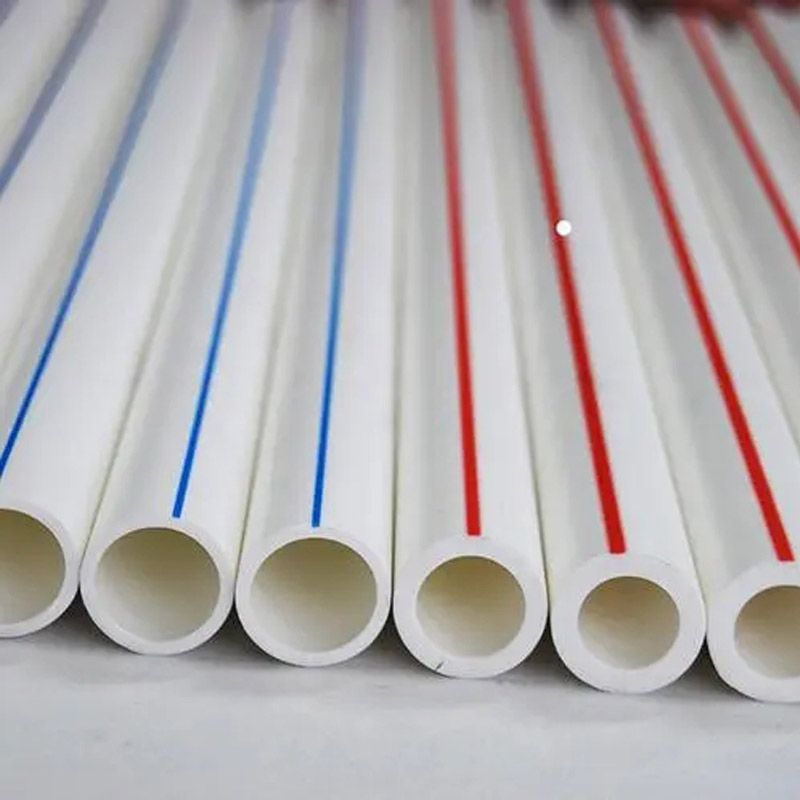
HDPE drip pipe is primarily composed of high-density polyethylene resin, chosen for its durability, flexibility, and resistance to chemical degradation. The specific grade of HDPE used typically conforms to PE100 or PE80 standards, influencing the pipe's pressure rating and long-term performance. Raw material properties include a density between 0.941 and 0.965 g/cm³, a tensile strength of 20-35 MPa, and a relatively low coefficient of friction. Manufacturing typically involves extrusion, where HDPE resin is melted and forced through a die to create a continuous pipe profile. Critical process parameters include melt temperature (180-220°C), die pressure (20-40 bar), and cooling rate. Emitter insertion is often automated, utilizing ultrasonic welding or mechanical insertion techniques. Emitter spacing and flow rate are precisely controlled during this stage. Quality control measures include hydrostatic pressure testing to verify burst strength and dimensional accuracy checks to ensure consistent flow characteristics. Further, UV stabilization additives (typically carbon black) are incorporated into the resin to mitigate degradation from prolonged sun exposure. The compatibility of these additives with the HDPE resin is crucial, as improper mixing can lead to additive blooming and reduced UV protection.
Performance & Engineering
The performance of HDPE drip pipe is dictated by its ability to withstand internal water pressure, resist environmental stressors, and maintain consistent flow rates. Force analysis focuses on hoop stress calculations based on operating pressure and pipe diameter, ensuring the pipe doesn’t exceed its yield strength. Typical working pressures range from 1.0 to 2.5 bar, depending on pipe wall thickness and diameter. Environmental resistance includes UV stability, as mentioned previously, and resistance to soil chemicals and temperature fluctuations. HDPE exhibits excellent chemical resistance to most common agricultural chemicals but can be affected by prolonged exposure to strong oxidizing agents. Temperature variations cause expansion and contraction; coefficients of linear thermal expansion are approximately 0.2 mm/m/°C. Compliance requirements vary by region but often include adherence to NSF/ANSI 61 standards for potable water contact and UL standards for UV resistance. Functional implementation depends on accurate emitter design, ensuring uniform water distribution. Emitter flow rates are typically characterized using Cv (flow coefficient) values, and emitter uniformity is assessed using statistical methods to minimize deviations from the average flow rate. Proper installation, including filtration and pressure regulation, are critical for optimal performance and longevity.
Technical Specifications
| Parameter | Unit | Typical Value (Discount HDPE Drip Pipe) | Test Standard |
|---|---|---|---|
| Nominal Diameter | mm | 16, 20, 25 | ISO 15876 |
| Wall Thickness | mm | 0.3 - 0.5 | ASTM D2412 |
| Burst Pressure | bar | 4.0 - 6.0 | ISO 11333 |
| Working Pressure | bar | 1.5 - 2.5 | Manufacturer Specification |
| Emitter Flow Rate | L/h | 2, 4, 8 | ISO 9706 |
| Emitter Spacing | cm | 30, 50, 100 | Customer Requirement |
| UV Resistance | Hours (50% Retention) | >1000 | ASTM D3804 |
Failure Mode & Maintenance
HDPE drip pipe is susceptible to several failure modes. Fatigue cracking can occur due to repeated pressure fluctuations and thermal cycling, particularly at stress concentration points like emitter junctions. Delamination can happen if the HDPE resin isn't properly bonded to the emitter during manufacturing. Degradation, primarily UV-induced, causes embrittlement and loss of tensile strength, leading to cracking and leakage. Oxidation can occur if the HDPE is exposed to high temperatures and oxygen, accelerating degradation. Clogging is a pervasive issue, stemming from mineral precipitates (calcium carbonate, iron oxides), biological growth (algae, bacteria), and particulate matter. Maintenance involves regular flushing of the system to remove sediment and biofilm buildup. Filtration is crucial, employing screen filters or disc filters with mesh sizes appropriate for the water source. Chemical treatment (chlorination or acidification) can control biological growth, but compatibility with the HDPE material must be verified. Annual pressure testing is recommended to identify leaks and weak points. When failures occur, section replacement is typically the most cost-effective repair method, ensuring proper joining techniques (compression fittings or barbed connectors) are employed. Routine visual inspection for cracks, kinks, and emitter blockages is also essential.
Industry FAQ
Q: What is the expected lifespan of discount HDPE drip pipe compared to higher-grade options?
A: Discount HDPE drip pipe generally has a lifespan of 3-5 years under typical agricultural conditions, whereas premium options utilizing higher-grade resins and UV stabilizers can last 5-7 years or longer. The primary difference lies in the resin's resistance to UV degradation and mechanical stress. While 'discount' pipe offers a cost-effective short-term solution, long-term cost considerations may favor investing in higher-quality materials.
Q: How does water quality affect the clogging rate in HDPE drip irrigation systems?
A: Water quality is a critical factor. High levels of suspended solids, mineral content (calcium, magnesium, iron), and biological contaminants significantly increase the risk of emitter clogging. Pre-treatment, including filtration and chemical injection (chlorination, acidification), is essential to mitigate these issues. Regular water analysis is recommended to determine the appropriate treatment strategy.
Q: What is the impact of soil type on the durability and performance of the drip pipe?
A: Soil type influences the pipe's susceptibility to physical damage and degradation. Sandy soils pose a lower risk of damage during installation, but can lead to root intrusion. Clay soils can exert higher pressures during soil movement, potentially causing pipe deformation or cracking. Rocky soils increase the risk of puncture during installation. Proper pipe depth and protective covering are essential to minimize these risks.
Q: Can discount HDPE drip pipe be used with fertilizers (fertigation)? What precautions should be taken?
A: Yes, HDPE drip pipe can be used for fertigation, but careful consideration must be given to fertilizer compatibility. Acidic fertilizers can accelerate degradation if not properly diluted. Insoluble fertilizers can cause emitter clogging. Always flush the system thoroughly after fertigation to remove residual fertilizer salts. Use fertilizers specifically formulated for drip irrigation systems and follow manufacturer recommendations for dilution rates.
Q: What are the best practices for winterizing HDPE drip irrigation systems in cold climates?
A: Winterizing is critical to prevent damage from freezing water. Thoroughly flush the system to remove all water. Drain all lines and components. Consider blowing the lines with compressed air to remove any remaining water. Disconnect and store emitters indoors to prevent cracking. Insulating exposed pipelines can provide additional protection.
Conclusion
Discount HDPE drip pipe represents a viable solution for cost-sensitive irrigation applications. Its performance, while potentially shorter-lived than higher-grade options, is dependent on meticulous manufacturing control, proper installation, and diligent maintenance. Understanding the material science principles governing HDPE’s behavior, coupled with proactive mitigation of common failure modes like clogging and UV degradation, is crucial for maximizing the system's lifespan and efficiency.
The ongoing development of improved UV stabilizers and more robust emitter designs promises to further enhance the longevity and reliability of HDPE drip irrigation systems. Future trends may focus on incorporating bio-based HDPE resins to reduce the environmental impact and integrating smart sensors for real-time monitoring of flow rates and pressure, optimizing water usage and preventing system failures.
-
DN25 HDPE Compression Fitting-HORON INTERNATIONAL|Reliable Irrigation Solutions
NewsFeb.11,2026
-
hdpe coupling joint product Manufacturing Analysis
News2026-11-18
-
ppr pipe heating time products Performance Analysis
News2026-11-16
-
hdpe pipe sizes factory Performance Analysis
News2026-11-09
-
HDPE Pipe Sizes Service Performance Analysis
News2026-10-26
-
wholesale 15mm ppr pipe Material Science and Performance Analysis
News2026-10-20
-
wholesale pvc pipe price per foot Technical Analysis
News2026-09-21
-
wholesale long pvc pipe Technical Analysis and Manufacturing Specifications
News2026-09-15
-
wholesale plumbing kitchen sink water lines Material Performance
News2026-09-15
-
wholesale hdpe drip irrigation Material Science
News2026-09-15
-
wholesale hot water ppr pipe Performance Analysis
News2026-09-15
-
wholesale ppr plumbing Performance Analysis
News2026-09-15
-
wholesale ppr pipe supplier Performance Analysis
News2026-09-13
-
wholesale 50mm ppr pipe Performance Analysis
News2026-09-13
-
wholesale hdpe drip pipe Performance Analysis
News2026-09-13
-
wholesale hdpe pipe 63mm price Manufacturing Specification and Performance Analysis
News2026-09-13