

Feb . 11, 2026 00:01 Back to list
discount hdpe drip irrigation Performance Analysis

Introduction
High-Density Polyethylene (HDPE) drip irrigation systems represent a significant advancement in precision agriculture, delivering water and nutrients directly to plant root zones. These systems, often offered at discounted rates to encourage wider adoption, are a core component of efficient water management in diverse agricultural settings. Positioned within the irrigation hierarchy between surface irrigation and sprinkler systems, drip irrigation utilizes a network of mainlines, submainlines, and laterals equipped with emitters. Core performance characteristics revolve around flow rate consistency, pressure compensation, emitter uniformity, and resistance to clogging. The increasing demand for sustainable agricultural practices, coupled with water scarcity, fuels the growth and relevance of cost-effective HDPE drip irrigation solutions. A primary industry pain point is balancing cost reduction with long-term durability and UV resistance, impacting operational lifespan and requiring careful material selection and manufacturing control. This guide details the material science, manufacturing processes, performance parameters, potential failure modes, and maintenance protocols associated with discount HDPE drip irrigation systems.
Material Science & Manufacturing
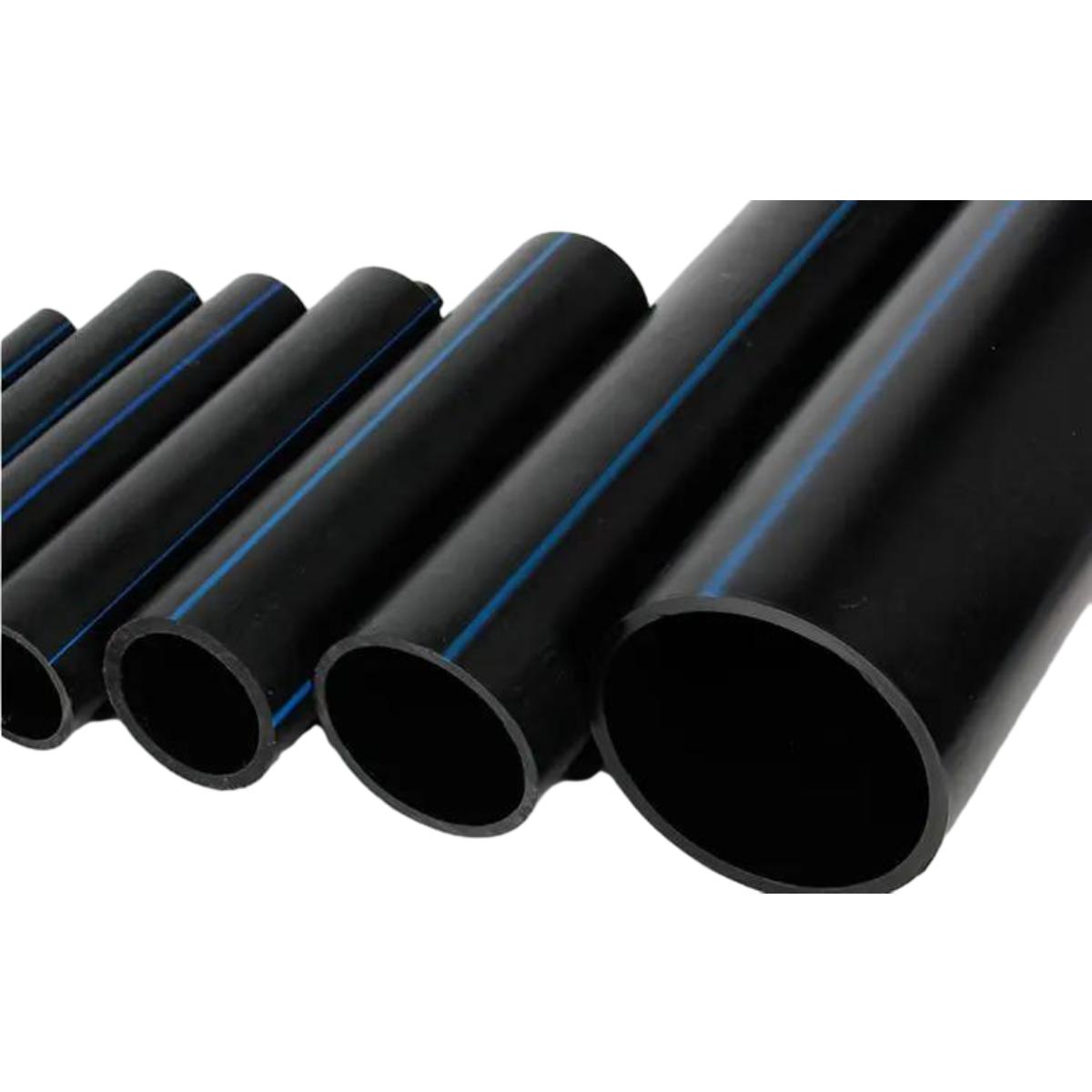
The foundational material for most drip irrigation systems is HDPE, chosen for its chemical inertness, flexibility, and cost-effectiveness. HDPE’s molecular structure – a thermoplastic polymer created from the polymerization of ethylene – dictates its physical properties. Key properties include a density between 0.941 and 0.965 g/cm³, tensile strength ranging from 8 to 12 MPa, and a relatively low coefficient of friction. However, HDPE is susceptible to degradation from ultraviolet (UV) radiation, necessitating the incorporation of UV stabilizers – typically carbon black or hindered amine light stabilizers (HALS). The concentration of UV stabilizers directly affects the system's operational life in exposed conditions. Manufacturing typically involves extrusion processes. Raw HDPE pellets are melted and forced through a die to create the various components: mainline pipes, lateral lines, and emitter tubing. Parameter control during extrusion is critical. Melt temperature (typically 180-210°C) dictates viscosity and flow, while cooling rate affects crystallinity and mechanical strength. Emitter manufacturing often utilizes punching or laser cutting techniques to create precise orifices. For inline emitters, the HDPE tubing is simultaneously extruded with the emitters molded in-place. Filter integration is another manufacturing step, often employing woven polypropylene fabric encased within molded HDPE housings. Chemical compatibility is vital; the HDPE must be resistant to commonly used fertilizers, pesticides, and soil amendments. Poor compatibility leads to material swelling, cracking, and system failure. Furthermore, recycled HDPE is frequently utilized to reduce costs, requiring rigorous quality control to ensure consistent material properties and absence of contaminants.
Performance & Engineering
Performance of HDPE drip irrigation systems is heavily influenced by hydraulic principles and material properties. Flow rate is governed by Poiseuille's Law, dictating the relationship between pressure drop, pipe diameter, viscosity, and flow rate. Pressure compensation within the system is essential for uniform water distribution, particularly on sloped terrain. This is achieved through the use of pressure-compensating emitters, typically featuring a diaphragm or spring-loaded mechanism that regulates flow regardless of inlet pressure variations. Engineering considerations include force analysis of the piping network under hydrostatic pressure, particularly at joints and connections. The tensile strength of the HDPE must exceed the hoop stress generated by the internal pressure to prevent rupture. UV resistance is a critical environmental resistance factor. Prolonged exposure to UV radiation causes chain scission in the HDPE, leading to embrittlement and cracking. Regulatory compliance requirements vary regionally, encompassing standards for water quality, material safety, and irrigation efficiency. For example, NSF/ANSI 61 standards address materials used in contact with potable water. The design of the emitter itself is crucial; emitter uniformity (measured as a coefficient of variation) impacts crop yield and water use efficiency. Proper filtration is integral to performance, preventing emitter clogging due to particulate matter and biological growth. Biofilm formation within the tubing reduces flow capacity and necessitates periodic flushing with chlorinating agents.
Technical Specifications
| Parameter | Typical Value (Discount HDPE Drip Irrigation) | Testing Standard | Acceptance Criteria |
|---|---|---|---|
| Material | High-Density Polyethylene (HDPE) | ASTM D3350 | Meets or exceeds specified density and melt index |
| Wall Thickness (Mainline) | 1.5 - 2.0 mm | ASTM D2412 | Consistent thickness throughout the pipe length |
| Burst Pressure (Mainline) | ≥ 4.0 MPa | ASTM D1597 | Sustained pressure for a minimum duration |
| Emitter Flow Rate | 2.0 – 4.0 L/h | ISO 9504-2 | Within ± 5% of stated flow rate |
| Emitter Uniformity | ≥ 90% | ISO 9504-2 | Coefficient of variation ≤ 10% |
| UV Resistance | ≥ 1000 hours (QUV-A Test) | ASTM G154 | No significant degradation after specified exposure |
Failure Mode & Maintenance
HDPE drip irrigation systems are susceptible to several failure modes. Fatigue cracking can occur in the mainline pipes due to repeated pressure fluctuations and thermal cycling. This is exacerbated by pre-existing defects or stress concentrations. Emitter clogging is a common issue, stemming from particulate matter (sand, silt, algae) or the precipitation of dissolved minerals (calcium carbonate). Biological growth (biofilm) within the tubing restricts flow and promotes clogging. UV degradation leads to embrittlement and cracking, particularly in exposed sections of the piping network. Oxidation can occur if the HDPE is exposed to strong oxidizing agents. Delamination can affect laminated tubing, leading to reduced burst pressure. Maintenance protocols include regular flushing of the system to remove sediment and biofilm, utilizing filtration systems (screen filters, disc filters, media filters) to prevent clogging, and periodic inspection for leaks and cracks. Winterization is critical in cold climates, requiring draining of the system to prevent freezing and pipe rupture. Chemical cleaning with chlorine or other biocides can control biological growth. Proper storage of the system components when not in use, shielded from UV radiation and extreme temperatures, extends the lifespan. Root intrusion can damage mainline or lateral lines. Employing root barriers and careful system layout can mitigate this risk. When replacing sections of pipe, using compatible fittings and ensuring proper joint sealing is essential.
Industry FAQ
Q: What is the expected lifespan of a discount HDPE drip irrigation system, and how does UV exposure affect it?
A: A typical discount HDPE drip irrigation system, with adequate UV stabilization, has an expected lifespan of 3-5 years. However, intense and prolonged UV exposure significantly reduces this lifespan. Without proper UV protection, cracking and embrittlement can occur within 1-2 years. The concentration and type of UV stabilizers used during manufacturing are key determinants of UV resistance.
Q: How do I determine the appropriate emitter spacing and flow rate for my crop?
A: Emitter spacing and flow rate depend on the crop’s water requirements, soil type, and plant density. Sandy soils require closer emitter spacing and lower flow rates to prevent runoff. Clay soils can tolerate wider spacing and higher flow rates. Crop-specific water needs, typically expressed in liters per day, dictate the required emitter flow rate and total application volume.
Q: What filtration methods are recommended to prevent emitter clogging?
A: A multi-stage filtration system is best. Start with a screen filter (typically 120-200 mesh) to remove large debris. Follow with a disc filter or media filter to remove finer particles and organic matter. Regular backwashing or cleaning of the filters is essential to maintain their effectiveness.
Q: What is the impact of using recycled HDPE on the system’s durability?
A: The use of recycled HDPE can reduce system cost, but requires careful quality control. Recycled material may exhibit slightly lower tensile strength and increased susceptibility to UV degradation compared to virgin HDPE. Reputable manufacturers using recycled HDPE implement rigorous testing procedures to ensure material properties meet performance standards.
Q: What are the best practices for winterizing a drip irrigation system?
A: Thoroughly drain the entire system, including mainlines, submainlines, and laterals. Disconnect and store emitters indoors to prevent freezing and cracking. Blow out any remaining water in the lines using compressed air. Insulate exposed sections of piping to minimize the risk of damage from freezing temperatures.
Conclusion
Discount HDPE drip irrigation provides an accessible and efficient solution for precision agriculture, however, understanding the material science and manufacturing intricacies is paramount to realizing long-term value. The balance between cost reduction and performance relies heavily on HDPE quality, UV stabilization, and proper system design. Addressing potential failure modes – clogging, UV degradation, and mechanical damage – through preventative maintenance and appropriate filtration practices will maximize system lifespan and irrigation efficiency.
Future advancements in HDPE formulations, including enhanced UV stabilizers and impact modifiers, promise further improvements in durability and performance. The integration of smart irrigation controllers and sensors will enable optimized water delivery based on real-time environmental conditions and plant needs, leading to even greater water conservation and crop yield. A commitment to rigorous quality control throughout the manufacturing process and adherence to industry standards will continue to drive the adoption of cost-effective and sustainable drip irrigation technologies.
-
DN25 HDPE Compression Fitting-HORON INTERNATIONAL|Reliable Irrigation Solutions
NewsFeb.11,2026
-
hdpe coupling joint product Manufacturing Analysis
News2026-11-18
-
ppr pipe heating time products Performance Analysis
News2026-11-16
-
hdpe pipe sizes factory Performance Analysis
News2026-11-09
-
HDPE Pipe Sizes Service Performance Analysis
News2026-10-26
-
wholesale 15mm ppr pipe Material Science and Performance Analysis
News2026-10-20
-
wholesale pvc pipe price per foot Technical Analysis
News2026-09-21
-
wholesale long pvc pipe Technical Analysis and Manufacturing Specifications
News2026-09-15
-
wholesale plumbing kitchen sink water lines Material Performance
News2026-09-15
-
wholesale hdpe drip irrigation Material Science
News2026-09-15
-
wholesale hot water ppr pipe Performance Analysis
News2026-09-15
-
wholesale ppr plumbing Performance Analysis
News2026-09-15
-
wholesale ppr pipe supplier Performance Analysis
News2026-09-13
-
wholesale 50mm ppr pipe Performance Analysis
News2026-09-13
-
wholesale hdpe drip pipe Performance Analysis
News2026-09-13
-
wholesale hdpe pipe 63mm price Manufacturing Specification and Performance Analysis
News2026-09-13