

Feb . 11, 2026 00:01 Back to list
discount hdpe coupling price Performance Analysis
Introduction
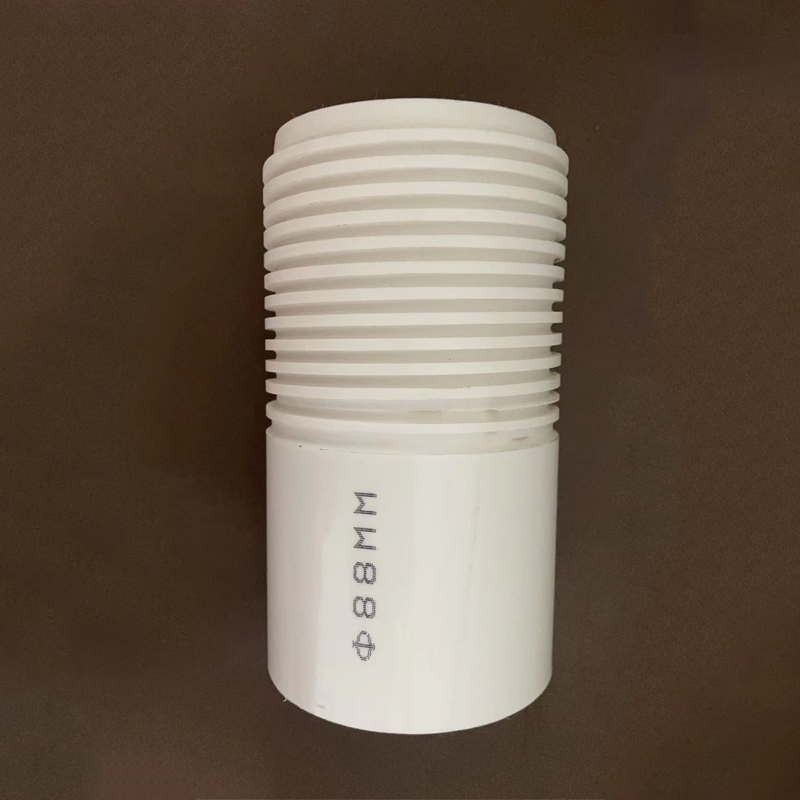
High-Density Polyethylene (HDPE) couplings are integral components in fluid conveyance systems, serving as a joining mechanism for HDPE pipes. Discount HDPE coupling price refers to the commercially available cost of these fittings, a critical factor in project budgeting, particularly in large-scale infrastructure projects. Positioned within the broader piping industry chain, HDPE couplings interface directly with HDPE pipe extrusion, raw material supply (polyethylene resin), and end-use applications spanning water distribution, irrigation, gas transmission, and drainage systems. Their primary performance characteristics include pressure rating, leak-proof sealing, and resistance to chemical corrosion. The demand for cost-effective HDPE couplings is driven by the increasing adoption of HDPE piping due to its durability, flexibility, and lightweight nature compared to traditional materials like ductile iron or steel. A key pain point for procurement managers lies in balancing initial cost with long-term performance and ensuring compliance with relevant industry standards.
Material Science & Manufacturing
HDPE couplings are primarily manufactured from high-density polyethylene resin, a thermoplastic polymer produced from the polymerization of ethylene. The resin grade employed dictates the coupling's mechanical properties and chemical resistance. Key material properties include a density typically ranging from 0.941 to 0.965 g/cm³, tensile strength between 20-30 MPa, and a relatively high degree of crystallinity which contributes to its rigidity and resistance to creep. Manufacturing processes typically involve injection molding. Polyethylene resin is heated to a molten state and injected under high pressure into a mold cavity shaped like the coupling. Parameter control is critical during injection molding. Mold temperature (typically 60-80°C) influences crystallization rate and dimensional accuracy. Injection pressure (ranging from 50-150 MPa) affects flow filling and void formation. Cooling rate impacts shrinkage and warpage. Another manufacturing method for larger diameter couplings is rotational molding, offering a more economical approach for low-volume production but with potentially lower dimensional precision. Post-molding operations may include trimming of flash, deburring, and quality control inspection. The choice of colorant during the molding process can also influence UV resistance, particularly for couplings intended for above-ground applications.
Performance & Engineering
The performance of HDPE couplings is governed by several engineering considerations. Pressure rating, often expressed in PSI or bars, is a crucial parameter determined through hydrostatic pressure testing as per ASTM D2412 or ISO 1167. Couplings are designed to withstand the internal pressure of the conveyed fluid without failure. Force analysis involves evaluating the stresses induced on the coupling body and sealing elements under internal pressure and external loads (e.g., soil overburden). Environmental resistance is another critical factor. HDPE exhibits excellent resistance to most chemicals, but prolonged exposure to strong oxidizing agents or certain solvents can lead to degradation. UV exposure can cause embrittlement; therefore, UV stabilizers are commonly incorporated into the HDPE resin formulation. Compliance requirements vary depending on the application. For potable water systems, couplings must meet NSF/ANSI 61 standards to ensure they do not leach harmful contaminants into the water. Gas transmission systems require compliance with DOT regulations regarding material traceability and testing. The sealing mechanism, typically employing a rubber gasket (EPDM, nitrile, or silicone), is vital for leak-proof performance. Gasket compression and material compatibility with the conveyed fluid are key engineering design parameters.
Technical Specifications
| Parameter | Unit | Specification Range | Testing Standard |
|---|---|---|---|
| Nominal Pipe Size | inch | ½ - 48 | ASTM D1785 |
| Pressure Rating | PSI | 100 - 350 | ASTM D2412 |
| Material | - | HDPE (PE100, PE80) | ASTM D3350 |
| Operating Temperature | °C | -40 to +60 | - |
| Gasket Material | - | EPDM, Nitrile, Silicone | - |
| Joint Type | - | Socket Weld, Butt Fusion, Mechanical | - |
Failure Mode & Maintenance
HDPE couplings, while robust, are susceptible to certain failure modes. Fatigue cracking can occur under cyclic pressure loading, particularly at stress concentrations near weld joints or molded features. Environmental Stress Cracking (ESC) results from the combined effect of stress and exposure to aggressive chemicals. Delamination can occur within the coupling body due to inadequate bonding during molding or improper fusion welding. Degradation, stemming from prolonged UV exposure, leads to embrittlement and reduced impact resistance. Oxidation can also affect the material properties over time. Maintenance primarily involves visual inspection for cracks, leaks, or deformation. Regularly check gasket compression and replace gaskets if they exhibit signs of deterioration. For mechanical couplings, ensure bolts are properly torqued. In the event of a leak, immediately isolate the affected section of the pipeline. Proper storage of couplings is crucial; they should be protected from direct sunlight and extreme temperatures. For butt-fused joints, ensure correct fusion parameters (temperature, pressure, dwell time) are maintained to achieve a strong, homogenous weld. Regular hydrostatic testing of the pipeline system can identify potential weak points before catastrophic failure occurs.
Industry FAQ
Q: What is the impact of different polyethylene resin densities (PE80 vs PE100) on the long-term performance of HDPE couplings?
A: PE100 offers superior resistance to slow crack growth and higher stress crack resistance compared to PE80. This translates to a longer service life, particularly in demanding applications with high pressures or exposure to aggressive environments. While PE80 couplings are more cost-effective, PE100 is generally preferred for critical applications where long-term reliability is paramount.
Q: How does temperature fluctuation affect the sealing performance of HDPE couplings with rubber gaskets?
A: Extreme temperatures can impact the elasticity and sealing properties of rubber gaskets. High temperatures can cause the gasket to swell or soften, potentially leading to leaks. Low temperatures can cause the gasket to become brittle and lose its compression force. Selecting a gasket material compatible with the operating temperature range is crucial. EPDM gaskets are generally preferred for a wide temperature range, while silicone gaskets offer superior performance at extreme temperatures.
Q: What are the common causes of leakage in mechanical HDPE couplings and how can they be prevented?
A: Common causes include improper gasket installation, insufficient bolt torque, damage to the gasket sealing surface, and corrosion of the coupling body. Prevention involves ensuring proper gasket seating during installation, using a calibrated torque wrench to achieve the specified torque, inspecting the sealing surface for damage, and selecting couplings with corrosion-resistant materials for the application environment.
Q: What are the key considerations when selecting an HDPE coupling for a potable water system?
A: The coupling must meet NSF/ANSI 61 standards to ensure it does not leach harmful contaminants into the water. The material must be certified for potable water contact. The coupling should be resistant to chlorine and other disinfection chemicals commonly used in water treatment. Consider the pressure rating and operating temperature requirements of the system.
Q: What are the best practices for butt-fusion welding HDPE couplings to pipes to ensure a strong and leak-proof joint?
A: Ensure the pipe and coupling surfaces are clean and dry before welding. Use properly calibrated fusion equipment. Adhere to the manufacturer's recommended fusion parameters (temperature, pressure, dwell time). Inspect the weld bead visually for defects. Perform a pull test to verify the weld strength. Allow the weld to cool properly before pressurizing the system.
Conclusion
Discount HDPE coupling price is a significant factor in project cost, but focusing solely on initial price can lead to long-term performance issues. A thorough understanding of the material science underpinning HDPE, the intricacies of its manufacturing processes, and the engineering principles governing its performance is paramount for selecting the appropriate coupling for a given application. The selection process must incorporate consideration of pressure ratings, environmental factors, compliance requirements, and potential failure modes.
Ultimately, prioritizing quality and adherence to relevant industry standards—rather than simply the lowest price—will result in a more reliable and cost-effective piping system. Implementing robust maintenance protocols and conducting regular inspections are also critical for maximizing the service life and minimizing the risk of catastrophic failure. Continuous monitoring of emerging standards and technological advancements in HDPE coupling design will further enhance system performance and longevity.
-
DN25 HDPE Compression Fitting-HORON INTERNATIONAL|Reliable Irrigation Solutions
NewsFeb.11,2026
-
hdpe coupling joint product Manufacturing Analysis
News2026-11-18
-
ppr pipe heating time products Performance Analysis
News2026-11-16
-
hdpe pipe sizes factory Performance Analysis
News2026-11-09
-
HDPE Pipe Sizes Service Performance Analysis
News2026-10-26
-
wholesale 15mm ppr pipe Material Science and Performance Analysis
News2026-10-20
-
wholesale pvc pipe price per foot Technical Analysis
News2026-09-21
-
wholesale long pvc pipe Technical Analysis and Manufacturing Specifications
News2026-09-15
-
wholesale plumbing kitchen sink water lines Material Performance
News2026-09-15
-
wholesale hdpe drip irrigation Material Science
News2026-09-15
-
wholesale hot water ppr pipe Performance Analysis
News2026-09-15
-
wholesale ppr plumbing Performance Analysis
News2026-09-15
-
wholesale ppr pipe supplier Performance Analysis
News2026-09-13
-
wholesale 50mm ppr pipe Performance Analysis
News2026-09-13
-
wholesale hdpe drip pipe Performance Analysis
News2026-09-13
-
wholesale hdpe pipe 63mm price Manufacturing Specification and Performance Analysis
News2026-09-13