

Feb . 11, 2026 00:01 Back to list
discount hdpe coupling fittings Performance Analysis
Introduction
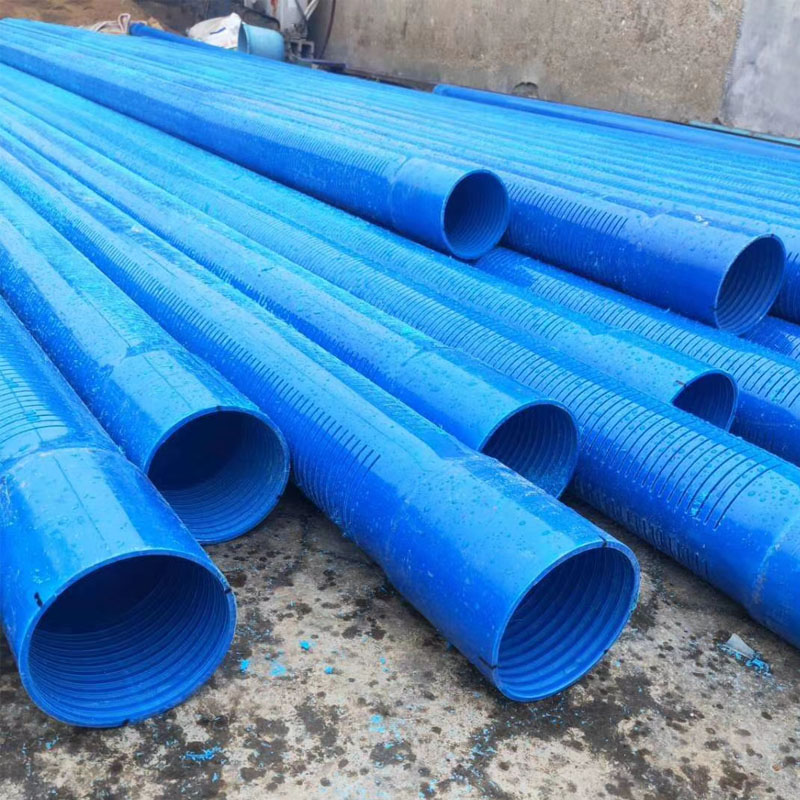
High-Density Polyethylene (HDPE) coupling fittings represent a crucial component in thermoplastic piping systems widely utilized across diverse industrial sectors including water distribution, irrigation, mining, and gas transport. These fittings facilitate the connection of HDPE pipes, enabling the creation of leak-proof, durable, and cost-effective fluid conveyance networks. Their adoption is driven by HDPE’s inherent corrosion resistance, flexibility, and lightweight nature, offering significant advantages over traditional metallic counterparts. The ‘discount’ designation primarily reflects economies of scale in manufacturing and sourcing, making these fittings accessible for large-scale projects and routine maintenance. This guide provides an in-depth technical overview of discount HDPE coupling fittings, covering material science, manufacturing processes, performance characteristics, failure modes, and relevant industry standards. Core performance metrics include pressure rating, tensile strength of the weld, chemical resistance, and long-term hydrostatic strength.
Material Science & Manufacturing
HDPE is a thermoplastic polymer produced from the polymerization of ethylene. Its semi-crystalline structure imparts high tensile strength, impact resistance, and flexibility. The specific grade of HDPE used in coupling fittings dictates the final properties. Typically, HDPE fittings utilize HDPE conforming to PE100 or PE80 standards, indicating a minimum required strength (MRS - Minimum Required Strength) value. PE100 offers superior long-term strength and is preferred for higher-pressure applications. Raw materials often include carbon black for UV protection and stabilizers to prevent oxidative degradation. Manufacturing processes vary depending on the fitting size and complexity. Injection molding is common for smaller fittings, offering precise dimensions and high production rates. For larger diameter couplings, rotational molding or extrusion techniques are employed. Critical parameters during injection molding include melt temperature (typically 200-250°C), mold temperature (30-60°C), and injection pressure (optimized to avoid air entrapment and ensure complete filling). Extrusion requires precise control of die temperature and pull speed to maintain consistent wall thickness. Post-molding cooling rates are carefully controlled to minimize residual stress and warping. The polyethylene material used has a density between 0.931 and 0.965 g/cm3. Chemical compatibility considerations center around resistance to acids, bases, and solvents; however, prolonged exposure to strong oxidizing agents should be avoided.
Performance & Engineering
The performance of HDPE coupling fittings is primarily governed by their ability to withstand internal pressure and external loads. Force analysis during design considers hoop stress and longitudinal stress within the pipe and fitting. Finite Element Analysis (FEA) is frequently used to optimize fitting geometry and minimize stress concentrations. Environmental resistance is a critical consideration. HDPE exhibits excellent resistance to UV radiation, particularly when carbon black is incorporated. However, long-term exposure to direct sunlight can still cause gradual degradation. Temperature significantly impacts HDPE’s mechanical properties. As temperature increases, tensile strength and creep resistance decrease. Therefore, operating temperature limits (typically -40°C to +60°C) must be adhered to. Compliance requirements vary by region and application. For potable water systems, fittings must comply with NSF/ANSI 61 standards, ensuring they do not leach harmful contaminants into the water supply. Gas transport applications require compliance with DOT regulations and stringent leak testing protocols. Hydrostatic testing is a standard quality control procedure to verify the fitting’s ability to withstand internal pressure. The testing involves pressurizing the fitting to a specified level (typically 1.5 to 2 times the working pressure) for a defined duration and inspecting for leaks or deformation. Joining methods, primarily thermal fusion (butt fusion, socket fusion, electrofusion), significantly influence the overall system integrity. Proper fusion parameters are crucial to achieve a weld strength equivalent to or greater than the HDPE material itself.
Technical Specifications
| Parameter | Unit | PE80 | PE100 |
|---|---|---|---|
| Minimum Required Strength (MRS) | MPa | 8.0 | 10.0 |
| Density | g/cm³ | 0.951 - 0.965 | 0.931 - 0.965 |
| Working Pressure (PN16) | bar | 16 | 16 |
| Operating Temperature | °C | -40 to +60 | -40 to +60 |
| Impact Strength (Charpy, -20°C) | kJ/m² | >15 | >20 |
| UV Resistance (Carbon Black Content) | % | 2.5 – 3.0 | 2.5 – 3.0 |
Failure Mode & Maintenance
HDPE coupling fittings, while durable, are susceptible to specific failure modes. Slow Crack Growth (SCG) is a prevalent issue, particularly in fittings exposed to sustained tensile stress and aggressive chemicals. This involves the initiation and propagation of cracks over time, leading to eventual failure. Environmental Stress Cracking (ESC) is similar, often triggered by surface defects or residual stress from manufacturing. Fatigue cracking can occur in joints subjected to cyclic loading, such as in pump lines or vibrating systems. Oxidation can lead to embrittlement and loss of impact resistance, especially at elevated temperatures. Joint failure can occur due to improper fusion techniques, insufficient fusion time, or contamination during the welding process. Maintenance primarily focuses on visual inspections for cracks, leaks, or deformation. Regular hydrostatic testing can proactively identify weakened fittings. Preventive maintenance includes protecting fittings from direct sunlight and extreme temperatures. For repairs, damaged fittings should be replaced rather than attempting to weld repairs due to potential compromised integrity. Cleaning the external surfaces of the fitting helps detect any nascent cracks. Periodically checking the tightness of any mechanical connections associated with the fitting is vital. Documentation of fusion parameters (temperature, pressure, time) is essential for traceability and quality control.
Industry FAQ
Q: What is the primary difference between PE80 and PE100 HDPE fittings in terms of long-term performance?
A: PE100 fittings possess a higher Minimum Required Strength (MRS) of 10 MPa compared to PE80’s 8 MPa. This translates to a significantly improved resistance to slow crack growth and longer service life, especially in demanding applications involving higher pressures or aggressive environments. PE100 is generally preferred for critical applications where long-term reliability is paramount.
Q: How does UV exposure affect HDPE coupling fittings, and what mitigation strategies are recommended?
A: Prolonged exposure to UV radiation can cause HDPE to become brittle and lose its impact resistance. The inclusion of carbon black in the HDPE formulation provides significant UV protection. However, it’s still recommended to shield fittings from direct sunlight whenever possible, particularly during prolonged storage or outdoor installations. Dark colored HDPE fittings provide better UV resistance compared to natural HDPE.
Q: What are the key considerations for ensuring a reliable thermal fusion weld with HDPE couplings?
A: Proper surface preparation (cleaning and drying) is critical. Accurate temperature and pressure control during the fusion process are essential to achieve a homogeneous weld. Adherence to manufacturer’s recommended fusion parameters (time, temperature, force) is paramount. Ensuring the welding equipment is properly calibrated and maintained is also vital. Post-weld cooling must be controlled to minimize residual stress.
Q: What is the impact of operating temperature on the performance of HDPE coupling fittings?
A: As operating temperature increases, the tensile strength and creep resistance of HDPE decrease. Exceeding the recommended operating temperature limits (typically -40°C to +60°C) can lead to premature failure. For applications involving elevated temperatures, selecting a higher-grade HDPE material or considering alternative piping materials may be necessary.
Q: What are the common causes of leakage at HDPE coupling joints and how can they be prevented?
A: Leakage can result from improper fusion (incomplete weld penetration, insufficient fusion pressure), contamination of the welding surfaces, or damage to the fitting during installation. Prevention involves meticulous surface preparation, adherence to recommended fusion parameters, careful handling of fittings, and thorough post-fusion inspection.
Conclusion
Discount HDPE coupling fittings represent a robust and cost-effective solution for joining HDPE pipes in a wide range of applications. Their performance relies heavily on the quality of the HDPE material, the precision of the manufacturing process, and adherence to proper installation and maintenance procedures. Understanding the material science, potential failure modes, and relevant industry standards is crucial for ensuring long-term system integrity and minimizing the risk of costly failures.
The increasing demand for sustainable and durable piping solutions will continue to drive the adoption of HDPE fittings. Future developments may focus on enhancing UV resistance, improving fusion techniques, and developing smart fittings with integrated sensors for leak detection and performance monitoring. Selecting the appropriate HDPE grade and fusion method based on application-specific requirements remains paramount for optimal performance and longevity.
-
DN25 HDPE Compression Fitting-HORON INTERNATIONAL|Reliable Irrigation Solutions
NewsFeb.11,2026
-
hdpe coupling joint product Manufacturing Analysis
News2026-11-18
-
ppr pipe heating time products Performance Analysis
News2026-11-16
-
hdpe pipe sizes factory Performance Analysis
News2026-11-09
-
HDPE Pipe Sizes Service Performance Analysis
News2026-10-26
-
wholesale 15mm ppr pipe Material Science and Performance Analysis
News2026-10-20
-
wholesale pvc pipe price per foot Technical Analysis
News2026-09-21
-
wholesale long pvc pipe Technical Analysis and Manufacturing Specifications
News2026-09-15
-
wholesale plumbing kitchen sink water lines Material Performance
News2026-09-15
-
wholesale hdpe drip irrigation Material Science
News2026-09-15
-
wholesale hot water ppr pipe Performance Analysis
News2026-09-15
-
wholesale ppr plumbing Performance Analysis
News2026-09-15
-
wholesale ppr pipe supplier Performance Analysis
News2026-09-13
-
wholesale 50mm ppr pipe Performance Analysis
News2026-09-13
-
wholesale hdpe drip pipe Performance Analysis
News2026-09-13
-
wholesale hdpe pipe 63mm price Manufacturing Specification and Performance Analysis
News2026-09-13