

Feb . 11, 2026 00:01 Back to list
discount hdpe corrugated subsoil drainage pipe Performance Analysis
Introduction
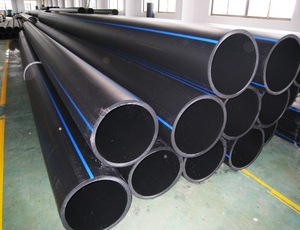
High-Density Polyethylene (HDPE) corrugated subsoil drainage pipe is a crucial component of modern site drainage systems, employed extensively in civil engineering, landscaping, and agricultural applications. This pipe facilitates the efficient removal of subsurface water, preventing hydrostatic pressure build-up that can lead to structural damage, soil erosion, and waterlogging. Unlike traditional drainage materials like concrete or clay, HDPE offers significant advantages in terms of weight, installation speed, and long-term durability. Its corrugated structure provides high ring stiffness, allowing it to withstand substantial soil loads while maintaining flow capacity. This guide provides a comprehensive technical overview of discount HDPE corrugated subsoil drainage pipe, covering material science, manufacturing processes, performance characteristics, failure modes, and relevant industry standards. The increasing demand for cost-effective and reliable drainage solutions positions HDPE corrugated pipe as a cornerstone of sustainable infrastructure development. A key industry pain point is balancing cost with long-term performance, particularly ensuring resistance to chemical degradation and physical damage during installation and service.
Material Science & Manufacturing
The primary material for these pipes is high-density polyethylene (HDPE), a thermoplastic polymer known for its excellent chemical resistance, flexibility, and durability. HDPE is produced through the polymerization of ethylene. The grade of HDPE used significantly impacts the pipe’s performance characteristics; typically, HDPE resins conforming to PE 100 standards are employed for subsoil drainage applications, offering a minimum required strength (MRS) of 10 MPa. The manufacturing process typically involves extrusion. HDPE pellets are fed into an extruder, where they are melted and forced through a circular die. A corrugating unit immediately follows the die, forming the characteristic ribbed exterior. The corrugations enhance the pipe’s ring stiffness, allowing it to bear substantial loads. Critical parameters during extrusion include melt temperature (typically between 180-220°C), die pressure, and cooling rate. Proper cooling is crucial to ensure dimensional stability and prevent warping. The pipe is then cut to length, and couplings are often attached during or immediately after the extrusion process. Quality control measures include regular testing of the HDPE resin for density, melt flow index, and impact strength, as well as dimensional checks on the finished pipe to ensure it meets specified tolerances. Furthermore, UV stabilizers are often incorporated into the HDPE compound to mitigate degradation from sunlight exposure during storage and installation.
Performance & Engineering
The performance of HDPE corrugated subsoil drainage pipe is dictated by several key engineering properties. Ring stiffness, measured in psi or kPa, represents the pipe's resistance to flattening under external loads. Higher ring stiffness allows the pipe to withstand greater soil cover without deformation, maintaining flow capacity. Hydraulic capacity is another crucial factor, determined by the pipe's diameter, corrugation profile, and internal smoothness. Manning's equation is commonly used to calculate flow rate based on these parameters. The pipe's ability to resist hydrostatic pressure is also important, particularly in situations with high water tables. HDPE’s inherent flexibility allows it to conform to ground movement and minimize the risk of cracking. Engineers must consider soil conditions, anticipated groundwater levels, and potential surcharge loads when selecting the appropriate pipe size and ring stiffness. Installation practices are also critical; proper bedding and backfill compaction are essential to provide adequate support and prevent damage. The long-term creep resistance of HDPE is a critical consideration, as sustained loading can lead to dimensional changes over time. Finite element analysis (FEA) is frequently used to model the pipe's behavior under various loading conditions and optimize its design for specific applications. Compliance with local regulations and building codes is paramount, dictating allowable bending radii and minimum burial depths.
Technical Specifications
| Parameter | Unit | Typical Value | Test Standard |
|---|---|---|---|
| Nominal Diameter | inches | 4-36 | ASTM D3212 |
| Ring Stiffness | psi | 34-73 | ASTM D2412 |
| Material | - | PE 100 | ISO 4437 |
| Minimum Required Strength (MRS) | MPa | 10 | ISO 9836 |
| Longitudinal Reversion | % | ≤ 2.0 | ASTM D2412 |
| Impact Resistance (Low Temperature) | ft-lb | ≥ 10 | ASTM D2444 |
Failure Mode & Maintenance
HDPE corrugated subsoil drainage pipe, while durable, is susceptible to several failure modes. Creep rupture, caused by sustained loading over time, can lead to flattening and reduced flow capacity. This is particularly prevalent in areas with heavy soil cover or frequent surcharge loads. Fatigue cracking can occur due to repeated bending or flexing, especially during installation if the pipe is mishandled. Environmental stress cracking (ESC) can be initiated by exposure to certain chemicals in the surrounding soil or groundwater, particularly those containing detergents or solvents. UV degradation can cause embrittlement and loss of strength if the pipe is exposed to sunlight for extended periods. Physical damage during installation, such as punctures or crushing, is also a common cause of failure. Maintenance typically involves periodic inspection to identify signs of deformation, cracking, or blockage. Blockages can be cleared using mechanical cleaning methods, such as rodding or jetting. In cases of significant damage, pipe sections may need to be replaced. Preventative measures include proper site preparation, careful handling during installation, and the use of appropriate bedding and backfill materials. Regular monitoring of groundwater chemistry can help identify potential ESC risks and allow for mitigation strategies. Addressing any soil instability issues can also help to prevent excessive stress on the pipe.
Industry FAQ
Q: What is the impact of soil acidity on the long-term performance of HDPE drainage pipe?
A: High soil acidity can accelerate the degradation of HDPE, particularly through environmental stress cracking (ESC). While HDPE is generally chemically resistant, prolonged exposure to acidic conditions can reduce its long-term durability. Selecting a pipe with enhanced chemical resistance and employing protective measures, such as a geotextile filter layer, can mitigate this risk.
Q: How does the type of backfill material affect the pipe’s ring stiffness and load-bearing capacity?
A: Proper backfill material is critical. Granular materials, such as gravel or sand, provide uniform support and distribute loads effectively. Clay-rich soils can create uneven pressure and reduce the pipe's ring stiffness. Compaction is also crucial; inadequate compaction can lead to settling and pipe deformation.
Q: What are the considerations for installing HDPE drainage pipe in areas with high groundwater tables?
A: In areas with high groundwater tables, ensure the pipe is adequately anchored to prevent flotation. Employ proper bedding and backfill compaction to provide sufficient resistance to hydrostatic pressure. Consider using filter fabric to prevent soil fines from entering the pipe and causing blockages.
Q: Can HDPE corrugated pipe be used in conjunction with other drainage materials, such as geotextiles?
A: Yes, HDPE corrugated pipe is frequently used in conjunction with geotextiles. Geotextiles act as a filter layer, preventing soil fines from entering the pipe while allowing water to pass through, maintaining hydraulic capacity and preventing blockages. They also provide additional support and protection to the pipe.
Q: What is the expected service life of a properly installed HDPE corrugated subsoil drainage system?
A: With proper installation and consideration of site-specific conditions, a properly installed HDPE corrugated subsoil drainage system can have a service life of 50 years or more. Regular inspections and maintenance can extend the lifespan even further. However, aggressive environmental conditions or improper installation can significantly reduce its longevity.
Conclusion
Discount HDPE corrugated subsoil drainage pipe represents a robust and cost-effective solution for managing subsurface water. Its inherent material properties – high density polyethylene’s chemical resistance and flexibility – coupled with a carefully controlled extrusion and corrugation process, deliver a product capable of withstanding significant soil loads and maintaining efficient drainage capacity. Understanding the nuances of material science, installation best practices, and potential failure modes is crucial for maximizing the lifespan and performance of these systems.
Future development in this field will likely focus on enhancing material formulations to improve resistance to environmental stress cracking and UV degradation, alongside advancements in manufacturing techniques to optimize pipe geometry for even greater hydraulic efficiency and structural integrity. Continued adherence to international standards and rigorous quality control measures will remain paramount in ensuring the long-term reliability of HDPE corrugated subsoil drainage systems.
-
DN25 HDPE Compression Fitting-HORON INTERNATIONAL|Reliable Irrigation Solutions
NewsFeb.11,2026
-
hdpe coupling joint product Manufacturing Analysis
News2026-11-18
-
ppr pipe heating time products Performance Analysis
News2026-11-16
-
hdpe pipe sizes factory Performance Analysis
News2026-11-09
-
HDPE Pipe Sizes Service Performance Analysis
News2026-10-26
-
wholesale 15mm ppr pipe Material Science and Performance Analysis
News2026-10-20
-
wholesale pvc pipe price per foot Technical Analysis
News2026-09-21
-
wholesale long pvc pipe Technical Analysis and Manufacturing Specifications
News2026-09-15
-
wholesale plumbing kitchen sink water lines Material Performance
News2026-09-15
-
wholesale hdpe drip irrigation Material Science
News2026-09-15
-
wholesale hot water ppr pipe Performance Analysis
News2026-09-15
-
wholesale ppr plumbing Performance Analysis
News2026-09-15
-
wholesale ppr pipe supplier Performance Analysis
News2026-09-13
-
wholesale 50mm ppr pipe Performance Analysis
News2026-09-13
-
wholesale hdpe drip pipe Performance Analysis
News2026-09-13
-
wholesale hdpe pipe 63mm price Manufacturing Specification and Performance Analysis
News2026-09-13