

Feb . 11, 2026 00:01 Back to list
discount hdpe corrugated pipe Performance Analysis
Introduction
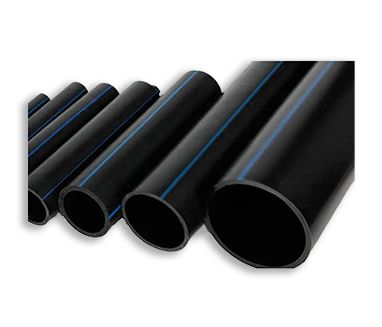
High-Density Polyethylene (HDPE) corrugated pipe is a thermoplastic ducting system widely utilized in gravity flow and low-pressure applications, predominantly in drainage, culverts, stormwater management, and subsurface drainage. Positioned as a cost-effective alternative to concrete, steel, and PVC piping, its appeal stems from its lightweight nature, ease of installation, and inherent corrosion resistance. This guide provides an in-depth technical assessment of discount HDPE corrugated pipe, covering material science, manufacturing processes, performance characteristics, failure modes, and relevant industry standards. The emphasis will be on understanding the engineering principles governing its functionality and longevity, addressing key concerns within the civil engineering and infrastructure sectors. The 'discount' aspect typically relates to optimized manufacturing processes and material sourcing, presenting a value proposition without necessarily compromising core performance parameters when adhering to established standards.
Material Science & Manufacturing
HDPE corrugated pipe begins with high-density polyethylene resin, characterized by a high degree of linearity and minimal branching. This molecular structure contributes to its superior tensile strength, rigidity, and chemical resistance compared to low-density polyethylene (LDPE). The resin typically conforms to ASTM D3350 standards, specifying various grades based on density and melt flow index. Raw materials are often sourced from petrochemical cracking processes. Manufacturing utilizes either extrusion or injection molding techniques. Extrusion, the more common method, involves melting the HDPE resin and forcing it through a circular die to form a continuous pipe. Simultaneously, a corrugation process, typically employing rollers with patterned surfaces, imparts the characteristic ribbed structure. Critical parameters during extrusion include melt temperature (typically 180-210°C), extrusion speed, and corrugation roller pressure. These parameters directly influence the pipe’s dimensional accuracy, ring stiffness, and overall structural integrity. Injection molding is used for fittings and shorter pipe segments. Post-extrusion, pipes undergo cooling, diameter control, and quality inspection. UV stabilization additives, such as carbon black, are frequently incorporated during compounding to enhance resistance to degradation from sunlight exposure. The compatibility of these additives with the HDPE matrix is crucial to avoid blooming or migration, which can compromise the pipe’s properties. Chemical compatibility with commonly encountered soil constituents (acids, bases, sulfates) is also a consideration in material selection.

Performance & Engineering
The primary function of HDPE corrugated pipe is to efficiently convey fluids, typically water, under gravity or low-pressure conditions. Performance is governed by several key engineering parameters. Ring stiffness, measured in psi, indicates the pipe’s resistance to flattening under load. This is critical for soil loading and traffic impact. Tensile strength and elongation at break, determined through ASTM D638 testing, characterize the material’s ability to withstand tensile stress. Manning’s roughness coefficient, a measure of the internal surface friction, dictates flow capacity. HDPE exhibits a relatively smooth surface, resulting in a lower Manning’s ‘n’ value and enhanced hydraulic efficiency. The pipe’s long-term performance is also affected by creep, the tendency of the material to deform slowly under sustained stress. Environmental resistance is paramount. HDPE is inherently resistant to most chemicals found in soil and wastewater, but prolonged exposure to strong oxidizing agents should be avoided. Burial depth and soil conditions significantly influence pipe performance. Proper bedding and backfill are essential to distribute loads evenly and prevent stress concentrations. Structural analysis, often employing finite element modeling (FEM), is utilized to assess the pipe's capacity to withstand various loading scenarios, including soil overburden, traffic loads, and hydrostatic pressure. Compliance with AASHTO M294 standards is crucial for drainage applications, defining minimum performance requirements for ring stiffness, tensile strength, and impact resistance.
Technical Specifications
| Parameter | Units | Typical Value (12" Diameter) | Test Standard |
|---|---|---|---|
| Nominal Diameter | inches | 12 | ASTM F405 |
| Ring Stiffness | psi | 60-80 | ASTM D2412 |
| Tensile Strength at Yield | psi | 3,000-4,000 | ASTM D638 |
| Elongation at Break | % | 300-500 | ASTM D638 |
| Manning’s Roughness Coefficient | - | 0.011-0.013 | Calculated |
| Minimum Cover Requirement | feet | 2-4 (depending on load) | Manufacturer’s Recommendation |
Failure Mode & Maintenance
Several failure modes can affect the long-term performance of HDPE corrugated pipe. Creep rupture, as previously mentioned, can occur under sustained loads, leading to gradual deformation and eventual failure. Environmental Stress Cracking (ESC) can initiate due to the combined effects of tensile stress and exposure to aggressive chemicals. UV degradation, if the pipe is inadequately protected from sunlight, can embrittle the material and reduce its impact resistance. Joint failures are common, often resulting from improper installation or soil settlement. Impact damage from construction equipment or debris can cause cracking or puncture. Delamination of the corrugated layers can occur if the bonding between the layers is compromised during manufacturing or due to prolonged exposure to harsh conditions. Maintenance typically involves visual inspection for cracks, deformation, and joint leaks. Regular cleaning to remove sediment buildup can maintain hydraulic capacity. Backfill settlement should be monitored and addressed promptly. Repair options include sleeve repairs for small cracks and replacement of damaged sections. Preventative measures include proper installation techniques, adequate bedding and backfill compaction, and the use of UV-resistant coatings or protective layers where exposure to sunlight is unavoidable. Conducting routine CCTV inspections can help identify developing issues before they escalate into major failures.
Industry FAQ
Q: What is the impact of temperature fluctuations on the performance of HDPE corrugated pipe?
A: HDPE exhibits a relatively high coefficient of thermal expansion. While not typically a critical concern in subsurface applications, significant temperature variations can induce stresses in the pipe, particularly at joints. These stresses can lead to deformation or joint separation. Proper installation techniques, including allowing for expansion and contraction, are essential. Extremely low temperatures can increase brittleness, while high temperatures can reduce load-carrying capacity.
Q: How does the soil type affect the long-term durability of the pipe?
A: Soil type significantly influences pipe performance. Highly corrosive soils, containing high concentrations of sulfates or chlorides, can accelerate degradation. Poorly drained soils can lead to hydrostatic pressure buildup, increasing the risk of deformation. Rocky soils can cause impact damage during installation and backfilling. Proper soil analysis and appropriate bedding/backfill materials are crucial to mitigate these risks.
Q: What are the advantages of HDPE corrugated pipe over traditional concrete pipe?
A: HDPE corrugated pipe offers several advantages. It's significantly lighter, reducing installation costs and labor requirements. It’s corrosion-resistant, eliminating the need for protective coatings. It's flexible, accommodating ground movement without cracking. It offers smoother internal surfaces, resulting in higher flow capacity. While concrete may offer higher initial crush resistance, HDPE can achieve comparable performance with proper installation and backfill compaction.
Q: What is the expected service life of a properly installed HDPE corrugated pipe system?
A: Properly installed and maintained HDPE corrugated pipe systems can have a service life exceeding 50 years. However, this is dependent on several factors, including soil conditions, loading, environmental exposure, and the quality of installation. Regular inspections and proactive maintenance are essential to maximize longevity.
Q: Are there any limitations regarding the use of HDPE corrugated pipe in high-pressure applications?
A: HDPE corrugated pipe is not designed for high-pressure applications. It is primarily suited for gravity flow and low-pressure drainage systems. The corrugated structure is inherently weaker under internal pressure compared to smooth-walled pipes. Attempts to use it in high-pressure environments will likely result in failure.
Conclusion
Discount HDPE corrugated pipe, when manufactured and installed according to established engineering principles and industry standards, presents a robust and cost-effective solution for a wide range of drainage and stormwater management applications. Its inherent material properties – including high tensile strength, chemical resistance, and lightweight construction – contribute to its durability and ease of implementation. However, understanding potential failure modes, such as creep rupture, ESC, and UV degradation, is critical for ensuring long-term performance.
Future advancements in HDPE formulations, particularly in the areas of UV stabilization and impact resistance, will further enhance the viability of this material. Continued research into optimized installation techniques and bedding materials will also be essential for maximizing the lifespan and reliability of HDPE corrugated pipe systems. Careful consideration of site-specific conditions and adherence to relevant standards (AASHTO, ASTM) are paramount for successful project outcomes.
-
DN25 HDPE Compression Fitting-HORON INTERNATIONAL|Reliable Irrigation Solutions
NewsFeb.11,2026
-
hdpe coupling joint product Manufacturing Analysis
News2026-11-18
-
ppr pipe heating time products Performance Analysis
News2026-11-16
-
hdpe pipe sizes factory Performance Analysis
News2026-11-09
-
HDPE Pipe Sizes Service Performance Analysis
News2026-10-26
-
wholesale 15mm ppr pipe Material Science and Performance Analysis
News2026-10-20
-
wholesale pvc pipe price per foot Technical Analysis
News2026-09-21
-
wholesale long pvc pipe Technical Analysis and Manufacturing Specifications
News2026-09-15
-
wholesale plumbing kitchen sink water lines Material Performance
News2026-09-15
-
wholesale hdpe drip irrigation Material Science
News2026-09-15
-
wholesale hot water ppr pipe Performance Analysis
News2026-09-15
-
wholesale ppr plumbing Performance Analysis
News2026-09-15
-
wholesale ppr pipe supplier Performance Analysis
News2026-09-13
-
wholesale 50mm ppr pipe Performance Analysis
News2026-09-13
-
wholesale hdpe drip pipe Performance Analysis
News2026-09-13
-
wholesale hdpe pipe 63mm price Manufacturing Specification and Performance Analysis
News2026-09-13