

Feb . 11, 2026 00:01 Back to list
discount hdpe corrugated pipe double wall Performance Analysis
Introduction
High-Density Polyethylene (HDPE) corrugated double-wall pipe represents a significant advancement in subsurface drainage and conveyance systems. Positioned primarily within the civil engineering and infrastructure sectors, it serves as a cost-effective and durable alternative to traditional materials like concrete, steel, and PVC. This guide provides an in-depth technical overview of discount HDPE corrugated double-wall pipe, covering material science, manufacturing processes, performance characteristics, potential failure modes, and relevant industry standards. Its core performance attributes – high crush resistance, lightweight construction, and ease of installation – address key pain points in trenchless technology, stormwater management, and agricultural drainage. The competitive pricing associated with 'discount' offerings necessitates a rigorous understanding of potential compromises in resin grade or manufacturing tolerances, a critical consideration for procurement professionals. We will examine the balance between cost optimization and long-term performance reliability within this specific product category.
Material Science & Manufacturing
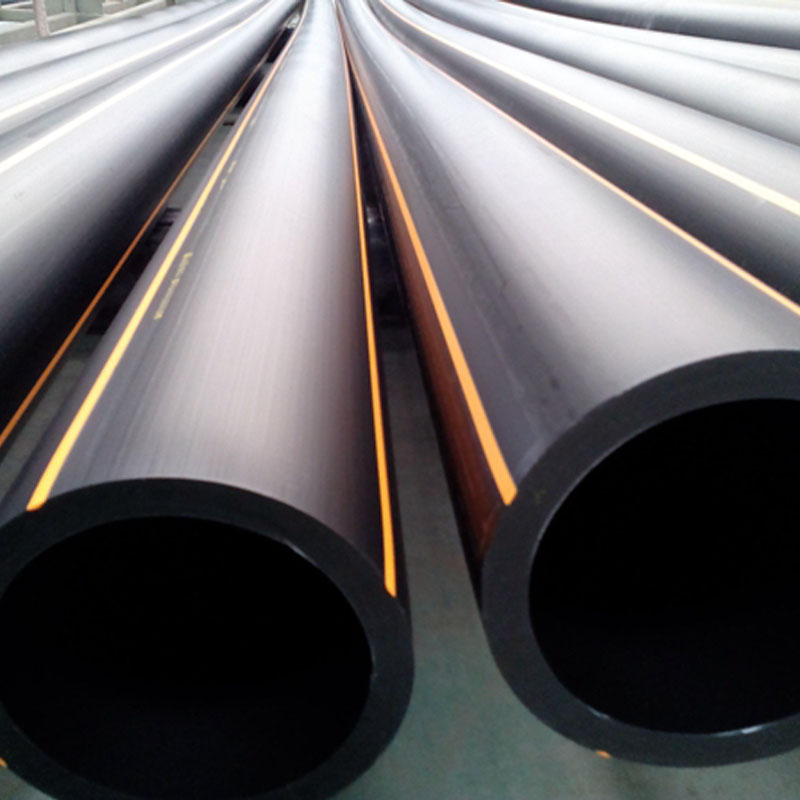
The foundation of HDPE corrugated double-wall pipe lies in the properties of High-Density Polyethylene (HDPE) resin. HDPE is a thermoplastic polymer known for its high strength-to-density ratio, chemical resistance, and flexibility. The specific grade of HDPE used significantly impacts the pipe's performance. Common grades utilized include HDPE PE3408, PE3409, and PE3608, distinguished by their Melt Flow Index (MFI) and molecular weight distribution. Lower MFI values generally correlate to higher molecular weight and improved impact resistance, while higher MFI values facilitate easier processing. Manufacturing involves a multi-stage extrusion process. Firstly, the inner and outer layers are extruded in a continuous manner. These layers are then corrugated using specialized forming rollers that create the characteristic ring structure. Crucially, the gap between the inner and outer corrugations determines the pipe’s structural strength and crush resistance. Critical parameters during extrusion include melt temperature (typically 180-220°C), die pressure, and cooling rate. Uneven cooling can induce residual stresses within the pipe wall, potentially leading to warping or premature failure. The double-wall configuration, separated by solid connecting ribs, provides enhanced stiffness and resistance to buckling under load. Quality control requires rigorous testing of resin properties (density, MFI) and dimensional accuracy of the finished pipe (diameter, wall thickness, corrugation profile). Furthermore, the uniformity of the HDPE blend is crucial; variations can compromise long-term performance.
Performance & Engineering
The performance of HDPE corrugated double-wall pipe is governed by its ability to withstand external loads, maintain structural integrity under varying environmental conditions, and provide a leak-free conveyance system. Key engineering considerations include soil load bearing capacity, traffic loads (for buried applications), hydrostatic pressure, and long-term creep resistance. The pipe's ring stiffness, measured in psi, is a critical parameter indicating its resistance to flattening under external pressure. Finite Element Analysis (FEA) is routinely employed to model the pipe's behavior under different loading scenarios. Long-term creep, the gradual deformation of the pipe under sustained load, is a major concern, particularly in applications involving heavy traffic or significant soil overburden. HDPE exhibits time-dependent behavior, and its creep characteristics must be accurately predicted to ensure long-term performance. Environmental resistance is another critical factor. HDPE is generally resistant to most chemicals found in soil and groundwater, but exposure to UV radiation can cause degradation, necessitating the addition of UV stabilizers to the resin formulation. Permeability is relatively low, minimizing infiltration and exfiltration, but it is important to consider potential leakage at joints if proper connection methods are not employed. Compliance with relevant industry standards, such as ASTM F2306 and AASHTO M294, is essential to ensure that the pipe meets minimum performance requirements. The design also must consider thermal expansion and contraction, which are significant for HDPE, and accommodate these movements through proper installation techniques.
Technical Specifications
| Parameter | Units | Typical Value (12-inch Pipe) | Testing Standard |
|---|---|---|---|
| Nominal Diameter | inches | 12 | ASTM F2306 |
| Ring Stiffness | psi | 54 | ASTM F2306 |
| Pipe Stiffness | psi | 36 | ASTM F2306 |
| Crush Strength | psi | 2250 | ASTM F2412 |
| Long-Term Creep Resistance | % Deformation (50 years) | < 5% | ASTM F2306 |
| Hydrostatic Design Head | feet | 85 | ASTM F2306 |
Failure Mode & Maintenance
Failure modes in HDPE corrugated double-wall pipe can be broadly categorized into mechanical failures, environmental degradation, and installation-related issues. Mechanical failures include crush damage due to excessive soil load or traffic loads, cracking due to stress concentration (e.g., around bell and spigot joints), and joint separation due to inadequate connection techniques. Environmental degradation encompasses UV-induced embrittlement, chemical attack (though HDPE is generally resistant, exposure to certain solvents can cause swelling or cracking), and slow crack growth due to sustained tensile stress. Installation-related issues are often the most common cause of failure, including improper bedding and backfill compaction, which can lead to uneven load distribution and pipe deformation; inadequate joint assembly, resulting in leakage; and damage caused by improper handling during installation. Preventive maintenance involves regular visual inspections to identify signs of deformation, cracking, or joint leakage. Corrective maintenance may include repairing damaged sections with compatible HDPE fittings, reinforcing bedding materials, or replacing sections of pipe. Failure analysis should include examining the fracture surfaces using microscopy to determine the root cause of failure. For example, brittle fractures indicate UV degradation or material defects, while ductile fractures suggest overload or impact damage. Proper storage of the pipe, shielded from direct sunlight, is also vital to prolong lifespan.
Industry FAQ
Q: What are the implications of selecting a ‘discount’ HDPE pipe, and what quality control measures should be implemented?
A: ‘Discount’ pricing often signifies the use of reprocessed HDPE resin, lower-grade virgin material, or reduced wall thickness. This can compromise long-term creep resistance and crush strength. Implement stringent incoming material inspection, verifying resin density, MFI, and UV stabilization levels. Conduct dimensional checks on sample pipes to confirm adherence to stated specifications. Require documentation of manufacturing process control and traceability.
Q: How does soil composition affect the performance and longevity of this pipe system?
A: Highly corrosive soils can accelerate degradation, although HDPE is inherently resistant. Poorly drained soils create hydrostatic pressure, increasing the risk of pipe deformation. Aggressive backfill materials (e.g., sharp rocks) can damage the pipe during installation. Conduct soil testing to determine corrosivity and drainage characteristics. Ensure proper bedding and backfill compaction to provide uniform support and minimize stress.
Q: What are the recommended jointing methods for ensuring a watertight seal?
A: Common jointing methods include bell and spigot joints with rubber gaskets, and heat-fused joints. Heat fusion provides the strongest and most watertight connection, but requires specialized equipment and trained personnel. Ensure gaskets are correctly seated and properly lubricated. Follow manufacturer’s instructions meticulously. Regular joint inspections are essential to identify and address any leaks.
Q: How does temperature fluctuation impact the performance of HDPE pipe, particularly in freeze-thaw cycles?
A: HDPE exhibits thermal expansion and contraction. While the material itself isn’t significantly affected by freeze-thaw cycles, the surrounding soil’s expansion and contraction can induce stress on the pipe. Proper installation with flexible joints and adequate bedding can accommodate these movements. In areas prone to frost heave, consider deeper burial depths and additional protective measures.
Q: What considerations should be made when selecting HDPE pipe for gravity flow applications versus pressure applications?
A: Gravity flow applications primarily require sufficient pipe stiffness to withstand external loads. Pressure applications necessitate a higher hydrostatic design head and stricter control over pipe wall thickness to prevent rupture. The pipe’s pressure rating must exceed the maximum operating pressure of the system, with an appropriate safety factor. Select pipe specifically designed and tested for pressurized systems.
Conclusion
HDPE corrugated double-wall pipe provides a robust and cost-effective solution for a wide range of drainage and conveyance applications. Its lightweight nature, ease of installation, and inherent corrosion resistance make it a compelling alternative to traditional materials. However, the variability in material quality and manufacturing processes, particularly within the 'discount' segment, demands diligent quality control and a thorough understanding of the underlying engineering principles. Proper installation, including appropriate bedding, backfill compaction, and joint assembly, is paramount to ensuring long-term performance and minimizing the risk of premature failure.
Looking ahead, advancements in HDPE resin technology, such as the development of enhanced UV stabilizers and improved impact modifiers, will further extend the service life and expand the application range of this versatile material. The adoption of advanced monitoring techniques, such as embedded sensors for strain measurement and leak detection, will enable proactive maintenance and optimize system performance. Continued adherence to rigorous industry standards and best practices is essential to maintain the reliability and sustainability of HDPE corrugated double-wall pipe infrastructure.
-
DN25 HDPE Compression Fitting-HORON INTERNATIONAL|Reliable Irrigation Solutions
NewsFeb.11,2026
-
hdpe coupling joint product Manufacturing Analysis
News2026-11-18
-
ppr pipe heating time products Performance Analysis
News2026-11-16
-
hdpe pipe sizes factory Performance Analysis
News2026-11-09
-
HDPE Pipe Sizes Service Performance Analysis
News2026-10-26
-
wholesale 15mm ppr pipe Material Science and Performance Analysis
News2026-10-20
-
wholesale pvc pipe price per foot Technical Analysis
News2026-09-21
-
wholesale long pvc pipe Technical Analysis and Manufacturing Specifications
News2026-09-15
-
wholesale plumbing kitchen sink water lines Material Performance
News2026-09-15
-
wholesale hdpe drip irrigation Material Science
News2026-09-15
-
wholesale hot water ppr pipe Performance Analysis
News2026-09-15
-
wholesale ppr plumbing Performance Analysis
News2026-09-15
-
wholesale ppr pipe supplier Performance Analysis
News2026-09-13
-
wholesale 50mm ppr pipe Performance Analysis
News2026-09-13
-
wholesale hdpe drip pipe Performance Analysis
News2026-09-13
-
wholesale hdpe pipe 63mm price Manufacturing Specification and Performance Analysis
News2026-09-13