

Feb . 11, 2026 00:01 Back to list
discount gray pvc pipe Performance Analysis
Introduction
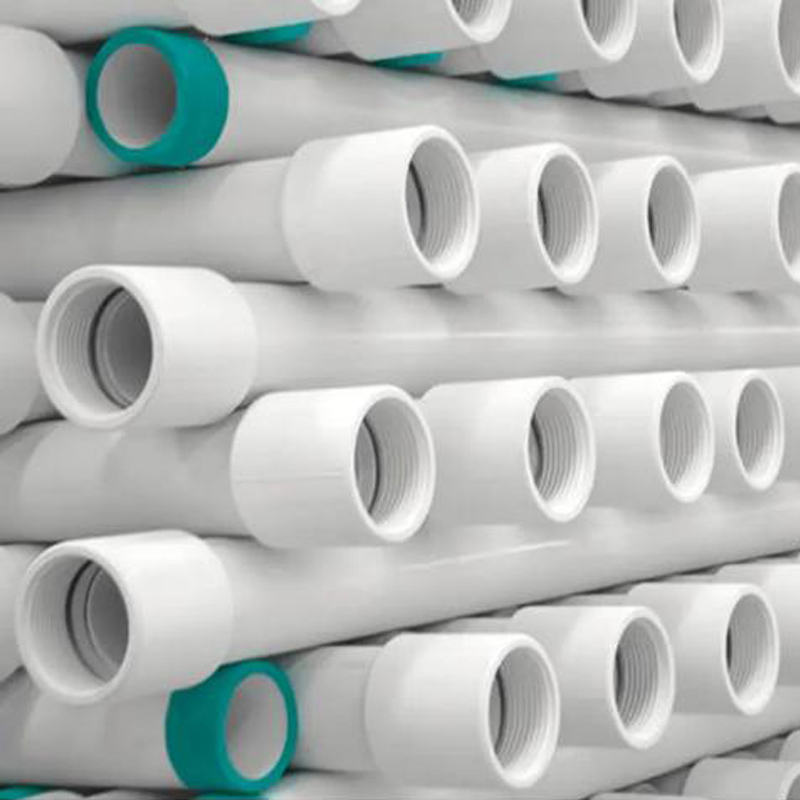
Discount gray Polyvinyl Chloride (PVC) pipe is a thermoplastic pipe widely utilized in a diverse range of applications, including potable water distribution, irrigation, drainage, and conduit for electrical wiring. Positioned as a cost-effective alternative to metal piping systems, it offers significant advantages in corrosion resistance, ease of installation, and weight. The “discount” designation indicates a focus on providing a price-competitive product, typically achieved through optimized manufacturing processes or material sourcing without compromising core functional performance. Core performance characteristics include its pressure rating, dimensional stability, and resistance to chemical degradation, critical factors determining its suitability for specific applications. A thorough understanding of these properties is crucial for engineers and procurement specialists involved in infrastructure projects and industrial installations.
Material Science & Manufacturing
PVC is a polymer created through the polymerization of vinyl chloride monomers. Discount gray PVC typically employs a compound formulation incorporating PVC resin, plasticizers (often phthalates or alternatives), stabilizers (to prevent degradation from heat and UV exposure), lubricants, and pigments (for color and opacity). The gray color is usually achieved with titanium dioxide and other inorganic pigments. Raw material quality significantly impacts the final product performance; variations in resin molecular weight and plasticizer content directly influence flexibility, impact resistance, and long-term durability.
Manufacturing primarily involves extrusion. PVC compound is fed into an extruder, where it’s heated and homogenized. A screw conveys the molten PVC through a die, shaping it into the desired pipe diameter and wall thickness. Critical parameters during extrusion include die temperature, screw speed, and pull-rate, all influencing dimensional accuracy and material homogeneity. Cooling is achieved through water baths, carefully controlling the rate to prevent warping or cracking. Post-extrusion, pipes are cut to length, marked with specifications (schedule, diameter, pressure rating), and inspected for defects. Quality control includes hydrostatic pressure testing, dimensional checks, and visual inspection for surface imperfections. Slight variations in processing conditions can impact the crystallinity of the PVC, influencing its mechanical properties. The use of recycled PVC in discount grades is common, and the proportion of recycled content is a key factor in cost reduction and environmental sustainability, but requires careful monitoring to maintain consistent quality.
Performance & Engineering
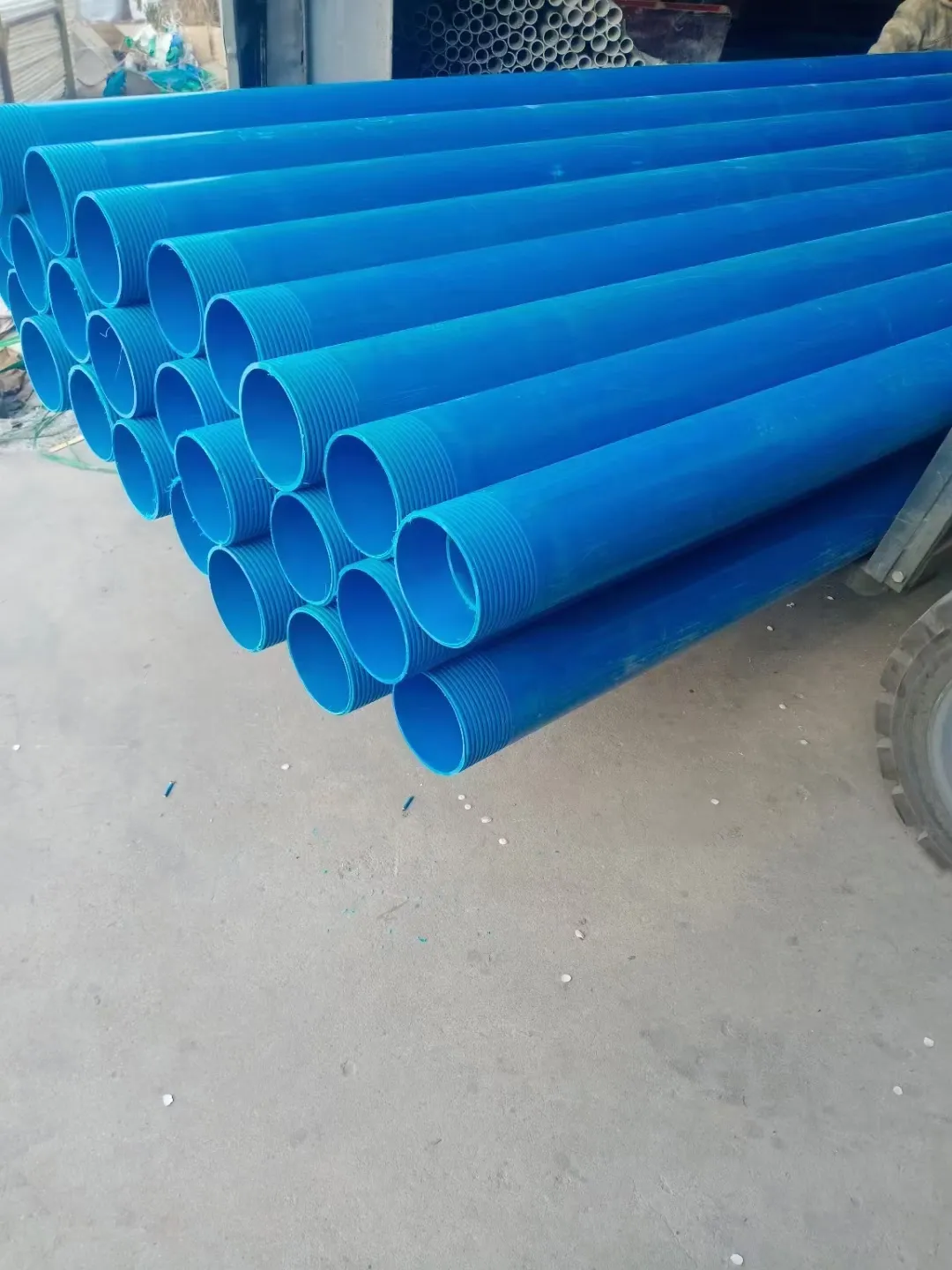
The performance of discount gray PVC pipe is dictated by several engineering principles. Hydrostatic pressure rating (measured in PSI or bar) is determined by the pipe’s schedule (wall thickness) and diameter. Higher schedules provide increased pressure resistance, crucial for applications involving high-pressure fluids. The pipe’s ability to withstand external loads (soil pressure, traffic loads) is dependent on its pipe stiffness (measured as PSI or kPa) and the surrounding backfill material. Proper bedding and backfill are essential to prevent ovalation and cracking.
PVC exhibits relatively low tensile strength compared to metal pipes, making it susceptible to failure under excessive tensile stress. Therefore, installation procedures must minimize stress concentrations, especially during cutting and joining. Thermal expansion and contraction are also significant considerations. PVC has a higher coefficient of thermal expansion than steel, requiring expansion joints in long runs to prevent buckling or joint failure. Chemical resistance is a key advantage, with PVC being resistant to most acids, bases, and salts. However, it’s susceptible to degradation by certain organic solvents and chlorinated hydrocarbons. Long-term creep – the gradual deformation of the pipe under sustained stress – is a potential failure mode, particularly at elevated temperatures. Engineering designs must account for these factors, utilizing appropriate safety factors and selecting the correct schedule and material grade for the intended application. Compliance with relevant plumbing codes and standards is mandatory.
Technical Specifications
| Parameter | Schedule 40 (Typical) | Schedule 80 (Typical) | ASTM D1785 Specification | Operating Temperature Range |
|---|---|---|---|---|
| Material | PVC (Polyvinyl Chloride) | PVC (Polyvinyl Chloride) | PVC Compound conforming to ASTM D1785 | -40°C to +60°C (-40°F to +140°F) |
| Pressure Rating (at 23°C) | Up to 350 PSI | Up to 600 PSI | Varies based on schedule and size | Pressure derating required at higher temperatures |
| Pipe Stiffness | > 22,000 PSI | > 26,000 PSI | Minimum 22,000 PSI for typical applications | Influenced by soil conditions and installation |
| Tensile Strength | 6,000 - 7,000 PSI | 6,500 - 7,500 PSI | Minimum 6,000 PSI | Varies with formulation and processing |
| Coefficient of Thermal Expansion | 6.0 x 10⁻⁵ in/in/°F | 6.0 x 10⁻⁵ in/in/°F | Typical for PVC | Requires consideration in long pipe runs |
| Chemical Resistance | Excellent to most acids, bases, and salts | Excellent to most acids, bases, and salts | Resistant to a wide range of chemicals | Susceptible to degradation by certain organic solvents |
Failure Mode & Maintenance
Common failure modes for discount gray PVC pipe include cracking due to excessive stress (often during installation or from external loads), crazing (formation of micro-cracks) caused by chemical attack or UV exposure, and joint failure due to improper solvent welding or mechanical connections. Long-term exposure to UV radiation can cause embrittlement and discoloration. Ground movement can lead to stress on the pipe and potential cracking. Fatigue cracking can occur in areas subjected to repeated stress cycles. Another prevalent failure mode is hydrostatic rupture, usually caused by exceeding the pipe’s pressure rating or undetected defects.
Preventative maintenance involves periodic visual inspections for cracks, leaks, and discoloration. Proper backfilling and bedding are crucial to support the pipe and prevent stress. Avoid using incompatible solvents or chemicals near the pipe. Protect exposed pipe from direct sunlight with coatings or shielding. For joint failures, re-solvent welding may be possible if the damage is localized, but complete replacement is often recommended. Regular pressure testing can identify leaks or weakening of the pipe. Addressing corrosion of metallic fittings connected to PVC is also important. If significant ground movement is anticipated, flexible couplings should be used to accommodate differential settlement. Maintaining records of installation details, material specifications, and maintenance activities is essential for long-term reliability.
Industry FAQ
Q: What is the impact of using recycled PVC on the long-term durability of discount gray pipe?
A: The use of recycled PVC can affect long-term durability, depending on the source and processing of the recycled material. Properly processed, high-quality recycled PVC can perform similarly to virgin PVC. However, excessive amounts of degraded or contaminated recycled material can reduce impact resistance, tensile strength, and UV resistance. Reputable manufacturers carefully control the percentage and quality of recycled content to maintain acceptable performance standards and will provide documentation regarding the recycled content and its impact on key performance indicators.
Q: How does the schedule number (e.g., Schedule 40 vs. Schedule 80) influence the suitability of PVC pipe for different applications?
A: The schedule number directly correlates to the pipe wall thickness. Schedule 80 has a thicker wall than Schedule 40, resulting in a higher pressure rating and greater resistance to external loads. Schedule 40 is generally suitable for lower-pressure applications like irrigation and drainage, while Schedule 80 is preferred for higher-pressure systems, industrial processes, and applications requiring increased mechanical strength. Choosing the correct schedule is critical to ensure the pipe can withstand the anticipated operating conditions and maintain long-term reliability.
Q: What are the recommended solvent welding procedures to ensure a leak-proof joint?
A: Proper solvent welding is crucial for creating leak-proof joints. First, ensure all surfaces are clean, dry, and free of debris. Use a primer specifically designed for PVC to soften the pipe and fitting surfaces. Apply solvent cement evenly around the outside of the pipe and inside the fitting socket. Immediately insert the pipe into the fitting with a slight twisting motion to ensure complete coverage. Hold the joint firmly for 30-60 seconds to allow the solvent to set. Avoid excessive cement, as it can weaken the joint. Ambient temperature and humidity influence drying time; follow the cement manufacturer’s instructions.
Q: What are the limitations of discount gray PVC pipe when exposed to high temperatures?
A: PVC’s mechanical properties degrade significantly at elevated temperatures. The maximum continuous operating temperature for PVC is typically around 60°C (140°F). Above this temperature, the pipe becomes more susceptible to deformation, creep, and failure. The pressure rating also decreases with increasing temperature. For applications involving high temperatures, alternative materials like CPVC (Chlorinated Polyvinyl Chloride) or metal piping systems are recommended. Avoid direct exposure to heat sources, as this can accelerate degradation.
Q: How does the soil type and bedding material affect the long-term performance of buried PVC pipe?
A: Soil type and bedding material significantly influence the long-term performance of buried PVC pipe. Aggressive soils (e.g., those containing high levels of organic matter or corrosive chemicals) can accelerate degradation. Improper bedding can create stress concentrations and lead to cracking. A properly prepared trench with a smooth, stable bedding layer (e.g., sand or gravel) is essential. Adequate compaction of the backfill material ensures uniform support and prevents settling. In areas with rocky soil, protective measures may be needed to prevent damage during installation. Consult local codes and engineering guidelines for specific recommendations on bedding and backfill requirements.
Conclusion
Discount gray PVC pipe represents a viable and cost-effective solution for a broad spectrum of fluid conveyance applications. Its inherent corrosion resistance, relative ease of installation, and acceptable mechanical properties make it a popular choice in residential, commercial, and industrial settings. However, the ‘discount’ designation necessitates careful consideration of material sourcing and manufacturing quality control to ensure consistent performance. Understanding the material’s limitations – particularly regarding temperature sensitivity, tensile strength, and susceptibility to certain chemicals – is paramount for proper application and long-term reliability.
Effective implementation requires adherence to established engineering principles, proper installation techniques, and regular maintenance protocols. Selecting the appropriate schedule, utilizing compatible joining methods, and providing adequate support are critical to preventing premature failure. Continued innovation in PVC compound formulations and manufacturing processes will further enhance the performance and sustainability of this versatile piping material.
-
DN25 HDPE Compression Fitting-HORON INTERNATIONAL|Reliable Irrigation Solutions
NewsFeb.11,2026
-
hdpe coupling joint product Manufacturing Analysis
News2026-11-18
-
ppr pipe heating time products Performance Analysis
News2026-11-16
-
hdpe pipe sizes factory Performance Analysis
News2026-11-09
-
HDPE Pipe Sizes Service Performance Analysis
News2026-10-26
-
wholesale 15mm ppr pipe Material Science and Performance Analysis
News2026-10-20
-
wholesale pvc pipe price per foot Technical Analysis
News2026-09-21
-
wholesale long pvc pipe Technical Analysis and Manufacturing Specifications
News2026-09-15
-
wholesale plumbing kitchen sink water lines Material Performance
News2026-09-15
-
wholesale hdpe drip irrigation Material Science
News2026-09-15
-
wholesale hot water ppr pipe Performance Analysis
News2026-09-15
-
wholesale ppr plumbing Performance Analysis
News2026-09-15
-
wholesale ppr pipe supplier Performance Analysis
News2026-09-13
-
wholesale 50mm ppr pipe Performance Analysis
News2026-09-13
-
wholesale hdpe drip pipe Performance Analysis
News2026-09-13
-
wholesale hdpe pipe 63mm price Manufacturing Specification and Performance Analysis
News2026-09-13