

Feb . 11, 2026 00:01 Back to list
discount dual wall hdpe pipe Performance Analysis
Introduction
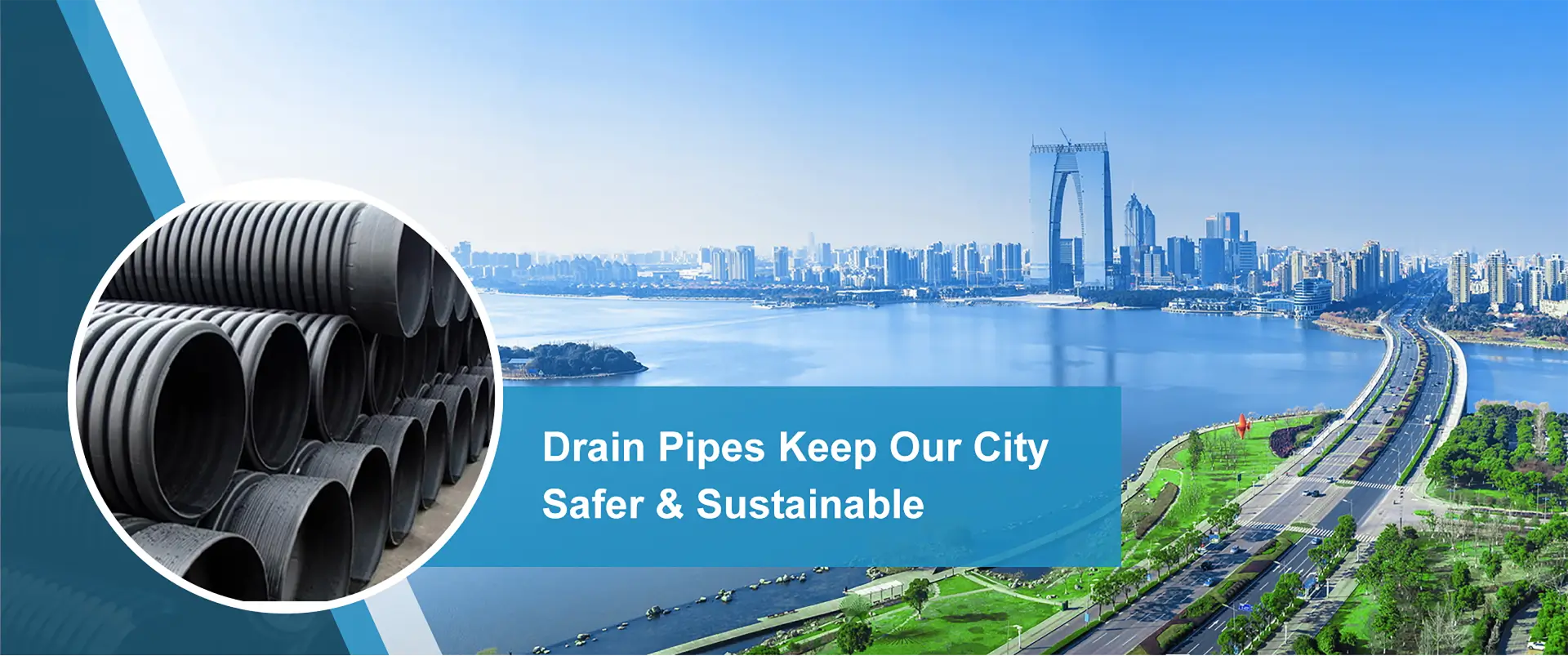
Discount dual wall high-density polyethylene (HDPE) pipe is a corrugated polyethylene pipe featuring a smooth inner wall and a ribbed exterior, offering a cost-effective solution for a broad range of sub-surface drainage and conveyance applications. Positioned within the broader infrastructure materials supply chain, it serves as a direct substitute for traditional materials like concrete, PVC, and steel in applications requiring robust, lightweight, and corrosion-resistant piping. Core performance characteristics include high annular stiffness for load bearing, excellent flow capacity due to the smooth interior, and prolonged service life due to its chemical inertness and resistance to environmental degradation. This guide provides a comprehensive technical overview of discount dual wall HDPE pipe, covering its material science, manufacturing processes, performance parameters, potential failure modes, and relevant industry standards. Understanding these aspects is crucial for engineers, procurement managers, and installers seeking to optimize project design and ensure long-term system reliability.
Material Science & Manufacturing
The primary raw material for discount dual wall HDPE pipe is high-density polyethylene (HDPE), a thermoplastic polymer derived from the polymerization of ethylene. HDPE’s key physical properties – tensile strength (typically 30-40 MPa), density (0.941-0.965 g/cm³), and ductile-to-brittle transition temperature (-100°C to -40°C depending on grade) – dictate its suitability for underground applications. Crucially, the grade of HDPE used significantly impacts pipe performance. Cell classification (e.g., PE100, PE80) defines the minimum required long-term hydrostatic strength. Additives, including carbon black for UV resistance, and stabilizers to prevent thermal degradation during processing, are incorporated into the HDPE resin.
Manufacturing involves a multi-stage extrusion process. First, the inner layer, providing a smooth bore for optimal flow, is extruded. Second, the corrugated outer wall is formed using specialized molds and a continuous extrusion process. This process manipulates the HDPE material into a defined rib profile, establishing the pipe’s annular stiffness. Critical parameters during extrusion include melt temperature (180-210°C), extrusion speed, and cooling rate. Precise control of these variables is vital to ensure consistent wall thickness and corrugated profile dimensions. Post-extrusion, pipes undergo quality control inspections, including dimensional checks, hydrostatic pressure testing (per ASTM F2306 or EN 13476), and visual assessment for defects. The process of forming the dual wall structure creates areas of stress concentration at the rib peaks; therefore, careful control of cooling rates is paramount to minimize residual stress and prevent long-term creep.
Performance & Engineering
The performance of discount dual wall HDPE pipe is fundamentally governed by its structural integrity under external loads and its hydraulic efficiency. Load-bearing capacity is quantified by annular stiffness (kN/m²), which determines the pipe’s resistance to flattening under soil and traffic loads. Higher annular stiffness equates to greater load-bearing capability and reduced deformation. Force analysis considers both vertical load from overburden soil and horizontal load from traffic. The pipe’s corrugated structure distributes these loads effectively, reducing stress concentrations.
Environmental resistance is another crucial performance factor. HDPE is chemically inert to most soil constituents and industrial effluents, preventing corrosion. However, prolonged exposure to ultraviolet (UV) radiation can cause degradation, leading to embrittlement. This is mitigated by incorporating UV stabilizers into the HDPE compound and recommending appropriate burial depth. Compliance with regional stormwater management regulations is paramount. Many jurisdictions mandate specific pipe stiffness requirements and infiltration rates for stormwater conveyance systems. Discount dual wall HDPE pipe often exceeds these minimum requirements, offering a sustainable and cost-effective drainage solution. Installation practices, including proper bedding and backfill compaction, significantly influence long-term performance. Poor compaction can lead to uneven load distribution and premature pipe failure. The smooth internal bore minimizes friction losses, maximizing flow capacity. Manning’s equation is used to calculate flow rates, considering pipe diameter, slope, and roughness coefficient.
Technical Specifications
| Parameter | Unit | Typical Value (DN/ID 1200 mm) | Test Standard |
|---|---|---|---|
| Nominal Diameter (DN) | mm | 1200 | ISO 16101 |
| Internal Diameter (ID) | mm | 1140 | ASTM F2306 |
| Annular Stiffness | kN/m² | 2.5 - 4.0 | EN 13476 |
| Hydrostatic Design Pressure (HDP) | MPa | 1.6 | ISO 16101 |
| Long-Term Hydrostatic Strength | MPa | 1.3 | ASTM F2306 |
| Crush Resistance | kN/m | 1.5 | ASTM F2412 |
Failure Mode & Maintenance
Discount dual wall HDPE pipe, while durable, is susceptible to specific failure modes. Fatigue cracking can occur in areas of high stress concentration, particularly at the rib peaks, due to repeated loading from traffic or soil settlement. This is often initiated by minor manufacturing defects or damage during installation. Delamination can occur if the bonding between the inner and outer walls is compromised, potentially due to improper extrusion or exposure to aggressive chemicals. Environmental stress cracking (ESC) can occur in the presence of certain chemicals that accelerate crack propagation in HDPE. Oxidation, while slow, can contribute to long-term material degradation, especially in environments with high oxygen levels and elevated temperatures.
Maintenance primarily focuses on preventative measures. Regular inspections, particularly after periods of heavy rainfall or significant ground movement, can identify potential issues early on. Proper bedding and backfill compaction are crucial to minimize stress on the pipe. Avoidance of point loads from heavy machinery during installation and maintenance is essential. In the event of a localized crack, repair options include pipe sleeves or localized patching using HDPE welding techniques. However, extensive cracking or delamination typically necessitates pipe replacement. Maintaining records of installation details, soil conditions, and any repairs is crucial for effective long-term management of the piping system. Periodic CCTV inspections can help assess pipe condition and identify areas requiring attention.
Industry FAQ
Q: What is the impact of soil corrosivity on the long-term performance of discount dual wall HDPE pipe?
A: HDPE is inherently corrosion-resistant, meaning it isn't directly corroded by most soil chemicals. However, aggressive soil conditions (high acidity, sulfate content) can indirectly affect pipe performance by promoting external corrosion of surrounding metal components (e.g., fittings) or by altering the soil's load-bearing capacity. A thorough soil analysis is recommended to identify potential risks and select appropriate corrosion protection measures for any metallic components in the system.
Q: How does the ribbed exterior contribute to the pipe’s structural integrity compared to a smooth-walled HDPE pipe?
A: The corrugated (ribbed) exterior significantly increases the pipe’s annular stiffness – its resistance to flattening under load. The ribs act as arches, distributing the external load more efficiently than a smooth-walled pipe. This allows the dual wall HDPE pipe to withstand heavier loads with less deformation, making it suitable for deeper burial depths and higher traffic areas.
Q: What are the recommended bedding and backfill materials for optimal performance?
A: Granular materials like sand or gravel are recommended for bedding, providing uniform support and minimizing stress concentrations. Backfill material should be free of sharp objects and compacted in layers to achieve a minimum of 85-90% Proctor density. Avoid using heavy clay soils or materials with high organic content, as these can settle unevenly and increase the load on the pipe.
Q: Can discount dual wall HDPE pipe be used in high-temperature environments?
A: While HDPE has a relatively high melting point, prolonged exposure to elevated temperatures (above 60°C) can lead to creep and a reduction in its mechanical properties. The specific temperature limit depends on the HDPE grade and the applied load. For applications involving high temperatures, it's crucial to consult with the manufacturer and consider using a higher-grade HDPE material or implementing temperature mitigation strategies.
Q: What is the typical service life expectancy of discount dual wall HDPE pipe installed correctly?
A: When properly installed and used within its design parameters, discount dual wall HDPE pipe typically has a service life expectancy of 50 years or more. However, this can vary depending on soil conditions, loading patterns, and exposure to UV radiation. Regular inspections and preventative maintenance can extend the pipe’s service life.
Conclusion
Discount dual wall HDPE pipe represents a robust and cost-effective solution for a variety of subsurface drainage and conveyance applications. Its inherent corrosion resistance, lightweight characteristics, and high annular stiffness provide a significant advantage over traditional materials. Careful consideration of material selection, manufacturing quality control, installation practices, and potential failure modes is essential to maximize long-term performance and ensure the reliability of the system. The implementation of regular inspection and maintenance routines further contributes to the longevity and sustainable operation of these piping systems.
Looking ahead, advancements in HDPE resin technology and manufacturing processes will likely lead to even higher-performance dual wall pipe products. Increased adoption of non-destructive testing methods, such as ground-penetrating radar, will enable more efficient and proactive pipeline assessment. Continued adherence to industry standards and best practices will be critical for maintaining the integrity and sustainability of HDPE infrastructure. Proper design and installation remain the cornerstones of long-term success.
-
DN25 HDPE Compression Fitting-HORON INTERNATIONAL|Reliable Irrigation Solutions
NewsFeb.11,2026
-
hdpe coupling joint product Manufacturing Analysis
News2026-11-18
-
ppr pipe heating time products Performance Analysis
News2026-11-16
-
hdpe pipe sizes factory Performance Analysis
News2026-11-09
-
HDPE Pipe Sizes Service Performance Analysis
News2026-10-26
-
wholesale 15mm ppr pipe Material Science and Performance Analysis
News2026-10-20
-
wholesale pvc pipe price per foot Technical Analysis
News2026-09-21
-
wholesale long pvc pipe Technical Analysis and Manufacturing Specifications
News2026-09-15
-
wholesale plumbing kitchen sink water lines Material Performance
News2026-09-15
-
wholesale hdpe drip irrigation Material Science
News2026-09-15
-
wholesale hot water ppr pipe Performance Analysis
News2026-09-15
-
wholesale ppr plumbing Performance Analysis
News2026-09-15
-
wholesale ppr pipe supplier Performance Analysis
News2026-09-13
-
wholesale 50mm ppr pipe Performance Analysis
News2026-09-13
-
wholesale hdpe drip pipe Performance Analysis
News2026-09-13
-
wholesale hdpe pipe 63mm price Manufacturing Specification and Performance Analysis
News2026-09-13