

Feb . 11, 2026 00:01 Back to list
discount dn500 Performance Analysis
Introduction
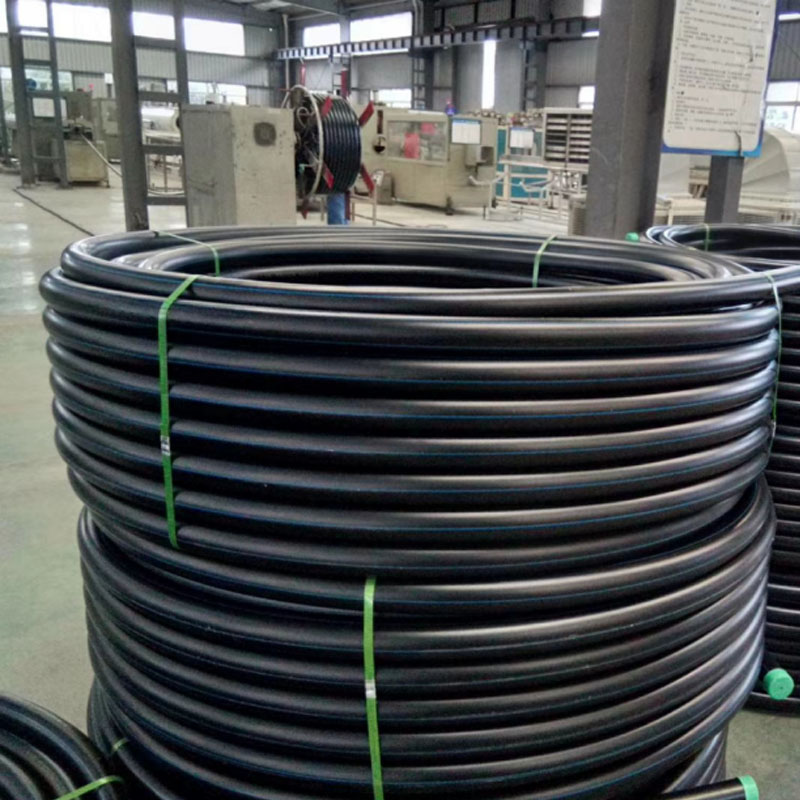
Discount DN500 refers to a ductile iron pipe with a nominal diameter of 500mm (approximately 19.7 inches), typically utilized in gravity-fed water and wastewater conveyance systems. Its designation as “Discount” implies a cost-optimized version, often achieved through variations in manufacturing processes or coating specifications, while maintaining core functional performance. Within the industrial water management chain, DN500 pipes represent a crucial segment for large-scale infrastructure projects, connecting treatment facilities to distribution networks or handling significant effluent flows. Core performance characteristics hinge on pressure rating, corrosion resistance (determined by coating type), and joint integrity, all impacting long-term operational reliability and minimizing system leakage. A key industry pain point is balancing initial cost with long-term durability, particularly concerning the degradation of protective coatings and the potential for corrosion-induced failures. This guide details the material science, manufacturing processes, performance parameters, and maintenance considerations relevant to Discount DN500 ductile iron pipes.
Material Science & Manufacturing
The primary material for Discount DN500 is ductile iron, an alloy of iron, carbon, and silicon, intentionally modified with magnesium to impart ductility. Raw material composition typically falls within ASTM A576 Grade 65-45-12 specifications. The carbon content (typically 3.0-3.9%) influences strength and hardness, while silicon (1.8-3.3%) promotes graphitization. Magnesium addition (0.024-0.080%) is critical; it alters the morphology of graphite from flakes (in grey iron) to spheroids, significantly improving toughness and ductility. Manufacturing begins with iron ore smelting and alloying. Molten iron is then poured into molds to create the pipe sections. Following casting, a heat treatment process – annealing – is employed to further refine the microstructure, achieving the desired mechanical properties. Critical parameters during annealing include temperature uniformity and cooling rate, impacting the final tensile strength and elongation. Pipe joints are typically manufactured using either a push-on joint with a rubber gasket or a flanged joint. The rubber gasket material (typically EPDM or SBR) requires precise formulation and vulcanization to ensure long-term watertight sealing. Surface preparation is crucial prior to coating application, involving abrasive blasting to achieve a surface profile conducive to coating adhesion. Coating materials vary (see Section 4), but epoxy resins and zinc-rich primers are common for corrosion protection. Quality control at each stage, including chemical analysis, mechanical testing, and non-destructive examination (NDE) such as ultrasonic testing, are paramount to ensuring product integrity.

Performance & Engineering
Discount DN500 pipe performance is fundamentally governed by hydrostatic pressure resistance, resistance to external loads (soil load, traffic load), and long-term corrosion behavior. Force analysis, utilizing finite element modeling (FEM), is commonly employed to optimize pipe wall thickness and ensure structural integrity under various loading scenarios. The Barlow’s formula (P = 2St/D, where P is pressure, S is tensile strength, t is wall thickness, and D is diameter) provides a foundational calculation for pressure rating. However, consideration must be given to stress concentrations at joints and potential defects in the casting. Environmental resistance is largely determined by the coating system. Polyurethane coatings provide excellent abrasion resistance, suitable for aggressive soil conditions. Epoxy coatings offer superior chemical resistance. The design must account for the pipe's ability to withstand freeze-thaw cycles, especially in colder climates. Soil corrosivity, determined by resistivity and pH measurements, dictates the appropriate coating selection. Compliance requirements include adherence to AWWA C151/A21.51 standards for ductile iron pipe and AWWA C900 for polyethylene encasement (where applicable). Functional implementation requires careful consideration of installation procedures to avoid damaging the coating or compromising joint integrity. Proper bedding and backfill materials are crucial to distributing external loads evenly and preventing differential settlement. The pipe’s ability to dissipate stresses from thermal expansion and contraction must also be factored into the overall system design.
Technical Specifications
| Parameter | Typical Value (Discount DN500) | Testing Standard | Units |
|---|---|---|---|
| Nominal Diameter | 500 | ISO 2531 | mm |
| Wall Thickness | 8-12 | ASTM A576 | mm |
| Tensile Strength | 415-550 | ASTM A576 | MPa |
| Yield Strength | 240-310 | ASTM A576 | MPa |
| Elongation | >10 | ASTM A576 | % |
| Coating Type (Typical) | Epoxy/Polyurethane | AWWA C651 | - |
| Minimum Coating Thickness | 0.25 | AWWA C651 | mm |
Failure Mode & Maintenance
Discount DN500 pipes can experience several failure modes. Corrosion is a primary concern, manifesting as pitting, localized attack, or graphitic corrosion, particularly in aggressive soil environments. Coating failure (chipping, blistering, delamination) accelerates corrosion. Fatigue cracking can occur under cyclic loading, especially at joints or near weld points. Joint failures, including gasket degradation and leakage, are also common. External loading exceeding design capacity can cause structural deformation or cracking. Failure analysis often involves visual inspection, non-destructive testing (ultrasonic, radiographic), and metallographic examination of fractured surfaces. Maintenance strategies include regular cathodic protection monitoring (if installed), periodic coating inspection and repair, and joint leak detection programs. Internal inspections using remotely operated vehicles (ROVs) can assess the condition of the pipe lining. Preventive maintenance, such as applying a sacrificial coating or installing corrosion inhibitors, can extend service life. When repairs are necessary, sleeve repairs or localized patching techniques are common. Complete pipe replacement is typically reserved for severe corrosion or structural damage. Proper installation practices, including adequate bedding and backfill, are crucial for preventing future failures.
Industry FAQ
Q: What is the primary difference between standard ductile iron pipe and a "Discount" DN500 version?
A: The primary difference lies in cost optimization. "Discount" versions typically utilize thinner wall thicknesses, less expensive coating systems, or simplified joint designs. While still meeting minimum performance standards, these modifications result in a lower initial cost but may compromise long-term durability or require more frequent maintenance.
Q: How does soil corrosivity impact the selection of a protective coating for DN500 pipe?
A: Soil corrosivity, assessed through resistivity and pH measurements, dictates the coating's required level of protection. Low resistivity (highly conductive soil) indicates a greater corrosion risk, necessitating a more robust coating system like a multi-layer epoxy or a zinc-rich primer with a polyurethane topcoat. Acidic soils (low pH) require coatings resistant to chemical attack.
Q: What are the common causes of gasket failure in DN500 push-on joints?
A: Common causes include improper installation (over-compression or under-compression), damage during handling, degradation of the rubber material due to UV exposure or chemical attack, and soil settlement causing joint misalignment. Regular inspection and proper installation techniques are crucial for preventing gasket failures.
Q: How can cathodic protection be used to mitigate corrosion in DN500 pipelines?
A: Cathodic protection (CP) employs either a sacrificial anode system or impressed current to shift the electrochemical potential of the pipe, preventing corrosion. Sacrificial anodes corrode preferentially, protecting the pipe. Impressed current systems use an external power source to deliver a protective current. Regular monitoring of CP system performance is essential.
Q: What are the key considerations when selecting backfill material for DN500 pipe installation?
A: Backfill material should be free of rocks, debris, and sharp objects that could damage the coating. It should be granular, well-drained, and properly compacted to provide uniform support and prevent differential settlement. Consideration should be given to the material’s pH and corrosivity; using non-corrosive backfill is vital.
Conclusion
Discount DN500 ductile iron pipe remains a prevalent solution for large-diameter water and wastewater transmission, offering a balance between cost-effectiveness and acceptable performance. The selection process, however, necessitates a comprehensive understanding of the material’s inherent properties, manufacturing nuances, and potential failure mechanisms. A focus on corrosion prevention, achieved through proper coating selection, cathodic protection, and soil analysis, is paramount to maximizing the pipeline's operational lifespan.
Ultimately, the longevity and reliability of Discount DN500 systems depend on meticulous attention to detail throughout the entire project lifecycle – from initial design and material selection to proper installation, ongoing maintenance, and proactive failure analysis. Investing in robust quality control procedures and adhering to industry best practices will ensure the long-term integrity and sustainability of these critical infrastructure assets.
-
DN25 HDPE Compression Fitting-HORON INTERNATIONAL|Reliable Irrigation Solutions
NewsFeb.11,2026
-
hdpe coupling joint product Manufacturing Analysis
News2026-11-18
-
ppr pipe heating time products Performance Analysis
News2026-11-16
-
hdpe pipe sizes factory Performance Analysis
News2026-11-09
-
HDPE Pipe Sizes Service Performance Analysis
News2026-10-26
-
wholesale 15mm ppr pipe Material Science and Performance Analysis
News2026-10-20
-
wholesale pvc pipe price per foot Technical Analysis
News2026-09-21
-
wholesale long pvc pipe Technical Analysis and Manufacturing Specifications
News2026-09-15
-
wholesale plumbing kitchen sink water lines Material Performance
News2026-09-15
-
wholesale hdpe drip irrigation Material Science
News2026-09-15
-
wholesale hot water ppr pipe Performance Analysis
News2026-09-15
-
wholesale ppr plumbing Performance Analysis
News2026-09-15
-
wholesale ppr pipe supplier Performance Analysis
News2026-09-13
-
wholesale 50mm ppr pipe Performance Analysis
News2026-09-13
-
wholesale hdpe drip pipe Performance Analysis
News2026-09-13
-
wholesale hdpe pipe 63mm price Manufacturing Specification and Performance Analysis
News2026-09-13