

Feb . 11, 2026 00:01 Back to list
discount dn25 hdpe fittings fast connect couplings for irrigation Performance Analysis

Introduction
DN25 HDPE fast connect couplings for irrigation represent a critical component in modern agricultural and landscape irrigation systems. These fittings, utilizing high-density polyethylene (HDPE) material, provide a quick, reliable, and efficient method for joining polyethylene pipes. Their primary function is to facilitate the distribution of water, fertilizers, and other agricultural solutions with minimal leakage and installation time. Unlike traditional methods requiring solvent cementing or threading, these couplings utilize a barbed design and locking ring mechanism, enabling tool-less connection and disconnection. This characteristic is particularly valuable in situations demanding frequent system adjustments or temporary installations. The cost-effective nature of these fittings, combined with their robust performance, positions them as a key element in optimizing irrigation infrastructure, particularly in large-scale agricultural operations. Performance relies on dimensional accuracy, consistent material properties, and the integrity of the locking mechanism. This guide details the material science, manufacturing processes, performance characteristics, potential failure modes, and relevant industry standards associated with these essential irrigation components.
Material Science & Manufacturing
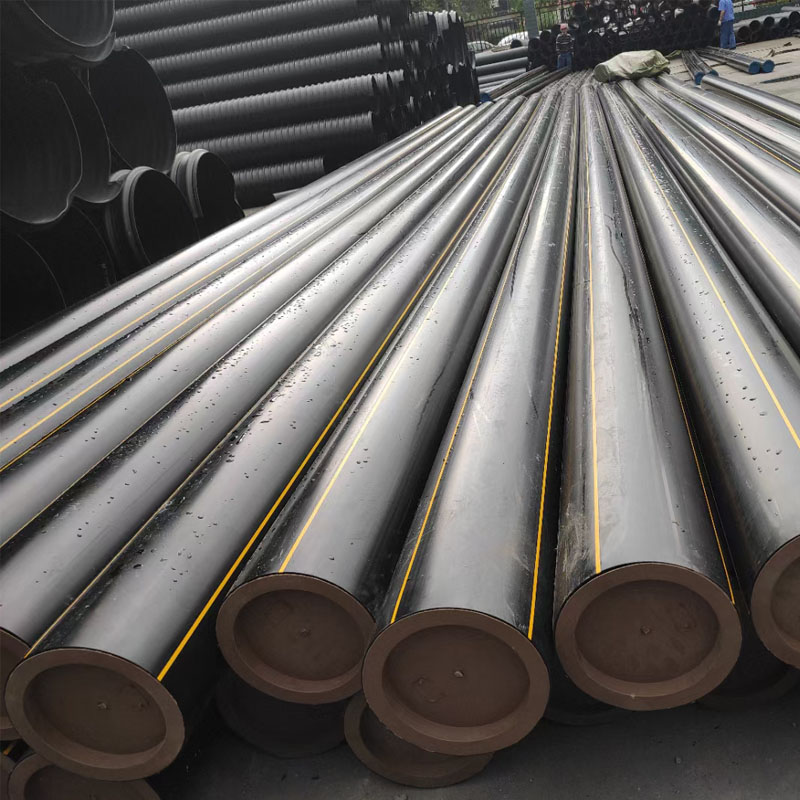
The core material for DN25 HDPE fast connect couplings is high-density polyethylene (HDPE), a thermoplastic polymer known for its high strength-to-density ratio, chemical resistance, and flexibility. HDPE used in these fittings typically conforms to PE100 standards, ensuring long-term hydrostatic strength and resistance to slow crack growth. Raw material selection focuses on molecular weight distribution; a broader distribution typically improves processing characteristics and impact resistance. The manufacturing process generally involves injection molding. HDPE pellets are melted and injected under high pressure into a precision-designed mold. Critical parameters during injection molding include melt temperature (typically 200-230°C), mold temperature (30-50°C), injection pressure (70-100 MPa), and cooling rate. Mold design is paramount, dictating the accuracy of the barbed features, the locking ring groove, and the overall dimensional tolerances. Post-molding, fittings undergo quality control checks, including visual inspection for defects, dimensional measurements using calipers and coordinate measuring machines (CMM), and hydrostatic pressure testing to verify leak-proof performance. The barbed design requires careful mold engineering to achieve sufficient grip without causing damage to the PE pipe during insertion and removal. The locking ring, often manufactured from polypropylene (PP) or another compatible thermoplastic, is either molded directly onto the HDPE fitting or assembled separately. Chemical compatibility between HDPE and the locking ring material is crucial to prevent degradation or stress cracking.
Performance & Engineering
The performance of DN25 HDPE fast connect couplings is governed by several key engineering considerations. Firstly, the tensile strength and elongation at break of the HDPE material directly impact its resistance to pressure and mechanical stress. Typical tensile strength values for PE100 HDPE range from 24-32 MPa, with elongation at break exceeding 300%. Secondly, the design of the barbed section is crucial for achieving a secure connection. Finite Element Analysis (FEA) is often employed to optimize the barb geometry, ensuring sufficient holding force without causing excessive stress concentration in the PE pipe. The locking ring provides an additional layer of security, preventing accidental disconnection due to vibration or pressure fluctuations. Environmental resistance is another critical aspect. HDPE exhibits excellent resistance to UV degradation, but prolonged exposure to direct sunlight can still lead to embrittlement. The addition of UV stabilizers during the compounding process mitigates this effect. Furthermore, these fittings must be able to withstand a range of temperatures, typically from -40°C to +60°C, without significant loss of performance. Hydrostatic pressure testing, conforming to standards like ISO 15874-1, is essential to verify the fitting's ability to withstand internal pressure without leakage or failure. The working pressure rating is typically specified at 10 or 16 bar, depending on the HDPE grade and fitting design. Compliance requirements dictate that the fittings must not leach harmful substances into the water supply, necessitating the use of food-grade HDPE materials.
Technical Specifications
| Parameter | Specification | Test Method | Typical Value |
|---|---|---|---|
| Nominal Diameter | DN25 (3/4 inch) | ISO 16134 | 25 mm |
| Material | PE100 HDPE | ISO 4437 | High-Density Polyethylene |
| Working Pressure | 10 bar / 16 bar | ISO 15874-1 | 1.0 MPa / 1.6 MPa |
| Operating Temperature | -40°C to +60°C | ASTM D790 | -40°C to +60°C |
| Tensile Strength | ≥ 24 MPa | ISO 527-2 | 28 MPa |
| Elongation at Break | ≥ 300% | ISO 527-2 | 400% |
Failure Mode & Maintenance
DN25 HDPE fast connect couplings are susceptible to several failure modes in practical applications. The most common is stress cracking, initiated by prolonged exposure to UV radiation, chemical attack, or mechanical stress. Slow Crack Growth (SCG) is a particularly concerning failure mechanism, where small cracks propagate slowly over time, eventually leading to complete failure. Another potential failure mode is fatigue cracking, resulting from repeated flexing or vibration. Improper installation can also contribute to failure; forcing the pipe onto the barb excessively can cause damage to both the fitting and the pipe. The locking ring can become brittle over time, particularly if exposed to harsh environmental conditions, reducing its ability to secure the connection. Maintenance primarily involves visual inspection for cracks, discoloration, or damage to the locking ring. Regular cleaning to remove dirt and debris can also help prevent premature failure. If cracks are detected, the fitting should be replaced immediately. Preventative measures include storing fittings in a cool, dry place away from direct sunlight, using UV-resistant HDPE materials, and ensuring proper installation techniques. Periodic hydrostatic testing of the irrigation system can also help identify potential leaks or weaknesses before they lead to catastrophic failure. Addressing soil conditions that contribute to ground movement or vibration can mitigate stress on the fittings.
Industry FAQ
Q: What is the expected lifespan of a DN25 HDPE fast connect coupling under typical irrigation conditions?
A: The expected lifespan is typically 5-10 years, depending on environmental factors such as UV exposure, temperature fluctuations, and water quality. Using UV-stabilized HDPE and implementing proper maintenance practices can extend the lifespan significantly.
Q: Can these fittings be used with different types of polyethylene pipe (e.g., LDPE, MDPE)?
A: While compatible with HDPE pipe, using them with LDPE or MDPE is not recommended. The lower tensile strength and different material properties of LDPE and MDPE may result in a less secure connection and a higher risk of leakage.
Q: What is the impact of water pressure on the performance and longevity of these couplings?
A: Exceeding the specified working pressure (typically 10 or 16 bar) can lead to premature failure, including cracking or disconnection. Maintaining water pressure within the recommended range is crucial for ensuring long-term performance.
Q: How do I properly install a DN25 HDPE fast connect coupling to ensure a leak-proof connection?
A: Ensure the pipe end is cleanly cut and free of burrs. Push the pipe firmly onto the barb until it reaches the shoulder, then slide the locking ring into position. A slight twisting motion can help seat the pipe securely. Avoid excessive force, which can damage the fitting or the pipe.
Q: Are these fittings suitable for use with chemically treated irrigation water (e.g., fertilizers, pesticides)?
A: HDPE exhibits excellent chemical resistance, but prolonged exposure to highly concentrated chemicals can potentially cause degradation. Consult a chemical compatibility chart to ensure the fitting material is compatible with the specific chemicals being used.
Conclusion
DN25 HDPE fast connect couplings offer a compelling solution for irrigation system connectivity, characterized by ease of installation, robust performance, and cost-effectiveness. The material selection, specifically PE100 HDPE, provides a balance of strength, flexibility, and chemical resistance essential for long-term reliability. Understanding the manufacturing process, particularly the nuances of injection molding and quality control, is critical for ensuring consistent product quality.
Maintaining these fittings involves regular visual inspections and adherence to recommended operating conditions. While susceptible to failure modes like stress cracking and fatigue, these can be mitigated through preventative measures and proper installation techniques. Adherence to international standards like ISO 15874-1 and ISO 4437 ensures the fittings meet established performance and safety criteria, contributing to the overall efficiency and sustainability of irrigation infrastructure.
-
DN25 HDPE Compression Fitting-HORON INTERNATIONAL|Reliable Irrigation Solutions
NewsFeb.11,2026
-
hdpe coupling joint product Manufacturing Analysis
News2026-11-18
-
ppr pipe heating time products Performance Analysis
News2026-11-16
-
hdpe pipe sizes factory Performance Analysis
News2026-11-09
-
HDPE Pipe Sizes Service Performance Analysis
News2026-10-26
-
wholesale 15mm ppr pipe Material Science and Performance Analysis
News2026-10-20
-
wholesale pvc pipe price per foot Technical Analysis
News2026-09-21
-
wholesale long pvc pipe Technical Analysis and Manufacturing Specifications
News2026-09-15
-
wholesale plumbing kitchen sink water lines Material Performance
News2026-09-15
-
wholesale hdpe drip irrigation Material Science
News2026-09-15
-
wholesale hot water ppr pipe Performance Analysis
News2026-09-15
-
wholesale ppr plumbing Performance Analysis
News2026-09-15
-
wholesale ppr pipe supplier Performance Analysis
News2026-09-13
-
wholesale 50mm ppr pipe Performance Analysis
News2026-09-13
-
wholesale hdpe drip pipe Performance Analysis
News2026-09-13
-
wholesale hdpe pipe 63mm price Manufacturing Specification and Performance Analysis
News2026-09-13