

Feb . 11, 2026 00:01 Back to list
discount dn150 hdpe pipe for irrigation Performance Analysis
Introduction
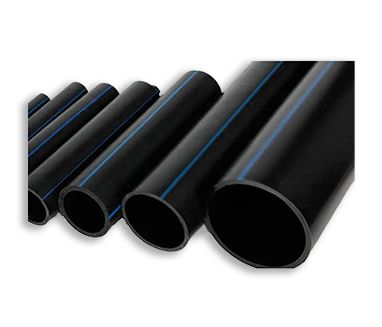
Discount DN150 High-Density Polyethylene (HDPE) pipe for irrigation represents a cost-effective solution for water conveyance in agricultural and landscape applications. Positioned within the broader irrigation infrastructure supply chain, this piping falls between raw material production (polyethylene resin) and on-site installation. Its primary function is to deliver water efficiently from a source – be it a well, reservoir, or municipal supply – to irrigation systems such as drip lines, sprinklers, or flood irrigation setups. Core performance characteristics center around pressure capacity, flow rate, UV resistance, and long-term durability, crucial for minimizing water loss and maintaining consistent irrigation performance. The appeal of DN150 HDPE lies in its balance of structural integrity and affordability, making it a prevalent choice for medium-scale irrigation projects where a robust and reliable water delivery system is needed without incurring the expense of larger diameter or alternative material piping.
Material Science & Manufacturing
DN150 HDPE pipe is manufactured from high-density polyethylene resin, typically grades conforming to PE100 standards. The raw material, a thermoplastic polymer produced from the polymerization of ethylene, exhibits notable characteristics: a high strength-to-density ratio, excellent chemical resistance, flexibility, and a relatively low coefficient of friction. Key physical properties include a density of approximately 0.953 – 0.965 g/cm³, a tensile strength ranging from 32-40 MPa, and a melting point around 120-135°C. Manufacturing generally follows a thermoplastic extrusion process. Polyethylene resin is fed into an extruder, melted, and forced through a circular die to form a continuous tube. Crucial parameters during extrusion include maintaining a consistent melt temperature (typically 180-220°C) to ensure uniform material distribution, precise die sizing to achieve the specified DN150 (150mm) outer diameter and wall thickness, and controlled cooling rates to prevent warping or deformation. The pipe is then marked with relevant information (manufacturer, standard compliance, dimensions, pressure rating), and cut to desired lengths. Quality control involves hydrostatic pressure testing to verify the pipe’s ability to withstand operational pressures, and dimensional checks to ensure adherence to specifications. The specific grade of PE resin used, extrusion temperature control, and cooling rates significantly influence the final pipe’s long-term hydrostatic strength (LTS) and slow crack growth resistance (SCGR).
Performance & Engineering
The performance of DN150 HDPE pipe in irrigation systems is governed by several engineering principles. Internal pressure, arising from water head and pump pressure, induces hoop stress in the pipe wall. The pipe’s ability to withstand this stress is dictated by its dimensions (diameter and wall thickness) and the material’s hydrostatic strength. Flow rate is determined by the pipe's inner diameter, roughness coefficient (relatively low for HDPE), and the pressure gradient along the pipe length. Darcy-Weisbach equation and Hazen-Williams formula are commonly used for flow calculations. UV resistance is critical in exposed irrigation systems; HDPE, while inherently resistant, can degrade over time with prolonged UV exposure. Carbon black additives are incorporated into the resin to provide UV stabilization. Soil loading, in buried applications, exerts external pressure on the pipe. The pipe must be able to withstand this load without collapsing or experiencing significant deformation. Furthermore, thermal expansion and contraction due to temperature fluctuations must be accounted for in the system design to prevent stress concentrations and potential joint failures. Compliance requirements often dictate specific pressure ratings (e.g., PN10, PN16), material standards (PE100), and connection methods (butt fusion, electrofusion, mechanical fittings) that must be adhered to, depending on the application and regional regulations. Failure to account for these factors can lead to pipe rupture, leaks, and system inefficiencies.
Technical Specifications
| Parameter | Value/Specification | Test Method | Typical Application Range |
|---|---|---|---|
| Nominal Diameter | DN150 (150 mm) | ISO 2531 | Irrigation systems, agricultural water supply |
| Outer Diameter | 160 mm (typical) | ISO 2531 | Pipe jointing and installation |
| Wall Thickness | 4.4 mm - 6.6 mm (depending on pressure rating) | ISO 2531 | Determines pressure capacity |
| Pressure Rating (PN) | PN10, PN16 | ISO 1167 | Specifies maximum operating pressure |
| Material | PE100 | ISO 4437 | Ensures high strength and durability |
| Hydrostatic Strength (LTS) | > 10 MPa (depending on wall thickness and grade) | ISO 1167 | Long-term pressure resistance |
Failure Mode & Maintenance
DN150 HDPE pipe, despite its durability, is susceptible to several failure modes. Slow Crack Growth (SCG) is a primary concern, initiated by residual stresses from manufacturing, combined with sustained tensile stresses and exposure to aggressive chemicals or cleaning agents. Environmental Stress Cracking (ESC) can also occur due to similar factors. Fatigue cracking can develop in areas subjected to cyclical pressure fluctuations or vibration. Oxidation, particularly in high-temperature environments, can lead to material embrittlement and reduced strength. Joint failures, typically at butt fusion or electrofusion joints, can occur due to improper welding procedures, insufficient fusion time, or contamination during the joining process. Delamination can occur in areas where the material is stressed and exposed to moisture. Maintenance should focus on preventative measures. Regular visual inspections for cracks, deformations, or leaks are crucial. Avoid exposing the pipe to excessive tensile stress during installation and operation. Ensure compatibility of fluids and cleaning agents with HDPE. Properly store the pipe before installation, protecting it from UV exposure and physical damage. If a leak is detected, the affected section of pipe should be cut out and replaced with a new, properly joined section. For butt fused joints, visual inspection of the weld bead for consistent width and lack of defects is vital. Hydrostatic testing of repaired sections can verify integrity.
Industry FAQ
Q: What is the impact of soil corrosivity on the lifespan of buried DN150 HDPE pipe?
A: Soil corrosivity, particularly the presence of sulfates and chlorides, can accelerate SCG in HDPE pipe. These compounds can leach into the pipe material, increasing its susceptibility to cracking. Protective measures include using a higher wall thickness pipe, applying a protective coating (though less common for HDPE), and ensuring proper backfill material with adequate drainage to minimize exposure to corrosive elements. Regular soil testing can help assess the corrosivity risk.
Q: What are the recommended butt fusion parameters for DN150 HDPE pipe, and how do they affect joint strength?
A: Recommended butt fusion parameters vary based on the PE100 grade and pipe dimensions, but generally involve preheating the pipe ends to 180-200°C, applying a fusion pressure of 0.4-0.6 MPa for a specific duration (typically 60-120 seconds, depending on wall thickness), and allowing the joint to cool under pressure. Insufficient heating or pressure leads to incomplete fusion and weak joints. Excessive heating can cause material degradation. Following DVS 2207-1 is crucial.
Q: How does the UV resistance of DN150 HDPE pipe compare to PVC, and what are the implications for exposed installations?
A: HDPE, even with carbon black additives, generally has lower inherent UV resistance than PVC. PVC contains chlorine, providing greater UV stability. For exposed installations, HDPE requires higher concentrations of carbon black or the application of a UV-resistant coating. Regular inspection of exposed HDPE pipe is recommended, and replacement may be necessary after prolonged exposure (5-10 years, depending on climate).
Q: What considerations should be made when selecting fittings for DN150 HDPE pipe, particularly concerning pressure rating and material compatibility?
A: Fittings should always have a pressure rating equal to or greater than the pipe's pressure rating. Material compatibility is vital; using incompatible fittings (e.g., metal fittings directly connected to HDPE without a dielectric liner) can lead to galvanic corrosion. Select fittings specifically designed for HDPE, such as HDPE butt fusion fittings, electrofusion fittings, or mechanical fittings with appropriate sealing materials.
Q: What is the role of Slow Crack Growth testing (SCG) in evaluating the long-term performance of DN150 HDPE pipe?
A: SCG testing, typically performed according to ISO 4672 or ASTM 1888, assesses the resistance of HDPE pipe to cracking under sustained tensile stress in a controlled environment. It provides a measure of the time it takes for cracks to initiate and propagate, indicating the pipe's long-term durability and resistance to failure from environmental factors and residual stresses. SCG testing is crucial for selecting pipes suitable for demanding applications and predicting their service life.
Conclusion
Discount DN150 HDPE pipe for irrigation offers a pragmatic balance of performance, cost-effectiveness, and ease of installation for medium-scale agricultural and landscape irrigation. Its material properties – high tensile strength, chemical resistance, and flexibility – coupled with established manufacturing processes ensure reliable water conveyance. However, understanding potential failure modes such as SCG, ESC, and UV degradation is paramount for long-term system integrity. Careful consideration of installation practices, material compatibility, and regular inspection programs are vital to maximizing service life and minimizing the risk of costly failures.
Future developments in HDPE resin technology are focused on enhancing UV resistance and SCG resistance, potentially leading to extended service lives and reduced maintenance requirements. Further optimization of fusion welding techniques and quality control procedures will continue to improve joint reliability. The increasing emphasis on sustainable irrigation practices will likely drive continued demand for durable, efficient, and cost-effective piping solutions like DN150 HDPE.
-
DN25 HDPE Compression Fitting-HORON INTERNATIONAL|Reliable Irrigation Solutions
NewsFeb.11,2026
-
hdpe coupling joint product Manufacturing Analysis
News2026-11-18
-
ppr pipe heating time products Performance Analysis
News2026-11-16
-
hdpe pipe sizes factory Performance Analysis
News2026-11-09
-
HDPE Pipe Sizes Service Performance Analysis
News2026-10-26
-
wholesale 15mm ppr pipe Material Science and Performance Analysis
News2026-10-20
-
wholesale pvc pipe price per foot Technical Analysis
News2026-09-21
-
wholesale long pvc pipe Technical Analysis and Manufacturing Specifications
News2026-09-15
-
wholesale plumbing kitchen sink water lines Material Performance
News2026-09-15
-
wholesale hdpe drip irrigation Material Science
News2026-09-15
-
wholesale hot water ppr pipe Performance Analysis
News2026-09-15
-
wholesale ppr plumbing Performance Analysis
News2026-09-15
-
wholesale ppr pipe supplier Performance Analysis
News2026-09-13
-
wholesale 50mm ppr pipe Performance Analysis
News2026-09-13
-
wholesale hdpe drip pipe Performance Analysis
News2026-09-13
-
wholesale hdpe pipe 63mm price Manufacturing Specification and Performance Analysis
News2026-09-13