

Feb . 11, 2026 00:01 Back to list
discount coupler for hdpe pipe Material Science
Introduction
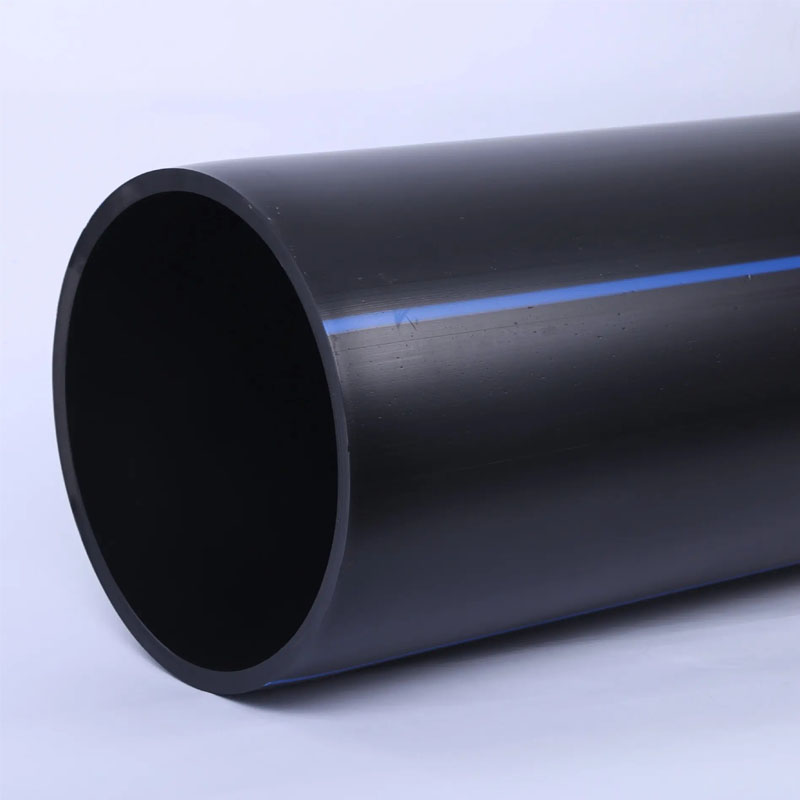
High-Density Polyethylene (HDPE) pipe discount couplers are mechanical fittings designed to join segments of HDPE pipe, offering a cost-effective alternative to fusion welding or solvent cementing, particularly in applications demanding frequent assembly and disassembly. Positioned within the broader polyethylene piping systems industry – encompassing irrigation, drainage, gas distribution, and industrial fluid transfer – these couplers rely on compression principles to create a watertight seal. Their primary function is to provide a readily connectable and disconnectable joint, suited for temporary installations, repairs, or environments where welding is impractical or prohibited. Core performance characteristics include pressure rating, leak tightness, shear strength, and compatibility with varying HDPE pipe schedules and diameters. The increasing demand for efficient and adaptable piping solutions fuels the growing utilization of HDPE discount couplers, particularly in municipal projects, agricultural settings, and contingency infrastructure deployments.
Material Science & Manufacturing
The primary material for discount couplers is typically polypropylene (PP), chosen for its high tensile strength, chemical resistance, and ability to maintain dimensional stability. Specific grades of PP, such as homopolymer PP or copolymer PP, are selected based on the required temperature range and impact resistance. The gasket, crucial for sealing, is commonly composed of Ethylene Propylene Diene Monomer (EPDM) rubber, providing excellent resistance to water, UV radiation, and many chemicals. Manufacturing predominantly involves injection molding. PP resin is heated and injected into a precisely engineered mold cavity, forming the coupler body. Critical parameters during injection molding include melt temperature (typically 200-230°C), mold temperature (40-60°C), injection pressure (60-100 MPa), and cooling time. Control of these parameters is paramount to ensure consistent wall thickness, dimensional accuracy, and minimize internal stresses within the PP structure. Following molding, deburring and quality inspection processes are implemented. Gasket insertion is often automated, ensuring proper positioning and compression. Material selection must account for creep resistance under sustained pressure, as PP is susceptible to long-term deformation. The PP’s amorphous structure contributes to its ease of molding but necessitates careful consideration of its lower crystallization temperature compared to HDPE, impacting long-term performance in elevated temperature applications. The HDPE pipe itself, typically manufactured via extrusion, requires strict adherence to material specifications (e.g., PE100, PE80) to ensure dimensional consistency and compatibility with the coupler’s sealing mechanism.
Performance & Engineering
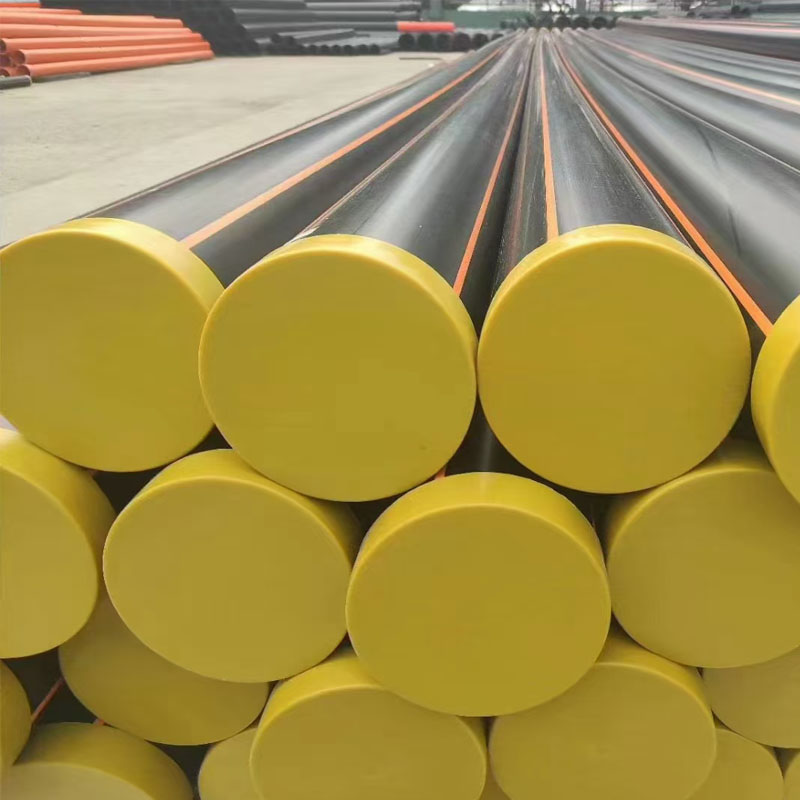
The performance of an HDPE discount coupler is fundamentally governed by the principles of compression sealing and frictional force. The coupler’s gripping teeth or serrations create a mechanical interlock with the HDPE pipe’s outer surface. Tightening the coupler body compresses the EPDM gasket against both the pipe inner diameter and the coupler body, forming a watertight barrier. Force analysis considers hoop stress within the pipe caused by the coupler’s grip, as excessive stress can lead to pipe deformation or cracking. The design of the gripping mechanism – tooth geometry, pitch, and penetration depth – directly influences shear strength and resistance to pull-out under tensile loads. Environmental resistance is a critical consideration. UV exposure can degrade the PP material over time, reducing its mechanical properties. Temperature fluctuations affect the EPDM gasket’s elasticity and sealing capability. The coupler’s performance must be validated against relevant standards (e.g., AWWA C906) which specify pressure testing requirements, leakage limits, and material property benchmarks. Finite Element Analysis (FEA) is frequently employed during the design phase to optimize the coupler’s geometry and predict its stress distribution under various loading scenarios. Installation torque is a key engineering parameter; over-tightening can crush the pipe, while under-tightening compromises the seal. Compliance requirements, particularly in potable water applications, demand the use of materials certified to NSF/ANSI 61, ensuring they do not leach harmful contaminants into the water supply.
Technical Specifications
| Parameter | Metric | Unit | Test Standard |
|---|---|---|---|
| Pressure Rating | 150 | PSI | ASTM D2412 |
| Operating Temperature Range | -40 to 80 | °C | ASTM D790 |
| Pipe Size Compatibility | 0.5 to 6 | Inch | AWWA C906 |
| Material (Coupler Body) | Polypropylene (PP) | - | ASTM D4101 |
| Material (Gasket) | EPDM Rubber | - | ASTM D2000 |
| Tensile Strength (Coupler Body) | 35 | MPa | ASTM D638 |
Failure Mode & Maintenance
Discount couplers, while robust, are susceptible to several failure modes. The most common is gasket failure, manifested as leakage. This can result from gasket degradation due to UV exposure, chemical attack, or compression set (permanent deformation). Shear failure of the gripping teeth can occur under high tensile loads, particularly if the pipe surface is contaminated with debris or the coupler is improperly installed. Creep deformation of the PP coupler body under sustained pressure and temperature can lead to loosening of the joint and eventual leakage. Environmental Stress Cracking (ESC) is another potential failure mode, especially in the presence of detergents or aggressive chemicals. Fatigue cracking can develop in the coupler body due to repeated pressure cycles or vibration. Maintenance involves periodic visual inspection for leaks, cracks, or signs of gasket degradation. Regularly check the installation torque to ensure it remains within the manufacturer's specifications. If leakage is detected, the gasket should be replaced. For applications involving harsh chemicals, consider using couplers made from chemically resistant materials. Preventative measures include proper cleaning of the pipe surface before installation, using appropriate installation tools, and avoiding over-tightening. When storing couplers, protect them from direct sunlight and extreme temperatures to prevent material degradation.
Industry FAQ
Q: What is the primary advantage of using a discount coupler versus welding HDPE pipe?
A: The primary advantage is the speed and ease of installation and disassembly. Welding requires specialized equipment and skilled labor, and is a permanent joint. Discount couplers allow for quick connections and disconnections without hot work, making them ideal for temporary installations, repairs, and applications where flexibility is needed.
Q: How does temperature affect the performance of an HDPE discount coupler?
A: Elevated temperatures can reduce the strength and stiffness of the PP coupler body and decrease the elasticity of the EPDM gasket, potentially leading to leakage. Low temperatures can make the gasket more brittle and susceptible to cracking. The specified operating temperature range must be adhered to.
Q: What level of UV resistance does the PP material in a typical discount coupler offer?
A: Standard PP materials exhibit limited UV resistance. Prolonged exposure to sunlight will cause degradation, leading to embrittlement and reduced mechanical properties. UV stabilizers are often added to the PP formulation to mitigate this effect, but even then, long-term exposure necessitates protective measures, such as shielding or using UV-resistant coatings.
Q: What torque specification should I use when installing a discount coupler?
A: Torque specifications vary depending on the coupler size and manufacturer. Always consult the manufacturer’s data sheet for the recommended torque value. Using a calibrated torque wrench is essential to ensure proper clamping force without over-tightening and damaging the pipe.
Q: Are these couplers suitable for use with potable water systems?
A: Couplers intended for potable water systems must be manufactured from materials certified to NSF/ANSI 61. Verify that the coupler you are selecting has this certification to ensure it does not leach harmful contaminants into the water supply.
Conclusion
HDPE discount couplers represent a valuable and adaptable joining solution within the broader polyethylene piping landscape. Their ease of installation, cost-effectiveness, and suitability for temporary or repair applications position them as a key component in various industries. Understanding the underlying material science – the properties of PP and EPDM – and the engineering principles governing compression sealing is crucial for proper selection and implementation. Careful consideration of potential failure modes, coupled with diligent maintenance practices, ensures long-term performance and reliability.
The future of HDPE discount coupler technology likely lies in the development of enhanced materials with improved UV resistance, creep resistance, and chemical compatibility. Integration of smart sensing capabilities, such as torque monitoring and leak detection, could further optimize their performance and preventative maintenance. Continued adherence to and evolution of industry standards, like AWWA and NSF certifications, will be essential to maintain quality and ensure safe, reliable operation in increasingly demanding applications.
-
DN25 HDPE Compression Fitting-HORON INTERNATIONAL|Reliable Irrigation Solutions
NewsFeb.11,2026
-
hdpe coupling joint product Manufacturing Analysis
News2026-11-18
-
ppr pipe heating time products Performance Analysis
News2026-11-16
-
hdpe pipe sizes factory Performance Analysis
News2026-11-09
-
HDPE Pipe Sizes Service Performance Analysis
News2026-10-26
-
wholesale 15mm ppr pipe Material Science and Performance Analysis
News2026-10-20
-
wholesale pvc pipe price per foot Technical Analysis
News2026-09-21
-
wholesale long pvc pipe Technical Analysis and Manufacturing Specifications
News2026-09-15
-
wholesale plumbing kitchen sink water lines Material Performance
News2026-09-15
-
wholesale hdpe drip irrigation Material Science
News2026-09-15
-
wholesale hot water ppr pipe Performance Analysis
News2026-09-15
-
wholesale ppr plumbing Performance Analysis
News2026-09-15
-
wholesale ppr pipe supplier Performance Analysis
News2026-09-13
-
wholesale 50mm ppr pipe Performance Analysis
News2026-09-13
-
wholesale hdpe drip pipe Performance Analysis
News2026-09-13
-
wholesale hdpe pipe 63mm price Manufacturing Specification and Performance Analysis
News2026-09-13