

Feb . 11, 2026 00:01 Back to list
discount buy hdpe pipe Performance Analysis
Introduction
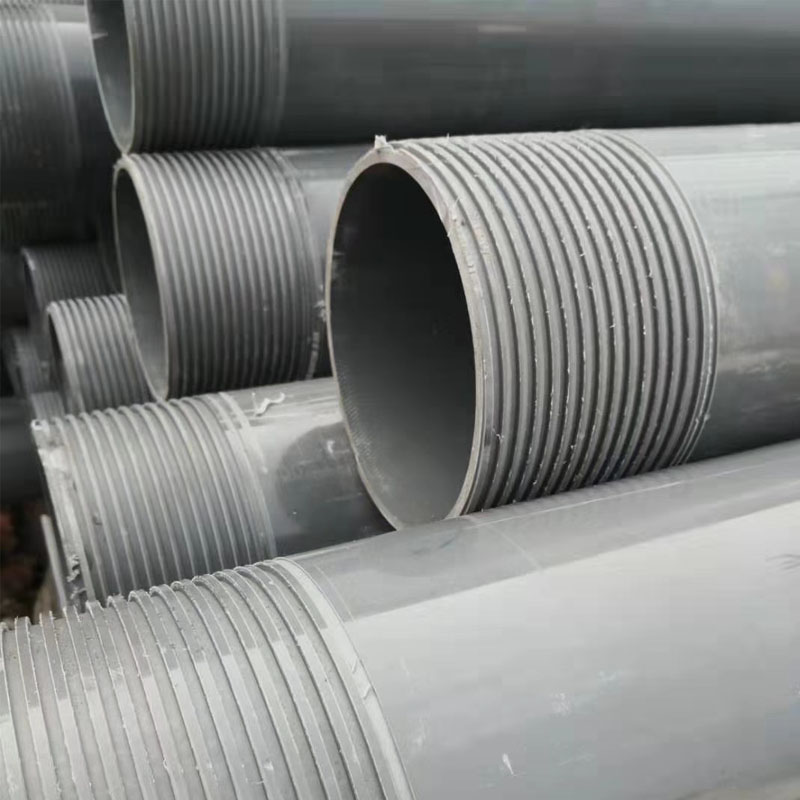
High-Density Polyethylene (HDPE) pipe is a thermoplastic pipe manufactured from petroleum. Within the broader piping industry, HDPE occupies a significant position, particularly in applications requiring corrosion resistance, durability, and flexibility. Often referred to as PE pipe, it competes with materials like PVC, ductile iron, and steel. The ‘discount buy’ aspect relates to the material’s relatively low cost per foot compared to these alternatives, driven by efficient manufacturing processes and readily available raw materials. Core performance characteristics include pressure bearing capability, resistance to chemical degradation, and a smooth internal surface minimizing friction loss. This guide will provide a comprehensive technical overview of HDPE pipe, covering material science, manufacturing, performance, potential failure modes, and relevant industry standards. The increasing demand for reliable, cost-effective, and long-lasting piping solutions has propelled HDPE to the forefront of numerous infrastructure projects, from municipal water distribution to industrial fluid transfer.
Material Science & Manufacturing
HDPE is a linear polymer derived from the polymerization of ethylene. The raw material, ethylene, is typically sourced from natural gas or crude oil. Its molecular structure consists of long chains of repeating ethylene units, leading to a high degree of crystallinity. Higher crystallinity translates to increased density, strength, and resistance to chemicals. Different grades of HDPE are characterized by their density, molecular weight distribution, and additives. Common HDPE resin designations include HDPE 3458, HDPE 3608, and HDPE 3708, each signifying specific performance parameters. The manufacturing process for HDPE pipe primarily involves extrusion. Raw HDPE pellets are fed into an extruder, where they are heated and melted. The molten plastic is then forced through a die to form the desired pipe diameter and wall thickness. Critical parameters during extrusion include die temperature, screw speed, and cooling rate. Maintaining precise control over these parameters is crucial to ensure dimensional accuracy, consistent wall thickness, and optimal mechanical properties. Post-extrusion, pipes are often subjected to hydrostatic testing to verify their pressure bearing capacity. Fusion welding – specifically butt fusion, socket fusion, and electrofusion – are the primary joining methods employed in the field. These techniques ensure a homogenous weld, maintaining the structural integrity of the piping system. Additives like carbon black are often incorporated to provide UV protection, while antioxidants enhance long-term thermal stability.
Performance & Engineering
The performance of HDPE pipe is governed by several key engineering principles. Firstly, its ductility allows for a degree of flexibility, making it suitable for applications where soil movement or seismic activity is a concern. Stress analysis, utilizing Finite Element Analysis (FEA), is commonly employed to determine the pipe’s ability to withstand internal pressure and external loads (soil load, traffic load). The Hazen-Williams equation is used to calculate friction losses within the pipe, impacting pump sizing and energy consumption. HDPE's chemical resistance is exceptional; it is largely unaffected by acids, bases, and many organic solvents. However, prolonged exposure to strong oxidizing agents can lead to degradation. Environmental resistance is a crucial factor. While HDPE exhibits good UV resistance, particularly when incorporating carbon black, prolonged exposure can lead to embrittlement. Temperature significantly impacts performance. At lower temperatures, HDPE becomes more brittle, increasing the risk of cracking during installation or operation. At elevated temperatures, creep deformation becomes a concern, potentially leading to long-term dimensional instability. Compliance requirements vary depending on the application. For potable water systems, HDPE pipe must meet NSF/ANSI 61 standards to ensure it does not leach harmful contaminants into the water. For gas distribution, compliance with DOT regulations is essential, specifying requirements for material strength, weld integrity, and leak detection. The long-term hydrostatic strength (LTHS) of HDPE pipe is a critical parameter, often determined through accelerated aging tests in accordance with ISO 11679.
Technical Specifications
| Parameter | Unit | Typical Value (SDR 17) | Typical Value (SDR 11) |
|---|---|---|---|
| Outside Diameter | inch | 4.0 | 6.0 |
| Wall Thickness | inch | 0.237 | 0.552 |
| Pressure Rating @ 73°F | psi | 1000 | 1600 |
| Density | g/cm³ | 0.953 - 0.965 | 0.953 - 0.965 |
| Maximum Operating Temperature | °F | 140 | 140 |
| Minimum Installation Temperature | °F | 32 | 32 |
Failure Mode & Maintenance
Several failure modes can affect HDPE pipe in practical applications. Slow Crack Growth (SCG) is a primary concern, particularly in high-stress environments. SCG is initiated by pre-existing flaws or scratches and propagates slowly over time, ultimately leading to catastrophic failure. Oxidation, caused by exposure to high temperatures and oxygen, can embrittle the material. UV degradation, as mentioned previously, can also lead to embrittlement and cracking. Fatigue cracking can occur in applications subject to cyclical pressure fluctuations or mechanical stress. Joint failures are common, often resulting from improper fusion welding techniques or inadequate surface preparation. Third-party damage during excavation is a significant contributor to pipeline failures. Regular maintenance is crucial to prevent and mitigate these failure modes. Periodic visual inspections should be conducted to identify signs of cracking, deformation, or corrosion. Hydrostatic testing can be used to assess the integrity of the pipeline. Leak detection surveys, employing acoustic sensors or tracer gas methods, can pinpoint leaks quickly. Proper backfill procedures are essential to provide adequate support and prevent external stresses. When performing repairs, it is critical to use compatible fusion welding equipment and follow established welding procedures. A cathodic protection system can be implemented to mitigate corrosion in aggressive soil environments.
Industry FAQ
Q: What is the impact of surge pressure on HDPE pipelines?
A: Surge pressure, or water hammer, occurs due to sudden changes in flow velocity, typically caused by pump start/stop or valve operation. HDPE’s flexibility offers some inherent resilience, but excessive surge pressure can exceed the pipe’s pressure rating and cause rupture. Surge protection devices, such as surge relief valves and air chambers, should be installed to mitigate these pressure fluctuations. Proper pipeline design, incorporating gradual valve closures and controlled pump operation, is also crucial.
Q: How does soil corrosivity affect HDPE pipe longevity?
A: While HDPE is inherently corrosion-resistant, aggressive soil conditions can indirectly impact its longevity. Highly corrosive soils can cause deterioration of surrounding metallic components (e.g., valve boxes, fittings) and potentially induce stress corrosion cracking in HDPE if in direct contact with dissimilar metals. Proper bedding and backfill materials, along with the application of protective coatings to metallic components, are essential. Cathodic protection may be necessary in extremely corrosive environments.
Q: What are the best practices for storing HDPE pipe on-site?
A: HDPE pipe should be stored in a cool, dry, and shaded area, away from direct sunlight and extreme temperatures. Piles should be supported adequately to prevent deformation. Avoid storing pipe directly on the ground; use wooden pallets or other supports. Cover the pipe with a tarp or opaque material to protect it from UV radiation. Inspect the pipe regularly for signs of damage.
Q: What are the limitations of HDPE pipe in high-temperature applications?
A: HDPE’s maximum operating temperature is typically around 140°F (60°C). Exceeding this temperature can lead to creep deformation, reduced pressure bearing capacity, and premature failure. For applications requiring higher temperatures, alternative materials like cross-linked polyethylene (PEX) or metal alloys should be considered. Proper thermal insulation can help mitigate temperature-related issues in moderate high-temperature environments.
Q: How does the SDR (Standard Dimension Ratio) impact the pressure rating of HDPE pipe?
A: The SDR is the ratio of the pipe’s outside diameter to its wall thickness. A lower SDR indicates a thicker wall and, consequently, a higher pressure rating. Higher SDR pipes are typically used for lower-pressure applications, offering cost savings due to reduced material usage. The SDR is a crucial parameter when selecting HDPE pipe for a specific application, ensuring it can withstand the anticipated operating pressures.
Conclusion
HDPE pipe represents a robust and cost-effective solution for a wide range of fluid transfer applications. Its inherent corrosion resistance, flexibility, and ease of installation contribute to its growing popularity across diverse industries. Understanding the material science, manufacturing processes, and performance characteristics of HDPE is crucial for ensuring the long-term reliability and integrity of piping systems.
Moving forward, advancements in HDPE resin technology and fusion welding techniques will further enhance the performance and durability of HDPE pipe. The continued adoption of standardized testing procedures and quality control measures will be essential to maintain the highest levels of safety and reliability. As sustainability concerns gain prominence, the recyclability of HDPE will solidify its position as an environmentally responsible piping material.
-
DN25 HDPE Compression Fitting-HORON INTERNATIONAL|Reliable Irrigation Solutions
NewsFeb.11,2026
-
hdpe coupling joint product Manufacturing Analysis
News2026-11-18
-
ppr pipe heating time products Performance Analysis
News2026-11-16
-
hdpe pipe sizes factory Performance Analysis
News2026-11-09
-
HDPE Pipe Sizes Service Performance Analysis
News2026-10-26
-
wholesale 15mm ppr pipe Material Science and Performance Analysis
News2026-10-20
-
wholesale pvc pipe price per foot Technical Analysis
News2026-09-21
-
wholesale long pvc pipe Technical Analysis and Manufacturing Specifications
News2026-09-15
-
wholesale plumbing kitchen sink water lines Material Performance
News2026-09-15
-
wholesale hdpe drip irrigation Material Science
News2026-09-15
-
wholesale hot water ppr pipe Performance Analysis
News2026-09-15
-
wholesale ppr plumbing Performance Analysis
News2026-09-15
-
wholesale ppr pipe supplier Performance Analysis
News2026-09-13
-
wholesale 50mm ppr pipe Performance Analysis
News2026-09-13
-
wholesale hdpe drip pipe Performance Analysis
News2026-09-13
-
wholesale hdpe pipe 63mm price Manufacturing Specification and Performance Analysis
News2026-09-13