

Feb . 11, 2026 00:01 Back to list
discount blue pvc pipe Material Properties
Introduction
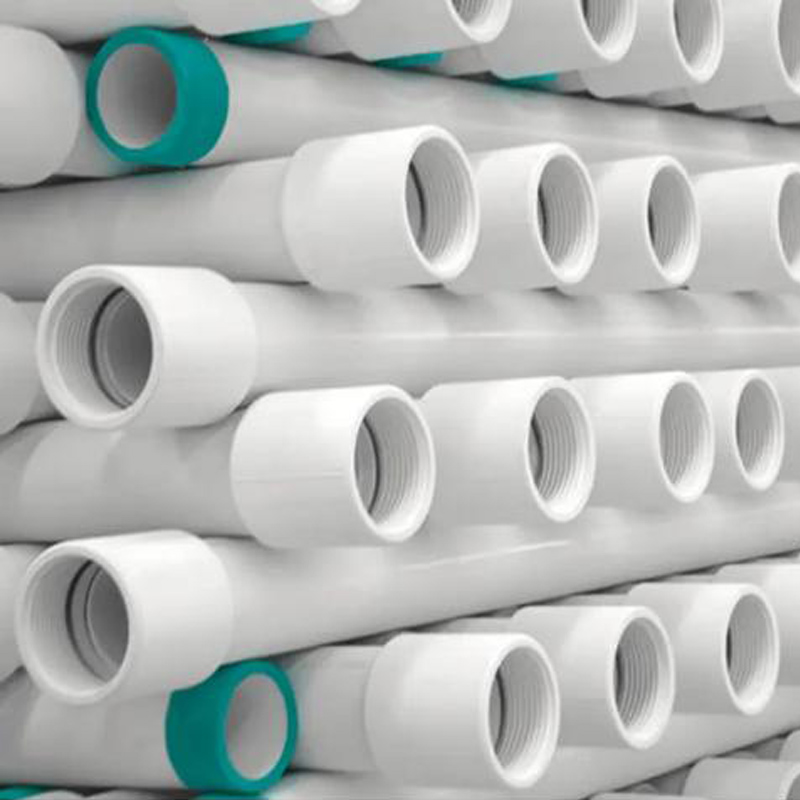
Polyvinyl chloride (PVC) pipe, particularly the commonly specified schedule 40 and 80 variations in blue, represents a cornerstone material in fluid conveyance systems across numerous industries. This technical guide focuses on “discount blue PVC pipe,” acknowledging its position as a cost-effective solution within a broader spectrum of PVC offerings. While often utilized for irrigation, cold water distribution, drainage, and conduit, a comprehensive understanding of its material properties, manufacturing processes, performance limitations, and potential failure modes is critical for ensuring long-term reliability and safety. The “blue” designation typically indicates pressure rating and intended use – commonly potable water distribution, though standards vary regionally. The term "discount" implies a focus on economically viable manufacturing practices and material sourcing, which necessitates careful consideration of quality control relative to premium grade PVC options. This guide provides an in-depth technical analysis for engineers, procurement managers, and maintenance personnel involved in specifying, installing, and maintaining PVC piping systems.
Material Science & Manufacturing
Discount blue PVC pipe is fundamentally composed of a thermoplastic polymer, Polyvinyl Chloride, synthesized from vinyl chloride monomer. The addition of plasticizers, stabilizers, lubricants, and pigments (resulting in the blue color) modifies the base polymer's properties. The primary plasticizer, historically phthalates, is increasingly replaced by alternatives like DINP and DOTP due to health and environmental concerns. Stabilizers, typically metal-based compounds (calcium-zinc or lead-based, though lead is being phased out), prevent thermal degradation during processing and UV exposure during service. Manufacturing typically involves extrusion. PVC resin, along with the aforementioned additives, is fed into a single or twin-screw extruder where it is heated, homogenized, and forced through a die to form a seamless pipe. Critical process parameters include melt temperature (180-210°C), die pressure, and cooling rate. Variations in these parameters directly impact the pipe’s dimensional accuracy, impact resistance, and long-term mechanical properties. The cooling process, usually involving a water bath, is vital to prevent warping or internal stresses. The quality of the PVC resin itself is a primary driver of price – “discount” PVC often utilizes recycled content or lower-grade virgin resins. Subsequent quality control checks, including hydrostatic pressure testing and dimensional analysis, are essential. Material density typically ranges from 1.40 to 1.45 g/cm3. The glass transition temperature (Tg) of PVC is approximately 80°C, influencing its performance at elevated temperatures.
Performance & Engineering
The performance of discount blue PVC pipe is governed by several key engineering considerations. Tensile strength, typically around 55-70 MPa, dictates its ability to withstand internal pressure and external loads. Modulus of elasticity (2.4-3.5 GPa) determines pipe stiffness and resistance to deflection. A critical parameter is the hydrostatic design stress (HDS), which is a fraction of the tensile strength (typically 40-50%) used for determining maximum allowable working pressure. Environmental resistance is another key factor. PVC is susceptible to UV degradation, necessitating the use of UV stabilizers in outdoor applications. Chemical resistance is generally excellent against acids, alkalis, and many solvents, but prolonged exposure to certain ketones and aromatic hydrocarbons can cause swelling and softening. Installation practices significantly impact long-term performance. Proper bedding and backfill are essential to prevent stress concentrations and potential cracking. Thermal expansion and contraction are also important considerations, especially in long pipe runs. The coefficient of linear thermal expansion for PVC is approximately 8 x 10⁻⁵ /°C. Joints and connections (solvent welding, threaded, or flanged) are often points of failure if not properly executed. Solvent welding relies on the chemical bonding of the PVC material with the solvent, creating a homogeneous joint. Fatigue analysis is crucial for applications involving cyclical pressure changes or vibrations. The impact resistance, measured by Charpy impact strength, is lower for PVC compared to other plastics like polyethylene, making it more susceptible to brittle fracture under impact loading.
Technical Specifications
| Parameter | Schedule 40 (Typical) | Schedule 80 (Typical) | ASTM D1785 |
|---|---|---|---|
| Material | PVC (Polyvinyl Chloride) | PVC (Polyvinyl Chloride) | PVC Resin |
| Color | Blue | Blue | Typically Blue, other colors available |
| Pressure Rating (psi at 73°F) | 400 psi | 600 psi | Variable, dependent on size & schedule |
| Tensile Strength (MPa) | 55-65 | 60-70 | Minimum 55 MPa |
| Modulus of Elasticity (GPa) | 2.8-3.2 | 3.0-3.5 | Typical Range 2.4 - 3.5 GPa |
| Operating Temperature Range (°F) | -40 to 140 | -40 to 140 | Dependent on Pressure & Application |
Failure Mode & Maintenance
Discount blue PVC pipe is susceptible to several failure modes. Brittle fracture, especially at low temperatures or under impact loading, is a common concern. Long-term hydrostatic stress can lead to slow crack growth (SCG), particularly in the presence of residual stress from manufacturing or improper installation. UV degradation causes embrittlement and discoloration, reducing impact resistance and tensile strength. Chemical attack from incompatible substances can cause swelling, softening, and eventual failure. Joint failures are frequent, stemming from inadequate solvent welding (insufficient solvent, improper application technique, or contamination), improper threading, or gasket failure in flanged connections. Soil stress from improper bedding or backfill can cause ovalization and cracking. Maintenance primarily involves visual inspection for cracks, leaks, discoloration, and deformation. Regular pressure testing can identify slow leaks before they become catastrophic. Repair options include patching with PVC cement and sleeves, or replacement of damaged sections. Preventive maintenance includes protecting exposed pipe from UV radiation with paint or coverings, ensuring proper bedding and backfill, and avoiding exposure to incompatible chemicals. Root intrusion into joints is a common issue in buried pipelines, requiring periodic root removal or pipe replacement. Failure analysis should include examination of fracture surfaces to determine the root cause (brittle fracture, SCG, chemical attack, etc.).
Industry FAQ
Q: What is the impact of using recycled PVC content on the long-term performance of discount blue PVC pipe?
A: Increased recycled content generally reduces tensile strength, impact resistance, and UV stability. While modern recycling processes mitigate some of these effects, a higher percentage of recycled material necessitates more stringent quality control and potentially shorter service life estimates. The type of recycled PVC (post-industrial vs. post-consumer) also plays a significant role, with post-industrial generally exhibiting better properties.
Q: What solvent cement should be used for joining discount blue PVC pipe, and what are the key considerations for a reliable weld?
A: A solvent cement specifically formulated for PVC is required. The cement type (all-purpose, medium-bodied, heavy-bodied) should be selected based on pipe size and ambient temperature. Key considerations include proper surface preparation (cleaning and deburring), sufficient application of cement to both surfaces, adequate dwell time before assembly, and proper curing time before pressurization. Avoid excessive cement, which can weaken the joint. Follow ASTM D3965 guidelines.
Q: How does the blue color affect the UV resistance of the pipe compared to other PVC pipe colors?
A: The blue pigment itself doesn’t inherently provide significant UV protection. UV resistance depends primarily on the concentration and type of UV stabilizers added during manufacturing. While some pigments can absorb UV radiation, the blue pigment’s contribution is minimal. A higher concentration of UV stabilizers is crucial for blue PVC pipe intended for prolonged outdoor exposure.
Q: What are the limitations of discount blue PVC pipe in terms of handling corrosive chemicals?
A: PVC generally exhibits good resistance to many acids and bases. However, it is susceptible to attack by strong oxidizing agents, ketones, esters, and aromatic hydrocarbons. Exposure to these chemicals can cause swelling, softening, and cracking. A chemical compatibility chart should always be consulted before using PVC pipe in a corrosive environment.
Q: What is the recommended bedding and backfill material for buried discount blue PVC pipe to minimize stress and potential cracking?
A: A granular bedding material, such as sand or gravel, is recommended to provide uniform support and prevent localized stress concentrations. Backfill material should be non-corrosive, well-compacted in layers, and free of rocks or debris. Avoid using heavy machinery directly over the pipe during backfilling. Proper compaction is crucial to prevent settlement and subsequent pipe stress.
Conclusion
Discount blue PVC pipe remains a prevalent choice for numerous fluid handling applications due to its cost-effectiveness and relative ease of installation. However, understanding its inherent limitations concerning material composition, manufacturing variances, and potential failure modes is paramount. The use of recycled materials and cost-saving measures often employed in “discount” PVC necessitate increased scrutiny of quality control procedures. Proper installation techniques, including correct solvent welding practices and adequate bedding/backfill support, are critical for achieving long-term reliability and preventing premature failure.
Future trends in PVC pipe technology will likely focus on enhancing material formulations with improved UV stabilizers and impact modifiers, exploring bio-based plasticizers as sustainable alternatives, and implementing advanced non-destructive testing methods for quality assurance. Continued adherence to industry standards and best practices will be vital for maximizing the service life and minimizing the environmental impact of PVC piping systems, even within the budget-conscious segment represented by “discount” blue PVC pipe.
-
DN25 HDPE Compression Fitting-HORON INTERNATIONAL|Reliable Irrigation Solutions
NewsFeb.11,2026
-
hdpe coupling joint product Manufacturing Analysis
News2026-11-18
-
ppr pipe heating time products Performance Analysis
News2026-11-16
-
hdpe pipe sizes factory Performance Analysis
News2026-11-09
-
HDPE Pipe Sizes Service Performance Analysis
News2026-10-26
-
wholesale 15mm ppr pipe Material Science and Performance Analysis
News2026-10-20
-
wholesale pvc pipe price per foot Technical Analysis
News2026-09-21
-
wholesale long pvc pipe Technical Analysis and Manufacturing Specifications
News2026-09-15
-
wholesale plumbing kitchen sink water lines Material Performance
News2026-09-15
-
wholesale hdpe drip irrigation Material Science
News2026-09-15
-
wholesale hot water ppr pipe Performance Analysis
News2026-09-15
-
wholesale ppr plumbing Performance Analysis
News2026-09-15
-
wholesale ppr pipe supplier Performance Analysis
News2026-09-13
-
wholesale 50mm ppr pipe Performance Analysis
News2026-09-13
-
wholesale hdpe drip pipe Performance Analysis
News2026-09-13
-
wholesale hdpe pipe 63mm price Manufacturing Specification and Performance Analysis
News2026-09-13