

Feb . 11, 2026 00:01 Back to list
discount 75mm ppr pipe Performance Analysis
Introduction
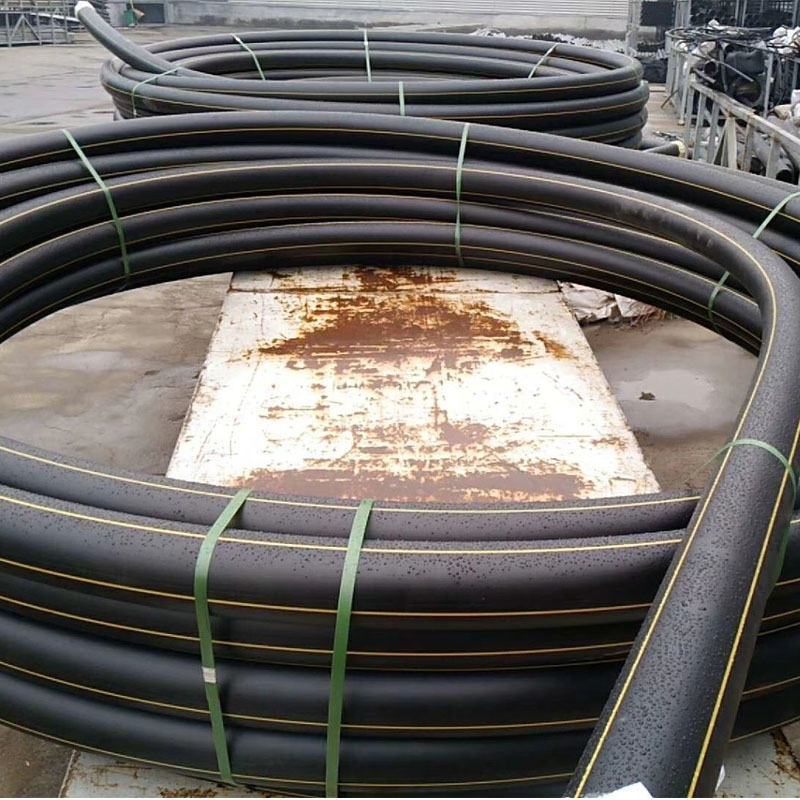
Polypropylene Random (PPR) pipe, specifically the 75mm variant offered at a discount, represents a significant advancement in fluid conveyance systems. Positioned within the building infrastructure supply chain, it serves as a critical component for potable water, heating, and cooling applications. Unlike traditional metallic piping, PPR offers inherent corrosion resistance and a smooth internal surface minimizing frictional losses. This 75mm diameter is commonly employed in main distribution lines within commercial and residential buildings, and increasingly within industrial process piping where chemical compatibility allows. Core performance characteristics include pressure handling capability, temperature resistance, and long-term durability, directly impacting operational efficiency and lifecycle cost. The ‘discount’ designation reflects a competitive pricing strategy, making PPR accessible for larger-scale projects without compromising core material properties. This guide details the material science, manufacturing processes, performance characteristics, potential failure modes, and relevant industry standards pertaining to this specific pipe dimension.
Material Science & Manufacturing
PPR pipe is manufactured from polypropylene random copolymer. This copolymerization introduces random ethylenе units into the polypropylene chain, disrupting its crystallinity. This is crucial; reduced crystallinity enhances impact resistance and flexibility compared to homopolymer polypropylene. The raw material’s density typically ranges from 0.905 to 0.92 g/cm³. Key physical properties include a glass transition temperature around 0°C, a melting point between 130-171°C (depending on the specific grade), and a tensile strength ranging from 20-30 MPa. The manufacturing process predominantly utilizes extrusion. Polypropylene granules are fed into an extruder, melted, and forced through a circular die to form the pipe. Critical parameters during extrusion include melt temperature control (typically 190-230°C), die pressure, and cooling rate. Precise control of these parameters is vital to ensure dimensional accuracy and uniform wall thickness. Furthermore, the pipe is often manufactured with multiple layers - a core layer and potentially a surface layer with enhanced UV resistance. Socket fusion welding, butt fusion welding, and electrofusion welding are the primary joining methods. Successful welding relies on precise temperature and pressure control to achieve a homogenous weld joint exhibiting comparable strength to the parent material. Chemical compatibility is paramount; PPR exhibits excellent resistance to many chemicals, but is susceptible to degradation by strong oxidizing agents and some aromatic hydrocarbons.
Performance & Engineering
The performance of 75mm PPR pipe is critically linked to its ability to withstand hydrostatic pressure and thermal stresses. Hydrostatic pressure testing, according to standards such as ISO 1167, is fundamental to verifying the pipe’s burst pressure. Typically, 75mm PPR pipe is rated to withstand pressures ranging from PN10 (1.0 MPa) to PN25 (2.5 MPa), depending on the wall thickness and material grade. Engineering considerations must account for water hammer effects, which can generate significant transient pressure spikes. The smooth inner surface of PPR minimizes frictional headloss, improving flow rate and reducing pumping energy requirements. Thermal expansion and contraction are also critical design factors. PPR exhibits a coefficient of thermal expansion of approximately 0.15 mm/m°C. Therefore, expansion loops or flexible connections must be incorporated into the piping system to accommodate temperature fluctuations and prevent stress buildup. Long-term creep resistance is also important; prolonged exposure to elevated temperatures and pressures can lead to gradual deformation. The material's performance under cyclic loading conditions (repeated pressure variations) must be evaluated to ensure fatigue life meets design requirements. Compliance requirements vary by region, often dictated by local building codes and potable water regulations. These regulations specify permissible materials, pressure ratings, and installation procedures.
Technical Specifications
| Parameter | Unit | Specification (Typical) | Test Standard |
|---|---|---|---|
| Nominal Diameter | mm | 75 | ISO 4437 |
| Outside Diameter | mm | 82.7 | ISO 4437 |
| Wall Thickness | mm | 3.7 – 4.6 (depending on PN rating) | ISO 4437 |
| Pressure Rating (PN) | MPa | PN10, PN16, PN20, PN25 | ISO 1167 |
| Tensile Strength | MPa | 20 - 30 | ISO 527-2 |
| Elongation at Break | % | 200 - 400 | ISO 527-2 |
| Water Absorption | % | <0.1 | ISO 62 |
Failure Mode & Maintenance
Common failure modes in 75mm PPR pipe include slow crack growth (SCG), particularly in areas of high stress concentration such as around fittings or due to external loads. SCG is often initiated by residual stresses from manufacturing or improper installation. Another significant failure mode is thermal deformation, particularly at elevated temperatures, leading to bowing or buckling of the pipe. UV degradation can also occur, especially in exposed applications, causing embrittlement and cracking. Corrosion is generally not a concern with PPR, but degradation can occur due to prolonged exposure to specific chemicals, as previously mentioned. Improper welding techniques are a frequent cause of failure, resulting in weak weld joints susceptible to leakage or rupture. Maintenance involves regular visual inspections for signs of cracking, deformation, or leakage. Pressure testing should be conducted periodically to verify system integrity. Preventative measures include protecting the pipe from direct sunlight, providing adequate support to prevent excessive stress, and ensuring proper welding procedures are followed. For SCG mitigation, reducing operating stress and utilizing fittings with optimized stress distribution is crucial. Any detected leaks require immediate repair, typically through cutting out the damaged section and replacing it with a new piece of PPR pipe joined using appropriate welding techniques. Periodic flushing of the system can remove sediment buildup and reduce the risk of blockage.
Industry FAQ
Q: What is the long-term impact of chlorine in potable water on PPR pipe, and what additives are used to mitigate this?
A: While PPR exhibits good resistance to chlorine, prolonged exposure, particularly at elevated concentrations and temperatures, can lead to gradual degradation and embrittlement. Manufacturers often incorporate UV stabilizers and antioxidant additives into the PPR formulation to enhance resistance to chlorine and other oxidizing agents. However, maintaining optimal water chemistry and minimizing chlorine levels are still recommended for maximizing the pipe’s lifespan.
Q: How does the performance of PPR compare to CPVC in high-temperature applications, such as hot water distribution?
A: CPVC (Chlorinated Polyvinyl Chloride) generally exhibits higher temperature resistance than PPR. CPVC can handle continuous operating temperatures up to 93°C, while PPR is typically limited to around 70-80°C. Therefore, CPVC is often preferred for hot water distribution systems where temperatures consistently exceed the PPR limit. However, PPR offers advantages in terms of flexibility, ease of installation, and lower cost.
Q: What are the critical considerations for selecting the appropriate welding method (socket fusion, butt fusion, electrofusion) for 75mm PPR pipe?
A: The selection depends on pipe diameter, application, and desired weld strength. Socket fusion is suitable for smaller diameters and generally requires less skilled labor. Butt fusion is ideal for larger diameters (like 75mm) and provides a stronger, more reliable weld. Electrofusion offers precise control and is often used for critical applications, but requires specialized equipment and training. Ensure the welding equipment is correctly calibrated and the welding parameters are in accordance with the manufacturer's recommendations.
Q: What is the typical service life expectancy for a properly installed and maintained 75mm PPR piping system?
A: A properly installed and maintained 75mm PPR piping system can typically have a service life of 50 years or more. This assumes normal operating conditions, adherence to relevant standards, and regular inspections. Factors that can reduce service life include excessive temperatures, high pressures, exposure to harsh chemicals, and improper installation.
Q: How does the cost of 75mm PPR pipe compare to alternative materials like copper or stainless steel, considering both initial material costs and long-term installation & maintenance expenses?
A: Initially, 75mm PPR pipe is generally less expensive than copper or stainless steel. However, the overall lifecycle cost needs to be considered. Copper and stainless steel have higher material costs but often require less skilled labor for installation and have longer service lives. PPR's ease of installation can reduce labor costs, but the potential for SCG and the need for regular inspections can increase long-term maintenance expenses. A comprehensive cost analysis should consider all factors to determine the most economical option for a specific application.
Conclusion
Discount 75mm PPR pipe represents a cost-effective and reliable solution for a wide range of fluid conveyance applications. Its inherent corrosion resistance, smooth internal surface, and ease of installation offer significant advantages over traditional materials. However, understanding the material’s limitations—particularly concerning temperature resistance and susceptibility to slow crack growth—is crucial for ensuring long-term performance and reliability. Careful consideration of operating conditions, proper welding techniques, and regular maintenance are essential for maximizing the lifespan of a PPR piping system.
Future advancements in PPR technology will likely focus on enhancing UV resistance, improving impact strength, and developing new formulations with increased temperature capabilities. Continued adherence to industry standards, such as ISO and ASTM, will be paramount in ensuring the consistent quality and performance of PPR pipe products. Optimizing welding processes and promoting best practices in installation and maintenance will also contribute to the long-term sustainability of PPR piping systems.
-
DN25 HDPE Compression Fitting-HORON INTERNATIONAL|Reliable Irrigation Solutions
NewsFeb.11,2026
-
hdpe coupling joint product Manufacturing Analysis
News2026-11-18
-
ppr pipe heating time products Performance Analysis
News2026-11-16
-
hdpe pipe sizes factory Performance Analysis
News2026-11-09
-
HDPE Pipe Sizes Service Performance Analysis
News2026-10-26
-
wholesale 15mm ppr pipe Material Science and Performance Analysis
News2026-10-20
-
wholesale pvc pipe price per foot Technical Analysis
News2026-09-21
-
wholesale long pvc pipe Technical Analysis and Manufacturing Specifications
News2026-09-15
-
wholesale plumbing kitchen sink water lines Material Performance
News2026-09-15
-
wholesale hdpe drip irrigation Material Science
News2026-09-15
-
wholesale hot water ppr pipe Performance Analysis
News2026-09-15
-
wholesale ppr plumbing Performance Analysis
News2026-09-15
-
wholesale ppr pipe supplier Performance Analysis
News2026-09-13
-
wholesale 50mm ppr pipe Performance Analysis
News2026-09-13
-
wholesale hdpe drip pipe Performance Analysis
News2026-09-13
-
wholesale hdpe pipe 63mm price Manufacturing Specification and Performance Analysis
News2026-09-13