

Feb . 11, 2026 00:01 Back to list
discount 75mm plastic pipe Performance Analysis
Introduction
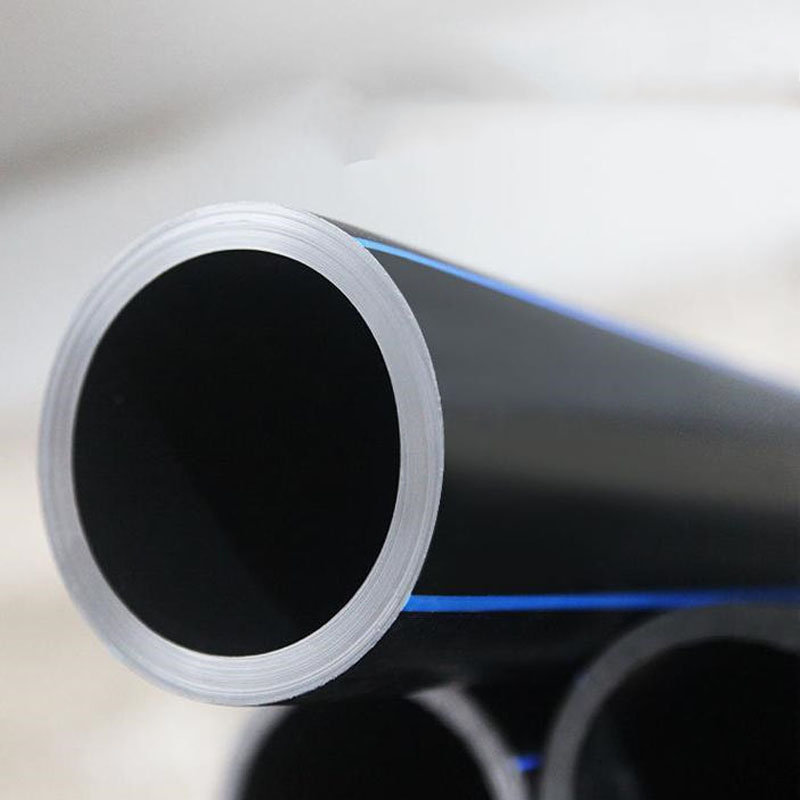
75mm polyethylene (PE) plastic pipe represents a ubiquitous fluid conveyance solution across diverse industrial and municipal applications. Positioned within the broader pipeline infrastructure sector, its cost-effectiveness and relatively simple installation procedures have established it as a primary alternative to traditional metallic piping systems, particularly in non-critical applications. This technical guide details the material science, manufacturing processes, performance characteristics, potential failure modes, and relevant industry standards governing this prevalent piping product. The “discount” designation indicates a focus on economically-produced variants, often utilizing recycled materials or streamlined manufacturing techniques, impacting performance parameters that will be discussed. Core performance characteristics center around fluid flow capacity, pressure resistance, chemical inertness, and long-term durability, all subject to material grade and manufacturing quality control.
Material Science & Manufacturing
The predominant material for 75mm plastic pipe is polyethylene (PE), specifically High-Density Polyethylene (HDPE) and, less commonly, Low-Density Polyethylene (LDPE) or Linear Low-Density Polyethylene (LLDPE). HDPE offers superior tensile strength, chemical resistance, and creep resistance compared to LDPE and LLDPE. The raw material, derived from ethylene, undergoes polymerization processes catalyzed by Ziegler-Natta or metallocene catalysts to achieve desired molecular weight and density. Manufacturing primarily employs extrusion techniques. Polyethylene pellets are fed into a heated extruder where they are melted and forced through a circular die to form the pipe. Key parameters during extrusion include melt temperature (typically 180-220°C), die pressure, and cooling rate. Cooling is critical to establish the crystalline structure of the PE, influencing its mechanical properties. The cooling process utilizes water baths or air cooling, with precise temperature control essential to prevent warping or deformation. For “discount” pipes, reground or recycled PE is frequently incorporated, requiring careful monitoring of material homogeneity and potential contaminants. Jointing methods include butt fusion, socket fusion, electrofusion, and mechanical fittings, each demanding specific process control for leak-proof connections. The presence of carbon black is common for UV resistance, but its concentration affects the pipe's stiffness and color.

Performance & Engineering
The performance of 75mm PE pipe is dictated by hydraulic capacity, pressure rating, and environmental resistance. Hydraulic calculations determine flow velocity and frictional losses based on the Hazen-Williams equation or Darcy-Weisbach equation, considering pipe roughness and fluid viscosity. Pressure rating, typically expressed in PSI or bar, depends on the pipe’s Schedule number (e.g., Schedule 40, Schedule 80) and material grade. Higher Schedule numbers indicate thicker walls and greater pressure resistance. Finite Element Analysis (FEA) is employed to assess stress distribution under internal pressure and external loads, including soil loading and traffic loads. Environmental resistance encompasses UV degradation, chemical attack, and temperature sensitivity. PE is susceptible to UV degradation, necessitating the inclusion of UV stabilizers or burial to prevent embrittlement. Chemical compatibility is crucial; PE exhibits excellent resistance to acids, bases, and many solvents, but is vulnerable to oxidation by strong oxidizing agents. Creep, the time-dependent deformation under sustained stress, is a significant concern, particularly at elevated temperatures. Discount pipes, using higher recycled content, exhibit reduced creep resistance. Installation practices, including proper bedding and backfilling, are paramount to prevent stress concentrations and ensure long-term structural integrity. Burst pressure testing, performed according to industry standards, verifies the pipe’s ability to withstand hydrostatic pressure until failure.
Technical Specifications
| Parameter | HDPE (Standard Grade) | HDPE (Discount - 20% Recycled) | LDPE | Unit |
|---|---|---|---|---|
| Outside Diameter | 75 mm | 75 mm | 75 mm | mm |
| Wall Thickness (Schedule 40) | 3.7 mm | 3.5 mm | 2.8 mm | mm |
| Pressure Rating (PN10) | 1.0 MPa | 0.8 MPa | 0.6 MPa | MPa |
| Tensile Strength | 35 MPa | 30 MPa | 18 MPa | MPa |
| Elongation at Break | 500% | 400% | 300% | % |
| Density | 0.953 g/cm³ | 0.940 g/cm³ | 0.915 g/cm³ | g/cm³ |
Failure Mode & Maintenance
Common failure modes in 75mm PE pipe include slow crack growth (SCG), stress cracking, fatigue cracking, and environmental stress cracking (ESC). SCG initiates at stress concentrators, such as scratches or imperfections, and propagates slowly over time due to residual stresses and environmental factors. Stress cracking occurs under sustained tensile stress, exacerbated by chemical exposure. Fatigue cracking results from cyclic loading, commonly encountered in pump lines or areas with vibration. ESC is a combination of stress and aggressive chemicals. UV degradation causes surface cracking and embrittlement. Discount pipes, utilizing recycled materials, are more susceptible to SCG due to potential contamination and reduced polymer chain integrity. Maintenance primarily involves visual inspection for cracks, leaks, and deformation. Regular pressure testing can identify potential weaknesses. For minor leaks, repair sleeves or clamps can provide temporary solutions. For significant damage, pipe replacement is often necessary. Proper installation, avoiding sharp bends and excessive stress, is the most effective preventative measure. Geotechnical surveys before installation are essential to assess soil conditions and prevent external loading. Regular cleaning to remove debris and sediment prevents blockage and maintains hydraulic efficiency.
Industry FAQ
Q: What is the impact of using recycled polyethylene on the long-term performance of a 75mm pipe, specifically regarding SCG?
A: The inclusion of recycled polyethylene introduces potential contaminants and reduces the polymer chain length, decreasing the overall molecular weight. This leads to diminished resistance to Slow Crack Growth (SCG). Recycled material tends to have a higher concentration of stress concentrators and a lower resistance to crack propagation. While cost-effective, utilizing significant percentages of recycled material necessitates rigorous quality control and potentially a reduced design safety factor, particularly in critical applications where long-term reliability is paramount.
Q: What are the recommended bedding materials and installation procedures to minimize stress on the pipeline during and after installation?
A: Proper bedding is crucial. A uniformly compacted layer of fine sand or granular material, at least 100mm thick, should surround the pipe. Avoid using angular gravel or rocks that could create stress concentrators. Backfilling should be performed in layers, compacting each layer to 85-90% of the maximum dry density. Avoid heavy equipment directly over the pipeline during backfilling. The trench width should allow for adequate side support. Thermal expansion and contraction must also be accounted for with expansion loops or flexible joints.
Q: What chemical compatibility testing is recommended before using a 75mm PE pipe to transport a specific industrial fluid?
A: Immersion testing is vital. Expose PE samples to the fluid for extended periods (e.g., 1000 hours) at the operating temperature and concentration. Monitor for changes in weight, dimensions, tensile strength, and elongation. Consult chemical resistance charts, but always verify compatibility through direct testing. Consider the potential for stress cracking in the presence of surfactants or other additives in the fluid. Accelerated aging tests can also provide insights into long-term compatibility.
Q: How does the operating temperature affect the pressure rating and long-term creep performance of a 75mm PE pipe?
A: Elevated temperatures significantly reduce the pressure rating and accelerate creep deformation. As temperature increases, the polymer's viscosity decreases, leading to increased creep rates. Derating factors, provided by manufacturers, should be applied to the pressure rating to account for operating temperature. For long-term operation at higher temperatures, a higher Schedule number pipe or a more robust material grade is recommended to mitigate creep.
Q: What non-destructive testing (NDT) methods are available for inspecting 75mm PE pipelines for potential flaws or defects?
A: Acoustic Emission (AE) monitoring can detect active crack growth. Ground Penetrating Radar (GPR) can locate buried pipelines and identify anomalies. Leak detection surveys using acoustic sensors or tracer gases can identify leaks. While not a direct flaw detection method, hydrostatic testing at a pressure exceeding the operating pressure can reveal weak points in the pipeline. Ultrasonic testing can be applied in some cases but is limited by the pipe's thickness.
Conclusion
75mm polyethylene pipe provides a cost-effective and versatile solution for fluid conveyance; however, its performance is intrinsically linked to material selection, manufacturing quality control, and proper installation practices. Discount pipes, often containing recycled materials, represent a trade-off between cost savings and reduced performance characteristics, necessitating careful consideration of the application’s requirements and potential long-term implications. Understanding the nuances of PE material science, potential failure modes, and relevant industry standards is essential for ensuring reliable and durable pipeline systems.
Future advancements in polyethylene formulations, including the development of enhanced UV stabilizers and impact modifiers, will further improve the long-term performance and durability of PE piping systems. Implementing rigorous quality control measures throughout the manufacturing process and promoting best practices in installation and maintenance are crucial for maximizing the service life and minimizing the risk of failures in these ubiquitous pipelines.
-
DN25 HDPE Compression Fitting-HORON INTERNATIONAL|Reliable Irrigation Solutions
NewsFeb.11,2026
-
hdpe coupling joint product Manufacturing Analysis
News2026-11-18
-
ppr pipe heating time products Performance Analysis
News2026-11-16
-
hdpe pipe sizes factory Performance Analysis
News2026-11-09
-
HDPE Pipe Sizes Service Performance Analysis
News2026-10-26
-
wholesale 15mm ppr pipe Material Science and Performance Analysis
News2026-10-20
-
wholesale pvc pipe price per foot Technical Analysis
News2026-09-21
-
wholesale long pvc pipe Technical Analysis and Manufacturing Specifications
News2026-09-15
-
wholesale plumbing kitchen sink water lines Material Performance
News2026-09-15
-
wholesale hdpe drip irrigation Material Science
News2026-09-15
-
wholesale hot water ppr pipe Performance Analysis
News2026-09-15
-
wholesale ppr plumbing Performance Analysis
News2026-09-15
-
wholesale ppr pipe supplier Performance Analysis
News2026-09-13
-
wholesale 50mm ppr pipe Performance Analysis
News2026-09-13
-
wholesale hdpe drip pipe Performance Analysis
News2026-09-13
-
wholesale hdpe pipe 63mm price Manufacturing Specification and Performance Analysis
News2026-09-13