

Feb . 11, 2026 00:01 Back to list
discount 63mm ppr pipe price Technical Analysis
Introduction
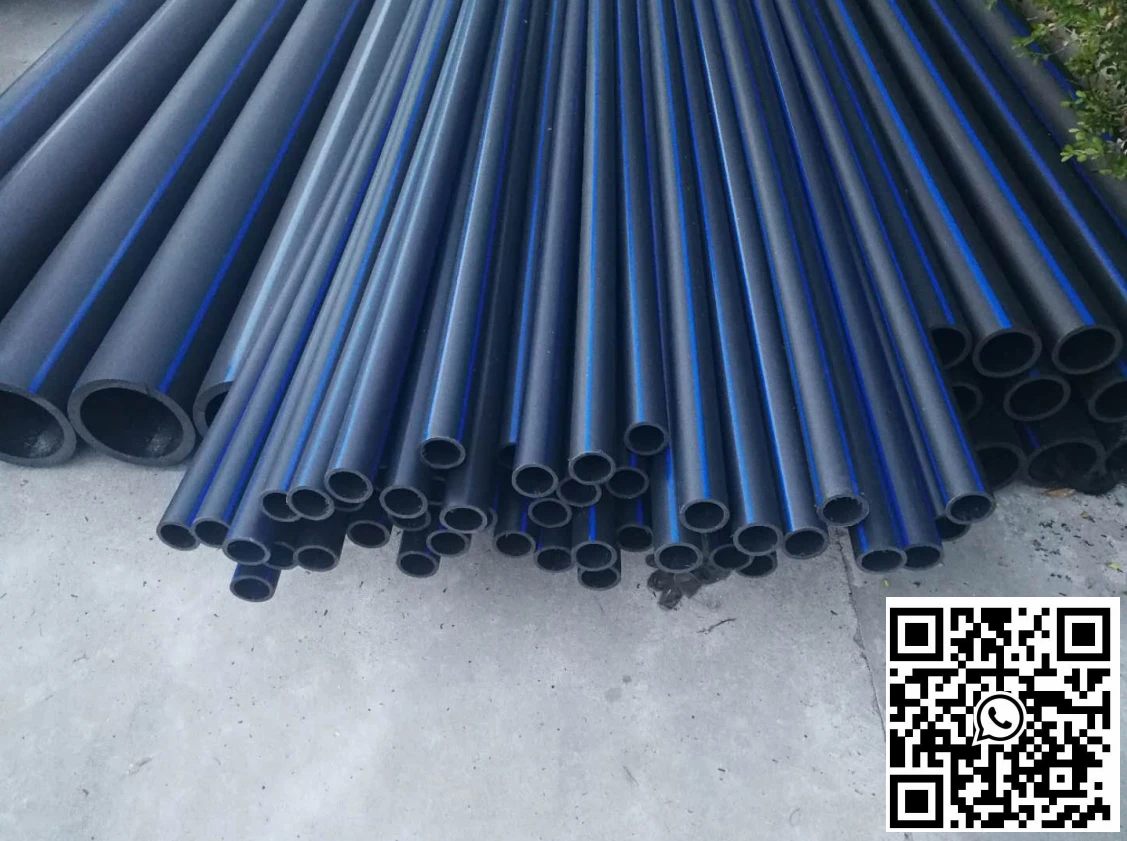
Polypropylene Random (PPR) piping, specifically the 63mm variant offered at a discount price point, represents a significant material choice in modern fluid conveyance systems. PPR pipes are thermoplastic polymers engineered for both hot and cold water distribution, industrial applications, and increasingly, specialized chemical transfer. Their position within the industry chain lies between raw material polypropylene production and final installation in residential, commercial, and industrial settings. Core performance characteristics center around chemical inertness, high flow capacity due to smooth internal surfaces, thermal stability, and relative ease of installation via heat fusion welding. This guide provides an in-depth technical analysis of 63mm PPR pipes, examining material science, manufacturing processes, performance parameters, potential failure modes, and relevant industry standards. The economic advantages presented by the ‘discount’ pricing must be balanced against consistent quality control and adherence to specifications, a critical concern for B2B procurement.
Material Science & Manufacturing
The primary raw material for 63mm PPR pipe is polypropylene random copolymer. This copolymerization process introduces ethylene units into the polypropylene chain, disrupting the crystallinity and enhancing its impact resistance, particularly at lower temperatures. Polypropylene homopolymer exhibits higher tensile strength but becomes brittle more readily. The random copolymer offers a superior balance of properties. Key physical properties include a density of approximately 0.905 g/cm³, a glass transition temperature around 0°C, and a melting point typically between 130-170°C, depending on the specific formulation. Chemical resistance is excellent to a wide range of acids, bases, and salts, however, it's susceptible to oxidation by strong oxidizing agents.
Manufacturing typically involves extrusion. Polypropylene granules are fed into a single-screw extruder, heated and plasticized, and then forced through a circular die to create the pipe’s profile. Critical parameters during extrusion include melt temperature (maintained within a narrow range to prevent degradation), die pressure (influencing wall thickness uniformity), and cooling rate (affecting crystallinity and dimensional stability). Subsequent to extrusion, pipes undergo dimensional inspection, hydrostatic testing to ensure pressure integrity, and marking with relevant specifications (size, pressure rating, material standard, manufacturer). Heat fusion welding is the predominant joining method. This involves heating both the pipe and fitting surfaces to their melting point and joining them under pressure, creating a homogenous weld stronger than the base material. Socket fusion and butt fusion are the common techniques; each requiring precise temperature control and alignment.
Performance & Engineering
The performance of 63mm PPR pipe is governed by its pressure-bearing capacity, thermal expansion characteristics, and long-term creep resistance. Hydrostatic pressure testing, conducted according to standards like ISO 1167, verifies short-term burst pressure and sustained pressure capabilities. The pressure rating (PN – Nominal Pressure) is crucial; commonly PN16 (1.6 MPa) and PN20 (2.0 MPa) for 63mm diameters. Engineering calculations must account for fluid velocity, flow rate, and potential water hammer effects to ensure adequate pressure margins. Thermal expansion is significant – PPR has a coefficient of thermal expansion of approximately 0.15 mm/m°C. This necessitates the incorporation of expansion loops or flexible connectors in long pipe runs to prevent stress buildup and potential cracking. Long-term creep, the gradual deformation under sustained load, is a critical failure mode. Lower quality materials or sustained operation near maximum pressure limits will accelerate creep. Furthermore, UV exposure can degrade PPR over time. Burial or painting with UV-resistant coatings is recommended for outdoor installations. Compliance requirements include adherence to local plumbing codes, potable water regulations (ensuring no leaching of harmful substances), and fire safety standards.
Technical Specifications
| Parameter | Unit | PN16 (Typical) | PN20 (Typical) |
|---|---|---|---|
| Outside Diameter | mm | 63.0 | 63.0 |
| Wall Thickness | mm | 4.2 | 5.8 |
| Pressure Rating | MPa | 1.6 | 2.0 |
| Burst Pressure | MPa | 4.8 | 6.0 |
| Operating Temperature (Water) | °C | -20 to +95 | -20 to +95 |
| Coefficient of Linear Expansion | mm/m°C | 0.15 | 0.15 |
Failure Mode & Maintenance
Common failure modes for 63mm PPR pipe include: 1) Thermal Stress Cracking: Resulting from inadequate allowance for thermal expansion/contraction, particularly in rigid installations. 2) Pressure-Induced Failure: Exceeding the pressure rating of the pipe, leading to rupture or slow crack propagation. 3) UV Degradation: Prolonged exposure to ultraviolet radiation causing embrittlement and cracking. 4) Creep Rupture: Gradual deformation and eventual failure under sustained load, exacerbated by high temperatures and pressures. 5) Improper Fusion Welding: Incomplete or flawed welds creating weak points prone to leakage or separation. 6) Corrosion: While PPR is chemically inert to many substances, exposure to strong oxidizing agents can cause degradation.
Preventative maintenance includes regular visual inspections for cracks, discoloration, or signs of deformation. Periodic hydrostatic testing (especially in critical applications) can identify potential weaknesses. For outdoor installations, ensure adequate UV protection. Following proper heat fusion welding procedures, including correct temperature and pressure settings, is paramount. If a leak occurs, the affected section should be cut out and replaced with a new section using proper welding techniques. Avoid using abrasive cleaners or solvents, as these can damage the pipe’s surface. Long-term, consider implementing a preventative maintenance schedule based on operating conditions and criticality of the application.
Industry FAQ
Q: What is the impact of water hardness on the lifespan of PPR pipes?
A: Water hardness, specifically the concentration of calcium and magnesium ions, can lead to scale buildup on the inner walls of PPR pipes. While PPR itself is not corroded by hard water, scale reduces the flow area, increasing pressure drop and potentially leading to localized stress concentrations. Regular flushing or the use of water softening systems can mitigate this effect.
Q: How does the ‘discount’ pricing affect the quality control procedures for these 63mm PPR pipes?
A: A lower price point often necessitates streamlining manufacturing processes. It’s crucial to verify that the manufacturer maintains rigorous quality control measures, including batch testing for material properties, dimensional accuracy, and hydrostatic pressure testing, despite cost reduction efforts. Independent third-party certification is highly recommended.
Q: Can PPR pipes be used for transporting compressed air?
A: Generally, PPR pipes are not recommended for compressed air applications. Compressed air contains moisture, which can condense within the pipe and cause degradation over time. The lower pressure ratings of standard PPR pipes may also be insufficient for many compressed air systems. Specialized compressed air piping systems, typically made of polyethylene or aluminum, are preferred.
Q: What is the recommended fitting material to use with 63mm PPR pipes?
A: PPR fittings should always be used with PPR pipes. Using fittings made of different materials (e.g., metal or PVC) will compromise the integrity of the connection and create a potential failure point due to differential thermal expansion and incompatibility of materials. The fittings must also have a matching pressure rating to the pipe.
Q: What is the typical lifespan of a properly installed 63mm PPR pipe system?
A: A properly installed and maintained 63mm PPR pipe system can have a lifespan of 50 years or more under normal operating conditions. However, this is contingent on adhering to recommended pressure and temperature limits, providing adequate UV protection (if exposed to sunlight), and avoiding mechanical damage.
Conclusion
The 63mm PPR pipe, particularly at a discount price, offers a compelling solution for fluid conveyance, provided its limitations and performance characteristics are fully understood. Its chemical resistance, smooth internal surface, and ease of installation are key advantages. However, diligent attention must be paid to material quality, proper welding techniques, thermal expansion considerations, and UV protection. The potential for creep rupture and degradation requires careful engineering design and adherence to recommended operating parameters.
Ultimately, selecting a 'discount' PPR pipe requires a comprehensive assessment that balances cost savings with long-term reliability and operational safety. Prioritizing quality control documentation, third-party certifications, and a thorough understanding of application-specific requirements will ensure a durable and cost-effective piping system.
-
DN25 HDPE Compression Fitting-HORON INTERNATIONAL|Reliable Irrigation Solutions
NewsFeb.11,2026
-
hdpe coupling joint product Manufacturing Analysis
News2026-11-18
-
ppr pipe heating time products Performance Analysis
News2026-11-16
-
hdpe pipe sizes factory Performance Analysis
News2026-11-09
-
HDPE Pipe Sizes Service Performance Analysis
News2026-10-26
-
wholesale 15mm ppr pipe Material Science and Performance Analysis
News2026-10-20
-
wholesale pvc pipe price per foot Technical Analysis
News2026-09-21
-
wholesale long pvc pipe Technical Analysis and Manufacturing Specifications
News2026-09-15
-
wholesale plumbing kitchen sink water lines Material Performance
News2026-09-15
-
wholesale hdpe drip irrigation Material Science
News2026-09-15
-
wholesale hot water ppr pipe Performance Analysis
News2026-09-15
-
wholesale ppr plumbing Performance Analysis
News2026-09-15
-
wholesale ppr pipe supplier Performance Analysis
News2026-09-13
-
wholesale 50mm ppr pipe Performance Analysis
News2026-09-13
-
wholesale hdpe drip pipe Performance Analysis
News2026-09-13
-
wholesale hdpe pipe 63mm price Manufacturing Specification and Performance Analysis
News2026-09-13