

Feb . 11, 2026 00:01 Back to list
discount 63mm ppr pipe Performance Analysis

Introduction
Polypropylene Random (PPR) pipe, specifically the 63mm variant, represents a significant advancement in fluid conveyance systems for both potable and non-potable water applications. This thermoplastic pipe, commonly marketed as “discount 63mm PPR pipe,” offers a compelling balance of cost-effectiveness and performance, challenging traditional materials like copper and galvanized steel. Its position within the industrial chain lies downstream of polypropylene resin production, involving extrusion, forming, and quality control processes. Core performance characteristics revolve around its chemical inertness, resistance to scaling, and thermal stability, making it suitable for hot and cold water distribution, industrial fluid transport, and even certain HVAC applications. The key advantages driving its adoption are lower material costs compared to metal alternatives, ease of installation through heat fusion welding, and reduced long-term maintenance requirements due to corrosion resistance. However, understanding its limitations concerning temperature sensitivity and susceptibility to UV degradation is crucial for ensuring long-term system integrity.
Material Science & Manufacturing
The foundational material for 63mm PPR pipe is polypropylene random copolymer. This material distinguishes itself from homopolymer polypropylene through the inclusion of ethylene comonomers, disrupting the polymer’s crystallinity and enhancing its impact strength, flexibility, and weldability. Raw material specifications typically require a Melt Flow Index (MFI) within a specific range (e.g., 2.3 – 3.5 g/10min, measured according to ISO 1133) to ensure consistent processing. Manufacturing begins with the extrusion of PPR granules, employing a single-screw or twin-screw extruder. Temperature control is paramount throughout the extrusion process – typically ranging from 190°C to 240°C – to prevent thermal degradation and ensure uniform melt viscosity. Die design dictates the pipe’s outer diameter (63mm in this case) and wall thickness, adhering to established standards (see section 7). Post-extrusion, pipes undergo cooling (often water-based) and dimensional stabilization. Crucially, the quality of the PPR resin, consistent extrusion temperature profiles, and precise die calibration influence critical properties like hydrostatic pressure resistance and long-term creep strength. Heat fusion welding, typically utilizing socket or saddle fusion techniques, is the primary joining method. Welding parameters – time and temperature – are directly correlated to the PPR grade and pipe wall thickness, dictating weld strength and leak resistance. Improper welding can result in weak joints susceptible to failure under pressure or thermal stress.
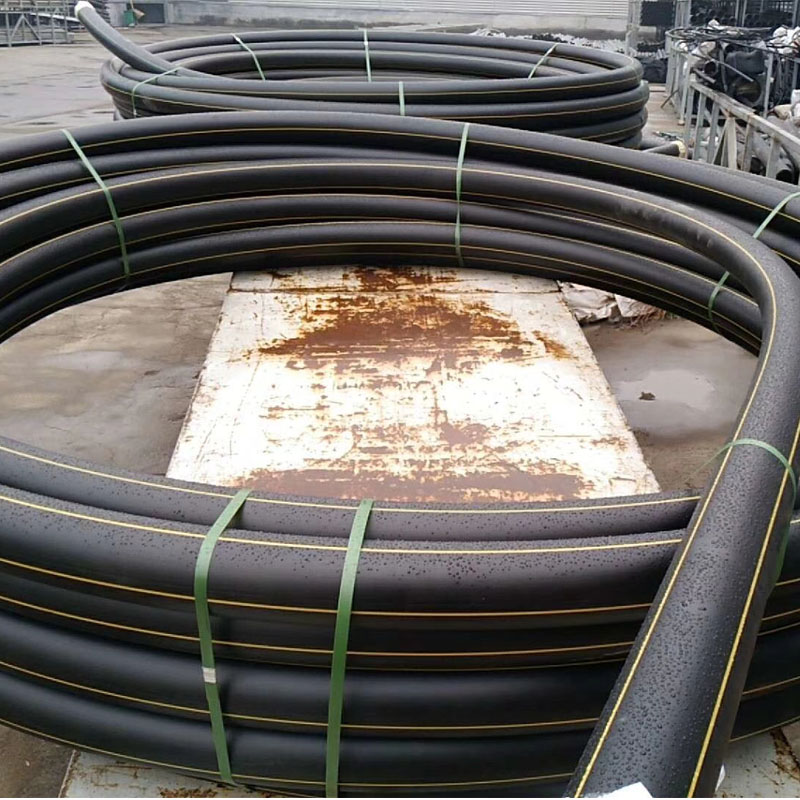
Performance & Engineering
The performance of 63mm PPR pipe is governed by a complex interplay of mechanical stress, thermal expansion, and fluid dynamics. Force analysis considers internal hydrostatic pressure, external soil loads (for buried applications), and potential impact forces. PPR exhibits a relatively low Young’s modulus (approximately 1.1 - 1.7 GPa), resulting in greater flexibility compared to rigid materials. However, this flexibility also necessitates adequate support to prevent excessive bending and potential deformation under load. Environmental resistance is a key consideration. While PPR is inherently resistant to most common chemicals found in water and many industrial fluids, prolonged exposure to oxidizing agents or certain organic solvents can lead to degradation. Temperature cycling induces thermal expansion and contraction; coefficient of thermal expansion for PPR is around 0.15 mm/m°C. This necessitates the incorporation of expansion loops or flexible connections to accommodate dimensional changes and prevent stress buildup at joints. Compliance requirements, dictated by standards like DIN 19569 (Germany) or EN ISO 15876 (Europe), specify hydrostatic pressure testing parameters (e.g., 1.5 times the nominal operating pressure for a specified duration), impact resistance criteria, and limits for reversion (a reduction in mechanical properties due to long-term exposure to elevated temperatures). Functional implementation in pressure distribution systems demands proper pipe sizing to minimize friction losses and maintain adequate flow rates, guided by the Darcy-Weisbach equation and considerations for fluid viscosity.
Technical Specifications
| Parameter | Unit | Typical Value (63mm PPR) | Test Standard |
|---|---|---|---|
| Outer Diameter | mm | 63.0 ± 0.5 | ISO 4437 |
| Wall Thickness | mm | 3.5 – 4.4 | ISO 4437 |
| Hydrostatic Pressure (20°C) | MPa | 16.0 | ISO 11671 |
| Hydrostatic Pressure (80°C) | MPa | 10.0 | ISO 11671 |
| Tensile Strength | MPa | >20 | ISO 527 |
| Elongation at Break | % | >300 | ISO 527 |
| Water Absorption (24h) | % | <0.1 | ISO 62 |
Failure Mode & Maintenance
Failure modes in 63mm PPR pipe systems commonly stem from improper installation, material defects, or environmental factors. Fatigue cracking can occur at joints subjected to repeated pressure cycling and vibration, exacerbated by improper weld parameters (insufficient heating or cooling times). Delamination, although less frequent, can result from contamination during welding or inherent material flaws. Chemical degradation, while generally slow, can weaken the pipe wall if exposed to incompatible substances. Oxidation, particularly at elevated temperatures and in the presence of oxygen, can lead to embrittlement and reduced impact resistance. A critical failure mode is slow crack growth (SCG), especially in systems conveying chlorinated water. SCG initiates at stress concentrators (e.g., weld beads, fitting connections) and propagates slowly over time. Maintenance protocols should prioritize regular visual inspections for leaks, cracks, or discoloration. Joints should be checked for tightness and evidence of stress. Periodic pressure testing (hydrostatic or pneumatic) can identify potential weaknesses before they lead to catastrophic failure. Avoid direct sunlight exposure for prolonged periods, as UV radiation can cause surface degradation. For systems conveying potable water, consider employing water softening or filtration to minimize scaling and chemical attack. Replacement of damaged sections should always utilize heat fusion welding techniques adhering to manufacturer’s recommendations.
Industry FAQ
Q: What is the maximum operating temperature for discount 63mm PPR pipe?
A: Generally, 63mm PPR pipe can withstand continuous operating temperatures up to 70°C. Short-term temperature spikes up to 95°C are permissible, but prolonged exposure above 70°C will lead to a gradual reduction in mechanical properties and potentially shorten the pipe's lifespan. The specific temperature rating depends on the PPR grade used (Type 1, 2, or 3), with higher grades offering improved thermal resistance.
Q: How does PPR pipe compare to PVC in terms of long-term durability?
A: PPR offers superior long-term durability compared to PVC, particularly in hot water applications. PVC becomes brittle at higher temperatures, while PPR maintains its flexibility and impact resistance. PPR is also less susceptible to chemical degradation from common water treatments. However, PVC is generally more resistant to UV radiation, making it preferable for outdoor, exposed applications without additional protection.
Q: What are the critical parameters for ensuring a reliable heat fusion weld?
A: Achieving a reliable heat fusion weld requires precise control of three key parameters: heating time, heating temperature, and cooling time. The heating temperature should be within the manufacturer's specified range for the PPR grade and pipe wall thickness. Adequate heating ensures sufficient melting of the pipe and fitting surfaces. Sufficient cooling time is vital to prevent deformation and ensure a strong, homogenous weld. Proper alignment and cleanliness of the joining surfaces are also crucial.
Q: Is PPR pipe suitable for burial applications?
A: Yes, PPR pipe is suitable for burial applications, but it requires adequate bedding and backfill to provide support and protection. The pipe should be surrounded by a stable, non-corrosive material (e.g., sand or fine gravel) to prevent damage from rocks or other debris. Depth of burial must also consider local frost lines to prevent freezing and potential pipe rupture.
Q: What are the common causes of leaks at PPR pipe joints?
A: Common causes of leaks include improper welding (insufficient heating, cooling, or alignment), contamination of the joining surfaces (dirt, grease, or moisture), material defects in the pipe or fitting, and excessive stress on the joint due to thermal expansion or external loads. Regular inspection and proper installation techniques are key to preventing leaks.
Conclusion
The 63mm PPR pipe, often marketed as a “discount” option, represents a viable and increasingly popular solution for a wide range of fluid conveyance applications. Its inherent advantages – corrosion resistance, ease of installation, and cost-effectiveness – position it as a compelling alternative to traditional materials. However, realizing these benefits requires a thorough understanding of the material’s properties, meticulous adherence to manufacturing and installation standards, and proactive maintenance practices.
Future developments in PPR technology will likely focus on enhancing UV resistance through the incorporation of additives, improving long-term creep resistance through copolymer modifications, and developing more robust quality control procedures to minimize material defects. Continued standardization and dissemination of best practices will be critical to fostering greater confidence in PPR systems and expanding their application across diverse industries. Careful consideration of operational parameters and environmental factors is paramount to maximizing the longevity and reliability of 63mm PPR pipe installations.
-
DN25 HDPE Compression Fitting-HORON INTERNATIONAL|Reliable Irrigation Solutions
NewsFeb.11,2026
-
hdpe coupling joint product Manufacturing Analysis
News2026-11-18
-
ppr pipe heating time products Performance Analysis
News2026-11-16
-
hdpe pipe sizes factory Performance Analysis
News2026-11-09
-
HDPE Pipe Sizes Service Performance Analysis
News2026-10-26
-
wholesale 15mm ppr pipe Material Science and Performance Analysis
News2026-10-20
-
wholesale pvc pipe price per foot Technical Analysis
News2026-09-21
-
wholesale long pvc pipe Technical Analysis and Manufacturing Specifications
News2026-09-15
-
wholesale plumbing kitchen sink water lines Material Performance
News2026-09-15
-
wholesale hdpe drip irrigation Material Science
News2026-09-15
-
wholesale hot water ppr pipe Performance Analysis
News2026-09-15
-
wholesale ppr plumbing Performance Analysis
News2026-09-15
-
wholesale ppr pipe supplier Performance Analysis
News2026-09-13
-
wholesale 50mm ppr pipe Performance Analysis
News2026-09-13
-
wholesale hdpe drip pipe Performance Analysis
News2026-09-13
-
wholesale hdpe pipe 63mm price Manufacturing Specification and Performance Analysis
News2026-09-13