

Feb . 11, 2026 00:01 Back to list
discount 48 inch hdpe pipe cost Performance Analysis
Introduction
High-Density Polyethylene (HDPE) pipe, specifically 48-inch diameter variations, represents a critical component in large-scale infrastructure projects across multiple sectors including water management, sewage systems, industrial fluid transport, and increasingly, renewable energy applications like geothermal heating and cooling. This guide details the technical aspects of 48-inch HDPE pipe, focusing on material science, manufacturing processes, performance characteristics, potential failure modes, and relevant industry standards. The ‘discount’ aspect relates primarily to economies of scale in production and transportation, often contingent on volume purchasing and geographic location. The focus here, however, is on the underlying technical specifications defining long-term value, rather than short-term cost reductions. HDPE pipe’s prominence stems from its superior corrosion resistance, lightweight nature relative to traditional materials (steel, concrete), flexibility allowing for seismic resilience, and reduced installation costs due to fewer joints. Understanding the nuances of its properties and installation is vital to mitigating risks and maximizing lifecycle performance. This document addresses the core engineering concerns associated with 48-inch HDPE pipe, moving beyond simple pricing to provide a holistic technical overview.
Material Science & Manufacturing
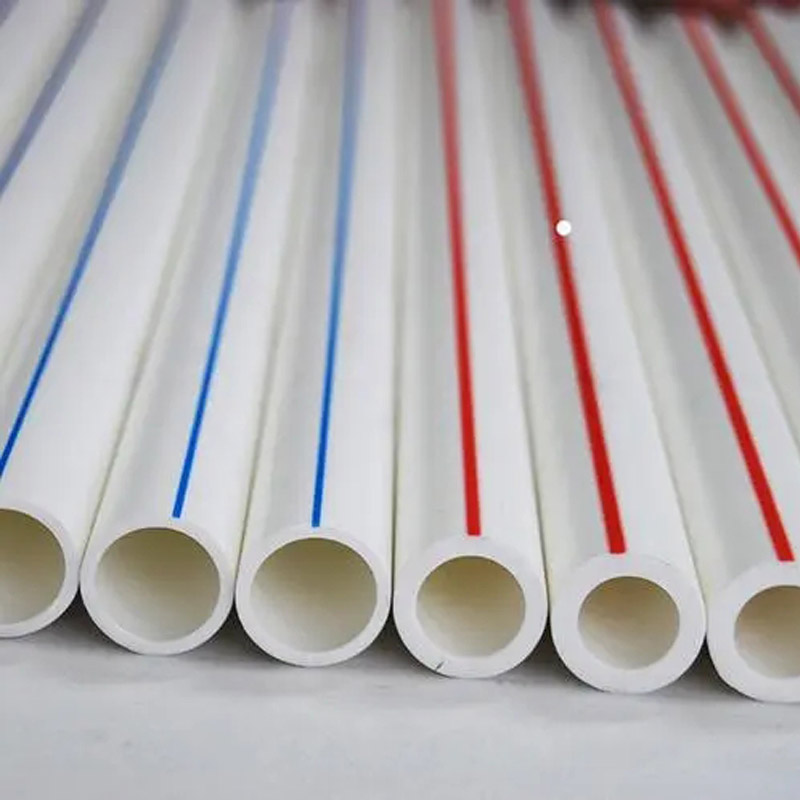
48-inch HDPE pipe is manufactured from high-density polyethylene, a thermoplastic polymer derived from the polymerization of ethylene. The HDPE resin used must conform to stringent standards such as PE 100, PE 80, or PE 63, denoting the minimum required hydrostatic stress resistance (MRS). PE 100 offers the highest MRS, typically 10 MPa, making it the preferred choice for demanding applications. Raw material characteristics, including molecular weight distribution and density (typically 0.93 to 0.97 g/cm³), directly influence the pipe’s mechanical properties. The manufacturing process for large-diameter HDPE pipe predominantly employs extrusion techniques. The polyethylene resin is melted and forced through a circular die, forming a continuous tube. Critical parameters during extrusion include melt temperature (typically 180-210°C), die pressure, and cooling rate. Precise control of these parameters is essential to ensure uniform wall thickness and minimize residual stresses. Larger diameter pipes are often manufactured using co-extrusion, where multiple extruders feed different polymer blends to create a multi-layered pipe structure. This allows for optimizing specific properties like UV resistance (outer layer) and abrasion resistance (inner layer). Following extrusion, the pipe undergoes dimensional checks, hydrostatic testing to verify pressure capacity, and quality control assessments including visual inspection for defects and measurement of wall thickness distribution. The pipe is typically supplied in long lengths, often exceeding 100 meters, to minimize the number of field joints. Jointing methods include butt fusion, socket fusion, and electrofusion, each requiring skilled operators and adherence to specific procedural requirements to ensure a leak-proof, structurally sound connection.
Performance & Engineering
The performance of 48-inch HDPE pipe is governed by several engineering principles. Firstly, its flexibility allows for accommodating ground movement, thermal expansion/contraction, and seismic activity without compromising structural integrity. This is quantified by the pipe’s modulus of elasticity (typically 600-800 MPa). Secondly, HDPE exhibits excellent chemical resistance, making it suitable for conveying a wide range of fluids, including corrosive chemicals and wastewater. However, long-term exposure to certain solvents and oxidizing agents should be evaluated. Thirdly, the pipe’s smooth inner surface minimizes friction losses, reducing pumping energy requirements. The Manning roughness coefficient for HDPE is typically around 0.011 – 0.015. Fourthly, pressure capacity is a critical design consideration. The hydrostatic design stress (HDS) is calculated based on the pipe’s MRS, wall thickness, and a design factor (typically 0.32 for short-term pressure and 0.5 for long-term pressure). Burial depth and surrounding soil conditions significantly influence the pipe’s performance. Adequate cover provides protection from external loads, UV degradation, and mechanical damage. Proper backfilling procedures, including compaction control, are essential to prevent pipe deformation and stress concentration. Finite element analysis (FEA) is often employed to model the pipe’s behavior under various loading scenarios, including internal pressure, external loads, and thermal stresses. Compliance with relevant standards (e.g., AWWA M55 for water distribution) is crucial to ensure safe and reliable operation. For trenchless installation methods like horizontal directional drilling (HDD), careful consideration must be given to bending radii and pull forces to avoid exceeding the pipe’s allowable limits.
Technical Specifications
| Parameter | Units | PE 100 | PE 80 |
|---|---|---|---|
| Minimum Required Strength (MRS) | MPa | 10.0 | 8.0 |
| Density | g/cm³ | 0.93 – 0.97 | 0.93 – 0.97 |
| Modulus of Elasticity | MPa | 600 – 800 | 500 – 700 |
| Hydrostatic Design Stress (HDS) (Short Term) | MPa | 3.2 | 2.56 |
| Hydrostatic Design Stress (HDS) (Long Term) | MPa | 5.0 | 4.0 |
| Maximum Operating Temperature | °C | 60 | 60 |
| Manning Roughness Coefficient | - | 0.011 – 0.015 | 0.011 – 0.015 |
Failure Mode & Maintenance
Despite its inherent durability, 48-inch HDPE pipe is susceptible to several failure modes. Slow Crack Growth (SCG) is a primary concern, particularly in areas with high stress concentration (e.g., near joints, dents). This is exacerbated by exposure to aggressive chemicals and sustained tensile stress. Another potential failure mode is brittle fracture, which can occur at low temperatures or due to impact damage. Ground movement and improper backfilling can lead to pipe deformation and buckling, causing stress cracking. UV degradation can embrittle the pipe’s outer surface, reducing its long-term performance. Microbial Influenced Corrosion (MIC) is less common in HDPE compared to metallic pipes, but can occur in specific environments with sulfate-reducing bacteria. Periodic inspections are crucial for identifying potential issues. Visual inspections should focus on identifying cracks, dents, and discoloration. Non-destructive testing (NDT) methods, such as ultrasonic testing and electromagnetic leak detection, can be used to assess the pipe’s integrity without disrupting service. Preventative maintenance measures include ensuring adequate cover, proper backfilling compaction, and controlling exposure to aggressive chemicals. Joints should be periodically inspected for leaks and signs of separation. If SCG is suspected, reducing the internal pressure or implementing stress relief measures can mitigate the risk of catastrophic failure. Repair options include mechanical couplings, sleeve repairs, and, in severe cases, pipe replacement. Proper record keeping of inspection and maintenance activities is essential for tracking the pipe’s performance and identifying potential trends.
Industry FAQ
Q: What is the impact of soil corrosivity on the long-term performance of 48-inch HDPE pipe?
A: While HDPE itself is highly corrosion resistant, corrosive soils can indirectly impact its performance. Aggressive soils can accelerate the degradation of surrounding materials, potentially leading to external stresses on the pipe. Furthermore, certain soil conditions can promote differential settlement, causing pipe deformation and stress cracking. Soil resistivity should be assessed, and appropriate protective measures (e.g., increased cover, corrosion inhibitors) should be implemented in highly corrosive environments.
Q: What are the critical considerations for butt fusion welding of large-diameter HDPE pipe?
A: Butt fusion requires precise control of several parameters, including heating temperature, heating time, fusion pressure, and cooling time. Proper surface preparation, including cleaning and removal of any contaminants, is essential. The welding equipment must be calibrated regularly, and operators must be certified. Post-weld inspection, including visual examination and non-destructive testing, is crucial to verify the weld’s integrity.
Q: How does thermal expansion and contraction affect the design and installation of 48-inch HDPE pipe?
A: HDPE has a relatively high coefficient of thermal expansion. This means that the pipe will expand and contract significantly with temperature fluctuations. Design considerations include incorporating expansion loops or expansion joints to accommodate these movements. Proper anchoring and support systems are also essential to prevent excessive stress on the pipe and joints.
Q: What are the advantages and disadvantages of using HDPE pipe in trenchless installation methods such as HDD?
A: Advantages include HDPE’s flexibility, which allows it to navigate bends and obstacles, and its smooth inner surface, which minimizes friction losses during pullback. Disadvantages include the risk of exceeding the pipe’s allowable bending radius and pull forces, which can lead to damage. Careful planning, proper lubrication, and monitoring of installation parameters are essential.
Q: What is the expected service life of a properly installed and maintained 48-inch HDPE pipe system?
A: A properly installed and maintained 48-inch HDPE pipe system can have a service life exceeding 50 years, and potentially reaching 100 years. The actual service life depends on factors such as operating pressure, temperature, soil conditions, and exposure to aggressive chemicals. Regular inspections and preventative maintenance are crucial for maximizing the pipe’s lifespan.
Conclusion
48-inch HDPE pipe represents a robust and reliable solution for a wide range of infrastructure applications. Its superior material properties, coupled with established manufacturing and installation techniques, provide a compelling alternative to traditional piping materials. However, successful implementation requires a thorough understanding of the engineering principles governing its performance, potential failure modes, and relevant industry standards. The 'discount' price point is attractive, but a lifecycle cost analysis, considering long-term durability and reduced maintenance, provides a more accurate representation of its value.
Future advancements in HDPE resin technology and manufacturing processes will likely lead to even higher performance and lower costs. Increased emphasis on sustainability and the circular economy may drive the development of recycled HDPE pipe solutions. Continued research and development, coupled with rigorous quality control measures, will ensure that 48-inch HDPE pipe remains a critical component in building resilient and sustainable infrastructure for generations to come.
-
DN25 HDPE Compression Fitting-HORON INTERNATIONAL|Reliable Irrigation Solutions
NewsFeb.11,2026
-
hdpe coupling joint product Manufacturing Analysis
News2026-11-18
-
ppr pipe heating time products Performance Analysis
News2026-11-16
-
hdpe pipe sizes factory Performance Analysis
News2026-11-09
-
HDPE Pipe Sizes Service Performance Analysis
News2026-10-26
-
wholesale 15mm ppr pipe Material Science and Performance Analysis
News2026-10-20
-
wholesale pvc pipe price per foot Technical Analysis
News2026-09-21
-
wholesale long pvc pipe Technical Analysis and Manufacturing Specifications
News2026-09-15
-
wholesale plumbing kitchen sink water lines Material Performance
News2026-09-15
-
wholesale hdpe drip irrigation Material Science
News2026-09-15
-
wholesale hot water ppr pipe Performance Analysis
News2026-09-15
-
wholesale ppr plumbing Performance Analysis
News2026-09-15
-
wholesale ppr pipe supplier Performance Analysis
News2026-09-13
-
wholesale 50mm ppr pipe Performance Analysis
News2026-09-13
-
wholesale hdpe drip pipe Performance Analysis
News2026-09-13
-
wholesale hdpe pipe 63mm price Manufacturing Specification and Performance Analysis
News2026-09-13