

Feb . 11, 2026 00:01 Back to list
discount 36 hdpe corrugated pipe Performance Analysis
Introduction
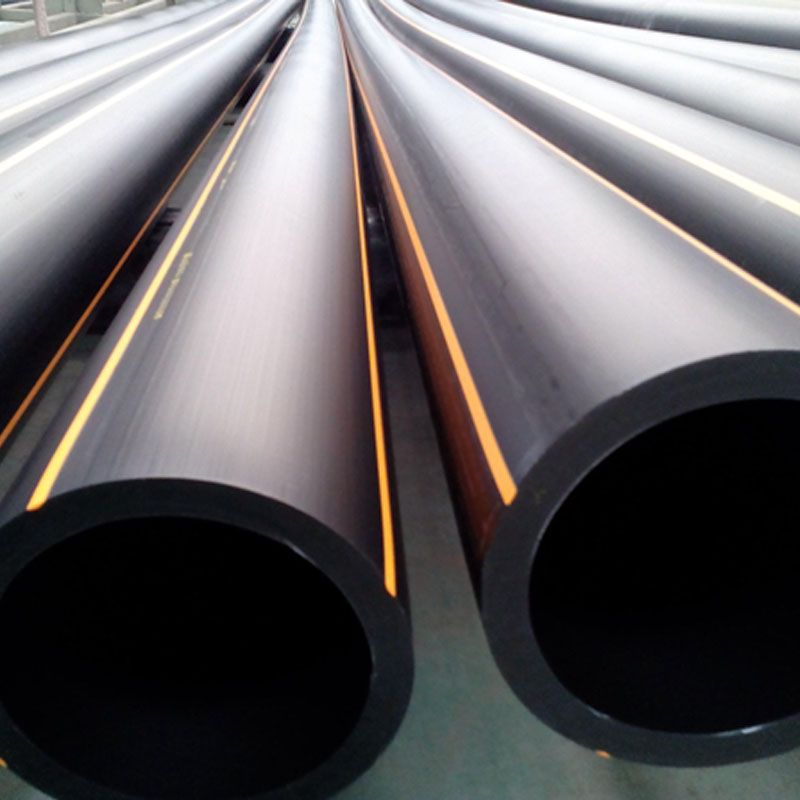
Discount 36 HDPE corrugated pipe represents a cost-effective solution for subsurface drainage, utility conduit, and various industrial applications. Positioned within the broader infrastructure supply chain, it serves as a critical component for stormwater management, wastewater conveyance, and protection of sensitive cabling. The core performance characteristics of this pipe center around its lightweight nature, high ring stiffness, chemical resistance, and ease of installation. Unlike traditional concrete or metal piping, HDPE offers superior flexibility which minimizes the need for joints and reduces installation time. This particular offering, “Discount 36”, focuses on delivering these core benefits at a competitive price point, often utilizing optimized manufacturing processes and material sourcing. However, a thorough understanding of its material properties and limitations is vital for ensuring long-term performance and preventing premature failure. This guide provides an in-depth technical analysis of Discount 36 HDPE corrugated pipe, encompassing its material science, manufacturing processes, performance characteristics, failure modes, and relevant industry standards.
Material Science & Manufacturing
Discount 36 HDPE corrugated pipe is primarily manufactured from High-Density Polyethylene (HDPE) resin, a thermoplastic polymer known for its excellent chemical resistance, durability, and flexibility. The specific HDPE grade used significantly influences the pipe's performance. Typically, PE100 or PE80 resins are employed, differentiated by their Minimum Required Strength (MRS) values, directly correlating to long-term hydrostatic strength. The raw HDPE material undergoes extrusion, a process where the plastic is melted and forced through a die to create a continuous profile. For corrugated pipe, a specialized die forms the alternating ridges and grooves, contributing to the pipe’s ring stiffness. Crucially, the corrugation profile (height, pitch, and shape) dictates the load-bearing capacity. Parameter control during extrusion is paramount; precise temperature regulation is critical to prevent material degradation and maintain consistent wall thickness. Cooling baths are utilized post-extrusion to solidify the pipe shape, followed by cutting to the desired length. Jointing methods commonly include bell-and-spigot connections with rubber gaskets, or solvent welding. The quality of the HDPE resin, the consistency of the extrusion process, and the effectiveness of the jointing technique all directly influence the pipe’s long-term performance and resistance to environmental stressors. Potential contaminants in the HDPE resin, such as residual catalysts or processing aids, can affect long-term chemical resistance and contribute to premature degradation. The density of the HDPE material (typically between 0.931 and 0.965 g/cm³) is a key indicator of its strength and durability.

Performance & Engineering
The performance of Discount 36 HDPE corrugated pipe is largely governed by its structural integrity under various loads and environmental conditions. Key engineering considerations include hydrostatic pressure, soil load, live load (traffic), and impact resistance. Ring stiffness, measured in psi (pounds per square inch), is a critical parameter indicating the pipe's ability to resist deformation under external loads. Higher ring stiffness is generally desirable for applications subjected to heavy loads. The pipe’s flexibility allows it to conform to ground movements and minimize stress concentrations, reducing the risk of cracking. However, excessive bending radius can compromise structural integrity. Finite Element Analysis (FEA) is often employed to model the pipe’s behavior under different loading scenarios and optimize its design. Chemical resistance is a significant advantage of HDPE, withstanding exposure to most acids, alkalis, and salts commonly found in soil and wastewater. However, prolonged exposure to strong oxidizing agents can lead to degradation. Temperature fluctuations also impact performance; HDPE becomes more brittle at low temperatures and can experience creep deformation at elevated temperatures. Compliance requirements vary depending on the application and geographical location. For stormwater management, compliance with local drainage regulations is essential. For utility conduit, adherence to electrical safety standards is paramount. Proper installation, including adequate bedding and backfill compaction, is crucial for maximizing performance and preventing premature failure.
Technical Specifications
| Parameter | Unit | Typical Value (Discount 36) | Test Standard |
|---|---|---|---|
| Nominal Diameter | inch | 36 | ASTM D3212 |
| Ring Stiffness | psi | 48 | ASTM D2412 |
| Minimum Required Strength (MRS) | psi | 1600 | ISO 1167 |
| Wall Thickness (Average) | inch | 0.087 | ASTM D3212 |
| Density | g/cm³ | 0.945 | ASTM D1505 |
| Long-Term Hydrostatic Strength (50 years) | psi | 1200 | ISO 1167 |
Failure Mode & Maintenance
Discount 36 HDPE corrugated pipe, while durable, is susceptible to several failure modes. Fatigue cracking can occur due to repeated loading and unloading, particularly in areas of high stress concentration such as joints or areas with improper bedding. Creep deformation, a time-dependent deformation under sustained load, can lead to ovalization and reduced flow capacity. Environmental Stress Cracking (ESC) can occur due to the combined effect of stress and exposure to certain chemicals. UV degradation, although less significant for buried pipe, can weaken the material if exposed to sunlight for prolonged periods. Delamination, a separation of layers within the pipe wall, can result from manufacturing defects or material incompatibility. Oxidation, caused by exposure to oxidizing agents, can lead to embrittlement and cracking. Proper installation is crucial for preventing many of these failures. This includes providing adequate bedding and backfill compaction to distribute loads evenly. Regular inspections, particularly at joints and connections, can identify potential problems early on. Maintenance typically involves cleaning debris from the pipe to maintain flow capacity and addressing any signs of damage, such as cracks or deformations. For minor cracks, HDPE repair sleeves or wraps can be used. For significant damage, replacement of the affected section may be necessary. A preventative maintenance program that includes visual inspections and periodic flow testing can significantly extend the service life of the pipe. Record-keeping of installation details, inspection findings, and maintenance activities is essential for tracking performance and identifying potential trends.
Industry FAQ
Q: What is the impact of soil corrosivity on the lifespan of Discount 36 HDPE pipe?
A: Soil corrosivity, specifically the presence of sulfates, chlorides, and acidic compounds, can accelerate degradation of the surrounding backfill material and potentially contribute to stress corrosion cracking in the HDPE pipe, albeit at a slower rate than in metallic piping. Thorough soil testing prior to installation is recommended to assess corrosivity levels. Utilizing a protective granular bedding material around the pipe, as well as ensuring adequate backfill compaction, can mitigate these effects.
Q: How does Discount 36 HDPE pipe compare to concrete pipe in terms of installation costs?
A: Discount 36 HDPE pipe generally offers lower installation costs due to its lightweight nature (reducing the need for heavy equipment), fewer joints (reducing labor time), and flexibility (allowing for easier alignment and minimizing excavation). Concrete pipe requires more specialized equipment for handling and installation and typically necessitates more joints. However, regional material costs and site-specific conditions can influence the overall cost comparison.
Q: What are the limitations of using Discount 36 HDPE pipe in high-temperature applications?
A: HDPE’s mechanical properties degrade at elevated temperatures. While Discount 36 can handle typical ground temperatures, prolonged exposure to temperatures exceeding 140°F (60°C) can lead to creep deformation and reduced load-bearing capacity. For applications involving hot effluent or high ambient temperatures, alternative materials should be considered.
Q: What is the recommended minimum burial depth for Discount 36 HDPE pipe under a roadway?
A: The recommended minimum burial depth depends on the anticipated traffic load and soil conditions. Generally, a minimum cover of 36 inches (914 mm) is recommended for roadways with standard traffic. However, a geotechnical analysis should be performed to determine the appropriate cover depth based on site-specific conditions and local regulations. Compaction of the backfill material is also critical.
Q: What type of bedding material is most suitable for Discount 36 HDPE pipe installations?
A: Granular bedding materials, such as sand or gravel, are recommended to provide uniform support and promote proper load distribution. Avoid using materials containing sharp objects or organic matter, as these can damage the pipe or contribute to corrosion. The bedding material should be compacted to the appropriate density to prevent settling and ensure long-term stability.
Conclusion
Discount 36 HDPE corrugated pipe provides a compelling balance of cost-effectiveness, durability, and ease of installation for a wide range of drainage and conduit applications. Its inherent chemical resistance and flexibility, coupled with relatively lightweight construction, position it as a viable alternative to traditional materials like concrete and metal. However, understanding the nuances of HDPE material properties, proper installation techniques, and potential failure modes is crucial for maximizing its service life and preventing premature failure. Careful consideration of soil conditions, loading scenarios, and temperature extremes is essential for ensuring optimal performance.
Moving forward, advancements in HDPE resin technology and manufacturing processes will likely lead to even higher performing and more sustainable corrugated pipe solutions. Continued research into preventative maintenance strategies and improved jointing techniques will further enhance the long-term reliability of these systems. Ultimately, the successful implementation of Discount 36 HDPE pipe relies on a holistic approach, integrating material science, engineering principles, and best practices in installation and maintenance.
-
DN25 HDPE Compression Fitting-HORON INTERNATIONAL|Reliable Irrigation Solutions
NewsFeb.11,2026
-
hdpe coupling joint product Manufacturing Analysis
News2026-11-18
-
ppr pipe heating time products Performance Analysis
News2026-11-16
-
hdpe pipe sizes factory Performance Analysis
News2026-11-09
-
HDPE Pipe Sizes Service Performance Analysis
News2026-10-26
-
wholesale 15mm ppr pipe Material Science and Performance Analysis
News2026-10-20
-
wholesale pvc pipe price per foot Technical Analysis
News2026-09-21
-
wholesale long pvc pipe Technical Analysis and Manufacturing Specifications
News2026-09-15
-
wholesale plumbing kitchen sink water lines Material Performance
News2026-09-15
-
wholesale hdpe drip irrigation Material Science
News2026-09-15
-
wholesale hot water ppr pipe Performance Analysis
News2026-09-15
-
wholesale ppr plumbing Performance Analysis
News2026-09-15
-
wholesale ppr pipe supplier Performance Analysis
News2026-09-13
-
wholesale 50mm ppr pipe Performance Analysis
News2026-09-13
-
wholesale hdpe drip pipe Performance Analysis
News2026-09-13
-
wholesale hdpe pipe 63mm price Manufacturing Specification and Performance Analysis
News2026-09-13