

Feb . 11, 2026 00:01 Back to list
discount 32mm pvc pipe Performance Analysis
Introduction
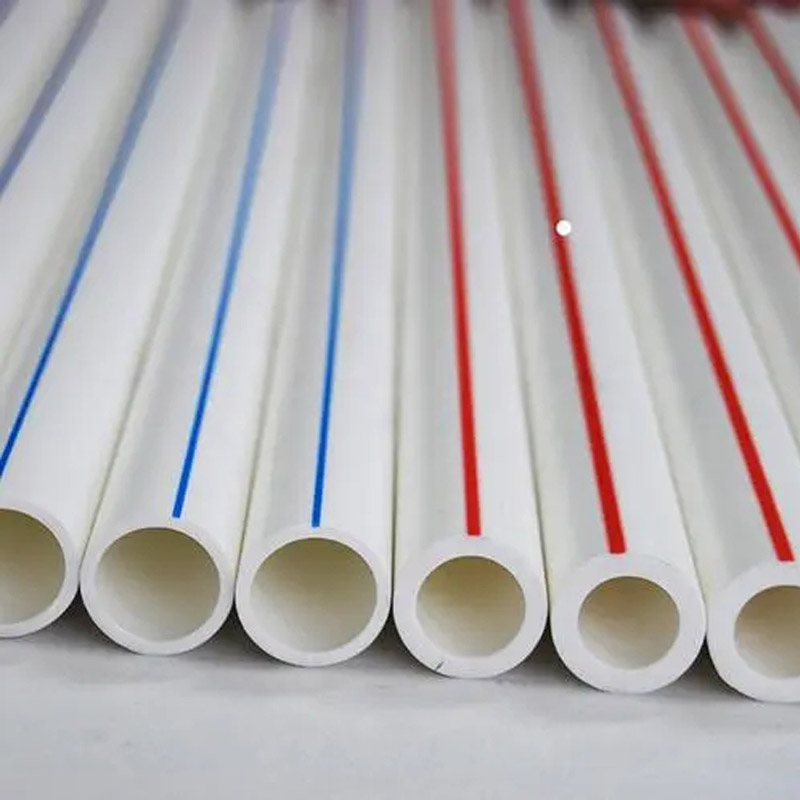
Polyvinyl Chloride (PVC) pipe, specifically discount 32mm PVC pipe, represents a foundational element in modern fluid conveyance systems. Its position within the construction and infrastructure supply chain is critical, serving as a cost-effective and durable solution for potable water distribution, irrigation, drainage, and various industrial applications. This technical guide details the material science, manufacturing processes, performance characteristics, potential failure modes, and maintenance protocols associated with this commonly utilized piping system. The 32mm diameter is a standard size frequently employed in residential and light commercial plumbing, balancing flow capacity with material cost. Core performance parameters include pressure rating, tensile strength, and chemical resistance, all of which contribute to the long-term reliability and economic viability of PVC pipe installations. The ‘discount’ designation signifies a focus on price competitiveness within the market, necessitating a rigorous understanding of material grades and manufacturing tolerances to ensure consistent quality.
Material Science & Manufacturing
The primary raw material for 32mm PVC pipe is Polyvinyl Chloride, a thermoplastic polymer produced through the polymerization of vinyl chloride monomer (VCM). The resin itself is a white, amorphous powder, typically compounded with stabilizers (often lead or calcium-zinc based), plasticizers (phthalates or alternative non-phthalate options), lubricants, and pigments to achieve desired processing characteristics and end-use properties. Critical material properties include a glass transition temperature (Tg) around 80°C, a density of approximately 1.4 g/cm³, and inherent resistance to many acids, alkalis, and solvents.
Manufacturing of 32mm PVC pipe predominantly utilizes the extrusion process. PVC compound is fed into a single-screw extruder where it is heated and plasticized. The molten PVC is then forced through a die, shaping it into a seamless pipe. Cooling is achieved using a water bath to solidify the pipe, maintaining dimensional accuracy. The pipe is then cut to length, marked, and inspected. Key parameter control during extrusion includes die temperature (180-210°C), extrusion speed (optimized for wall thickness and surface finish), and cooling water temperature (maintained to prevent warping). Wall thickness is paramount, typically ranging from Schedule 40 (standard wall) to Schedule 80 (heavy wall) depending on pressure requirements. The selection of stabilizers impacts long-term UV resistance and thermal stability. Proper mixing of the PVC compound is essential to ensure homogenous distribution of additives, preventing localized weaknesses in the finished product. Quality control includes dimensional checks, hydrostatic pressure testing, and impact resistance testing.
Performance & Engineering
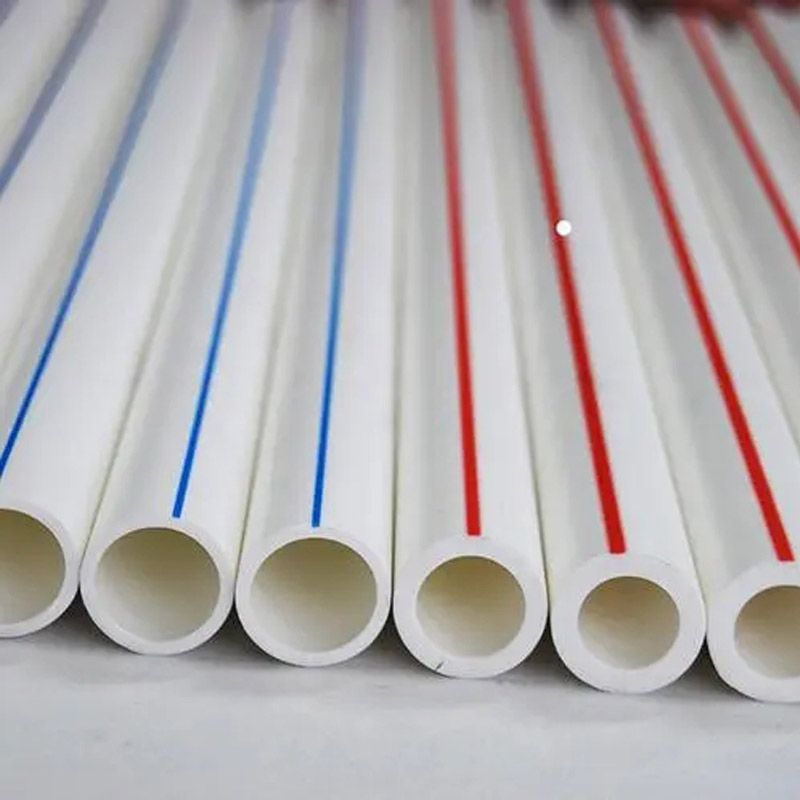
The performance of 32mm PVC pipe is governed by several engineering principles. Hoop stress, generated by internal fluid pressure, is a primary design consideration. The pipe wall must be sufficiently thick to withstand this stress without failure. Calculations are based on Barlow's formula (S = P D / 2t, where S = stress, P = pressure, D = diameter, and t = wall thickness). The material’s tensile strength and modulus of elasticity are crucial parameters in these calculations. Environmental factors, particularly temperature, significantly influence performance. PVC becomes more brittle at lower temperatures and can soften under sustained exposure to high temperatures.
Compliance with relevant standards (discussed in the footer) dictates allowable operating pressures and temperature ranges. Soil loading in buried applications adds another stress component. The pipe’s ability to resist deflection under load is critical to prevent cracking and joint failure. Chemical compatibility is also a key concern. While PVC is resistant to many chemicals, prolonged exposure to certain solvents and strong oxidizing agents can cause degradation. Proper jointing techniques, using PVC cement or mechanical fittings, are vital to maintaining system integrity. Improperly joined pipes are a common source of leaks and failures. Fatigue analysis is relevant for applications involving cyclical pressure variations, such as pump systems. Long-term creep resistance is also important, especially in high-temperature environments.
Technical Specifications
| Parameter | Schedule 40 (Standard Wall) | Schedule 80 (Heavy Wall) | Units |
|---|---|---|---|
| Nominal Pipe Size | 32 mm | 32 mm | mm |
| Outside Diameter | 42.4 mm | 42.4 mm | mm |
| Minimum Wall Thickness | 2.4 mm | 3.2 mm | mm |
| Pressure Rating @ 23°C | 450 psi | 600 psi | psi |
| Burst Pressure | 2250 psi | 3000 psi | psi |
| Tensile Strength | >55 MPa | >55 MPa | MPa |
| Density | 1.40 g/cm³ | 1.40 g/cm³ | g/cm³ |
Failure Mode & Maintenance
Common failure modes for 32mm PVC pipe include cracking due to excessive stress, particularly at joints or areas of impact. Environmental stress cracking (ESC) can occur from prolonged exposure to certain chemicals, even at relatively low stresses. UV degradation leads to embrittlement and surface cracking, particularly in exposed applications. Delamination can occur if the PVC compound was not properly mixed during manufacturing. Hydrostatic pressure testing can reveal weak points prone to failure.
Maintenance primarily involves visual inspection for cracks, leaks, and signs of degradation. Regular cleaning to remove debris and prevent blockage is also essential. For minor leaks, patching with PVC cement and appropriate repair fittings can provide a temporary solution. However, significant cracks or widespread degradation typically require pipe replacement. Joints should be inspected regularly for signs of separation or loosening. In areas prone to freezing, adequate insulation is crucial to prevent cracking due to ice expansion. Avoid direct contact with incompatible chemicals. Implement a preventative maintenance schedule based on operating conditions and exposure to environmental factors.
Industry FAQ
Q: What is the impact of using a lower-cost PVC compound on the long-term durability of the 32mm pipe?
A: Utilizing a lower-cost PVC compound often involves reduced concentrations of stabilizers and plasticizers. This compromises long-term UV resistance, thermal stability, and impact strength. While initial performance might appear adequate, the pipe is more susceptible to cracking, embrittlement, and degradation over time, leading to premature failure and increased maintenance costs. The discount pricing often reflects this trade-off in material quality.
Q: How does water hammer affect the longevity of a 32mm PVC pipe system?
A: Water hammer, caused by sudden changes in flow velocity, generates pressure surges that can exceed the pipe’s pressure rating. Repeated water hammer events can lead to fatigue cracking, especially at joints and fittings. Installing water hammer arrestors, pressure reducing valves, and ensuring proper pipe support can mitigate this risk.
Q: What are the acceptable temperature limits for transporting industrial wastewater in 32mm PVC pipe?
A: While PVC exhibits good chemical resistance, elevated temperatures can significantly reduce its mechanical properties. Generally, continuous operation above 60°C (140°F) is not recommended. Exposure to temperatures exceeding 80°C (176°F) can cause softening and deformation. The specific temperature limit also depends on the chemical composition of the wastewater.
Q: What is the recommended procedure for solvent cementing 32mm PVC pipe, and what common mistakes should be avoided?
A: The procedure involves cleaning the pipe and fitting surfaces with a PVC primer, applying a uniform layer of PVC cement, and quickly inserting the pipe into the fitting with a slight twisting motion. Common mistakes include inadequate cleaning, insufficient cement application, exceeding the working time of the cement, and failing to allow sufficient curing time before pressurizing the system.
Q: What is the difference between Type I and Type II PVC pipe, and which is typically used for potable water applications?
A: Type I PVC pipe is typically used for pressure applications like potable water distribution, irrigation, and plumbing. It meets stringent standards for tensile strength and burst pressure. Type II PVC pipe is generally used for non-pressure applications like drainage, vent, and sewer systems. For potable water, Type I PVC, formulated with NSF-approved materials, is the standard requirement to ensure water quality and prevent leaching of harmful substances.
Conclusion
Discount 32mm PVC pipe offers a cost-effective solution for a wide range of fluid conveyance applications. However, the ‘discount’ nature necessitates a detailed understanding of material properties, manufacturing processes, and potential failure modes. Maintaining quality control throughout the entire lifecycle – from raw material selection to installation and maintenance – is paramount to ensuring long-term performance and minimizing the risk of costly failures.
The long-term viability of a PVC piping system hinges on careful consideration of environmental factors, operating conditions, and adherence to industry standards. Selecting the appropriate schedule (40 or 80) based on pressure requirements, implementing proper jointing techniques, and performing regular inspections are all critical components of a successful installation. Continued research and development in PVC compound formulations are driving improvements in durability, chemical resistance, and sustainability.
-
DN25 HDPE Compression Fitting-HORON INTERNATIONAL|Reliable Irrigation Solutions
NewsFeb.11,2026
-
hdpe coupling joint product Manufacturing Analysis
News2026-11-18
-
ppr pipe heating time products Performance Analysis
News2026-11-16
-
hdpe pipe sizes factory Performance Analysis
News2026-11-09
-
HDPE Pipe Sizes Service Performance Analysis
News2026-10-26
-
wholesale 15mm ppr pipe Material Science and Performance Analysis
News2026-10-20
-
wholesale pvc pipe price per foot Technical Analysis
News2026-09-21
-
wholesale long pvc pipe Technical Analysis and Manufacturing Specifications
News2026-09-15
-
wholesale plumbing kitchen sink water lines Material Performance
News2026-09-15
-
wholesale hdpe drip irrigation Material Science
News2026-09-15
-
wholesale hot water ppr pipe Performance Analysis
News2026-09-15
-
wholesale ppr plumbing Performance Analysis
News2026-09-15
-
wholesale ppr pipe supplier Performance Analysis
News2026-09-13
-
wholesale 50mm ppr pipe Performance Analysis
News2026-09-13
-
wholesale hdpe drip pipe Performance Analysis
News2026-09-13
-
wholesale hdpe pipe 63mm price Manufacturing Specification and Performance Analysis
News2026-09-13