

Feb . 11, 2026 00:01 Back to list
discount 32mm ppr pipe price Performance Analysis

Introduction
Polypropylene Random (PPR) pipe, specifically the 32mm diameter variant offered at a discount price point, represents a significant advancement in fluid conveyance systems. Positioned within the broader plumbing and industrial piping industry, PPR pipes serve as a robust alternative to traditional materials such as copper, PVC, and galvanized steel. Its core performance characteristics – chemical resistance, thermal stability, and ease of installation via heat fusion – drive its adoption in potable water supply, heating systems, and various industrial applications. The 32mm size is a common dimension for main water lines and larger capacity fluid transport within buildings and infrastructure. This guide provides a comprehensive technical overview of discount 32mm PPR pipe, examining material science, manufacturing processes, performance parameters, failure modes, and relevant industry standards, targeting engineers, procurement managers, and installation professionals.
Material Science & Manufacturing
The foundation of 32mm PPR pipe lies in polypropylene random copolymer resin. This material distinguishes itself through a random distribution of comonomers (typically ethylene) within the polypropylene chain, disrupting the polymer’s crystallinity and imparting enhanced impact resistance and flexibility compared to homopolymer polypropylene. Key physical properties include a density of 0.905 – 0.92 g/cm³, a tensile strength ranging from 20-30 MPa, and a flexural modulus between 800-1200 MPa. The material exhibits excellent chemical resistance to a wide array of acids, bases, and salts, though prolonged exposure to strong oxidizing agents should be avoided.
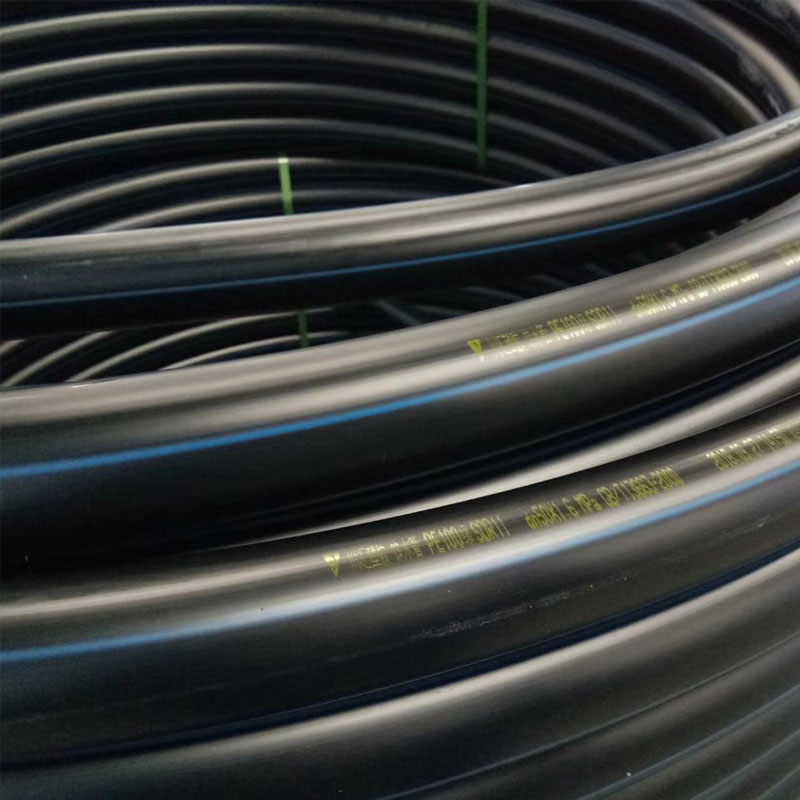
Manufacturing typically involves extrusion molding. Polypropylene granules are fed into an extruder, where they are heated and melted. The molten polymer is then forced through a circular die to create the pipe’s 32mm outer diameter, with wall thicknesses commonly ranging from 2.3 to 4.2 mm depending on the pressure rating (PN10, PN16, PN20). Critical parameters during extrusion include maintaining a consistent melt temperature (190-230°C), precise die calibration to ensure dimensional accuracy, and controlled cooling rates to prevent warping. Subsequent to extrusion, the pipes undergo quality control checks for diameter, ovality, and wall thickness uniformity. The pipes are often produced with color coding – typically blue for cold water and red for hot water – achieved by incorporating pigment masterbatches during the extrusion process. Heat fusion welding is the predominant joining method, utilizing specialized heating tools to create a homogenous weld between the pipe and fittings, resulting in a leak-proof connection.
Performance & Engineering
The performance of 32mm PPR pipe is dictated by its hydraulic capabilities and structural integrity under various operating conditions. Hydrostatic pressure testing is crucial, ensuring the pipe can withstand sustained pressures exceeding its designated pressure rating (e.g., PN16 pipes should withstand 1.6 MPa). Force analysis involves assessing hoop stress generated by internal pressure, with design calculations adhering to relevant standards (see footer). Thermal expansion is a key consideration; PPR has a relatively high coefficient of thermal expansion (approximately 0.15 mm/m·°C). Engineers must account for this expansion in piping layouts, incorporating expansion loops or flexible connections to prevent stress concentration and potential cracking.
Environmental resistance is paramount. While PPR exhibits excellent resistance to many chemicals, prolonged UV exposure can cause degradation, leading to embrittlement. Therefore, outdoor installations necessitate UV-stabilized PPR or protective coatings. The temperature operating range typically extends from -40°C to +95°C for short-term exposure and up to +70°C for continuous use. Compliance with potable water regulations is essential. The material must meet stringent requirements regarding leachability of contaminants, ensuring water quality remains unaffected. Fittings play a critical role in overall system performance; their design and welding parameters must align with the pipe specifications to maintain joint integrity.
Technical Specifications
| Parameter | Unit | PN10 | PN16 |
|---|---|---|---|
| Outer Diameter | mm | 32 | 32 |
| Wall Thickness | mm | 2.3 | 2.8 |
| Pressure Rating | MPa | 1.0 | 1.6 |
| Burst Pressure | MPa | 3.0 | 4.8 |
| Tensile Strength | MPa | 22 | 25 |
| Operating Temperature (Max Continuous) | °C | 70 | 70 |
Failure Mode & Maintenance
Several failure modes can compromise the integrity of 32mm PPR piping systems. Fatigue cracking can occur due to repeated pressure cycling and thermal expansion/contraction stresses, particularly at weld joints. Improper heat fusion welding is a primary contributor; insufficient heating, inadequate pressure during fusion, or contamination at the joint interface can result in weak welds prone to failure. Creep rupture, although less common, can develop under sustained high temperatures and pressures, leading to slow, progressive deformation and eventual fracture. Chemical attack, primarily from strong oxidizing agents, can cause material degradation and embrittlement. Delamination can occur if the polypropylene material contains impurities or insufficient homogeneity.
Maintenance primarily focuses on preventative measures. Regular visual inspections should be conducted to identify any signs of cracking, deformation, or leakage. Proper support and anchoring of pipes are crucial to minimize stress concentrations. Periodic pressure testing can verify system integrity. If a leak is detected, the affected section should be cut out and replaced with a new section of PPR pipe and fittings, utilizing proper heat fusion welding techniques. It's important to avoid mechanical fasteners that could damage the pipe wall. Furthermore, appropriate water treatment to control pH and chemical composition can extend the lifespan of the piping system.
Industry FAQ
Q: What are the key differences between PPR and PVC pipe, and why would I choose PPR for a hot water application?
A: While PVC is a cost-effective option for cold water applications, it becomes brittle and can deform under elevated temperatures. PPR, with its higher temperature resistance (up to 95°C short-term), maintains its structural integrity and flexibility when exposed to hot water, making it the preferred choice for hot water distribution systems. PPR also offers superior chemical resistance and a smoother internal surface, reducing scaling and maintaining flow efficiency.
Q: How does the quality of the heat fusion welding process affect the long-term reliability of a PPR piping system?
A: The quality of heat fusion welding is paramount. Improper welding – inadequate heating time, insufficient welding pressure, or contamination – can create weak joints susceptible to failure. Certified welders, calibrated welding tools, and strict adherence to welding parameters outlined in industry standards are crucial to ensure robust, leak-proof connections.
Q: What is the impact of UV exposure on PPR pipe, and what mitigation strategies should be employed for outdoor installations?
A: Prolonged exposure to UV radiation can cause PPR to become brittle and lose its impact resistance. For outdoor applications, utilizing UV-stabilized PPR pipe formulations is recommended. Alternatively, the piping can be covered with a protective coating or shielded from direct sunlight using appropriate cladding or insulation.
Q: How does the coefficient of thermal expansion of PPR pipe influence the design of a piping system?
A: PPR's relatively high coefficient of thermal expansion necessitates incorporating expansion loops, flexible connectors, or appropriately sized pipe supports to accommodate thermal movement. Failure to account for expansion can induce stress concentrations, leading to cracking or joint failures. Engineering calculations should determine the required expansion compensation based on temperature fluctuations and pipe length.
Q: What certifications or standards should I look for to ensure the PPR pipe meets quality and safety requirements for potable water applications?
A: Look for certifications like NSF International (NSF-61) which confirms the material is safe for contact with potable water. Compliance with standards such as DIN 8077/8078 (Germany), EN ISO 15876 (Europe), and relevant national standards (e.g., ASTM standards in the US) indicates the pipe has undergone rigorous testing and meets established quality criteria.
Conclusion
Discount 32mm PPR pipe represents a cost-effective and reliable solution for a wide range of fluid conveyance applications. Its inherent material properties – chemical resistance, thermal stability, and ease of installation – coupled with proper design considerations and adherence to industry standards, contribute to long-term system performance and durability. Understanding the nuances of PPR material science, manufacturing processes, and potential failure modes is essential for engineers and installers to maximize its benefits.
Future developments in PPR technology may focus on enhancing UV resistance through advanced additive formulations, improving welding techniques for increased joint strength, and developing smart piping systems with integrated sensors for leak detection and performance monitoring. Careful selection of PPR pipe grades and fittings based on specific application requirements, coupled with diligent maintenance practices, will ensure continued reliable performance and minimize life-cycle costs.
-
DN25 HDPE Compression Fitting-HORON INTERNATIONAL|Reliable Irrigation Solutions
NewsFeb.11,2026
-
hdpe coupling joint product Manufacturing Analysis
News2026-11-18
-
ppr pipe heating time products Performance Analysis
News2026-11-16
-
hdpe pipe sizes factory Performance Analysis
News2026-11-09
-
HDPE Pipe Sizes Service Performance Analysis
News2026-10-26
-
wholesale 15mm ppr pipe Material Science and Performance Analysis
News2026-10-20
-
wholesale pvc pipe price per foot Technical Analysis
News2026-09-21
-
wholesale long pvc pipe Technical Analysis and Manufacturing Specifications
News2026-09-15
-
wholesale plumbing kitchen sink water lines Material Performance
News2026-09-15
-
wholesale hdpe drip irrigation Material Science
News2026-09-15
-
wholesale hot water ppr pipe Performance Analysis
News2026-09-15
-
wholesale ppr plumbing Performance Analysis
News2026-09-15
-
wholesale ppr pipe supplier Performance Analysis
News2026-09-13
-
wholesale 50mm ppr pipe Performance Analysis
News2026-09-13
-
wholesale hdpe drip pipe Performance Analysis
News2026-09-13
-
wholesale hdpe pipe 63mm price Manufacturing Specification and Performance Analysis
News2026-09-13