

Feb . 11, 2026 00:01 Back to list
discount 32mm ppr Performance Analysis
Introduction
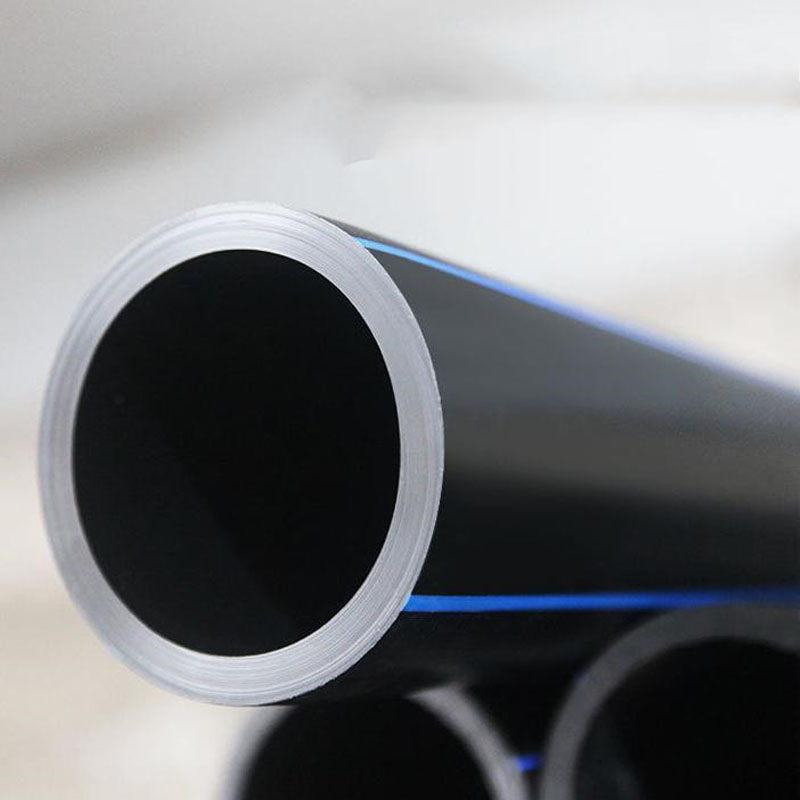
Polypropylene Random (PPR) piping, specifically 32mm diameter variants marketed as ‘discount PPR’, represents a significant segment of the thermoplastic piping industry. Positioned within the broader building materials supply chain, it serves primarily as a cost-effective solution for hot and cold water distribution systems in residential and commercial construction. Its technical position is defined by a balance between material cost, ease of installation via heat fusion welding, and acceptable long-term performance characteristics. Core performance metrics center around pressure resistance, temperature tolerance, and chemical inertness, influencing its suitability for potable water applications and certain industrial processes. This guide provides a comprehensive technical overview of 32mm PPR piping, encompassing material science, manufacturing processes, performance parameters, failure modes, and relevant industry standards.
Material Science & Manufacturing
32mm PPR pipes are manufactured from polypropylene random copolymer. This material distinguishes itself from homopolymer polypropylene through the random incorporation of ethylene monomers along the polymer chain. This copolymerization disrupts the crystallinity of the polypropylene, resulting in increased flexibility, improved impact resistance, and enhanced weldability. Raw material selection dictates final product quality; manufacturers typically employ grades conforming to DIN 8077 or equivalent specifications. The manufacturing process begins with polypropylene resin, which is melted and extruded through a die to form the pipe shape. Key parameters in extrusion include melt temperature (typically 200-240°C), extrusion pressure (controlled to maintain dimensional accuracy), and cooling rate (critical for achieving amorphous structure and preventing crystallization). Post-extrusion, pipes undergo dimensional inspection, hydrostatic testing to verify pressure resistance, and often, surface treatment to enhance weldability. The welding process, utilizing either socket fusion or butt fusion, is paramount to the integrity of a PPR system. Socket fusion involves heating both the pipe end and the fitting socket, allowing them to be joined under pressure, creating a homogenous weld. Butt fusion is used for larger diameters, employing a heating plate to melt the pipe ends before pressing them together. Precise temperature control and pressure maintenance are crucial for successful fusion welds, minimizing residual stresses and maximizing joint strength. The amorphous nature of PPR contributes to its resistance to stress cracking, a common failure mode in crystalline polymers under sustained stress.
Performance & Engineering
The performance of 32mm PPR pipes is fundamentally governed by its mechanical properties and resistance to environmental factors. Tensile strength (typically 20-25 MPa) and yield strength (around 15-20 MPa) define its ability to withstand internal pressure and external loads. The pipe’s long-term hydrostatic strength (LTHS), determined through accelerated aging tests as per ISO 1167, is a critical design parameter. LTHS represents the sustained pressure a pipe can endure over a specified lifespan (typically 50 years) at a given temperature. Temperature resistance is also crucial. PPR can handle continuous operating temperatures up to 70°C, with short-term temperature spikes up to 95°C. However, exceeding these limits can lead to softening and reduced pressure resistance. Chemical resistance is generally excellent for common waterborne substances, but prolonged exposure to strong oxidizing agents or aromatic hydrocarbons should be avoided. Furthermore, the coefficient of linear thermal expansion (approximately 0.15 mm/m°C) must be accounted for in system design to prevent stresses caused by temperature fluctuations. Expansion loops or flexible connectors are often incorporated to accommodate thermal expansion and contraction. Engineering considerations also include wall thickness selection based on internal pressure requirements. Thicker walls provide greater strength but increase material costs. A balance must be struck between performance and economic viability. Compliance with building codes and plumbing regulations (e.g., Uniform Plumbing Code, International Plumbing Code) is essential, dictating allowable pressures, installation procedures, and material certifications.
Technical Specifications
| Parameter | Unit | Specification (Typical) | Test Standard |
|---|---|---|---|
| Nominal Diameter | mm | 32 | ISO 15876-1 |
| Wall Thickness | mm | 2.3 - 3.2 | DIN 8077 |
| Pressure Rating (PN) | bar | PN16, PN20, PN25 | ISO 1167 |
| Long Term Hydrostatic Strength (LTHS) | bar | > 1.6 MPa (at 70°C, 50 years) | ISO 1167 |
| Tensile Strength | MPa | 20-25 | ISO 527-2 |
| Elongation at Break | % | >200 | ISO 527-2 |
| Coefficient of Linear Thermal Expansion | mm/m°C | 0.15 | ASTM E228 |
Failure Mode & Maintenance
Failure modes in 32mm PPR piping are typically related to installation errors, material degradation, or mechanical stress. Common failure mechanisms include: 1) Hot water stress cracking: Occurs due to prolonged exposure to high temperatures combined with residual stresses from improper installation. 2) Pressure surges (water hammer): Sudden pressure fluctuations can exceed the pipe’s pressure rating, leading to cracking at welded joints. 3) UV degradation: Prolonged exposure to ultraviolet radiation can embrittle the material, reducing its impact resistance. 4) Chemical attack: Exposure to incompatible chemicals can cause swelling, softening, or cracking. 5) Weld defects: Insufficient heating, inadequate pressure during fusion, or contamination of the welding surfaces can result in weak or incomplete welds. Maintenance typically involves visual inspections for leaks, cracks, or discoloration. Preventative measures include: ensuring proper installation techniques (following manufacturer guidelines and relevant standards), implementing water hammer arrestors to mitigate pressure surges, providing UV protection for exposed piping, and avoiding the use of harsh cleaning agents. In the event of a leak, the damaged section should be cut out and replaced with a new PPR pipe and fittings, using appropriate heat fusion welding techniques. Regular hydrostatic testing can proactively identify weakened sections before catastrophic failure occurs. Periodic inspections of support systems (hangers and brackets) are also crucial to ensure adequate pipe support and prevent excessive stress.
Industry FAQ
Q: What is the primary difference between PPR-C (Type III) and standard PPR, and how does this impact its suitability for hot water applications?
A: PPR-C (Type III) denotes a higher purity polypropylene random copolymer specifically designed for hot water applications. It exhibits enhanced resistance to creep and temperature deformation compared to standard PPR. The higher purity reduces the potential for leaching of undesirable compounds into the water, making it preferable for potable hot water distribution systems where stringent water quality standards apply.
Q: What is the recommended minimum bend radius for 32mm PPR pipe to avoid kinking or stress cracking during installation?
A: The recommended minimum bend radius for 32mm PPR pipe is generally 2.5 times the pipe's outer diameter, equating to approximately 80mm. Exceeding this radius can induce excessive stress on the pipe wall, particularly during temperature fluctuations, increasing the risk of kinking or stress cracking.
Q: How does the quality of the welding equipment and operator skill influence the long-term performance of PPR pipe joints?
A: The quality of the welding equipment (temperature control precision, heating plate uniformity) and operator skill (correct heating times, adequate welding pressure, proper surface preparation) are paramount. Poor welding results in incomplete fusion, creating weak points susceptible to failure under pressure and thermal stress. Regular calibration of welding equipment and operator training are essential.
Q: What is the impact of water hardness on the lifespan of a PPR piping system, and are there mitigation strategies?
A: High water hardness (high mineral content, particularly calcium and magnesium) can lead to scale buildup inside the pipes, reducing flow capacity and potentially creating localized stress points. While PPR is generally resistant to scaling, significant buildup can occur over time. Mitigation strategies include using water softeners or installing filters to reduce mineral content.
Q: Are there specific regulations governing the use of 'discount PPR' in commercial buildings versus residential applications?
A: Regulations vary significantly by region. Generally, commercial buildings often have more stringent plumbing codes requiring higher pressure ratings (e.g., PN25) and more frequent inspections compared to residential applications (typically PN16). ‘Discount PPR’ should be carefully evaluated to ensure it meets the required performance standards for the intended application and local regulations.
Conclusion
32mm PPR piping, including variants marketed as ‘discount PPR’, offers a cost-effective and reliable solution for fluid conveyance, particularly in potable water systems. Its performance is intrinsically linked to material properties—the random copolymerization of polypropylene—and meticulous control during manufacturing and installation. Understanding the nuances of material science, weldability, and potential failure modes is critical for ensuring long-term system integrity and minimizing lifecycle costs.
Future developments in PPR technology are likely to focus on enhancing resistance to high temperatures and aggressive chemical environments, as well as incorporating smart features for leak detection and system monitoring. Careful consideration of the technical specifications, adherence to relevant industry standards, and proper installation practices remain fundamental to maximizing the lifespan and performance of 32mm PPR piping systems.
-
DN25 HDPE Compression Fitting-HORON INTERNATIONAL|Reliable Irrigation Solutions
NewsFeb.11,2026
-
hdpe coupling joint product Manufacturing Analysis
News2026-11-18
-
ppr pipe heating time products Performance Analysis
News2026-11-16
-
hdpe pipe sizes factory Performance Analysis
News2026-11-09
-
HDPE Pipe Sizes Service Performance Analysis
News2026-10-26
-
wholesale 15mm ppr pipe Material Science and Performance Analysis
News2026-10-20
-
wholesale pvc pipe price per foot Technical Analysis
News2026-09-21
-
wholesale long pvc pipe Technical Analysis and Manufacturing Specifications
News2026-09-15
-
wholesale plumbing kitchen sink water lines Material Performance
News2026-09-15
-
wholesale hdpe drip irrigation Material Science
News2026-09-15
-
wholesale hot water ppr pipe Performance Analysis
News2026-09-15
-
wholesale ppr plumbing Performance Analysis
News2026-09-15
-
wholesale ppr pipe supplier Performance Analysis
News2026-09-13
-
wholesale 50mm ppr pipe Performance Analysis
News2026-09-13
-
wholesale hdpe drip pipe Performance Analysis
News2026-09-13
-
wholesale hdpe pipe 63mm price Manufacturing Specification and Performance Analysis
News2026-09-13