

Feb . 11, 2026 00:01 Back to list
discount 300mm pvc pipe Performance Analysis
Introduction
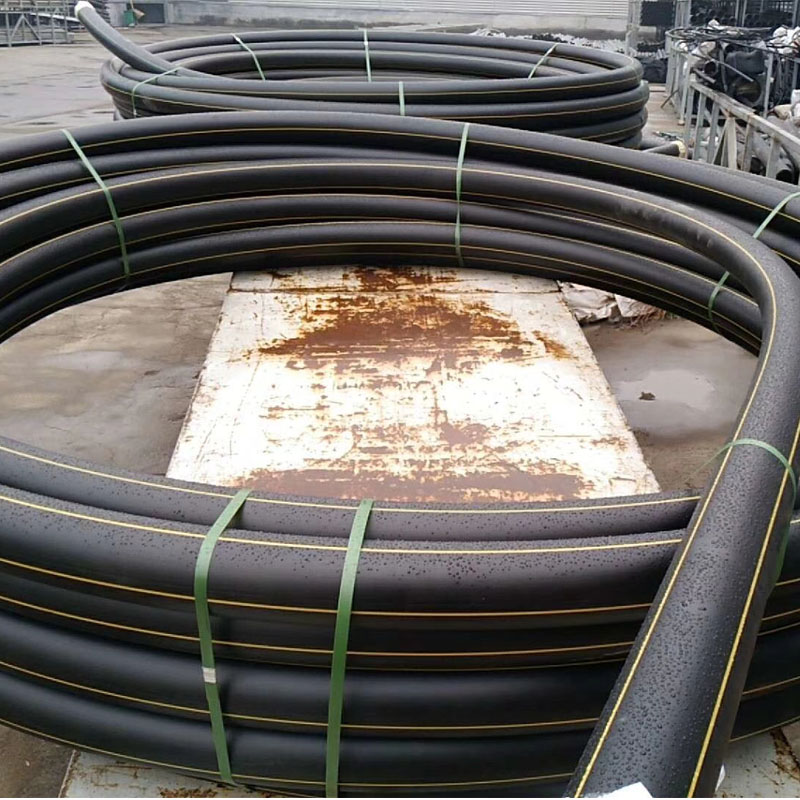
300mm Polyvinyl Chloride (PVC) pipe represents a ubiquitous solution for fluid conveyance in a diverse range of industrial, agricultural, and infrastructural applications. This technical guide provides an in-depth examination of 300mm PVC pipe, focusing on material science, manufacturing processes, performance characteristics, potential failure modes, and relevant industry standards. While often presented as a commodity product, variations in formulation, processing, and quality control significantly impact long-term performance and reliability, especially when sourced as “discount” material. This guide aims to delineate those critical factors for informed procurement and application, mitigating risks associated with cost-focused sourcing strategies. The 300mm diameter is a frequently specified size for gravity-fed drainage, irrigation systems, and increasingly, as conduit for power and communication cabling. Understanding the interplay between PVC compound composition, extrusion techniques, and environmental factors is paramount for ensuring the integrity and longevity of PVC piping systems.
Material Science & Manufacturing
The fundamental material for 300mm PVC pipe is a thermoplastic polymer, Polyvinyl Chloride. The raw material is synthesized from vinyl chloride monomer (VCM). The PVC compound used for pipe extrusion typically consists of PVC resin, plasticizers (often phthalates or increasingly, bio-based alternatives), stabilizers (typically calcium-zinc or lead-based, though lead is being phased out due to environmental concerns), lubricants, and pigments. The proportion of these additives dictates the pipe’s flexibility, impact resistance, and long-term durability. For 300mm pipe, impact modification is crucial given the larger diameter and increased susceptibility to ground loading. Manufacturing predominantly employs extrusion. PVC resin and additives are blended and fed into an extruder, where it is heated and homogenized. The molten PVC is then forced through a circular die, creating a continuous pipe profile. Critical parameters during extrusion include die temperature, screw speed, haul-off speed, and cooling rate. Proper cooling is essential to prevent dimensional instability and maintain the amorphous structure of the PVC. The “discount” nature of some PVC pipe often correlates with the utilization of lower-cost plasticizers or stabilizers, potentially compromising the pipe's long-term performance. Post-extrusion, pipes are typically cut to length, bevelled, and marked with relevant information (size, schedule, pressure rating, manufacturer).

Performance & Engineering
The performance of 300mm PVC pipe is fundamentally governed by its mechanical properties, specifically its tensile strength, impact strength (measured by Charpy or Izod impact tests), and flexural modulus. The pipe's ability to withstand internal hydrostatic pressure is a critical engineering consideration, dictated by the pipe’s schedule (e.g., Schedule 40, Schedule 80). Higher schedules denote thicker wall thicknesses and consequently, greater pressure-bearing capacity. Environmental resistance is also paramount. PVC is susceptible to degradation from prolonged UV exposure, necessitating the addition of UV stabilizers in the compound formulation. Furthermore, temperature extremes can impact performance; PVC becomes more brittle at lower temperatures and can soften under prolonged exposure to elevated temperatures. Soil loading, particularly in burial applications, generates external forces that the pipe must resist without deformation or cracking. Proper bedding and backfill are crucial for distributing the load and preventing point stresses. Chemical resistance is generally good for many common substances, but prolonged exposure to strong solvents or certain chemicals can cause swelling or degradation. The performance of “discount” PVC pipe can be compromised by inconsistencies in wall thickness and reduced levels of impact modifiers, increasing susceptibility to failure under stress.
Technical Specifications
| Parameter | Schedule 40 (Typical) | Schedule 80 (Typical) | Units |
|---|---|---|---|
| Nominal Pipe Size | 300 mm | 300 mm | mm |
| Outside Diameter | 323.9 mm | 340.5 mm | mm |
| Wall Thickness | 4.2 mm | 5.8 mm | mm |
| Pressure Rating (at 23°C) | 3.5 bar | 5.5 bar | bar |
| Tensile Strength | 55 MPa | 55 MPa | MPa |
| Impact Strength (Charpy, 23°C) | 8 kJ/m² | 12 kJ/m² | kJ/m² |
| Density | 1.40 g/cm³ | 1.40 g/cm³ | g/cm³ |
Failure Mode & Maintenance
Common failure modes for 300mm PVC pipe include cracking due to excessive stress (particularly during installation or from soil loading), crazing from sustained tensile stress, brittle fracture at low temperatures, and chemical degradation. Long-term exposure to UV radiation can lead to surface embrittlement and loss of impact resistance. Joint failures can occur due to improper solvent welding or inadequate sealing. “Discount” PVC pipe is often more susceptible to these failures due to lower-quality materials and inconsistent manufacturing. Fatigue cracking can occur in buried pipes subjected to repeated loading from traffic or soil movement. Maintenance primarily focuses on preventative measures. Regular visual inspections should be conducted to identify any signs of cracking, deformation, or joint leakage. Proper bedding and backfill are essential for preventing stress concentrations. Avoid exposing PVC pipe to direct sunlight for prolonged periods. In chemically aggressive environments, consider using PVC compounds with enhanced chemical resistance. For repairs, use compatible PVC cement and fittings. When dealing with significant damage, complete pipe replacement is often the most reliable solution. Joint integrity should be routinely checked, particularly in systems carrying pressurized fluids.
Industry FAQ
Q: What is the impact of using a lower-cost plasticizer in PVC pipe formulations, and how does it affect long-term performance?
A: Lower-cost plasticizers, such as certain phthalates, can migrate out of the PVC matrix over time, leading to embrittlement and reduced flexibility. This migration is accelerated by elevated temperatures and exposure to certain chemicals. The resulting pipe becomes more prone to cracking, especially under impact or stress. Bio-based plasticizers are becoming more common but must be carefully evaluated for compatibility and long-term stability.
Q: How does the soil type affect the performance and lifespan of buried 300mm PVC pipe?
A: Soil type significantly influences pipe performance. Highly corrosive soils can accelerate chemical degradation. Poorly drained soils can lead to hydrostatic pressure buildup and potential pipe deformation. Rocky or abrasive soils can cause mechanical damage during installation and over time. Proper bedding and backfill are crucial, and the use of protective wrapping may be necessary in aggressive soil environments.
Q: What are the key differences between Schedule 40 and Schedule 80 PVC pipe, and when would you choose one over the other?
A: Schedule 80 pipe has a thicker wall thickness than Schedule 40, resulting in a higher pressure rating and greater impact resistance. Schedule 40 is generally suitable for low-pressure gravity flow applications like drainage. Schedule 80 is preferred for higher-pressure systems, demanding applications, and situations where increased durability is required.
Q: What considerations should be taken when solvent welding 300mm PVC pipe, and what are common causes of joint failure?
A: Proper solvent welding requires clean, dry surfaces, the correct type of PVC cement for the pipe compound, and adequate ventilation. Applying sufficient cement to both the pipe and fitting, and ensuring proper dwell time before pressure testing are critical. Common causes of joint failure include insufficient cement application, improper alignment, using incompatible cement, and testing the joint before the cement has fully cured.
Q: How do I assess the quality of a "discount" 300mm PVC pipe before installation to mitigate potential risks?
A: Thoroughly inspect the pipe for consistent wall thickness, surface defects, and proper markings. Request documentation verifying compliance with relevant standards (e.g., ASTM D1785). Perform a simple impact test on a sample piece. Check the manufacturer’s reputation and warranty information. If possible, obtain a material certificate detailing the PVC compound composition.
Conclusion
300mm PVC pipe remains a cost-effective and versatile solution for a multitude of applications, provided careful consideration is given to material selection, manufacturing quality, and installation practices. The pursuit of “discount” pricing necessitates increased scrutiny to avoid compromising long-term performance and incurring costly repairs or replacements. Understanding the influence of compound composition, extrusion parameters, and environmental factors is critical for ensuring the structural integrity and functional reliability of PVC piping systems.
Ultimately, a holistic approach to procurement, prioritizing quality and compliance alongside cost, will yield the most sustainable and economical outcome. Proper installation techniques, including adequate bedding and backfill, coupled with routine inspections, will further extend the lifespan and minimize the risk of failure in 300mm PVC pipe applications. Continual evaluation of emerging PVC formulations and manufacturing processes will be essential for adapting to evolving industry standards and performance demands.
-
DN25 HDPE Compression Fitting-HORON INTERNATIONAL|Reliable Irrigation Solutions
NewsFeb.11,2026
-
hdpe coupling joint product Manufacturing Analysis
News2026-11-18
-
ppr pipe heating time products Performance Analysis
News2026-11-16
-
hdpe pipe sizes factory Performance Analysis
News2026-11-09
-
HDPE Pipe Sizes Service Performance Analysis
News2026-10-26
-
wholesale 15mm ppr pipe Material Science and Performance Analysis
News2026-10-20
-
wholesale pvc pipe price per foot Technical Analysis
News2026-09-21
-
wholesale long pvc pipe Technical Analysis and Manufacturing Specifications
News2026-09-15
-
wholesale plumbing kitchen sink water lines Material Performance
News2026-09-15
-
wholesale hdpe drip irrigation Material Science
News2026-09-15
-
wholesale hot water ppr pipe Performance Analysis
News2026-09-15
-
wholesale ppr plumbing Performance Analysis
News2026-09-15
-
wholesale ppr pipe supplier Performance Analysis
News2026-09-13
-
wholesale 50mm ppr pipe Performance Analysis
News2026-09-13
-
wholesale hdpe drip pipe Performance Analysis
News2026-09-13
-
wholesale hdpe pipe 63mm price Manufacturing Specification and Performance Analysis
News2026-09-13