

Feb . 11, 2026 00:01 Back to list
discount 3.5 inch pvc pipe Performance Analysis
Introduction
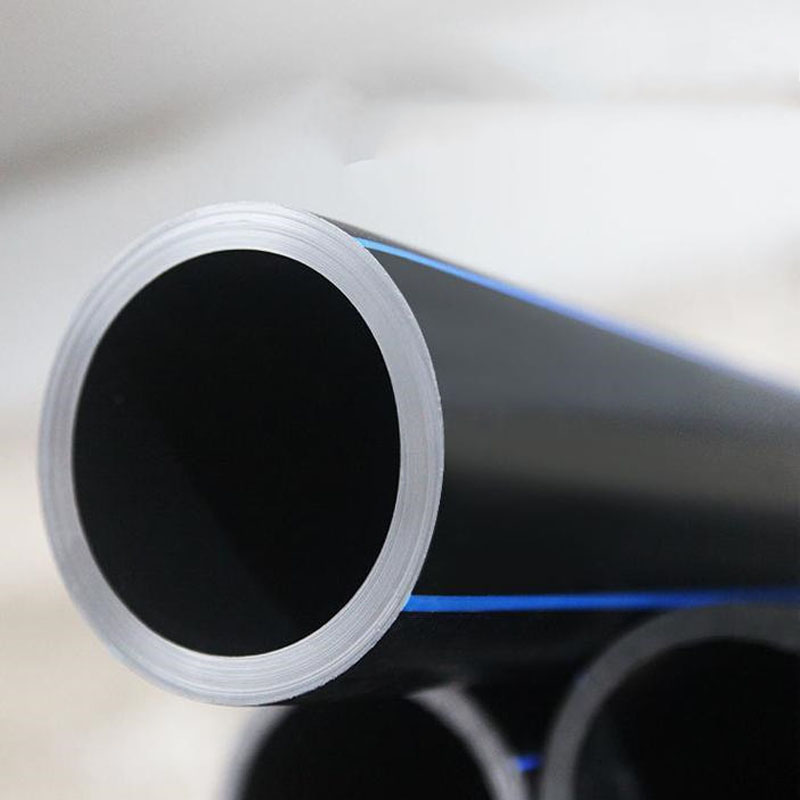
Polyvinyl chloride (PVC) pipe, specifically the 3.5-inch diameter variant often marketed as ‘discount PVC’, represents a fundamental component in numerous fluid conveyance systems across industrial, agricultural, and infrastructural applications. This guide details the technical characteristics, manufacturing processes, performance considerations, and potential failure modes of this ubiquitous piping solution. Its positioning within the broader supply chain is as a semi-finished good, requiring ancillary components like fittings, adhesives, and support structures for complete system implementation. Core performance characteristics center around fluid flow capacity, pressure resistance, chemical inertness, and long-term durability. The ‘discount’ designation typically refers to price point achieved through optimized manufacturing processes and material sourcing, but does not inherently compromise adherence to baseline industry standards. Understanding these aspects is critical for ensuring appropriate selection and maximizing service life in diverse operational environments.
Material Science & Manufacturing
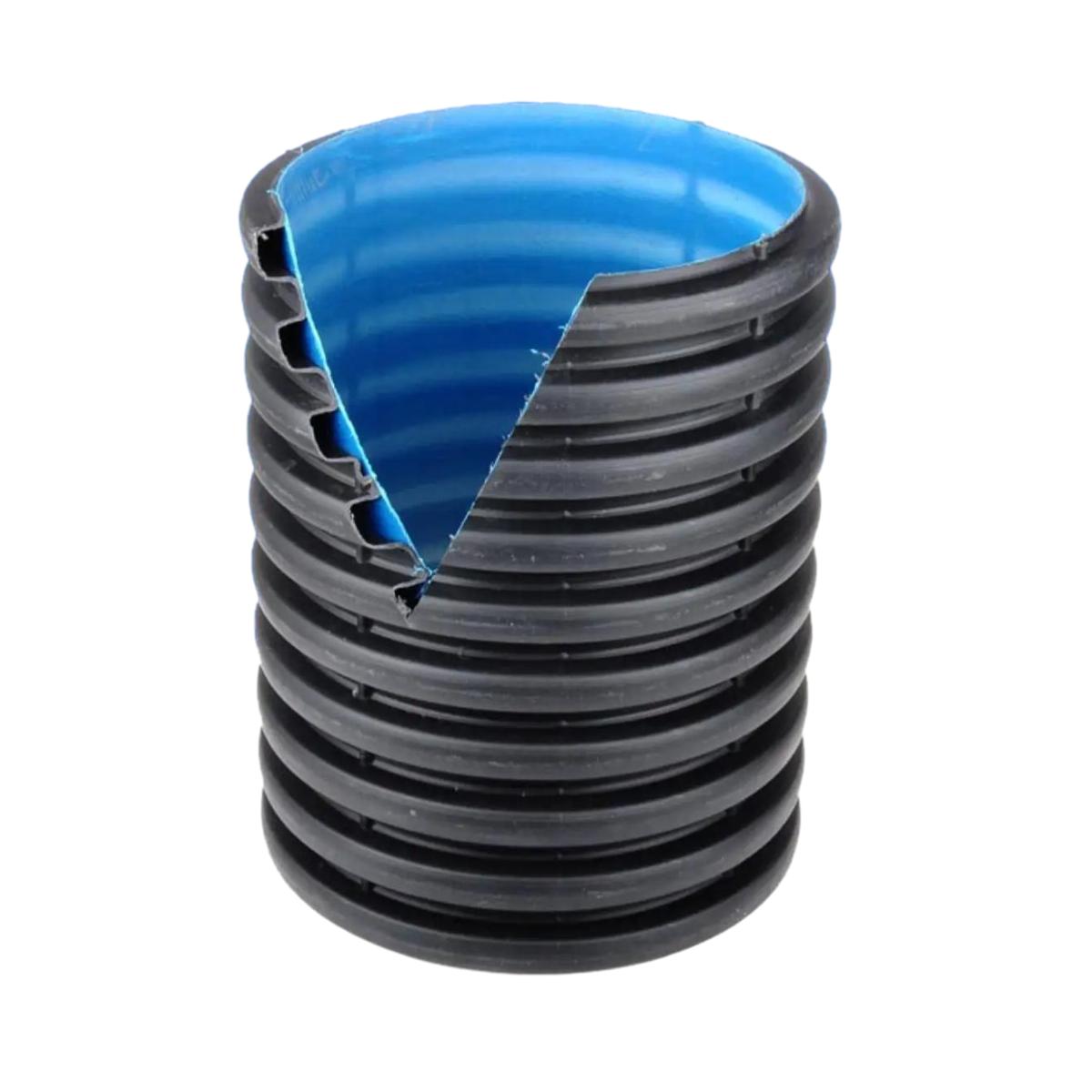
3.5-inch PVC pipe is predominantly manufactured from PVC resin, a thermoplastic polymer derived from the polymerization of vinyl chloride monomer (VCM). The raw PVC resin exhibits inherent rigidity and brittleness, necessitating the incorporation of plasticizers, stabilizers, and lubricants during compounding. Common plasticizers include phthalates (though increasingly replaced by phthalate-free alternatives due to environmental concerns) and adipates, imparting flexibility and impact resistance. Stabilizers, typically lead-based compounds or calcium-zinc formulations, prevent thermal degradation during processing and prolong service life by mitigating UV-induced breakdown. Lubricants, such as stearic acid, facilitate processing and improve surface finish. The manufacturing process predominantly employs extrusion. PVC compound is fed into a single-screw extruder, where it is heated, homogenized, and forced through a circular die of 3.5-inch diameter. Precise control of extrusion temperature (typically between 160°C and 210°C), screw speed, and die pressure is paramount to ensure dimensional accuracy and consistent wall thickness. Cooling is achieved via water baths, followed by precise cutting to desired lengths. Quality control involves rigorous testing of wall thickness, diameter, and hydrostatic pressure resistance according to established standards. The specific grade of PVC used (e.g., Schedule 40, Schedule 80) dictates wall thickness and consequently, the pipe’s pressure-bearing capability. Post-extrusion operations may include socketing or threading for fitting compatibility.
Performance & Engineering
The engineering performance of 3.5-inch PVC pipe is governed by its mechanical properties and resistance to environmental factors. Tensile strength, typically around 55-65 MPa, dictates the pipe’s ability to withstand axial loads. The modulus of elasticity (around 3-4 GPa) determines its stiffness and resistance to deformation under pressure. Impact strength, measured using Izod or Charpy tests, assesses its susceptibility to brittle failure. Crucially, PVC exhibits creep behavior – a time-dependent deformation under sustained load. Therefore, long-term hydrostatic design stress must be significantly lower than the short-term tensile strength to prevent failure. Chemical resistance is a key advantage; PVC is largely inert to acids, bases, salts, and many organic solvents. However, prolonged exposure to certain chlorinated hydrocarbons and ketones can cause swelling and degradation. For buried applications, soil loading and external pressure must be considered. The pipe’s burial depth and surrounding soil characteristics influence hoop stress, requiring sufficient wall thickness to prevent collapse. Compliance with relevant codes and standards (see section 7) is essential, particularly concerning water pressure ratings and allowable stress levels. Friction losses within the pipe are determined by the Colebrook-White equation, factoring in pipe roughness and fluid velocity. Proper joining techniques (solvent welding or gasketed joints) are critical to maintain pressure integrity and prevent leakage. The thermal expansion coefficient of PVC (approximately 8 x 10⁻⁵ /°C) necessitates expansion joints in long pipelines to accommodate temperature fluctuations.
Technical Specifications
| Parameter | Schedule 40 | Schedule 80 | Units |
|---|---|---|---|
| Nominal Pipe Size | 3.5 inch | 3.5 inch | inch |
| Outside Diameter | 3.500 | 3.500 | inch |
| Wall Thickness | 0.218 | 0.280 | inch |
| Pressure Rating (Hydrostatic) | 400 | 600 | psi |
| Tensile Strength | 60 | 62 | MPa |
| Modulus of Elasticity | 3.2 | 3.4 | GPa |
Failure Mode & Maintenance
Common failure modes in 3.5-inch PVC pipe include hydrostatic failure (bursting due to excessive pressure), mechanical damage (impact fracture during handling or installation), chemical degradation (swelling or embrittlement from incompatible fluids), UV degradation (loss of ductility and impact resistance from prolonged sunlight exposure), and slow crack growth (SCG) in certain environments. SCG is often initiated by stress concentrations around fittings or defects and is exacerbated by the presence of certain chemicals. Fatigue cracking can occur under cyclic loading. Delamination, while less common, can occur in improperly manufactured pipe due to inadequate mixing of components. Maintenance primarily focuses on preventative measures. Regular visual inspections for cracks, deformations, or leaks are crucial. Protecting the pipe from direct sunlight through coatings or burial minimizes UV degradation. Proper jointing techniques and the use of compatible adhesives are essential to prevent leakage. In applications involving aggressive chemicals, compatibility testing should be performed before installation. For buried pipelines, periodic cathodic protection assessments may be necessary to mitigate corrosion of metallic components used in conjunction with the PVC pipe. If damage is detected, localized repairs using solvent-welded patches or replacement of the affected section are recommended. Avoid using abrasive cleaners that can compromise the pipe’s surface integrity.
Industry FAQ
Q: What is the impact of water hammer on 3.5 inch PVC pipe, and how can it be mitigated?
A: Water hammer, or hydraulic shock, is a pressure surge caused by sudden changes in flow velocity. PVC, while durable, can be susceptible to rupture under severe water hammer conditions. Mitigation strategies include installing surge suppressors (air chambers or pressure relief valves), using slow-closing valves, and ensuring proper pipe anchoring to absorb shock loads. The magnitude of the pressure surge is dependent on flow velocity and the rate of valve closure.
Q: How does temperature affect the long-term performance of PVC pipe?
A: Elevated temperatures increase the rate of creep and reduce the long-term hydrostatic strength of PVC. While PVC is generally suitable for temperatures up to 60°C, prolonged exposure to higher temperatures accelerates degradation. Conversely, low temperatures can increase brittleness, making the pipe more susceptible to impact damage. Thermal expansion and contraction also need to be accounted for in design.
Q: What are the advantages and disadvantages of solvent welding versus gasketed joints for 3.5 inch PVC pipe?
A: Solvent welding creates a permanent, monolithic joint with high strength and chemical resistance. However, it requires proper surface preparation, adhesive application, and curing time. Gasketed joints are quicker to install and allow for easier disassembly for maintenance, but are generally less strong and more prone to leakage if the gasket is improperly installed or fails.
Q: What is the recommended maximum burial depth for 3.5 inch PVC pipe?
A: The recommended maximum burial depth depends on soil conditions, traffic loads, and the pipe’s schedule (wall thickness). Generally, a maximum burial depth of 6-8 feet is recommended for Schedule 40, and 8-10 feet for Schedule 80, assuming adequate bedding and backfill support. Exceeding these depths without proper consideration can lead to excessive hoop stress and pipe collapse.
Q: Are there specific PVC formulations designed for corrosive environments?
A: Yes, specialized PVC formulations, such as CPVC (chlorinated PVC), offer enhanced chemical resistance compared to standard PVC. CPVC can withstand higher temperatures and is more resistant to aggressive chemicals like acids and oxidizing agents. Selecting the appropriate formulation is critical for applications involving harsh chemical exposure.
Conclusion
3.5-inch PVC pipe, particularly the ‘discount’ variants, represents a cost-effective and versatile solution for a wide range of fluid conveyance applications. Its performance is intricately linked to the specific PVC formulation, manufacturing quality control, and proper installation practices. A thorough understanding of its material properties, potential failure modes, and compliance with relevant industry standards is paramount for ensuring long-term reliability and minimizing lifecycle costs.
Future developments in PVC technology are focused on enhancing its sustainability through the use of bio-based plasticizers and recycled materials, as well as improving its resistance to SCG and UV degradation. Continued research into advanced joining techniques and non-destructive testing methods will further enhance the reliability and longevity of PVC piping systems. Properly engineered and maintained, 3.5 inch PVC pipe will remain a cornerstone of infrastructure for decades to come.
-
DN25 HDPE Compression Fitting-HORON INTERNATIONAL|Reliable Irrigation Solutions
NewsFeb.11,2026
-
hdpe coupling joint product Manufacturing Analysis
News2026-11-18
-
ppr pipe heating time products Performance Analysis
News2026-11-16
-
hdpe pipe sizes factory Performance Analysis
News2026-11-09
-
HDPE Pipe Sizes Service Performance Analysis
News2026-10-26
-
wholesale 15mm ppr pipe Material Science and Performance Analysis
News2026-10-20
-
wholesale pvc pipe price per foot Technical Analysis
News2026-09-21
-
wholesale long pvc pipe Technical Analysis and Manufacturing Specifications
News2026-09-15
-
wholesale plumbing kitchen sink water lines Material Performance
News2026-09-15
-
wholesale hdpe drip irrigation Material Science
News2026-09-15
-
wholesale hot water ppr pipe Performance Analysis
News2026-09-15
-
wholesale ppr plumbing Performance Analysis
News2026-09-15
-
wholesale ppr pipe supplier Performance Analysis
News2026-09-13
-
wholesale 50mm ppr pipe Performance Analysis
News2026-09-13
-
wholesale hdpe drip pipe Performance Analysis
News2026-09-13
-
wholesale hdpe pipe 63mm price Manufacturing Specification and Performance Analysis
News2026-09-13