

Feb . 11, 2026 00:01 Back to list
discount 25mm pvc pipe Performance Analysis
Introduction
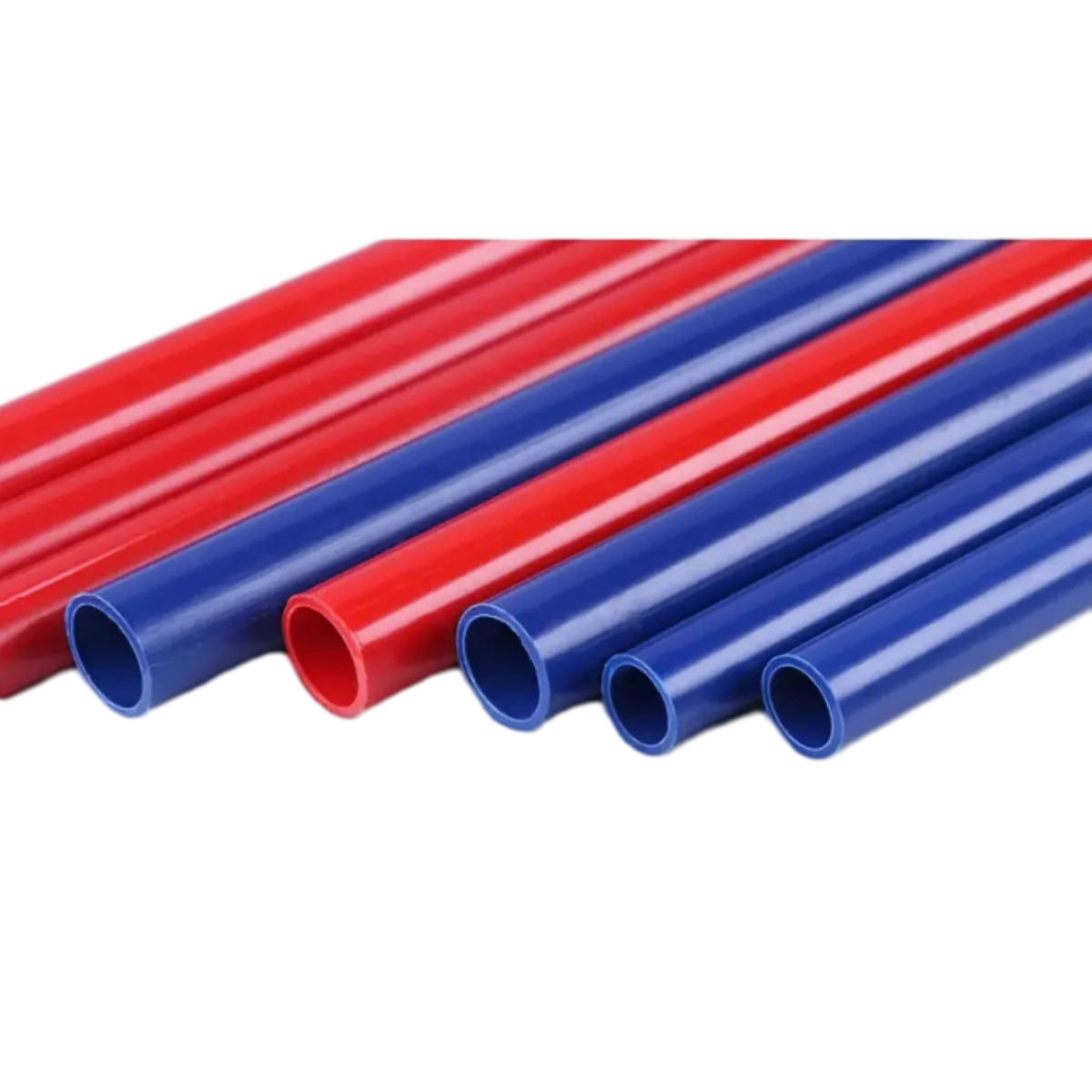
Polyvinyl Chloride (PVC) pipe, specifically 25mm diameter schedule 40, represents a foundational component in modern fluid transfer systems across diverse industries. This guide details the technical aspects of budget-conscious 25mm PVC pipe, addressing material composition, manufacturing processes, performance characteristics, potential failure modes, and relevant industry standards. While often considered a commodity product, variations in manufacturing quality and material formulation significantly impact long-term performance and reliability. The 25mm dimension refers to the nominal inner diameter, a critical factor in flow rate calculations and system compatibility. Discount PVC pipe often targets price sensitivity, necessitating a thorough understanding of its limitations compared to premium grades. Its primary applications include irrigation, drainage, cold water distribution, and conduit for electrical wiring, though specific applications are governed by local building codes and pressure requirements. This document serves as a comprehensive resource for engineers, procurement professionals, and technicians involved in the specification, installation, and maintenance of 25mm PVC piping systems.
Material Science & Manufacturing
The base material for 25mm PVC pipe is Polyvinyl Chloride, a thermoplastic polymer produced through the polymerization of vinyl chloride monomer (VCM). The raw material typically comprises PVC resin, plasticizers (often phthalates or alternatives for flexibility), stabilizers (to prevent degradation from heat and UV exposure), lubricants (to aid processing), and pigments (for color). The quality and type of these additives profoundly affect the pipe's performance. Discount PVC pipe may utilize lower concentrations of plasticizers or less expensive stabilizer formulations, potentially compromising long-term flexibility and UV resistance. Manufacturing typically involves extrusion. PVC resin and additives are fed into an extruder, where they are heated and mixed into a homogeneous melt. This melt is then forced through a die with the desired 25mm diameter and wall thickness (defined by the schedule number, typically schedule 40). The extruded pipe is cooled using water baths to solidify the PVC. Critical parameters during extrusion include die temperature, screw speed, and cooling rate. Improper control can lead to inconsistencies in wall thickness, ovality, and material properties. Post-extrusion processes include cutting to length, bell-end forming (for solvent welding), and quality control checks, including hydrostatic pressure testing to verify burst resistance and dimensional accuracy. The molecular weight of the PVC resin is a critical factor influencing impact resistance and long-term creep resistance.
Performance & Engineering
The performance of 25mm PVC pipe is characterized by its pressure rating, tensile strength, impact resistance, and chemical resistance. Pressure rating, typically expressed in PSI (pounds per square inch) or bar, depends on the schedule number and temperature. Schedule 40 pipe exhibits higher pressure capacity than thinner-walled schedules. Tensile strength, a measure of the material’s resistance to stretching, is crucial for handling installation stresses and internal pressure. Impact resistance, assessed using tests like the Izod impact test, determines the pipe’s ability to withstand sudden loads. Discount PVC pipe may exhibit reduced impact resistance due to lower-quality resin or inadequate plasticizer content. Chemical resistance is a significant advantage of PVC, resisting acids, bases, and many solvents. However, prolonged exposure to certain chemicals (e.g., aromatic hydrocarbons) can cause swelling and degradation. Engineering considerations include thermal expansion and contraction – PVC has a relatively high coefficient of thermal expansion, requiring expansion joints in long runs to prevent stress buildup. Flow rate calculations must account for the pipe’s inner diameter, wall roughness, and the fluid’s viscosity. Soil loading, when buried, must be considered to prevent collapse or deformation. The long-term hydrostatic design stress (LHD) is a critical parameter for ensuring the pipe's durability under continuous pressure.
Technical Specifications
| Parameter | Typical Value (Schedule 40) | Test Standard | Tolerance |
|---|---|---|---|
| Nominal Pipe Size | 25 mm (1 inch) | ISO 1452 | ±0.2 mm |
| Outside Diameter | 31.75 mm | ASTM D2241 | ±0.3 mm |
| Wall Thickness | 2.4 mm | ASTM D2241 | ±0.15 mm |
| Pressure Rating (at 23°C) | 600 PSI (4137 kPa) | ASTM D1785 | - |
| Tensile Strength | 69 MPa | ASTM D638 | ±5 MPa |
| Impact Strength (Izod Notched) | 68 kJ/m² | ASTM D256 | ±10 kJ/m² |
| Coefficient of Thermal Expansion | 8 x 10⁻⁵ /°C | ASTM E228 | - |
Failure Mode & Maintenance
Common failure modes in 25mm PVC pipe include cracking, splitting, and degradation. Cracking can result from excessive stress during installation, freeze-thaw cycles (causing expansion and contraction stress), or exposure to corrosive chemicals. Splitting can occur during installation if proper solvent welding techniques are not followed or if the pipe is subjected to impact loads. Long-term degradation is primarily caused by UV exposure, which breaks down the polymer chains, leading to embrittlement and discoloration. The presence of plasticizers in PVC makes it susceptible to plasticizer migration, leading to increased brittleness over time. Failure analysis often reveals that discount PVC pipe is more prone to brittle failure due to lower plasticizer content and less robust stabilizer systems. Maintenance involves regular visual inspections for cracks, leaks, or discoloration. Joints should be inspected for proper adhesion and tightness. Avoid exposing PVC pipe to direct sunlight for extended periods. If cracks are detected, the affected section should be replaced. For buried pipes, consider protective sleeves or coatings to mitigate soil-induced corrosion or damage. Periodic hydrostatic testing can verify the pipe's structural integrity. Avoiding the use of incompatible solvents during jointing is also critical for preventing rapid degradation.
Industry FAQ
Q: What is the primary difference between Schedule 40 and Schedule 80 PVC pipe, and how does it affect cost-effectiveness in a budget-constrained project?
A: Schedule 80 PVC pipe has a thicker wall than Schedule 40, resulting in a higher pressure rating and increased structural strength. However, this comes at a higher material cost. For applications with lower pressure requirements (e.g., irrigation), Schedule 40 is often sufficient and more cost-effective. Using Schedule 80 where it’s not needed represents unnecessary expense. The trade-off involves balancing initial cost savings against potential long-term durability considerations.
Q: What is the impact of using aggressive solvents during PVC pipe joining, and how can I ensure proper solvent welding technique to avoid joint failure?
A: Aggressive solvents can rapidly dissolve the PVC, creating weak and brittle joints. Proper solvent welding involves applying primer to both surfaces, followed by a controlled application of solvent cement. The solvent should be applied evenly and allow sufficient dwell time for the materials to fuse. Avoid excessive solvent, which can cause swelling and weaken the joint. Ensure adequate ventilation during the process.
Q: How does UV exposure affect the long-term performance of discount PVC pipe, and what mitigation strategies are recommended?
A: UV radiation degrades PVC by breaking down polymer chains, leading to embrittlement and loss of mechanical properties. Discount PVC pipe, often employing less expensive UV stabilizers, is more susceptible to this degradation. Mitigation strategies include painting the pipe with a UV-resistant coating, burying the pipe, or using PVC pipe specifically formulated with enhanced UV resistance.
Q: What are the key considerations for selecting appropriate PVC pipe for potable water applications, and what certifications are typically required?
A: Potable water applications require PVC pipe formulated with non-toxic additives that meet NSF/ANSI Standard 61. This standard ensures that the pipe doesn't leach harmful contaminants into the water. The pipe should also be certified to NSF/ANSI 372 for lead content. Verification of these certifications is crucial for compliance with public health regulations.
Q: Can 25mm PVC pipe be used for compressed air lines, and what are the limitations if it is used in such an application?
A: While technically possible for low-pressure compressed air lines, using 25mm PVC pipe for compressed air is generally not recommended. PVC is susceptible to cracking under cyclical pressure and can become brittle over time. Compressed air often contains moisture, which can exacerbate degradation. For compressed air, consider using materials specifically designed for that application, such as polyethylene or metal piping.
Conclusion
The selection and implementation of 25mm PVC pipe, even in a "discount" context, require a nuanced understanding of material science, manufacturing processes, and performance characteristics. While cost-effectiveness is a primary driver, compromising on critical aspects such as UV stabilization or resin quality can lead to premature failure and increased life-cycle costs. Proper installation techniques, particularly solvent welding, are paramount to ensuring long-term joint integrity.
Future developments in PVC formulation, including bio-based plasticizers and improved stabilizer systems, promise to enhance the durability and sustainability of PVC piping. Careful consideration of the application requirements, coupled with adherence to relevant industry standards, remains essential for maximizing the performance and lifespan of 25mm PVC piping systems.
-
DN25 HDPE Compression Fitting-HORON INTERNATIONAL|Reliable Irrigation Solutions
NewsFeb.11,2026
-
hdpe coupling joint product Manufacturing Analysis
News2026-11-18
-
ppr pipe heating time products Performance Analysis
News2026-11-16
-
hdpe pipe sizes factory Performance Analysis
News2026-11-09
-
HDPE Pipe Sizes Service Performance Analysis
News2026-10-26
-
wholesale 15mm ppr pipe Material Science and Performance Analysis
News2026-10-20
-
wholesale pvc pipe price per foot Technical Analysis
News2026-09-21
-
wholesale long pvc pipe Technical Analysis and Manufacturing Specifications
News2026-09-15
-
wholesale plumbing kitchen sink water lines Material Performance
News2026-09-15
-
wholesale hdpe drip irrigation Material Science
News2026-09-15
-
wholesale hot water ppr pipe Performance Analysis
News2026-09-15
-
wholesale ppr plumbing Performance Analysis
News2026-09-15
-
wholesale ppr pipe supplier Performance Analysis
News2026-09-13
-
wholesale 50mm ppr pipe Performance Analysis
News2026-09-13
-
wholesale hdpe drip pipe Performance Analysis
News2026-09-13
-
wholesale hdpe pipe 63mm price Manufacturing Specification and Performance Analysis
News2026-09-13