

Feb . 11, 2026 00:01 Back to list
discount 25mm ppr pipe Technical Analysis
Introduction
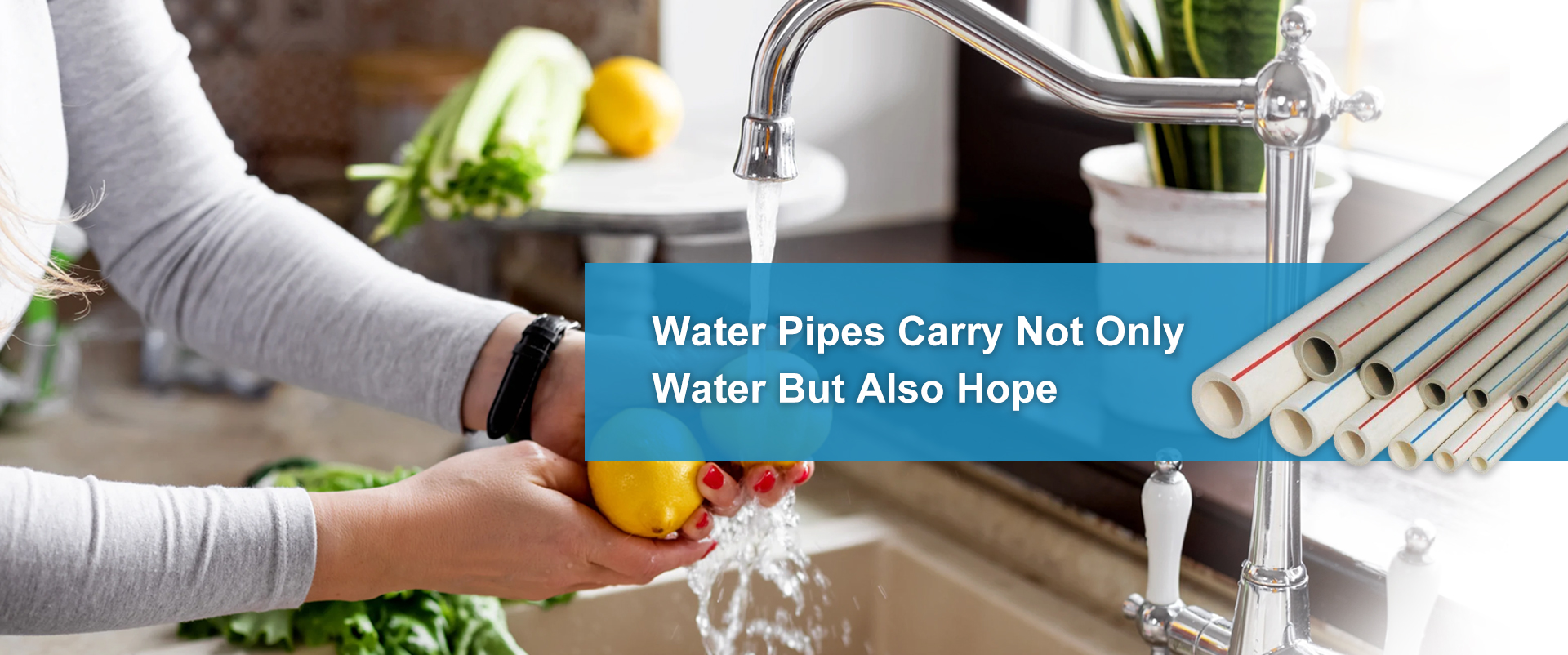
Polypropylene Random (PPR) pipe, specifically the 25mm diameter variant, represents a significant advancement in fluid conveyance systems across various industrial and residential applications. Positioned within the building materials supply chain, PPR pipe offers a cost-effective alternative to traditional metallic piping, particularly in potable water, heating, and cooling systems. Its primary performance characteristics revolve around corrosion resistance, thermal stability, and ease of installation via heat fusion welding. This guide provides an in-depth technical analysis of 25mm PPR pipe, encompassing material science, manufacturing processes, performance parameters, potential failure modes, and relevant industry standards. A key factor driving the adoption of PPR pipe is its cost competitiveness, making the “discount” designation a critical market differentiator, focused on value without compromising essential performance attributes. Understanding the nuances of material selection, manufacturing controls, and operational limitations is crucial for ensuring long-term system reliability and minimizing life-cycle costs.
Material Science & Manufacturing
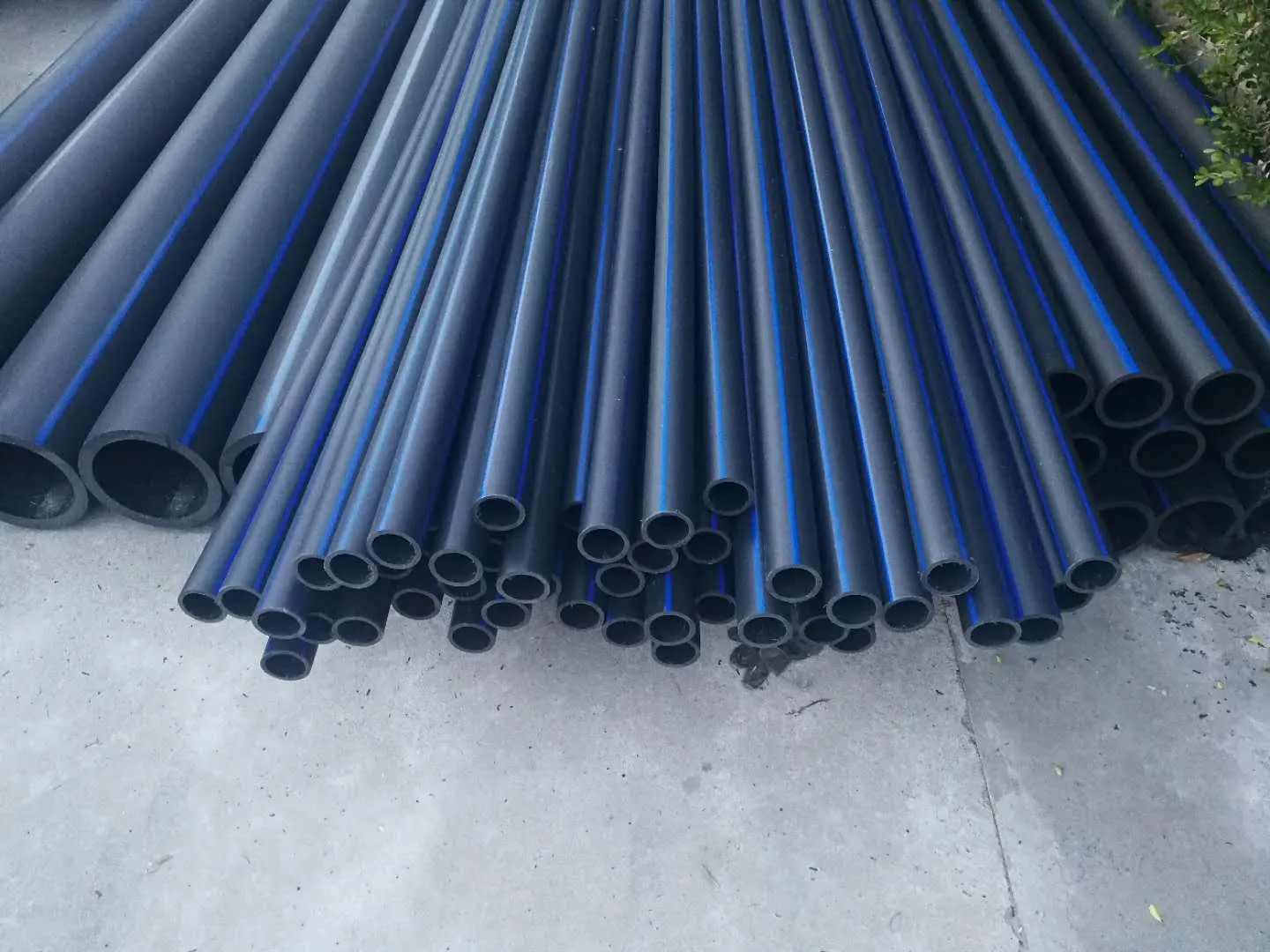
The foundational material for 25mm PPR pipe is polypropylene random copolymer. This polymer is characterized by its random distribution of comonomers, primarily ethylene, which disrupts the crystallinity of the polypropylene, enhancing its impact resistance and flexibility. Raw material specifications dictate a minimum Melt Flow Index (MFI) to ensure proper processability during extrusion. Manufacturing begins with the compounding of polypropylene homopolymer and random copolymer with stabilizing additives – typically antioxidants and UV stabilizers – to mitigate thermal and photo-degradation. The extrusion process employs a single or twin-screw extruder, meticulously controlling temperature profiles along the barrel to achieve homogeneous melting and prevent polymer degradation. Critical parameters include melt temperature (typically 190-230°C), die pressure, and haul-off speed, which dictate wall thickness and dimensional accuracy. Subsequent cooling is typically achieved through water baths, followed by dimensional stabilization and cutting to the desired length. Heat fusion welding, the predominant joining method for PPR pipes, relies on the polymer’s inherent thermoplasticity. The welding process involves heating both the pipe and fitting to a specific temperature (typically 260-280°C) and rapidly joining them under pressure, creating a homogenous weld with comparable strength to the base material. Ensuring consistent weld quality necessitates precise temperature control and adequate clamping force. Variations in ethylene content within the copolymer and inconsistencies in processing parameters directly impact the long-term performance and durability of the pipe.
Performance & Engineering
The performance of 25mm PPR pipe is governed by several key engineering principles. Hydrostatic strength, a critical parameter for pressure-rated applications, is determined by the pipe’s wall thickness and material properties, typically exceeding 1.6 MPa at 20°C and 1.0 MPa at 60°C, as per relevant standards. Stress analysis, particularly concerning internal pressure, relies on the Barlow’s formula, factoring in hoop stress and longitudinal stress. Thermal expansion is another significant consideration; PPR has a relatively high coefficient of linear thermal expansion (approximately 0.15 mm/m°C), necessitating the incorporation of expansion loops or flexible connectors in long runs to prevent stress cracking due to thermal cycling. Chemical resistance is generally excellent, with PPR exhibiting compatibility with a wide range of chemicals commonly found in potable water and HVAC systems. However, prolonged exposure to strong oxidizing agents or aromatic hydrocarbons should be avoided. Compliance requirements vary geographically but generally adhere to standards pertaining to potable water safety (e.g., NSF/ANSI 61 in North America, WRAS in the UK) and fire resistance (e.g., EN 13501-1 for European standards). Long-term creep resistance is a vital factor for sustained pressure applications. The material's viscoelastic properties cause it to slowly deform under constant load, and design calculations must account for this effect over the pipe’s anticipated service life. Finite element analysis (FEA) is routinely employed to optimize pipe geometry and support structures to minimize stress concentrations and maximize structural integrity.
Technical Specifications
| Parameter | Unit | Specification (Typical) | Testing Standard |
|---|---|---|---|
| Nominal Diameter | mm | 25 | ISO 15876 |
| Wall Thickness | mm | 3.2 - 4.2 | ISO 15876 |
| Hydrostatic Pressure (20°C) | MPa | ≥1.6 | ISO 11671 |
| Hydrostatic Pressure (60°C) | MPa | ≥1.0 | ISO 11671 |
| Melt Flow Index (MFI) | g/10min | 0.3 - 0.8 | ISO 1133 |
| Coefficient of Linear Thermal Expansion | mm/m°C | 0.15 | ASTM E228 |
Failure Mode & Maintenance
Failure modes in 25mm PPR pipe can be categorized into several distinct types. Slow Crack Growth (SCG), often induced by sustained tensile stress in conjunction with aggressive environmental factors (e.g., chlorine in potable water), leads to brittle fracture over time. This is exacerbated by inadequate weld quality or the presence of internal defects. Oxidation, particularly at elevated temperatures, causes polymer degradation, reducing mechanical strength and increasing susceptibility to cracking. UV degradation, stemming from prolonged exposure to sunlight, results in surface chalking and embrittlement. Mechanical damage, such as impact from external forces, can lead to localized cracking or complete rupture. Delamination can occur due to inadequate mixing of materials during extrusion or improper welding parameters. Maintenance practices primarily focus on preventative measures. Regular visual inspections should be conducted to identify signs of cracking, deformation, or leakage. Water quality should be monitored to minimize chlorine levels. Areas prone to mechanical damage should be protected with shielding. In the event of a leak, the damaged section should be cut out and replaced with a new piece of PPR pipe and appropriate fittings, ensuring proper heat fusion welding techniques are employed. Periodic pressure testing can verify system integrity and identify potential weak points. Avoid using abrasive cleaning agents or solvents, as these can compromise the polymer’s integrity.
Industry FAQ
Q: What is the primary advantage of PPR pipe over traditional copper piping?
A: PPR pipe's primary advantage lies in its corrosion resistance. Copper pipes are susceptible to corrosion in certain water chemistries, leading to pinhole leaks and reduced flow rates. PPR is inherently resistant to corrosion from most chemicals found in potable water systems, eliminating this concern and extending service life. Furthermore, PPR is generally more cost-effective and easier to install due to its heat fusion welding process.
Q: How does the quality of the welding process affect the long-term reliability of PPR pipe systems?
A: The welding process is arguably the most critical aspect of PPR pipe installation. Improper welding, characterized by insufficient heating, inadequate pressure, or contamination, creates weak joints prone to failure. These weak joints can become points of stress concentration, leading to cracking and leakage over time. Proper training and adherence to established welding procedures are paramount.
Q: What are the temperature limitations for hot water applications using 25mm PPR pipe?
A: While PPR is suitable for hot water applications, temperature limits must be observed. Continuous operation at temperatures exceeding 70°C can lead to gradual degradation of the material and a reduction in its mechanical properties. Short-term temperature spikes up to 95°C are generally acceptable, but prolonged exposure should be avoided. Specific temperature ratings are detailed in relevant standards like DIN 1988.
Q: Can PPR pipe be used for outdoor applications exposed to direct sunlight?
A: Prolonged exposure to direct sunlight can cause UV degradation of PPR pipe, leading to embrittlement and surface cracking. While UV stabilizers are incorporated into the material, they have a finite lifespan. For outdoor applications, it's recommended to use PPR pipe with enhanced UV resistance or to provide physical shielding to minimize sun exposure.
Q: What are the key differences between PPR-C and standard PPR pipe?
A: PPR-C (PPR Cold) is specifically formulated for cold water applications and often includes enhanced impact resistance. Standard PPR is suitable for both hot and cold water but may have slightly lower impact resistance. PPR-U is the standard grade, while PPR-B is frequently used for higher temperature applications. The choice depends on the specific application requirements and operating conditions.
Conclusion
In conclusion, 25mm PPR pipe offers a compelling combination of cost-effectiveness, corrosion resistance, and ease of installation, making it a viable alternative to traditional piping materials. However, achieving long-term reliability requires careful consideration of material selection, meticulous control of manufacturing processes, and adherence to established installation procedures, particularly concerning heat fusion welding. Understanding the potential failure modes – ranging from slow crack growth to UV degradation – is crucial for implementing effective preventative maintenance strategies.
Looking forward, ongoing advancements in polymer technology promise to further enhance the performance characteristics of PPR pipe, addressing limitations related to temperature resistance and UV stability. Increased adoption of standardized testing protocols and quality control measures will also contribute to greater confidence in the long-term durability of PPR piping systems. The cost advantage of “discount” PPR pipe must be balanced against the need for consistent quality and proper installation to ensure a robust and reliable fluid conveyance system.
-
DN25 HDPE Compression Fitting-HORON INTERNATIONAL|Reliable Irrigation Solutions
NewsFeb.11,2026
-
hdpe coupling joint product Manufacturing Analysis
News2026-11-18
-
ppr pipe heating time products Performance Analysis
News2026-11-16
-
hdpe pipe sizes factory Performance Analysis
News2026-11-09
-
HDPE Pipe Sizes Service Performance Analysis
News2026-10-26
-
wholesale 15mm ppr pipe Material Science and Performance Analysis
News2026-10-20
-
wholesale pvc pipe price per foot Technical Analysis
News2026-09-21
-
wholesale long pvc pipe Technical Analysis and Manufacturing Specifications
News2026-09-15
-
wholesale plumbing kitchen sink water lines Material Performance
News2026-09-15
-
wholesale hdpe drip irrigation Material Science
News2026-09-15
-
wholesale hot water ppr pipe Performance Analysis
News2026-09-15
-
wholesale ppr plumbing Performance Analysis
News2026-09-15
-
wholesale ppr pipe supplier Performance Analysis
News2026-09-13
-
wholesale 50mm ppr pipe Performance Analysis
News2026-09-13
-
wholesale hdpe drip pipe Performance Analysis
News2026-09-13
-
wholesale hdpe pipe 63mm price Manufacturing Specification and Performance Analysis
News2026-09-13