

Feb . 11, 2026 00:01 Back to list
discount 25mm ppr pipe price Performance Analysis
Introduction
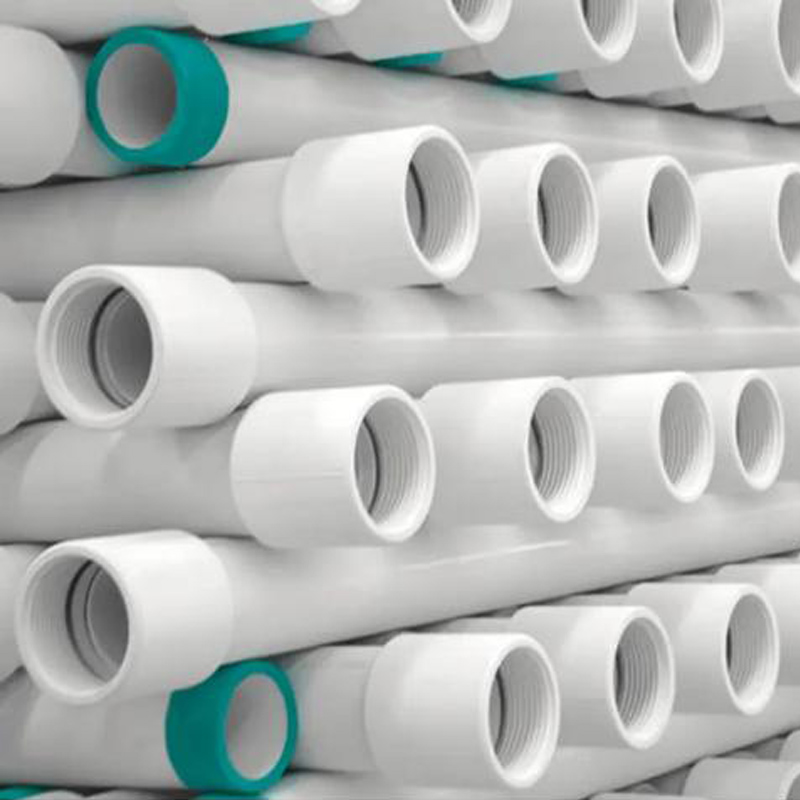
Polypropylene Random (PPR) pipe, specifically the 25mm variant frequently offered at discounted pricing, represents a significant advancement in fluid conveyance systems. Its position within the building and construction industry chain is as a core component in potable water supply, heating and cooling systems, and industrial fluid transport. PPR pipe is favored for its corrosion resistance, thermal stability, and ease of installation via heat fusion welding. The core performance characteristics revolve around maintaining fluid integrity under pressure, resisting chemical degradation, and minimizing heat loss in thermal applications. The discount pricing strategies employed for 25mm PPR pipe are driven by economies of scale in manufacturing, competition amongst producers, and standardized dimensions that facilitate broad market adoption. Understanding the material properties, manufacturing nuances, and performance limitations is crucial for ensuring long-term system reliability and minimizing lifecycle costs. This guide provides an in-depth technical analysis of 25mm PPR pipe, covering its material science, manufacturing processes, performance metrics, failure modes, and relevant industry standards.
Material Science & Manufacturing
The foundational material for 25mm PPR pipe is polypropylene random copolymer. This material is characterized by its random distribution of comonomers, primarily ethylene, within the polypropylene backbone. This random copolymerization is vital as it disrupts the crystallinity of the polypropylene, resulting in improved impact resistance, flexibility, and weldability compared to homopolymer polypropylene. The raw material’s density typically ranges between 0.905 – 0.920 g/cm³. Crucially, the molecular weight distribution influences the pipe’s long-term hydrostatic strength; a broader distribution typically enhances creep resistance. Manufacturing begins with the compounding of polypropylene granules with stabilizing additives, including antioxidants and UV stabilizers, to prevent thermal and oxidative degradation during processing and service. Extrusion is the primary manufacturing process. The compounded material is fed into a single or twin-screw extruder, heated to temperatures between 190-240°C, and formed into a continuous pipe profile using a die. Critical parameters during extrusion include maintaining a consistent melt temperature, controlling the extrusion speed to achieve the correct wall thickness, and ensuring proper cooling to solidify the pipe while minimizing internal stresses. Subsequent processes involve cutting the pipe to length, applying end caps, and quality control checks including hydrostatic pressure testing according to relevant standards. The quality of the weld joints during fabrication, typically employing socket fusion or butt fusion techniques, is paramount and directly correlated to the initial material’s melt flow index (MFI) and the precise control of heating element temperatures during the welding process.
Performance & Engineering
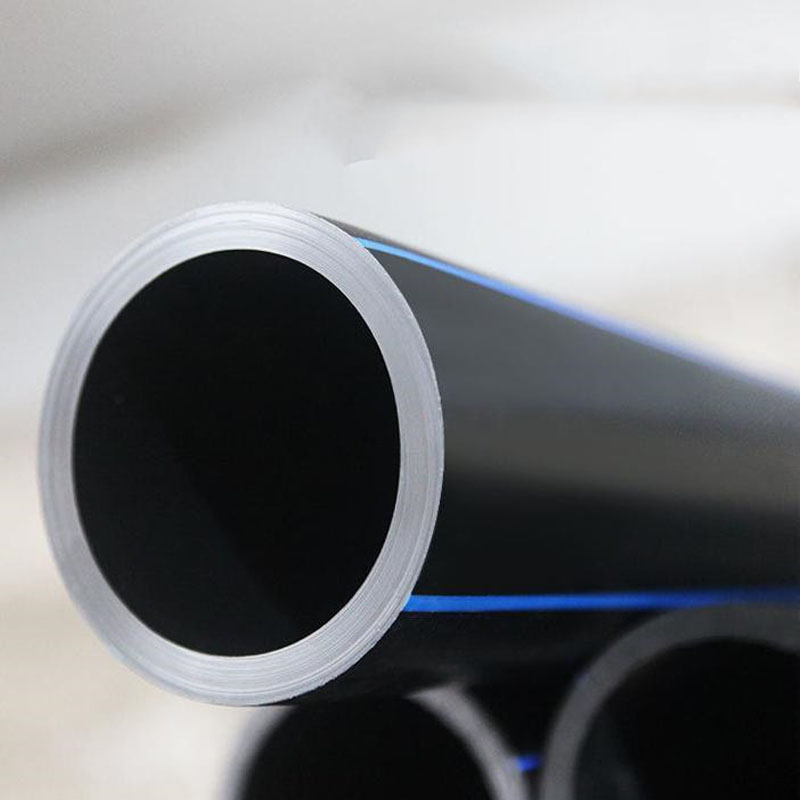
The performance of 25mm PPR pipe is dictated by its ability to withstand internal hydrostatic pressure, external loads, and thermal stresses. Hydrostatic pressure testing, typically conducted to 1.6 MPa for extended periods, verifies the pipe's burst strength and long-term durability. Force analysis focuses on hoop stress (circumferential stress) induced by internal pressure, calculated using the Barlow formula (σ = PD/2t, where P is pressure, D is diameter, and t is wall thickness). External loads, such as soil loading in buried applications, necessitate consideration of the pipe’s short-term and long-term deflection. PPR’s relatively low Young’s modulus (approximately 1.1 GPa) means it exhibits greater flexibility compared to metallic pipes, but also a higher susceptibility to deformation under sustained loads. Environmental resistance is key. PPR demonstrates excellent resistance to most commonly encountered chemicals in water distribution systems, including chlorine, acids, and bases. However, prolonged exposure to strong oxidizing agents or hydrocarbons can lead to degradation. Thermal expansion and contraction are significant engineering considerations. The coefficient of thermal expansion for PPR is approximately 0.15 mm/m°C. Therefore, expansion loops or flexible connectors must be incorporated into the system design to accommodate temperature fluctuations and prevent stress build-up at joints. Compliance requirements vary by region, but generally adhere to standards concerning potable water safety (ensuring no leaching of harmful substances) and pressure containment. Proper support and anchoring of the pipeline are critical to prevent sagging and stress concentrations.
Technical Specifications
| Parameter | Unit | Typical Value (25mm PPR) | Test Standard |
|---|---|---|---|
| Nominal Diameter | mm | 25 | ISO 15876 |
| Outer Diameter | mm | 32.4 | ISO 15876 |
| Wall Thickness | mm | 4.2 | ISO 15876 |
| Hydrostatic Pressure (1hr) | MPa | 1.6 | ISO 11671 |
| Burst Pressure | MPa | 6.4 | ISO 11671 |
| Tensile Strength | MPa | 25-35 | ISO 527-2 |
| Melt Flow Index (MFI) | g/10min | 2.0-3.0 | ISO 1133 |
Failure Mode & Maintenance
Several failure modes can affect 25mm PPR pipe in service. Fatigue cracking, particularly at weld joints, is a common issue caused by repeated pressure fluctuations and thermal cycling. This often manifests as micro-cracks that propagate over time, eventually leading to leakage. Delamination can occur if the weld process is improperly controlled, resulting in insufficient fusion between the pipe and fitting materials. Oxidative degradation, though mitigated by stabilizers, can occur over prolonged exposure to high temperatures and oxygen, reducing the pipe’s mechanical properties. Creep, the time-dependent deformation under constant stress, is a concern in hot water applications; lower-quality materials with broader molecular weight distributions are more susceptible. UV degradation, if exposed to direct sunlight for extended periods, can lead to surface embrittlement and cracking. Maintenance primarily involves visual inspection for leaks, cracks, or discoloration. Regular pressure testing can identify potential weaknesses before catastrophic failure. For minor leaks, patching with PPR-compatible repair compounds may be possible, but a complete replacement of the affected section is generally recommended for long-term reliability. Preventive maintenance includes ensuring adequate support for the pipeline, protecting it from physical damage, and avoiding exposure to incompatible chemicals. Proper installation techniques, adhering to heat fusion welding guidelines, are the most effective means of preventing premature failure. Periodic cleaning of the system can prevent the build-up of scale and sediment, reducing internal pressure and potential stress on the pipes.
Industry FAQ
Q: What is the impact of water hammer on the lifespan of 25mm PPR pipe?
A: Water hammer, the pressure surge resulting from sudden valve closures, can significantly reduce the lifespan of PPR pipe. The rapid pressure fluctuations induce stress on the pipe walls and weld joints, accelerating fatigue cracking. The use of pressure relief valves, air chambers, and slow-closing valves is crucial to mitigate water hammer effects. Furthermore, properly securing the pipeline to prevent movement during pressure surges is vital.
Q: Can 25mm PPR pipe be used for transporting compressed air?
A: Generally, it is not recommended to use 25mm PPR pipe for compressed air applications. While PPR exhibits good pressure resistance, it is not sufficiently air-tight to prevent leakage over time. Moreover, the flexibility of PPR can lead to vibration and eventual joint failure under the dynamic loading of compressed air systems. Specialized air piping materials, such as polyethylene or nylon, are more suitable.
Q: What is the effect of different welding techniques (socket vs. butt fusion) on joint strength?
A: Butt fusion generally produces stronger joints than socket fusion, as it creates a homogenous weld without any reduction in inner diameter. Socket fusion relies on the melting of both the pipe and fitting surfaces, potentially introducing stress concentrations. However, proper execution of socket fusion, adhering to correct heating times and insertion depths, can still yield acceptable joint strength. The choice of welding technique often depends on pipe diameter and application requirements.
Q: How does the grade of polypropylene (homopolymer vs. random copolymer) affect the performance of PPR pipe?
A: Random copolymer polypropylene is essential for PPR pipe due to its superior impact resistance and weldability compared to homopolymer polypropylene. Homopolymer PPR is more brittle and prone to cracking, especially at low temperatures or under stress. Therefore, the use of random copolymer PP is a critical requirement for ensuring the long-term performance and reliability of PPR piping systems.
Q: What is the maximum allowable operating temperature for 25mm PPR pipe in hot water applications?
A: The maximum continuous operating temperature for 25mm PPR pipe in hot water applications is typically 70-75°C, depending on the specific grade of polypropylene and the manufacturer’s specifications. Exceeding this temperature can lead to softening of the pipe material, creep deformation, and a reduction in its pressure-bearing capacity. It’s crucial to consult the manufacturer’s data sheet for precise temperature limits.
Conclusion
25mm PPR pipe, particularly when offered at a discounted price point, presents a viable and cost-effective solution for a wide range of fluid conveyance applications. Its inherent corrosion resistance, coupled with ease of installation via heat fusion welding, makes it a popular choice in residential, commercial, and industrial settings. However, achieving long-term system reliability hinges on understanding the material's inherent limitations, particularly concerning thermal expansion, creep, and potential failure modes at weld joints.
Careful consideration must be given to proper installation techniques, adherence to relevant industry standards, and preventative maintenance practices. Selecting a reputable manufacturer and verifying material compliance with recognized standards like ISO 15876 are critical steps in ensuring a durable and leak-free piping system. Future developments in PPR technology may focus on enhancing creep resistance through advanced material formulations and optimizing welding processes to further improve joint integrity and extend service life.
-
DN25 HDPE Compression Fitting-HORON INTERNATIONAL|Reliable Irrigation Solutions
NewsFeb.11,2026
-
hdpe coupling joint product Manufacturing Analysis
News2026-11-18
-
ppr pipe heating time products Performance Analysis
News2026-11-16
-
hdpe pipe sizes factory Performance Analysis
News2026-11-09
-
HDPE Pipe Sizes Service Performance Analysis
News2026-10-26
-
wholesale 15mm ppr pipe Material Science and Performance Analysis
News2026-10-20
-
wholesale pvc pipe price per foot Technical Analysis
News2026-09-21
-
wholesale long pvc pipe Technical Analysis and Manufacturing Specifications
News2026-09-15
-
wholesale plumbing kitchen sink water lines Material Performance
News2026-09-15
-
wholesale hdpe drip irrigation Material Science
News2026-09-15
-
wholesale hot water ppr pipe Performance Analysis
News2026-09-15
-
wholesale ppr plumbing Performance Analysis
News2026-09-15
-
wholesale ppr pipe supplier Performance Analysis
News2026-09-13
-
wholesale 50mm ppr pipe Performance Analysis
News2026-09-13
-
wholesale hdpe drip pipe Performance Analysis
News2026-09-13
-
wholesale hdpe pipe 63mm price Manufacturing Specification and Performance Analysis
News2026-09-13