

Feb . 11, 2026 00:01 Back to list
discount 20mm pvc pipe Performance Analysis
Introduction
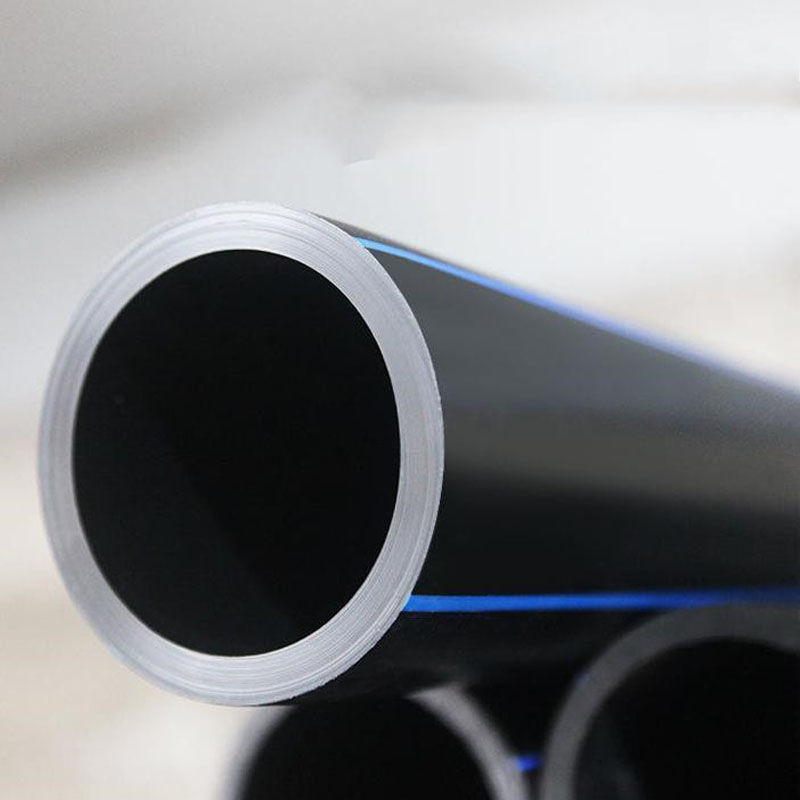
Polyvinyl Chloride (PVC) pipe, specifically 20mm diameter schedule 40, represents a ubiquitous solution in fluid conveyance across numerous industrial, agricultural, and infrastructural applications. Often referred to simply as PVC pipe, it functions as a cost-effective and chemically inert medium for transporting water, wastewater, chemicals, and gases. Its position within the broader piping industry chain is as a primary competitor to metallic piping systems (steel, copper, stainless steel), concrete, and HDPE, gaining prominence due to lower material costs, ease of installation, and resistance to corrosion. Core performance characteristics revolve around pressure capacity, tensile strength, chemical resistance, and long-term durability – aspects critically evaluated by procurement engineers and project managers. This guide provides an in-depth technical analysis of discount 20mm PVC pipe, focusing on material properties, manufacturing processes, performance metrics, potential failure modes, and applicable industry standards.
Material Science & Manufacturing
The primary raw material for 20mm PVC pipe is Polyvinyl Chloride, a thermoplastic polymer produced through the polymerization of vinyl chloride monomer (VCM). PVC is inherently rigid, therefore plasticizers – typically phthalates (e.g., DINP, DIDP) or alternatives like DOTP – are incorporated during compounding to impart flexibility. Other essential additives include heat stabilizers (e.g., calcium-zinc stabilizers, lead-based stabilizers – though the latter are increasingly restricted due to environmental concerns), lubricants (e.g., stearates), and impact modifiers (e.g., chlorinated polyethylene – CPE). The specific formulation directly impacts the pipe's long-term performance, particularly its resistance to UV degradation and embrittlement.
Manufacturing typically involves extrusion. PVC compound is fed into a single-screw or twin-screw extruder, where it is heated and homogenized. The molten PVC is then forced through a die of 20mm internal diameter and desired wall thickness (schedule 40 is standard). Critical parameters during extrusion include barrel temperature profiles (optimized to avoid degradation), screw speed (controlling output rate and melt quality), and die pressure (influencing dimensional accuracy). Post-extrusion, the pipe is cooled in a water bath to solidify the PVC. Subsequent cutting to desired lengths, socketing/threading (if applicable), and quality control inspections complete the process. Dimensional tolerances are governed by ASTM D1785, and hydrostatic pressure testing is performed to verify burst strength according to ASTM D1595. The consistency of these parameters directly correlates to the pipe's structural integrity and long-term reliability.
Performance & Engineering
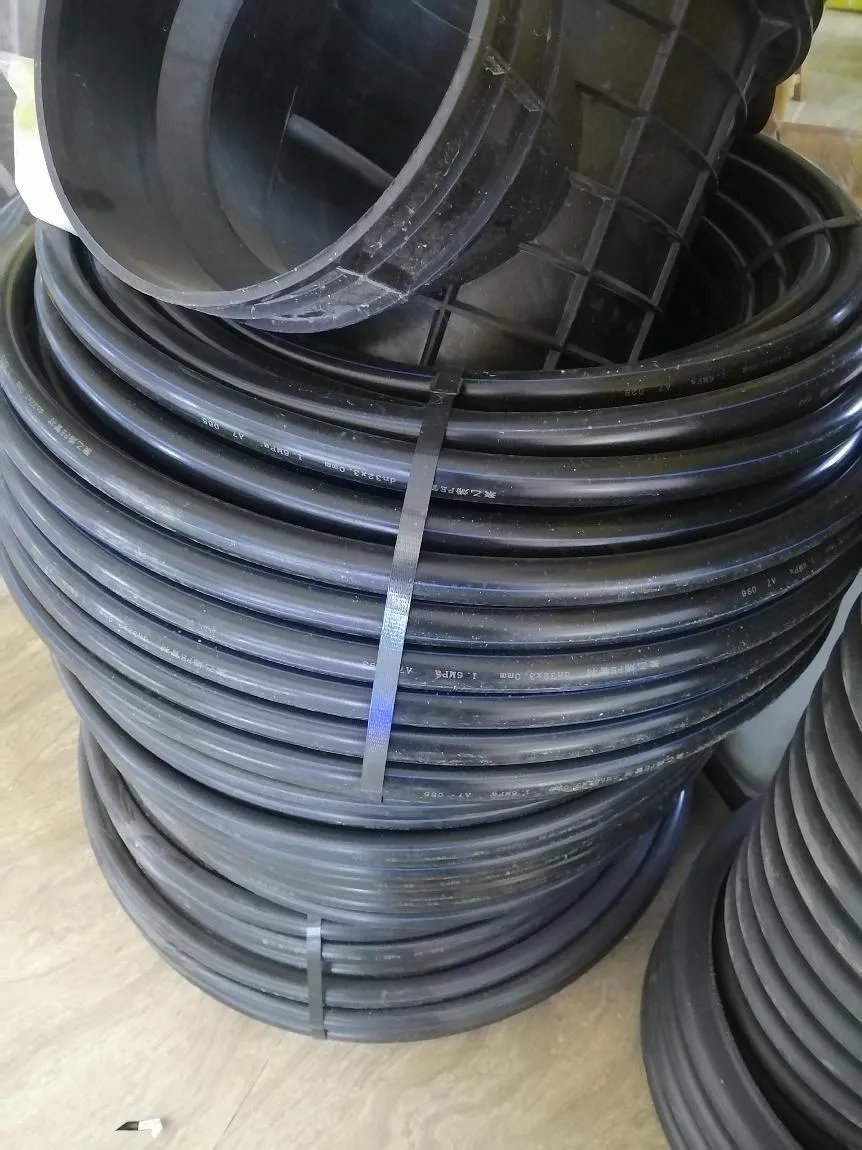
The performance of 20mm PVC pipe is fundamentally governed by its ability to withstand internal pressure and external loads. Hoop stress analysis, based on Barlow's formula (S = PD/2t, where S = hoop stress, P = internal pressure, D = diameter, t = wall thickness), dictates the maximum allowable operating pressure. Schedule 40 PVC pipe, by definition, has a specific wall thickness designed to meet standardized pressure ratings. Beyond hydrostatic pressure, engineers must consider soil load (for buried applications), impact resistance (from accidental damage), and thermal expansion/contraction. PVC has a relatively high coefficient of thermal expansion (approximately 8 x 10⁻⁵ per °C), necessitating expansion joints or allowances in longer runs to prevent stress cracking.
Chemical resistance is a key advantage of PVC. It exhibits excellent resistance to acids, alkalis, salts, and many organic compounds. However, it is susceptible to degradation by certain solvents (e.g., ketones, aromatic hydrocarbons) and prolonged exposure to UV radiation. For outdoor applications, UV stabilizers are crucial to prevent embrittlement. Compliance requirements vary by region and application, often adhering to local plumbing codes (e.g., UPC, IPC) and industry-specific standards for potable water systems (e.g., NSF/ANSI 61). The long-term creep resistance of PVC, particularly under sustained pressure, is a critical design consideration, often requiring derating of pressure ratings over time and temperature.
Technical Specifications
| Parameter | Unit | Value (Typical) | Test Standard |
|---|---|---|---|
| Nominal Pipe Size | mm | 20 | ISO 1452 |
| Schedule | - | 40 | ASTM D1785 |
| Outside Diameter | mm | 21.3 | ASTM D1785 |
| Wall Thickness | mm | 2.0 | ASTM D1785 |
| Pressure Rating (Hydrostatic) | MPa | 1.0 | ASTM D1595 |
| Tensile Strength | MPa | 55 | ASTM D638 |
| Impact Strength (Izod Notched) | kJ/m2 | 5 | ASTM D256 |
Failure Mode & Maintenance
Common failure modes in 20mm PVC pipe include: Brittle Fracture – often caused by impact damage, particularly at low temperatures, or excessive stress concentration around fittings. Stress Cracking – initiated by sustained tensile stress in conjunction with aggressive chemicals or UV exposure. Environmental Stress Cracking (ESC) is a major concern. UV Degradation – leading to embrittlement and loss of impact resistance in outdoor applications. Deformation – resulting from exceeding the pipe’s temperature limits or prolonged exposure to high internal pressure causing creep. Joint Failure – occurring at solvent-welded or threaded connections due to improper installation or material incompatibility. Microbial Influenced Corrosion (MIC) – though less common in PVC than metals, biofilms can contribute to degradation in specific environments.
Preventive maintenance involves regular visual inspections for cracks, leaks, and signs of degradation. Protection from direct sunlight with coatings or burial is crucial. Proper installation practices – including appropriate solvent welding techniques, use of compatible fittings, and adequate support – are essential. Pressure testing should be conducted periodically to identify potential leaks. When repairs are necessary, damaged sections should be replaced entirely rather than attempting patching. Avoid exposing PVC pipe to chemicals known to cause degradation. Regular cleaning to remove biofilm build-up can mitigate MIC risks in specific applications.
Industry FAQ
Q: What is the long-term pressure derating factor for discount 20mm PVC pipe, and how does temperature affect this?
A: A typical long-term pressure derating factor for PVC pipe is around 0.8 for continuous service at 23°C (73°F). However, this factor decreases significantly with increasing temperature. At 40°C (104°F), the derating factor can drop to 0.5 or lower. These factors account for creep and potential long-term degradation. Always consult the manufacturer’s specifications and relevant standards (e.g., ASTM D3212) for precise derating values at specific operating temperatures.
Q: How does the choice of plasticizer affect the flexibility and durability of the PVC pipe?
A: The type of plasticizer significantly impacts the pipe's flexibility, low-temperature performance, and long-term durability. Phthalate plasticizers (DINP, DIDP) were historically common but are facing increased regulatory scrutiny due to health concerns. Alternatives like DOTP offer improved safety profiles but may have slightly different physical properties. Migration of plasticizers over time can lead to embrittlement, so the plasticizer’s volatility and compatibility with PVC are critical considerations.
Q: What is the impact of soil corrosivity on the lifespan of buried 20mm PVC pipe?
A: While PVC is inherently corrosion-resistant, highly corrosive soils can accelerate degradation. Factors like pH levels, sulfate content, and the presence of stray electrical currents can contribute to chemical attack and reduce the pipe’s lifespan. Using a protective bedding material (sand or gravel) around the pipe and employing cathodic protection (in areas with significant stray currents) can mitigate these effects.
Q: Can discount 20mm PVC pipe be used in potable water systems, and what certifications are required?
A: Yes, provided the PVC compound meets the requirements of NSF/ANSI 61 for potable water contact. This standard ensures that the materials do not leach harmful contaminants into the water. Look for NSF certification markings on the pipe to verify compliance. Additionally, local plumbing codes often have specific requirements for materials used in potable water systems.
Q: What are the best practices for solvent welding 20mm PVC pipe to ensure a leak-proof joint?
A: Proper solvent welding is critical. Surfaces must be clean, dry, and free of contaminants. Use a primer specifically designed for PVC, applying it evenly to both the pipe and fitting. Apply PVC cement generously, ensuring complete coverage. Immediately join the parts with a slight twisting motion to distribute the cement. Hold firmly for 30 seconds to allow the solvent to set. Avoid excessive cement, as it can weaken the joint. Always allow adequate curing time before pressure testing.
Conclusion
Discount 20mm PVC pipe provides a viable and cost-effective solution for a wide range of fluid conveyance applications, leveraging its inherent chemical resistance and ease of installation. However, a thorough understanding of its material properties, manufacturing nuances, and potential failure modes is paramount for ensuring long-term performance and reliability. The careful selection of appropriate plasticizers, adherence to standardized installation practices, and consideration of environmental factors – particularly UV exposure and soil corrosivity – are vital for maximizing its service life.
Future developments in PVC technology are focused on enhancing its durability through improved formulations, incorporating bio-based plasticizers, and optimizing manufacturing processes to reduce environmental impact. Continued adherence to evolving industry standards and a proactive approach to maintenance will remain crucial for effectively utilizing this versatile material in diverse engineering applications. The selection process should be informed by a comprehensive life-cycle cost analysis, factoring in not only initial purchase price, but also long-term maintenance and replacement costs.
-
DN25 HDPE Compression Fitting-HORON INTERNATIONAL|Reliable Irrigation Solutions
NewsFeb.11,2026
-
hdpe coupling joint product Manufacturing Analysis
News2026-11-18
-
ppr pipe heating time products Performance Analysis
News2026-11-16
-
hdpe pipe sizes factory Performance Analysis
News2026-11-09
-
HDPE Pipe Sizes Service Performance Analysis
News2026-10-26
-
wholesale 15mm ppr pipe Material Science and Performance Analysis
News2026-10-20
-
wholesale pvc pipe price per foot Technical Analysis
News2026-09-21
-
wholesale long pvc pipe Technical Analysis and Manufacturing Specifications
News2026-09-15
-
wholesale plumbing kitchen sink water lines Material Performance
News2026-09-15
-
wholesale hdpe drip irrigation Material Science
News2026-09-15
-
wholesale hot water ppr pipe Performance Analysis
News2026-09-15
-
wholesale ppr plumbing Performance Analysis
News2026-09-15
-
wholesale ppr pipe supplier Performance Analysis
News2026-09-13
-
wholesale 50mm ppr pipe Performance Analysis
News2026-09-13
-
wholesale hdpe drip pipe Performance Analysis
News2026-09-13
-
wholesale hdpe pipe 63mm price Manufacturing Specification and Performance Analysis
News2026-09-13