

Feb . 11, 2026 00:01 Back to list
discount 2 ppr pipe Material Performance
Introduction
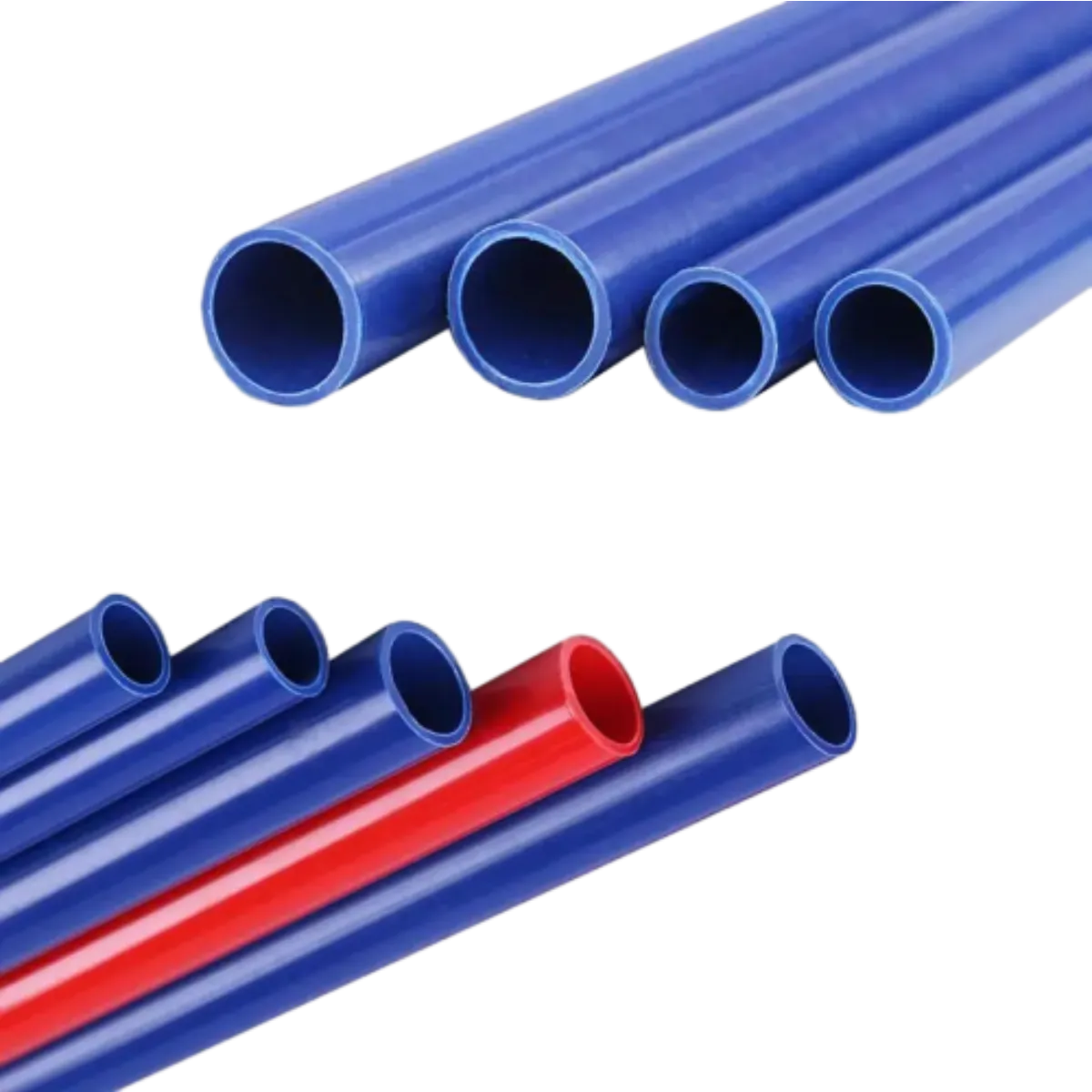
Polypropylene Random (PPR) pipe, specifically ‘discount 2 PPR pipe’ as referenced, represents a significant advancement in fluid conveyance systems within building infrastructure and industrial applications. Positioned within the broader polymer piping industry, PPR offers a cost-effective alternative to traditional metallic piping, particularly copper and galvanized steel, while delivering comparable, and in some cases superior, performance characteristics. This guide provides an in-depth technical overview of discount 2 PPR pipe, covering its material composition, manufacturing processes, performance parameters, potential failure modes, and relevant industry standards. The “2” designation typically refers to the pipe's pressure rating, indicating its suitability for medium-pressure applications commonly found in potable water distribution, heating systems, and industrial fluid transfer. Core performance attributes include corrosion resistance, thermal stability, low pressure drop, and ease of installation via heat fusion welding, addressing critical pain points related to long-term reliability, maintenance costs, and labor efficiency in fluid handling systems.
Material Science & Manufacturing
The foundational material of discount 2 PPR pipe is polypropylene random copolymer. Polypropylene, a thermoplastic polymer created from the monomer propylene, exhibits excellent chemical resistance and a relatively low density. The ‘random’ copolymerization process involves introducing ethylene monomers into the polypropylene chain, disrupting the polymer's crystallinity. This reduction in crystallinity results in increased impact strength, flexibility, and improved welding characteristics compared to homopolymer polypropylene. Raw material quality is paramount; typically, manufacturers utilize grades conforming to ISO 1043-1, ensuring consistent molecular weight distribution and purity. The manufacturing process commonly employs extrusion. Polypropylene granules are fed into an extruder where they are heated and melted. A precisely engineered die shapes the molten polymer into a seamless pipe. Key parameters during extrusion include temperature control (melt temperature typically between 230-260°C), screw speed, and die pressure. Precise temperature control is crucial to prevent polymer degradation. Following extrusion, the pipe is cooled using a water bath, calibrated to maintain dimensional accuracy (diameter and wall thickness), and then cut to specified lengths. Quality control measures include regular testing of melt flow index (MFI), density, and impact strength to confirm adherence to specifications. Furthermore, hydrotesting at 1.5 times the design pressure is routinely performed to verify pressure resistance.
Performance & Engineering
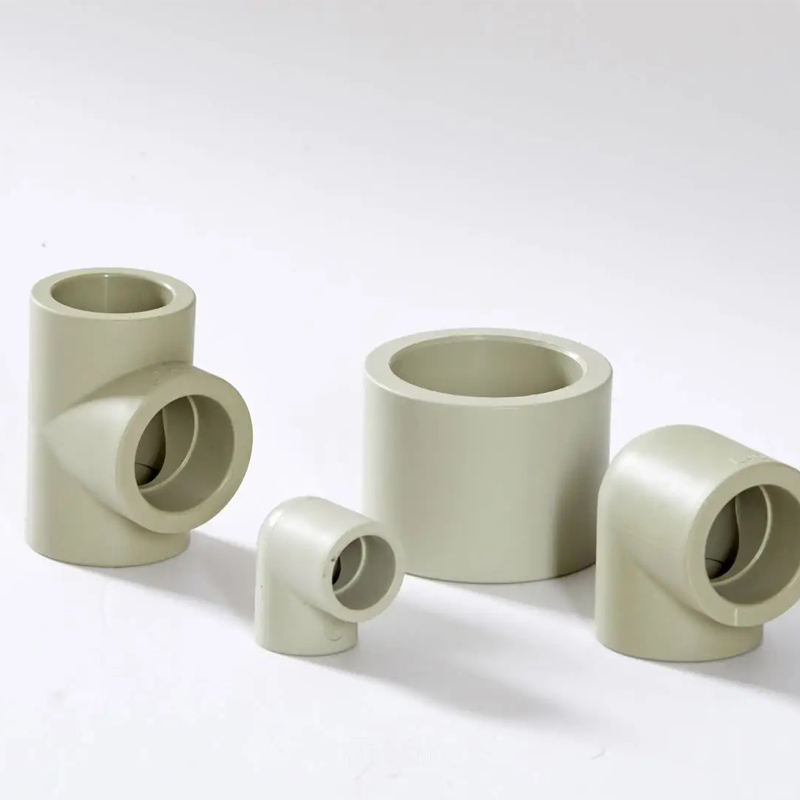
The performance of discount 2 PPR pipe is dictated by its ability to withstand internal hydrostatic pressure, external loads, and thermal stresses. Hydrostatic pressure resistance is determined by a combination of material strength, wall thickness, and pipe diameter, calculated using Barlow’s formula: P = (2 S t) / D, where P is the pressure, S is the allowable stress, t is the wall thickness, and D is the outer diameter. The allowable stress for PPR typically ranges from 10-16 MPa depending on the grade and temperature. Long-term hydrostatic strength (LTS) is a critical consideration, accounting for the gradual reduction in strength due to creep under sustained pressure, typically evaluated at elevated temperatures (e.g., 70°C). Thermal expansion is another important engineering aspect. PPR has a relatively high coefficient of thermal expansion (approximately 0.15 mm/m°C), necessitating the incorporation of expansion loops or flexible connectors in piping systems to accommodate temperature fluctuations and prevent stress cracking at joints. Chemical resistance is excellent to most common fluids, including potable water, dilute acids, and bases. However, prolonged exposure to strong oxidizing agents or aromatic hydrocarbons should be avoided. Compliance requirements vary by region, but generally encompass standards related to material safety (e.g., NSF/ANSI 61 for potable water systems) and pressure testing. Force analysis during installation involves considering bending moments during handling and the stress concentration around fittings. Proper heat fusion welding techniques are essential to ensure joint integrity and minimize stress risers.
Technical Specifications
| Parameter | Unit | Specification (Typical) | Test Method |
|---|---|---|---|
| Nominal Diameter | mm | 20, 25, 32, 40, 50, 63 | ISO 15876 |
| Pressure Rating (PN) | bar | 20 | ISO 15876 |
| Wall Thickness | mm | 2.3, 2.8, 3.5, 4.2 | ISO 15876 |
| Density | g/cm³ | 0.905 – 0.920 | ISO 1183 |
| Melt Flow Index (MFI) | g/10min | 0.5 – 1.0 | ISO 1133 |
| Hydrostatic Pressure Test | bar | ≥30 (1.5 x PN) | ISO 15876 |
| Operating Temperature | °C | -20 to +95 | ISO 15876 |
Failure Mode & Maintenance
Discount 2 PPR pipe, while robust, is susceptible to specific failure modes. Fatigue cracking can occur at fittings or weld joints due to repeated thermal cycling or mechanical stress. This is often initiated by stress concentrations resulting from improper welding technique or poorly fitted components. Chemical attack, though rare, can occur with prolonged exposure to incompatible fluids, leading to material degradation and reduced pressure resistance. Slow Crack Growth (SCG), a form of environmental stress cracking, can be initiated by residual stresses in the pipe material, combined with exposure to certain chemicals or detergents. Oxidation, particularly at elevated temperatures and in the presence of oxygen, can lead to embrittlement and loss of mechanical properties. Delamination can occur if the fusion welding process is inadequate, resulting in poor bonding between pipe sections or at fittings. Maintenance primarily focuses on preventative measures. Regular visual inspections should be conducted to identify any signs of cracking, deformation, or leakage. Welding procedures should be strictly adhered to, including proper temperature control, surface preparation, and weld bead geometry. Avoid exposing the pipe to excessive mechanical stress during installation and operation. If damage is detected, the affected section should be replaced using appropriate heat fusion welding techniques. Periodic pressure testing can verify the integrity of the system and identify potential leaks before they escalate.
Industry FAQ
Q: What is the long-term effect of chlorine in potable water on PPR pipe?
A: While PPR exhibits good resistance to chlorine, prolonged exposure to high concentrations of chlorine can lead to gradual degradation of the polymer, reducing its impact strength and potentially causing micro-cracking. The rate of degradation depends on the chlorine concentration, water temperature, and duration of exposure. Utilizing chlorine levels within regulatory limits and considering stabilized PPR formulations can mitigate this effect.
Q: How does the heat fusion welding process impact the long-term reliability of PPR joints?
A: Proper heat fusion welding is paramount. Incomplete fusion, excessive weld bead size, or improper cooling can introduce residual stresses and create potential failure points. Adhering to recommended welding parameters (temperature, pressure, dwell time) and utilizing qualified welding technicians are essential for achieving robust, leak-proof joints.
Q: What is the acceptable level of deflection for a run of PPR pipe supporting a heavy load?
A: PPR pipe has a limited capacity to withstand bending moments. Excessive deflection can lead to stress cracking and failure. The acceptable deflection is typically limited to a maximum of 1% of the pipe diameter. Adequate support structures should be provided to minimize bending stresses and prevent pipe sagging.
Q: Can PPR pipe be used in direct sunlight applications?
A: Prolonged exposure to ultraviolet (UV) radiation can cause degradation of the PPR polymer, leading to discoloration and loss of mechanical properties. If direct sunlight exposure is unavoidable, it is recommended to use UV-stabilized PPR formulations or protect the pipe with opaque coatings or shielding.
Q: What are the key differences between PPR-C and standard PPR pipe?
A: PPR-C (PPR-chlorinated) pipe has undergone a chlorination process that enhances its resistance to chlorine and high temperatures, making it suitable for hot water applications. Standard PPR pipe is generally more appropriate for cold water and lower-temperature applications. PPR-C also exhibits improved flame retardancy.
Conclusion
Discount 2 PPR pipe presents a viable and cost-effective solution for a wide range of fluid conveyance applications. Its inherent corrosion resistance, ease of installation, and reasonable thermal stability contribute to its widespread adoption. However, successful implementation hinges on a thorough understanding of its material properties, manufacturing nuances, and potential failure modes. Maintaining strict adherence to proper installation techniques, particularly heat fusion welding, and addressing potential concerns regarding UV exposure and chemical compatibility are vital for ensuring long-term system reliability and performance.
Future advancements in PPR technology will likely focus on enhanced UV stabilization, improved resistance to SCG, and the development of more sophisticated welding techniques. Continued research into novel copolymer formulations and the incorporation of nano-additives may further improve the mechanical properties and durability of PPR pipe, expanding its application scope within demanding industrial environments. A proactive approach to maintenance and regular inspection programs are fundamental to maximizing the lifespan and ensuring the integrity of PPR piping systems.
-
DN25 HDPE Compression Fitting-HORON INTERNATIONAL|Reliable Irrigation Solutions
NewsFeb.11,2026
-
hdpe coupling joint product Manufacturing Analysis
News2026-11-18
-
ppr pipe heating time products Performance Analysis
News2026-11-16
-
hdpe pipe sizes factory Performance Analysis
News2026-11-09
-
HDPE Pipe Sizes Service Performance Analysis
News2026-10-26
-
wholesale 15mm ppr pipe Material Science and Performance Analysis
News2026-10-20
-
wholesale pvc pipe price per foot Technical Analysis
News2026-09-21
-
wholesale long pvc pipe Technical Analysis and Manufacturing Specifications
News2026-09-15
-
wholesale plumbing kitchen sink water lines Material Performance
News2026-09-15
-
wholesale hdpe drip irrigation Material Science
News2026-09-15
-
wholesale hot water ppr pipe Performance Analysis
News2026-09-15
-
wholesale ppr plumbing Performance Analysis
News2026-09-15
-
wholesale ppr pipe supplier Performance Analysis
News2026-09-13
-
wholesale 50mm ppr pipe Performance Analysis
News2026-09-13
-
wholesale hdpe drip pipe Performance Analysis
News2026-09-13
-
wholesale hdpe pipe 63mm price Manufacturing Specification and Performance Analysis
News2026-09-13