

Feb . 11, 2026 00:01 Back to list
discount 2 hdpe to pvc coupling Performance Analysis
Introduction
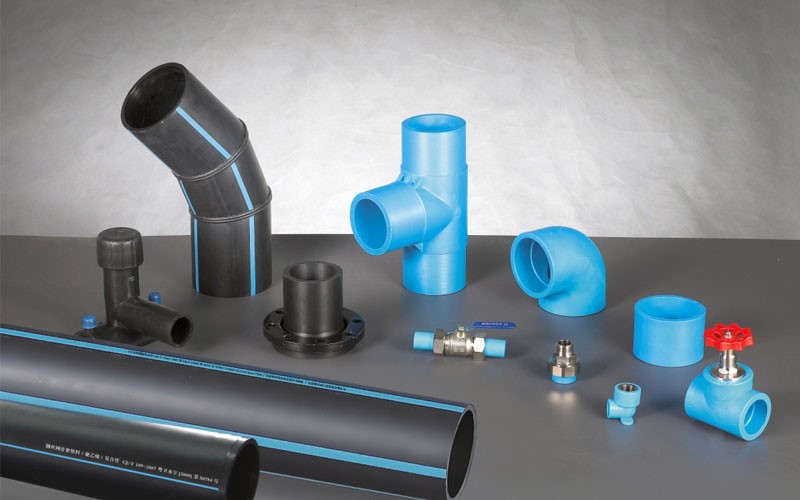
The 2” HDPE to PVC coupling is a critical component in fluid transfer systems, bridging the connection between High-Density Polyethylene (HDPE) and Polyvinyl Chloride (PVC) piping. This coupling facilitates joining two dissimilar materials, each offering distinct advantages in specific application scenarios. HDPE provides excellent chemical resistance and flexibility, while PVC delivers rigidity and cost-effectiveness. The coupling's primary function is to maintain a leak-proof seal under specified pressure and temperature conditions, ensuring system integrity. Its relevance spans across various industries, including irrigation, wastewater management, chemical processing, and potable water distribution. The core performance characteristics revolve around pressure rating, chemical compatibility, sealing efficiency, and long-term durability, with key pain points for industry professionals being leakage prevention, corrosion resistance in specific environments, and maintaining consistent flow rates. Cost optimization, while a factor, cannot compromise these primary performance metrics.
Material Science & Manufacturing
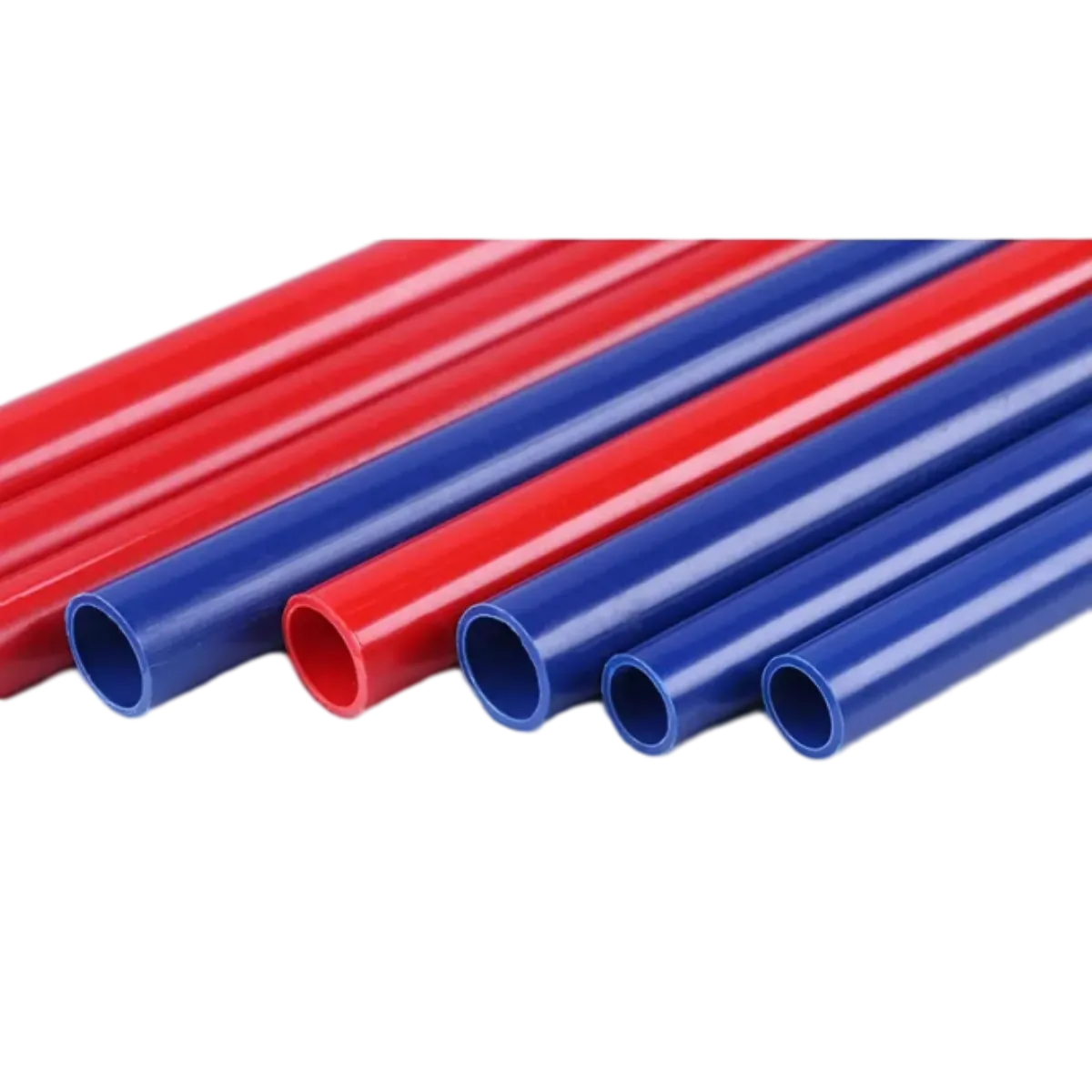
The constituent materials dictate the coupling’s performance envelope. HDPE, a thermoplastic polymer derived from petroleum, exhibits high tensile strength (typically 30-40 MPa), low density (0.95-0.97 g/cm³), and exceptional chemical inertness. PVC, also a thermoplastic, offers a higher rigidity and strength, with tensile strength ranging from 50-70 MPa, and a density of 1.4 g/cm³. The coupling body is typically manufactured via injection molding for both HDPE and PVC sections. This process requires precise temperature control (HDPE: 200-280°C, PVC: 160-200°C) and mold design to ensure dimensional accuracy and minimize residual stress. The sealing mechanism usually employs a rubber gasket (typically EPDM or nitrile rubber) chosen for its compatibility with the conveyed fluids and temperature range. The gasket’s hardness (Shore A 60-70) and compression set are critical parameters. A critical manufacturing step is surface preparation before gasket integration, often involving corona treatment to improve adhesion. Quality control focuses on dimensional verification (using coordinate measuring machines – CMM), hydrostatic pressure testing, and material composition analysis (via Fourier-Transform Infrared Spectroscopy – FTIR) to ensure compliance with standards. Process parameters such as injection pressure, cooling rate, and cycle time significantly impact the final product’s mechanical properties and potential for defects like voids or warping.
Performance & Engineering
The performance of the 2” HDPE to PVC coupling is heavily influenced by stress analysis at the joint. Internal pressure creates hoop stress in both the HDPE and PVC sections, requiring adequate wall thickness to prevent burst failure. External loads, such as those from pipe weight or soil pressure, induce bending stress. Finite Element Analysis (FEA) is crucial for optimizing the coupling's geometry and material distribution to minimize stress concentrations. The gasket’s performance is paramount to maintaining a leak-proof seal. Its compression under bolt load (if applicable) or interference fit must be sufficient to overcome the fluid pressure and temperature fluctuations. Chemical resistance is another key consideration. Exposure to aggressive chemicals can cause degradation of the HDPE, PVC, or gasket material, leading to leakage or failure. Compatibility charts are used to verify material suitability. Environmental factors like UV radiation (for above-ground applications) and soil corrosivity must also be addressed. Compliance with industry standards (discussed in the footer) dictates minimum performance requirements for pressure rating, leak tightness, and material durability. Furthermore, thermal expansion differences between HDPE and PVC must be accounted for during installation to prevent stress buildup and potential joint failure. A properly engineered coupling will incorporate features to accommodate these differential expansions.
Technical Specifications
| Parameter | HDPE Section | PVC Section | Gasket Material |
|---|---|---|---|
| Nominal Diameter | 2 inches (50.8 mm) | 2 inches (50.8 mm) | 2 inches (50.8 mm) Inner Diameter |
| Pressure Rating | Up to 150 PSI (10.3 bar) | Up to 100 PSI (6.9 bar) | Dependent on Coupling Design |
| Material | HDPE, PE100 | PVC, Schedule 40 | EPDM or Nitrile Rubber |
| Temperature Range | -40°C to 60°C | 0°C to 60°C | -30°C to 120°C (EPDM) / -20°C to 100°C (Nitrile) |
| Wall Thickness | 3.7 mm | 3.2 mm | 5 mm |
| Chemical Resistance | Excellent to most acids & bases | Good to many chemicals, limited to aromatics | Excellent to water, moderate to oils |
Failure Mode & Maintenance
Common failure modes for this coupling include gasket degradation (leading to leakage), cracking due to stress corrosion (particularly in PVC sections exposed to chlorinated water or specific chemicals), and joint separation due to thermal expansion/contraction cycles. Fatigue cracking can occur in the HDPE section under repeated stress, especially at points of geometric discontinuity. Oxidation of HDPE, though slow, can reduce its long-term strength and flexibility. Failure analysis often involves visual inspection for cracks, dimensional checks for distortion, and material testing (e.g., tensile strength testing, FTIR) to identify the root cause. Maintenance primarily focuses on preventative measures. Regular visual inspections should be conducted to identify signs of leakage, cracking, or material degradation. Ensure proper installation, avoiding over-tightening or under-tightening of connections. For systems conveying abrasive fluids, consider using couplings with abrasion-resistant liners. If a leak is detected, the gasket should be replaced immediately. If cracking is observed, the entire coupling should be replaced. Periodic pressure testing can help identify potential weaknesses before catastrophic failure occurs. Proper storage of couplings before installation is also crucial to prevent environmental degradation.
Industry FAQ
Q: What is the impact of differing thermal expansion coefficients between HDPE and PVC on the long-term integrity of the coupling?
A: The significantly different thermal expansion rates (HDPE ~10⁻⁴ /°C, PVC ~8 x 10⁻⁶ /°C) induce stress at the joint during temperature fluctuations. This can lead to gasket compression loss, joint separation, or even cracking. Coupling designs often incorporate a flexible sleeve or expansion joint to accommodate this differential movement, minimizing stress buildup. Proper installation, allowing for some axial play, is also critical.
Q: Can this coupling be used with potable water systems, and what certifications are required?
A: Yes, provided the HDPE and PVC materials used meet relevant potable water standards (e.g., NSF/ANSI 61). The gasket material must also be approved for potable water contact. Certifications such as NSF International certification are commonly required to demonstrate compliance.
Q: What is the expected service life of the coupling under typical operating conditions (e.g., irrigation)?
A: Under normal irrigation conditions (moderate temperature, non-aggressive chemicals), the coupling can be expected to last 10-20 years, depending on UV exposure (if above ground) and soil conditions. Regular inspections and preventative maintenance will significantly extend the service life.
Q: What is the effect of prolonged exposure to UV radiation on the HDPE section of the coupling?
A: Prolonged UV exposure can cause degradation of the HDPE, leading to embrittlement and reduced tensile strength. UV stabilizers are often added to HDPE formulations to mitigate this effect. For above-ground applications, it is recommended to use HDPE with UV inhibitors or to provide shielding from direct sunlight.
Q: How does the chemical composition of the conveyed fluid impact the selection of the gasket material?
A: The gasket material must be chemically compatible with the conveyed fluid. EPDM offers broad chemical resistance, but nitrile rubber is often preferred for oil-based fluids. Compatibility charts should be consulted to ensure the gasket will not swell, degrade, or lose its sealing properties upon exposure to the fluid.
Conclusion
The 2” HDPE to PVC coupling represents a versatile solution for joining dissimilar piping systems, offering a balance of performance, cost-effectiveness, and ease of installation. Its effectiveness hinges on careful material selection, precise manufacturing processes, and a thorough understanding of the application's operating conditions. Failure to address factors such as thermal expansion, chemical compatibility, and UV degradation can lead to premature failure and system downtime.
Looking forward, advancements in polymer technology and gasket materials are expected to further enhance the performance and longevity of these couplings. The integration of smart monitoring systems, capable of detecting early signs of gasket leakage or stress buildup, could also play a crucial role in proactive maintenance and extending service life. Continued adherence to stringent industry standards is essential to ensure the reliability and safety of these critical components in fluid transfer infrastructure.
-
DN25 HDPE Compression Fitting-HORON INTERNATIONAL|Reliable Irrigation Solutions
NewsFeb.11,2026
-
hdpe coupling joint product Manufacturing Analysis
News2026-11-18
-
ppr pipe heating time products Performance Analysis
News2026-11-16
-
hdpe pipe sizes factory Performance Analysis
News2026-11-09
-
HDPE Pipe Sizes Service Performance Analysis
News2026-10-26
-
wholesale 15mm ppr pipe Material Science and Performance Analysis
News2026-10-20
-
wholesale pvc pipe price per foot Technical Analysis
News2026-09-21
-
wholesale long pvc pipe Technical Analysis and Manufacturing Specifications
News2026-09-15
-
wholesale plumbing kitchen sink water lines Material Performance
News2026-09-15
-
wholesale hdpe drip irrigation Material Science
News2026-09-15
-
wholesale hot water ppr pipe Performance Analysis
News2026-09-15
-
wholesale ppr plumbing Performance Analysis
News2026-09-15
-
wholesale ppr pipe supplier Performance Analysis
News2026-09-13
-
wholesale 50mm ppr pipe Performance Analysis
News2026-09-13
-
wholesale hdpe drip pipe Performance Analysis
News2026-09-13
-
wholesale hdpe pipe 63mm price Manufacturing Specification and Performance Analysis
News2026-09-13