

Feb . 11, 2026 00:01 Back to list
discount 2.5 pvc pipe Performance Analysis

Introduction
Polyvinyl Chloride (PVC) pipe, specifically discount 2.5-inch Schedule 40 PVC pipe, represents a ubiquitous material within fluid conveyance systems across diverse industries. Its application spans irrigation, potable water distribution, drainage, venting, and various industrial processes. Positioned within the broader polymer piping industry, 2.5-inch PVC competes with materials like HDPE, CPVC, and metal piping (steel, copper). Core performance characteristics include its chemical inertness, high flow capacity due to smooth internal surfaces, and cost-effectiveness. This guide provides an in-depth technical analysis of 2.5-inch PVC pipe, addressing material science, manufacturing processes, performance parameters, failure modes, and relevant industry standards. The "discount" designation implies a price point focused on competitive affordability, potentially affecting resin grade or manufacturing tolerances compared to premium PVC formulations.
Material Science & Manufacturing
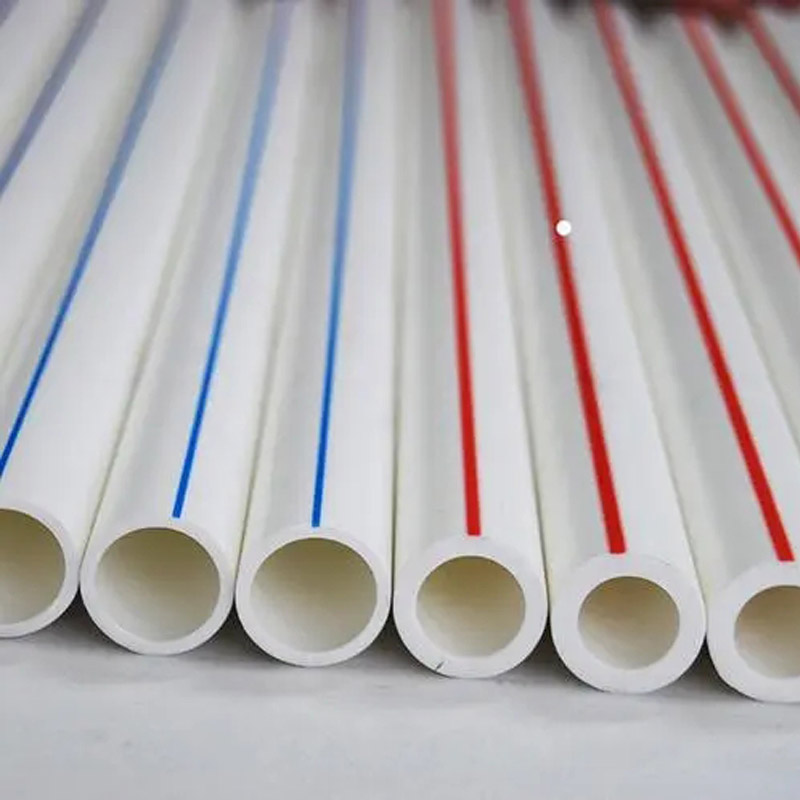
The fundamental raw material for 2.5-inch PVC pipe is Polyvinyl Chloride, a thermoplastic polymer produced via the polymerization of vinyl chloride monomer (VCM). The resin typically includes additives such as stabilizers (e.g., tin stabilizers, calcium-zinc stabilizers) to prevent degradation during processing and UV exposure, plasticizers (often phthalates or alternatives) to enhance flexibility, lubricants to facilitate processing, and impact modifiers to improve toughness. The Schedule 40 designation dictates the pipe wall thickness relative to its nominal diameter, crucial for pressure-bearing capacity. Manufacturing typically employs extrusion processes. PVC resin, along with additives, is fed into a hopper and plasticized by heat and shear within an extruder. The molten PVC is then forced through a die to form the pipe’s cylindrical shape. Critical parameters include die temperature (180-210°C), extrusion speed, and cooling rates. Improper cooling can lead to warping or residual stress. Subsequent processes include bell-end forming (for solvent welding) or threading (for mechanical joining), and quality control checks for dimensional accuracy and material consistency. The choice of stabilizer formulation is critical; tin stabilizers offer superior clarity and heat stability but raise environmental concerns, driving the adoption of calcium-zinc stabilizers despite potentially lower processing performance. The grade of PVC resin impacts the pipe’s long-term hydrostatic strength (LTHS) and resistance to chemical attack.
Performance & Engineering
Performance of 2.5-inch PVC pipe is governed by several engineering principles. Hydrostatic strength, the ability to withstand internal pressure, is directly related to wall thickness and material properties (yield strength, tensile strength). Schedule 40 pipe, with its specific wall thickness, is rated for specific pressure applications, typically up to several hundred PSI depending on temperature. Force analysis must consider both internal hydrostatic pressure and external loads (soil loading, traffic loads if buried). PVC exhibits creep behavior – a time-dependent deformation under sustained load. Therefore, long-term performance must be assessed considering creep rupture strength. Environmental resistance is a key factor. PVC is generally resistant to acids and bases, but prolonged exposure to certain solvents (e.g., ketones, esters) can cause swelling and degradation. UV exposure can lead to embrittlement, necessitating UV stabilizers in the formulation, or burial to mitigate exposure. Compliance requirements vary by region and application. For potable water, NSF/ANSI 61 certification is mandatory, ensuring the material doesn’t leach harmful contaminants. Drainage and venting applications require compliance with local plumbing codes. The pipe’s coefficient of thermal expansion (approximately 8 x 10⁻⁵ /°C) must be considered during installation, particularly in long runs, to prevent stress buildup due to temperature fluctuations.
Technical Specifications
| Parameter | Unit | Typical Value (Schedule 40, 2.5”) | Testing Standard |
|---|---|---|---|
| Nominal Pipe Size | inches | 2.5 | ASTM D1785 |
| Outside Diameter | inches | 2.670 | ASTM D1785 |
| Wall Thickness | inches | 0.154 | ASTM D1785 |
| Pressure Rating (at 73°F) | PSI | 380 | ASTM D1785 |
| Long Term Hydrostatic Strength (LTHS) | PSI | 240 | ASTM D1785 |
| Density | g/cm3 | 1.40 | ASTM D792 |
| Tensile Strength | PSI | 6,000 | ASTM D638 |
Failure Mode & Maintenance
Several failure modes can affect 2.5-inch PVC pipe. Brittle fracture, particularly at low temperatures or due to impact, is a common concern. Cracking can initiate at stress concentrators (e.g., threaded connections, bell-end joints). Chemical attack, while generally resistant, can occur with prolonged exposure to incompatible solvents, leading to swelling, softening, and eventual failure. UV degradation causes embrittlement, reducing impact resistance. Joint failure, specifically at solvent-welded joints, can occur due to improper solvent application, inadequate curing time, or contamination. Creep rupture, as previously mentioned, can lead to long-term failure under sustained load. Maintenance primarily involves visual inspection for cracks, leaks, or signs of degradation. Regular cleaning to remove debris can prevent blockage. For buried pipe, proper bedding and backfill are crucial to prevent stress concentration. If cracks are detected, repair options include cutting out the damaged section and replacing it with a new piece of pipe and appropriate couplings. For minor leaks at joints, epoxy-based sealants can provide a temporary fix. Preventative maintenance includes protecting exposed pipe from UV radiation and avoiding exposure to incompatible chemicals.
Industry FAQ
Q: What is the impact of using a lower-cost PVC resin on the long-term performance of 2.5-inch Schedule 40 pipe?
A: Utilizing a lower-cost PVC resin typically involves compromises in polymer chain length and the concentration of impact modifiers and UV stabilizers. This can translate to reduced LTHS, increased susceptibility to brittle fracture at lower temperatures, and accelerated degradation upon UV exposure. While initial performance might meet specifications, the pipe's lifespan and ability to withstand long-term stress are significantly diminished, increasing the risk of premature failure.
Q: How does soil composition affect the service life of buried 2.5-inch PVC pipe?
A: Soil composition significantly influences pipe performance. Corrosive soils (high acidity or alkalinity) can chemically attack the PVC over time, albeit slowly. Poorly compacted backfill can lead to uneven loading and stress concentration, increasing the risk of cracking. Aggressive granular materials (sharp rocks or gravel) can cause abrasion and damage to the pipe's outer surface. Proper bedding and backfill procedures, utilizing appropriate materials, are critical to ensure long-term integrity.
Q: What are the key considerations when solvent welding 2.5-inch PVC pipe, particularly concerning temperature and humidity?
A: Temperature and humidity critically affect solvent welding. Low temperatures (below 40°F) can increase the viscosity of the solvent cement, hindering proper flow and fusion. High humidity can dilute the solvent, reducing its effectiveness. Optimal temperature range is typically between 60-90°F. Ensure surfaces are clean, dry, and free of contaminants. Adequate ventilation is essential due to solvent fumes. Follow the solvent manufacturer’s recommendations for application procedures and curing times.
Q: Can 2.5-inch PVC pipe be used in direct sunlight applications without any protective measures?
A: Prolonged direct sunlight exposure will lead to UV degradation and embrittlement of PVC. While some PVC formulations contain UV stabilizers, their effectiveness is limited over extended periods. For applications requiring long-term sunlight exposure, it is essential to use UV-resistant PVC pipe specifically formulated for outdoor use, or to shield the pipe with paint, coatings, or physical barriers.
Q: What is the difference between Schedule 40 and Schedule 80 PVC pipe, and when would Schedule 80 be preferred for a 2.5-inch application?
A: Schedule 80 PVC pipe has a thicker wall than Schedule 40, resulting in a higher pressure rating and greater structural rigidity. Schedule 80 is preferred when higher pressure requirements are present, or when increased resistance to impact or external loads is needed. For example, in industrial applications with fluctuating pressures or in locations prone to mechanical damage, Schedule 80 provides an added margin of safety.
Conclusion
2.5-inch Schedule 40 PVC pipe remains a cost-effective and versatile solution for numerous fluid conveyance applications. Its performance, however, is inextricably linked to material selection, manufacturing quality, installation procedures, and environmental conditions. Understanding the fundamental material science, potential failure modes, and relevant industry standards is paramount for ensuring long-term reliability and preventing premature failure. The "discount" designation warrants careful consideration of potential compromises in resin quality or manufacturing tolerances.
Future development in PVC technology focuses on sustainable formulations, incorporating bio-based plasticizers and recyclable materials, and improving UV resistance through advanced stabilizer technologies. Continued research into creep behavior and the long-term effects of chemical exposure will further refine design parameters and extend the service life of PVC piping systems. Adherence to stringent quality control measures and proper installation practices remain the cornerstones of a successful and durable PVC piping solution.
-
DN25 HDPE Compression Fitting-HORON INTERNATIONAL|Reliable Irrigation Solutions
NewsFeb.11,2026
-
hdpe coupling joint product Manufacturing Analysis
News2026-11-18
-
ppr pipe heating time products Performance Analysis
News2026-11-16
-
hdpe pipe sizes factory Performance Analysis
News2026-11-09
-
HDPE Pipe Sizes Service Performance Analysis
News2026-10-26
-
wholesale 15mm ppr pipe Material Science and Performance Analysis
News2026-10-20
-
wholesale pvc pipe price per foot Technical Analysis
News2026-09-21
-
wholesale long pvc pipe Technical Analysis and Manufacturing Specifications
News2026-09-15
-
wholesale plumbing kitchen sink water lines Material Performance
News2026-09-15
-
wholesale hdpe drip irrigation Material Science
News2026-09-15
-
wholesale hot water ppr pipe Performance Analysis
News2026-09-15
-
wholesale ppr plumbing Performance Analysis
News2026-09-15
-
wholesale ppr pipe supplier Performance Analysis
News2026-09-13
-
wholesale 50mm ppr pipe Performance Analysis
News2026-09-13
-
wholesale hdpe drip pipe Performance Analysis
News2026-09-13
-
wholesale hdpe pipe 63mm price Manufacturing Specification and Performance Analysis
News2026-09-13