

Feb . 11, 2026 00:01 Back to list
discount 2.5 inch pvc pipe Performance Analysis
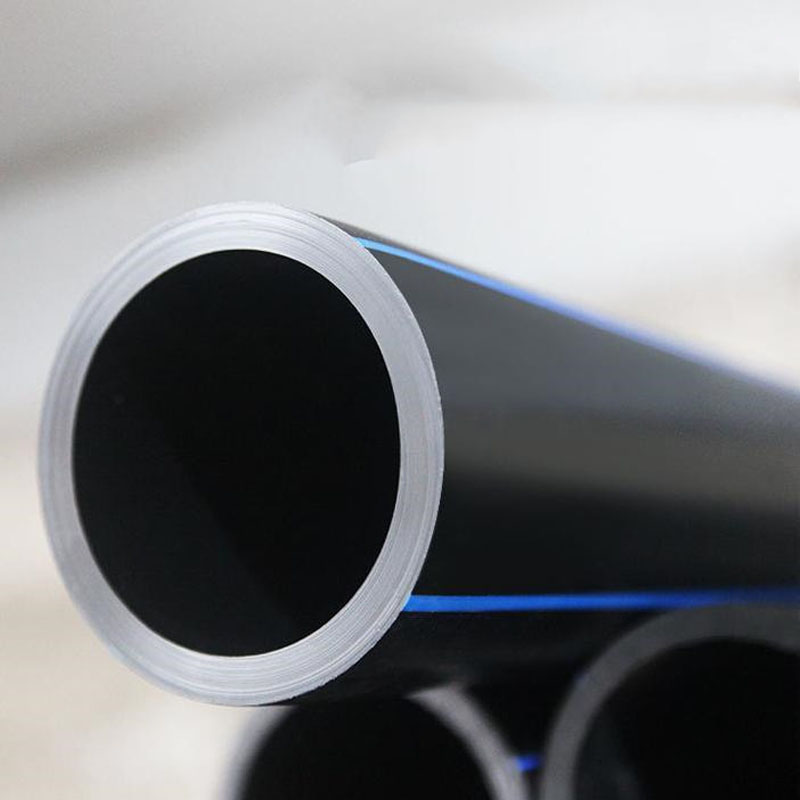
Introduction
Polyvinyl chloride (PVC) Schedule 40 pipe, specifically the 2.5-inch diameter variant frequently marketed as “discount” PVC, represents a fundamental component in fluid conveyance systems across a broad spectrum of industrial, agricultural, and construction applications. Positioned within the broader thermoplastic piping landscape, it serves as a cost-effective alternative to metallic piping, particularly where corrosion resistance is paramount. This technical guide provides an in-depth examination of 2.5-inch PVC pipe, encompassing its material science, manufacturing processes, performance characteristics, potential failure modes, and relevant industry standards. Core performance attributes center around its pressure rating (dependent on temperature and schedule), chemical inertness, and relative ease of installation, making it a popular choice for irrigation, drainage, chemical processing, and potable water distribution—though local regulations regarding potable water applications must be strictly adhered to. The “discount” designation typically implies sourcing from manufacturers employing high-volume production and potentially optimized material formulations to reduce cost, without necessarily compromising compliance with basic ASTM standards. Understanding these nuances is critical for procurement and engineering professionals.
Material Science & Manufacturing
The primary raw material for 2.5-inch PVC pipe is polyvinyl chloride, a synthetic plastic polymer produced through the polymerization of vinyl chloride monomer (VCM). The resulting PVC resin is inherently rigid, necessitating the incorporation of plasticizers – typically phthalates or increasingly, bio-based alternatives – to enhance flexibility and impact resistance. Stabilizers, such as tin-based compounds or calcium-zinc formulations, are crucial to prevent thermal degradation during processing and extend the service life of the pipe. Lubricants, including stearates, facilitate processing and improve surface finish. The Schedule 40 designation refers to the nominal pipe wall thickness, calculated based on a pressure rating formula. Manufacturing typically involves extrusion, where the PVC compound is melted and forced through a die to form a continuous pipe. Key parameters controlling the final product include melt temperature (typically 180-210°C), extrusion speed, die geometry, and cooling rate. Precise control of these parameters is vital to maintain dimensional accuracy (outer diameter and wall thickness), minimize residual stress, and ensure consistent mechanical properties. Post-extrusion, pipes are typically cut to length, marked with relevant information (size, schedule, ASTM standard), and subjected to quality control inspections, including hydrostatic pressure testing to verify pressure integrity. Variations in PVC compound formulations – particularly plasticizer content and stabilizer type – can significantly impact long-term performance, especially UV resistance and susceptibility to chemical attack.
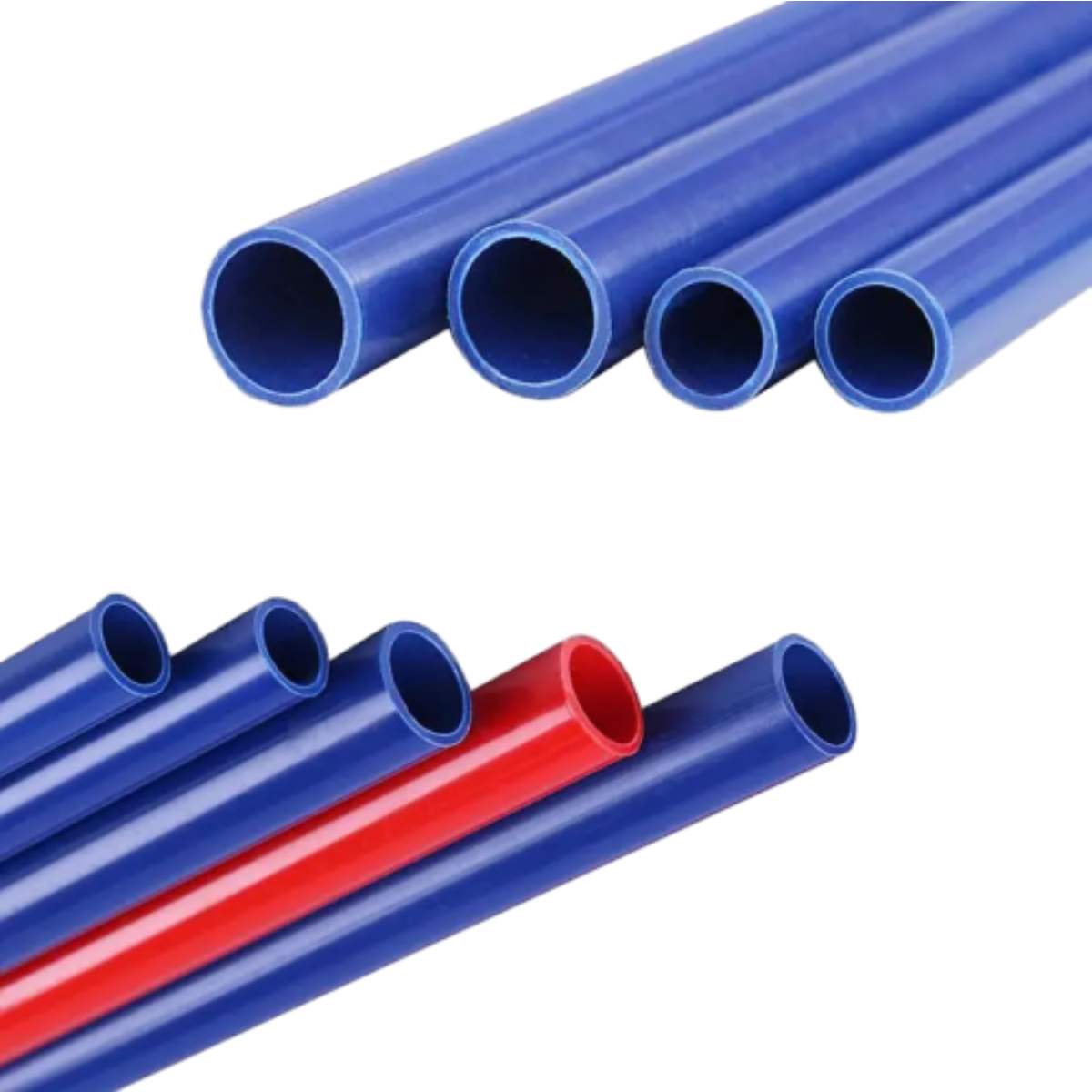
Performance & Engineering
The performance of 2.5-inch PVC pipe is primarily governed by its ability to withstand internal hydrostatic pressure and external loads. Force analysis must account for the hoop stress (tangential stress) developed within the pipe wall due to internal pressure, as well as longitudinal stress caused by axial forces. The allowable stress levels are dictated by the PVC material properties (tensile strength, yield strength) and a safety factor, as defined in relevant standards. Environmental resistance is a critical consideration. While PVC exhibits excellent resistance to many acids and bases, it is susceptible to degradation by chlorinated hydrocarbons, ketones, and aromatic compounds. Long-term exposure to ultraviolet (UV) radiation can cause embrittlement and discoloration, necessitating the use of UV stabilizers or protective coatings in outdoor applications. Thermal expansion and contraction are also important factors, especially in long pipeline runs, requiring the implementation of expansion joints or flexible connections. Compliance requirements vary depending on the application. Potable water systems are subject to stringent regulations concerning material leachables and extractables, often requiring NSF certification. Industrial applications may necessitate compliance with specific process safety standards or environmental regulations. The pipe's deflection under load – particularly soil load in buried applications – must also be carefully analyzed to prevent damage and maintain structural integrity. Proper bedding and backfilling procedures are crucial to distribute loads evenly and minimize stress concentration.
Technical Specifications
| Parameter | Value (Typical) | Test Method | Units |
|---|---|---|---|
| Nominal Pipe Size | 2.5 | ASTM D1785 | inches |
| Schedule | 40 | ASTM D1785 | - |
| Outer Diameter | 2.67 | ASTM D1785 | inches |
| Wall Thickness | 0.154 | ASTM D1785 | inches |
| Pressure Rating (Hydrostatic) | 300 | ASTM D1595 | psi |
| Tensile Strength | 6,895 | ASTM D638 | psi |
| Flexural Modulus | 320,000 | ASTM D790 | psi |
Failure Mode & Maintenance
2.5-inch PVC pipe is susceptible to several failure modes in practical applications. Fatigue cracking can occur under cyclical pressure or mechanical stress, particularly at stress concentrators such as fittings or pipe joints. Delamination, or separation of layers within the pipe wall, can result from improper extrusion or exposure to incompatible chemicals. Long-term exposure to UV radiation leads to degradation of the PVC matrix, resulting in embrittlement and reduced impact resistance. Oxidation can also contribute to material degradation, especially at elevated temperatures. Chemical attack, as previously mentioned, can cause swelling, softening, or cracking of the pipe material. A common failure point is at threaded connections, where improper tightening or use of incompatible thread sealants can lead to leaks. Maintenance primarily involves regular visual inspections to identify signs of cracking, discoloration, or deformation. Prompt repair of any detected defects is crucial to prevent catastrophic failure. For minor leaks, patching with a PVC repair compound may be sufficient. For more significant damage, replacement of the affected pipe section is recommended. Proper support and anchoring of the pipeline are essential to prevent excessive stress on the pipe and fittings. In applications involving corrosive fluids, periodic testing of the pipe material for chemical resistance is advisable. Preventive measures, such as the application of UV-protective coatings, can significantly extend the service life of the pipe in outdoor environments.
Industry FAQ
Q: What is the impact of temperature on the pressure rating of 2.5-inch PVC pipe?
A: The pressure rating of PVC pipe decreases with increasing temperature. This is because the tensile strength and yield strength of PVC decrease as temperature rises. ASTM D1785 provides derating factors to adjust the pressure rating based on operating temperature. For example, at 73°F (23°C), the pressure rating is at its maximum, but it will decrease proportionally as the temperature increases. Exceeding the derated pressure rating at elevated temperatures can lead to catastrophic failure.
Q: How does the “discount” pricing affect the quality of the PVC pipe?
A: “Discount” pricing typically reflects economies of scale in manufacturing and potentially the use of less expensive formulations for plasticizers and stabilizers. It doesn’t necessarily indicate non-compliance with ASTM D1785 standards. However, it’s crucial to verify that the pipe is certified to the appropriate standard and that the manufacturer has a robust quality control system in place. Lower-cost formulations might exhibit reduced UV resistance or a shorter service life compared to premium-grade PVC.
Q: What type of fittings are compatible with 2.5-inch PVC Schedule 40 pipe?
A: Only fittings specifically designed for Schedule 40 PVC pipe should be used. Using fittings designed for a different schedule (e.g., Schedule 80) will result in a mismatch in dimensions and can compromise the integrity of the connection. Common fitting types include threaded fittings, solvent-welded fittings (couplings, elbows, tees), and flanged fittings. Ensure that the fittings are made of PVC or a compatible material that won’t cause corrosion or degradation.
Q: What are the recommended bedding and backfilling procedures for buried 2.5-inch PVC pipe?
A: Proper bedding and backfilling are crucial to prevent damage to the pipe. A minimum of 6 inches of granular bedding material (sand or gravel) should be placed around the pipe to provide uniform support. The backfill material should be non-corrosive and free of sharp objects that could puncture the pipe. Compaction should be done in layers to avoid overstressing the pipe. Avoid using heavy equipment directly over the pipeline during backfilling.
Q: Can 2.5-inch PVC pipe be used for potable water applications?
A: While PVC can be used for potable water, it’s essential to ensure the pipe is certified by NSF International to NSF/ANSI Standard 61. This certification verifies that the pipe material does not leach harmful contaminants into the water. Local regulations may also impose specific requirements regarding the use of PVC for potable water systems. Always check and comply with all applicable local and national standards.
Conclusion
2.5-inch PVC Schedule 40 pipe provides a cost-effective and reliable solution for a wide range of fluid conveyance applications. Its corrosion resistance, ease of installation, and readily available components contribute to its widespread adoption. However, a thorough understanding of its material properties, manufacturing processes, and potential failure modes is paramount to ensure long-term performance and prevent costly failures. Careful consideration of operating temperature, chemical compatibility, and environmental conditions is essential for proper design and material selection.
Ultimately, informed procurement and engineering practices – including adherence to relevant industry standards, meticulous installation procedures, and proactive maintenance – are critical to maximizing the service life and minimizing the risks associated with the use of “discount” 2.5-inch PVC pipe. Future developments in PVC formulations, particularly the incorporation of bio-based plasticizers and enhanced UV stabilizers, are expected to further improve the sustainability and performance of this versatile piping material.
-
DN25 HDPE Compression Fitting-HORON INTERNATIONAL|Reliable Irrigation Solutions
NewsFeb.11,2026
-
hdpe coupling joint product Manufacturing Analysis
News2026-11-18
-
ppr pipe heating time products Performance Analysis
News2026-11-16
-
hdpe pipe sizes factory Performance Analysis
News2026-11-09
-
HDPE Pipe Sizes Service Performance Analysis
News2026-10-26
-
wholesale 15mm ppr pipe Material Science and Performance Analysis
News2026-10-20
-
wholesale pvc pipe price per foot Technical Analysis
News2026-09-21
-
wholesale long pvc pipe Technical Analysis and Manufacturing Specifications
News2026-09-15
-
wholesale plumbing kitchen sink water lines Material Performance
News2026-09-15
-
wholesale hdpe drip irrigation Material Science
News2026-09-15
-
wholesale hot water ppr pipe Performance Analysis
News2026-09-15
-
wholesale ppr plumbing Performance Analysis
News2026-09-15
-
wholesale ppr pipe supplier Performance Analysis
News2026-09-13
-
wholesale 50mm ppr pipe Performance Analysis
News2026-09-13
-
wholesale hdpe drip pipe Performance Analysis
News2026-09-13
-
wholesale hdpe pipe 63mm price Manufacturing Specification and Performance Analysis
News2026-09-13