

Feb . 11, 2026 00:01 Back to list
discount 15mm pvc pipe Performance Analysis
Introduction
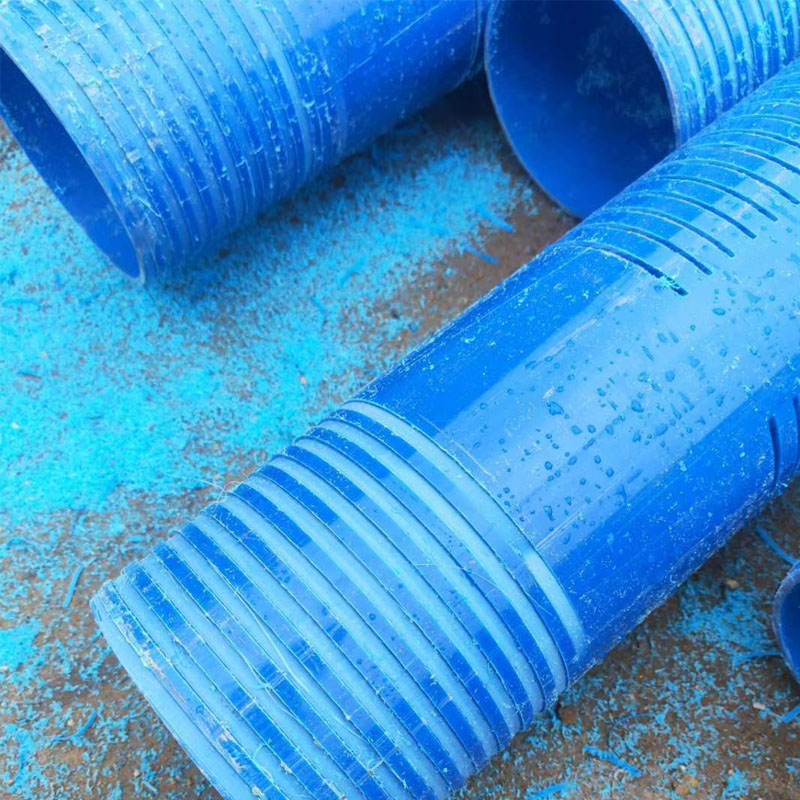
Polyvinyl Chloride (PVC) pipe, specifically the 15mm diameter variant marketed as ‘discount 15mm PVC pipe,’ represents a foundational material in fluid conveyance systems across a diverse range of applications. This technical guide details the material science, manufacturing processes, performance characteristics, potential failure modes, and relevant industry standards pertaining to this ubiquitous piping solution. Positioned within the broader construction and industrial supply chain, 15mm PVC pipe serves as a cost-effective alternative to metallic piping, particularly in non-pressurized applications like irrigation, drainage, and cold water distribution. Its core performance attributes – corrosion resistance, lightweight nature, and ease of installation – contribute to its widespread adoption. The 'discount' designation highlights its competitive pricing, making it a prevalent choice for residential, agricultural, and light industrial projects. Understanding the nuanced properties of this material is crucial for engineers, procurement managers, and installers to ensure long-term system reliability and adherence to safety regulations.
Material Science & Manufacturing
The primary raw material for 15mm PVC pipe is Polyvinyl Chloride, a thermoplastic polymer produced through the polymerization of vinyl chloride monomer (VCM). VCM is derived from ethylene and chlorine. The resulting PVC resin is typically compounded with various additives to enhance its properties. These additives include plasticizers (typically phthalates or alternative non-phthalate plasticizers) to increase flexibility, stabilizers (often based on tin or calcium-zinc compounds) to prevent thermal degradation during processing and UV exposure, lubricants to facilitate processing, and impact modifiers to improve toughness. The specific formulation dictates the pipe's intended application and performance characteristics. Manufacturing typically employs extrusion processes. PVC resin, along with the additives, is fed into an extruder where it’s heated and melted. The molten PVC is then forced through a die of the desired 15mm diameter and wall thickness. Critical parameters during extrusion include maintaining precise temperature control (typically between 180°C and 220°C) to avoid degradation, consistent screw speed to ensure uniform melt homogeneity, and accurate die sizing to achieve dimensional tolerances. Following extrusion, the pipe is cooled, often using a water bath, and then cut to length. Quality control checks include dimensional measurements, hydrostatic pressure testing, and impact resistance testing according to relevant standards. The choice of plasticizer significantly affects the flexibility and low-temperature performance of the pipe; higher plasticizer content yields greater flexibility but reduces temperature resistance.
Performance & Engineering
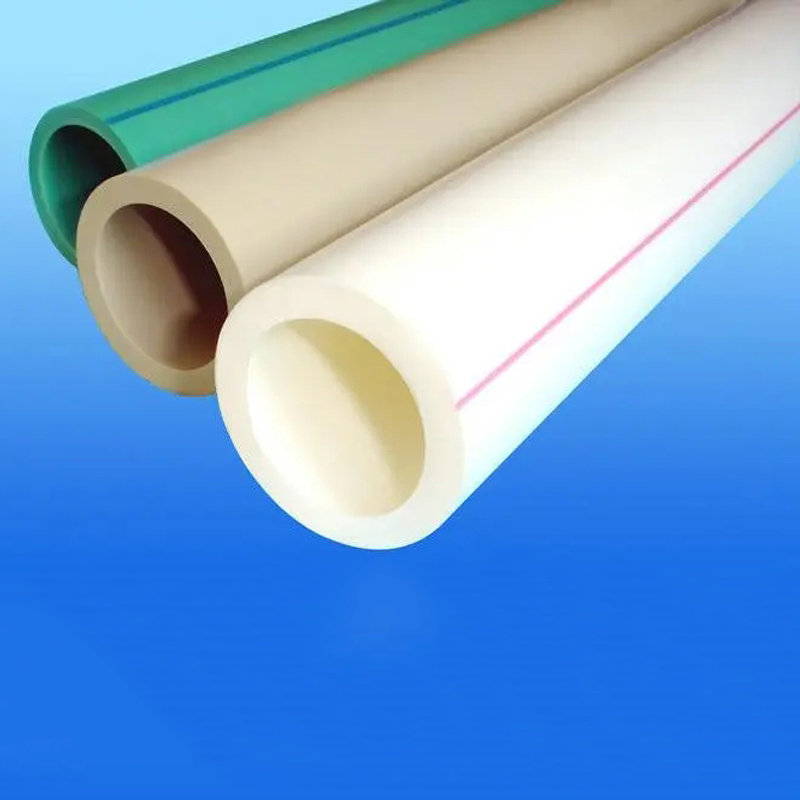
The performance of 15mm PVC pipe is governed by several key engineering principles. Hydrostatic pressure resistance is a critical factor, determined by the pipe’s dimensions (diameter and wall thickness) and the material’s tensile strength. The hoop stress, a circumferential stress induced by internal pressure, is calculated using the Barlow's formula: σ = (P D) / (2 t), where σ is hoop stress, P is internal pressure, D is the pipe diameter, and t is the wall thickness. PVC exhibits relatively low tensile strength compared to metals; therefore, wall thickness is crucial for maintaining adequate pressure resistance. Chemical resistance is another vital performance attribute. PVC is highly resistant to acids, bases, and salts, making it suitable for conveying a wide range of fluids. However, it is susceptible to degradation by certain organic solvents and aromatic hydrocarbons. Temperature dependence is significant. PVC becomes brittle at low temperatures and can soften and lose strength at elevated temperatures. Long-term exposure to UV radiation can also cause degradation, leading to embrittlement and discoloration. Engineering design considerations include providing adequate support to prevent bending and stress concentrations, avoiding direct sunlight exposure where possible, and selecting appropriate joining methods (solvent welding, threaded connections, or flanged connections) to maintain system integrity. The coefficient of thermal expansion of PVC is also important when designing long pipe runs, as thermal expansion and contraction can induce stresses in the system.
Technical Specifications
| Parameter | Typical Value (15mm PVC Pipe) | Test Method | Units |
|---|---|---|---|
| Nominal Diameter | 15 | ISO 1055 | mm |
| Wall Thickness | 2.0 – 4.0 | ASTM D2241 | mm |
| Pressure Rating | PN10 (1 MPa) – PN16 (1.6 MPa) | ISO 14692 | Bar |
| Tensile Strength | 50 – 70 | ASTM D882 | MPa |
| Impact Strength (Charpy) | 5 – 10 | ISO 145-A | kJ/m2 |
| Water Absorption (24hr) | < 0.1 | ASTM D570 | % |
Failure Mode & Maintenance
Several failure modes can affect the long-term performance of 15mm PVC pipe. ‘Crazing’ – the formation of fine cracks on the surface – is often initiated by tensile stress and exposure to certain chemicals or UV radiation. ‘Environmental Stress Cracking (ESC)’ occurs when sustained tensile stress is combined with exposure to specific chemicals, leading to rapid crack propagation. ‘Hydrostatic Fatigue’ results from repeated pressure cycles, causing gradual crack growth and eventual failure. ‘Impact Damage’ can occur during handling or installation, leading to cracks or complete rupture. ‘UV Degradation’ causes embrittlement and loss of impact strength over prolonged exposure. Maintenance strategies include regular visual inspections for signs of cracking or discoloration, avoiding excessive mechanical stress during installation, protecting the pipe from direct sunlight exposure through painting or shielding, and ensuring proper jointing techniques to prevent leaks. In the event of a crack, section replacement is typically the most practical repair method. Solvent welding should be performed according to the manufacturer's instructions to ensure a strong and leak-proof joint. Preventative maintenance, such as flushing the system periodically to remove sediment buildup, can also extend the pipe's service life. A failure analysis should always be conducted if a significant failure occurs, investigating the root cause to prevent recurrence.
Industry FAQ
Q: What is the recommended solvent cement for joining 15mm PVC pipe?
A: The recommended solvent cement depends on the specific application and temperature range. Generally, a clear PVC cement is suitable for pressure applications, while a gray cement is often used for non-pressure applications. Always refer to the cement manufacturer's specifications and ensure compatibility with the PVC pipe material. Proper surface preparation and application technique are crucial for a strong, leak-proof joint.
Q: How does the wall thickness of 15mm PVC pipe affect its pressure rating?
A: Increasing the wall thickness directly increases the pipe’s pressure rating. The Barlow's formula demonstrates that pressure rating is inversely proportional to wall thickness. Thicker walls provide greater resistance to hoop stress, allowing the pipe to withstand higher internal pressures.
Q: What are the limitations of using 15mm PVC pipe in hot water applications?
A: PVC has a relatively low maximum operating temperature, typically around 60°C. Exceeding this temperature can cause the pipe to soften and lose its structural integrity. For hot water applications, alternative materials like CPVC (Chlorinated Polyvinyl Chloride) or PEX (Cross-linked Polyethylene) are recommended.
Q: Is 15mm PVC pipe suitable for burying underground?
A: Yes, but specific considerations apply. The pipe should be bedded in suitable material (sand or gravel) to provide support and prevent damage from rocks or other debris. Depth of burial should comply with local regulations, and the pipe should be protected from potential mechanical damage during backfilling. UV protection is not a concern underground, but soil chemistry should be considered to ensure compatibility with PVC.
Q: What is the typical service life of a properly installed 15mm PVC pipe system?
A: A properly installed and maintained 15mm PVC pipe system can have a service life of 50 years or more, depending on the application and environmental conditions. However, factors like UV exposure, chemical exposure, and mechanical stress can significantly reduce the lifespan. Regular inspections and preventative maintenance are essential for maximizing service life.
Conclusion
Discount 15mm PVC pipe remains a dominant material in fluid conveyance due to its cost-effectiveness, ease of installation, and corrosion resistance. However, a thorough understanding of its material properties, manufacturing processes, and potential failure modes is paramount for ensuring long-term reliability and system performance. Careful consideration of engineering principles, adherence to relevant industry standards, and implementation of preventative maintenance strategies are crucial for maximizing the service life of PVC pipe installations.
Future developments in PVC technology may focus on enhancing impact resistance, improving UV stability, and developing more sustainable plasticizer formulations. Advancements in joining techniques, such as improved solvent cements and mechanical fittings, could also contribute to increased system reliability and reduced installation costs. Continued research into the long-term performance of PVC pipe under various environmental conditions will be essential for optimizing its application and extending its service life.
-
DN25 HDPE Compression Fitting-HORON INTERNATIONAL|Reliable Irrigation Solutions
NewsFeb.11,2026
-
hdpe coupling joint product Manufacturing Analysis
News2026-11-18
-
ppr pipe heating time products Performance Analysis
News2026-11-16
-
hdpe pipe sizes factory Performance Analysis
News2026-11-09
-
HDPE Pipe Sizes Service Performance Analysis
News2026-10-26
-
wholesale 15mm ppr pipe Material Science and Performance Analysis
News2026-10-20
-
wholesale pvc pipe price per foot Technical Analysis
News2026-09-21
-
wholesale long pvc pipe Technical Analysis and Manufacturing Specifications
News2026-09-15
-
wholesale plumbing kitchen sink water lines Material Performance
News2026-09-15
-
wholesale hdpe drip irrigation Material Science
News2026-09-15
-
wholesale hot water ppr pipe Performance Analysis
News2026-09-15
-
wholesale ppr plumbing Performance Analysis
News2026-09-15
-
wholesale ppr pipe supplier Performance Analysis
News2026-09-13
-
wholesale 50mm ppr pipe Performance Analysis
News2026-09-13
-
wholesale hdpe drip pipe Performance Analysis
News2026-09-13
-
wholesale hdpe pipe 63mm price Manufacturing Specification and Performance Analysis
News2026-09-13