

Feb . 11, 2026 00:01 Back to list
discount 150mm pvc pipe price Performance Analysis

Introduction
Polyvinyl chloride (PVC) pipe, specifically 150mm diameter Schedule 40 and Schedule 80 configurations, represents a fundamental component within fluid conveyance systems across a diverse range of industries. These include municipal water distribution, irrigation, industrial effluent management, and chemical processing. The “discount 150mm pvc pipe price” designation refers to commercially available PVC pipe offered at reduced rates, typically driven by volume purchasing or competitive market pressures. This guide provides an in-depth technical analysis of 150mm PVC pipe, encompassing material science, manufacturing processes, performance characteristics, failure modes, and relevant industry standards. The core performance attributes of 150mm PVC pipe center on its chemical inertness, high flow capacity due to smooth inner surfaces, and resistance to corrosion, making it a durable and cost-effective alternative to metallic piping in many applications. A critical industry pain point involves selecting the appropriate PVC compound formulation and wall thickness to withstand specific operating pressures, temperatures, and chemical exposures, particularly when dealing with aggressive fluids or soil conditions.
Material Science & Manufacturing
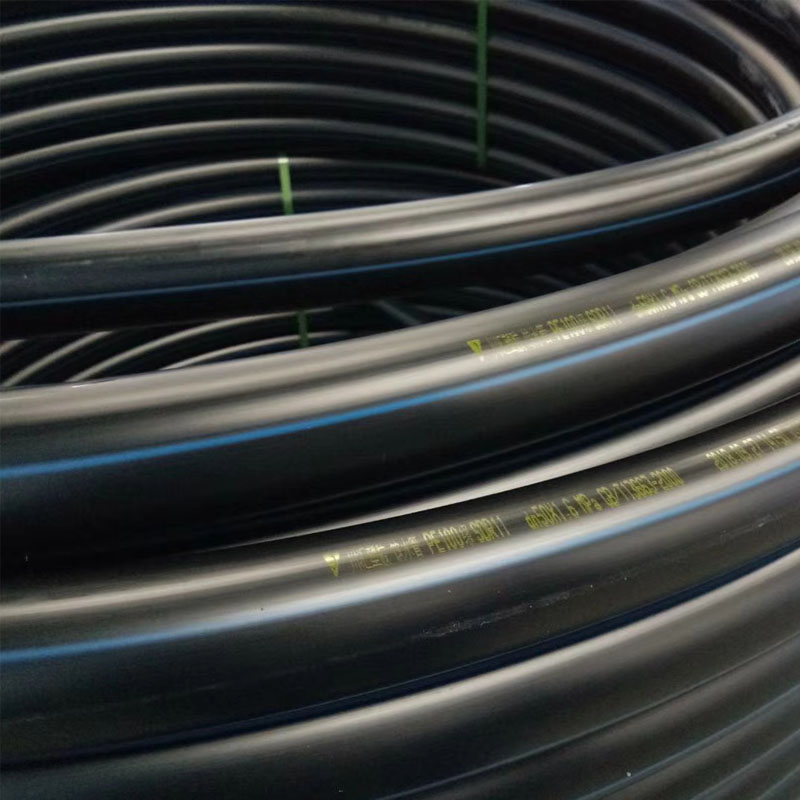
150mm PVC pipe is predominantly manufactured from PVC resin, typically a copolymer of vinyl chloride monomer (VCM). The resin's properties are modified through the addition of plasticizers, stabilizers, lubricants, and impact modifiers to tailor the pipe’s characteristics for specific applications. Polyvinyl chloride homopolymer is rigid and brittle; therefore, plasticizers, most commonly phthalates or DINP (diisononyl phthalate), are added to enhance flexibility and impact resistance. Stabilizers, such as organotin compounds or calcium-zinc stabilizers, are crucial to prevent degradation during processing and long-term exposure to UV radiation and heat. Lubricants, like stearic acid, facilitate smooth extrusion. The manufacturing process generally involves extrusion. PVC resin, along with the aforementioned additives, is fed into a twin-screw extruder where it is heated, melted, and homogenized. The molten PVC is then forced through a die of the desired 150mm diameter and wall thickness. Cooling is achieved using water baths, and the pipe is subsequently cut to length and marked. Critical parameters during extrusion include melt temperature (typically 180-210°C), screw speed, die pressure, and cooling rate. Precise control of these parameters is vital to ensure dimensional accuracy, uniform wall thickness, and optimal physical properties. The raw material's K-value (molecular weight indicator) directly influences the pipe's strength and impact resistance; higher K-values generally indicate greater molecular weight and improved mechanical performance. Chemical compatibility of additives is paramount to prevent leaching and maintain long-term performance.
Performance & Engineering
The performance of 150mm PVC pipe is primarily dictated by its ability to withstand internal hydrostatic pressure, external soil loads, and chemical attack. The hoop stress (σ) in a cylindrical pressure vessel like PVC pipe is calculated as σ = (P r) / t, where P is the internal pressure, r is the pipe’s radius, and t is the wall thickness. This equation highlights the inverse relationship between wall thickness and stress, explaining why Schedule 80 pipes (thicker walls) are used for higher-pressure applications than Schedule 40 pipes. Engineering considerations also encompass the pipe’s resistance to deflection under external loads. Soil loading, particularly in burial applications, can cause ovalization and potential failure. ASTM D2412 outlines procedures for determining the pipe’s stiffness (a measure of its resistance to deflection). Long-term performance is impacted by creep, a time-dependent deformation under sustained stress. PVC’s susceptibility to creep is temperature-dependent; higher temperatures accelerate the process. Chemical resistance is excellent for many common substances, but certain solvents (e.g., ketones, aromatic hydrocarbons) can cause swelling and degradation. The service temperature range for PVC is typically -10°C to 60°C, though this can vary depending on the formulation. Jointing methods, such as solvent cementing or gasketed connections, must provide a watertight seal and maintain structural integrity under operational stresses. Proper joint preparation and adhesive application are critical to prevent leakage and ensure long-term reliability.
Technical Specifications
| Parameter | Schedule 40 (Typical) | Schedule 80 (Typical) | Units |
|---|---|---|---|
| Nominal Pipe Size | 150 mm | 150 mm | mm |
| Outside Diameter | 160 mm | 160 mm | mm |
| Minimum Wall Thickness | 4.2 mm | 5.8 mm | mm |
| Hydrostatic Design Stress | 48.3 | 62.0 | MPa |
| Burst Pressure | 193 | 248 | bar |
| Specific Gravity | 1.40 | 1.40 | - |
| Tensile Strength | 55 | 55 | MPa |
Failure Mode & Maintenance
150mm PVC pipe is susceptible to several failure modes. Slow crack growth (SCG) is a significant concern, particularly in environments containing residual stress and certain detergents or solvents. SCG initiates at stress concentrators (e.g., scratches, gouges) and propagates slowly over time. Another common failure mode is brittle fracture, which occurs when the pipe is subjected to impact loads or extreme temperatures. UV degradation can also lead to embrittlement and cracking, particularly in exposed applications. Chemical attack, as previously mentioned, can cause swelling, softening, and eventual failure. Joint failures can occur due to improper solvent cementing, gasket degradation, or loosening of threaded connections. Maintenance typically involves visual inspections for cracks, leaks, and signs of degradation. Regular cleaning to remove debris and prevent clogging is also important. For buried pipes, ground settlement or movement can induce stress and lead to cracking. Preventative measures include proper bedding and backfilling procedures. If cracking is detected, localized repairs using appropriate PVC patching compounds can be performed, but for extensive damage, pipe replacement is often necessary. Fatigue cracking can occur in systems subject to repeated pressure fluctuations.
Industry FAQ
Q: What is the impact of temperature on the long-term performance of 150mm PVC pipe?
A: Elevated temperatures significantly reduce the long-term strength and increase the creep rate of PVC. This means that a pipe operating at a higher temperature will experience greater deformation under sustained stress and may fail prematurely. Derating factors, outlined in standards like ASTM D2321, are applied to the hydrostatic design stress to account for temperature effects. Maintaining operating temperatures within the recommended range (typically below 60°C) is crucial.
Q: How does the type of solvent cement affect the strength of a PVC joint?
A: The solvent cement acts as a chemical welding agent, dissolving the surfaces of the PVC pipe and fitting and then re-solidifying to form a strong bond. Using the incorrect type of solvent cement (e.g., one not designed for the specific PVC formulation) can result in a weak or incomplete weld. Always use a solvent cement specifically recommended by the pipe manufacturer and follow the recommended application procedures.
Q: What are the considerations when selecting PVC pipe for burial applications?
A: Burial applications require careful consideration of external loads, soil conditions, and potential for corrosion. Proper bedding and backfilling are essential to distribute loads evenly and prevent stress concentrations. The pipe's stiffness (resistance to deflection) must be sufficient to withstand the anticipated soil loads. Furthermore, the presence of corrosive substances in the soil can degrade the pipe over time, necessitating the use of specialized PVC formulations or protective coatings.
Q: Can 150mm PVC pipe be used for potable water applications, and what are the relevant safety considerations?
A: Yes, PVC pipe can be used for potable water applications, but it must meet stringent requirements outlined in NSF/ANSI Standard 61. This standard certifies that the pipe and its components do not leach harmful contaminants into the water. Only PVC formulations approved for potable water use should be employed.
Q: What are the key differences between Schedule 40 and Schedule 80 PVC pipe, and when would you choose one over the other?
A: Schedule 80 PVC pipe has a thicker wall than Schedule 40, resulting in higher pressure ratings and greater resistance to impact and deflection. Schedule 40 is typically suitable for lower-pressure applications, such as irrigation and drainage systems, while Schedule 80 is preferred for higher-pressure applications, such as municipal water distribution and industrial processes. The choice depends on the operating pressure, temperature, and external load requirements of the specific application.
Conclusion
The “discount 150mm pvc pipe price” offering represents a viable solution for a wide range of fluid conveyance needs, provided that careful consideration is given to material selection, manufacturing quality, and operational parameters. A thorough understanding of PVC’s material properties, potential failure modes, and relevant industry standards is essential for ensuring long-term performance and reliability. Proper installation techniques, including appropriate jointing methods and bedding procedures, are equally critical.
Future advancements in PVC technology are focused on developing more sustainable formulations, enhancing chemical resistance, and improving long-term durability. Ongoing research into advanced plasticizers and stabilizers aims to mitigate the environmental and health concerns associated with traditional PVC additives. Furthermore, the development of more robust quality control procedures and non-destructive testing methods will contribute to ensuring the consistent performance of 150mm PVC pipe in demanding applications.
-
DN25 HDPE Compression Fitting-HORON INTERNATIONAL|Reliable Irrigation Solutions
NewsFeb.11,2026
-
hdpe coupling joint product Manufacturing Analysis
News2026-11-18
-
ppr pipe heating time products Performance Analysis
News2026-11-16
-
hdpe pipe sizes factory Performance Analysis
News2026-11-09
-
HDPE Pipe Sizes Service Performance Analysis
News2026-10-26
-
wholesale 15mm ppr pipe Material Science and Performance Analysis
News2026-10-20
-
wholesale pvc pipe price per foot Technical Analysis
News2026-09-21
-
wholesale long pvc pipe Technical Analysis and Manufacturing Specifications
News2026-09-15
-
wholesale plumbing kitchen sink water lines Material Performance
News2026-09-15
-
wholesale hdpe drip irrigation Material Science
News2026-09-15
-
wholesale hot water ppr pipe Performance Analysis
News2026-09-15
-
wholesale ppr plumbing Performance Analysis
News2026-09-15
-
wholesale ppr pipe supplier Performance Analysis
News2026-09-13
-
wholesale 50mm ppr pipe Performance Analysis
News2026-09-13
-
wholesale hdpe drip pipe Performance Analysis
News2026-09-13
-
wholesale hdpe pipe 63mm price Manufacturing Specification and Performance Analysis
News2026-09-13